
Knee treatment
Topical Medications for Knee Pain | Elite Pain & Health – Oklahoma
Topical Medications for Knee Pain

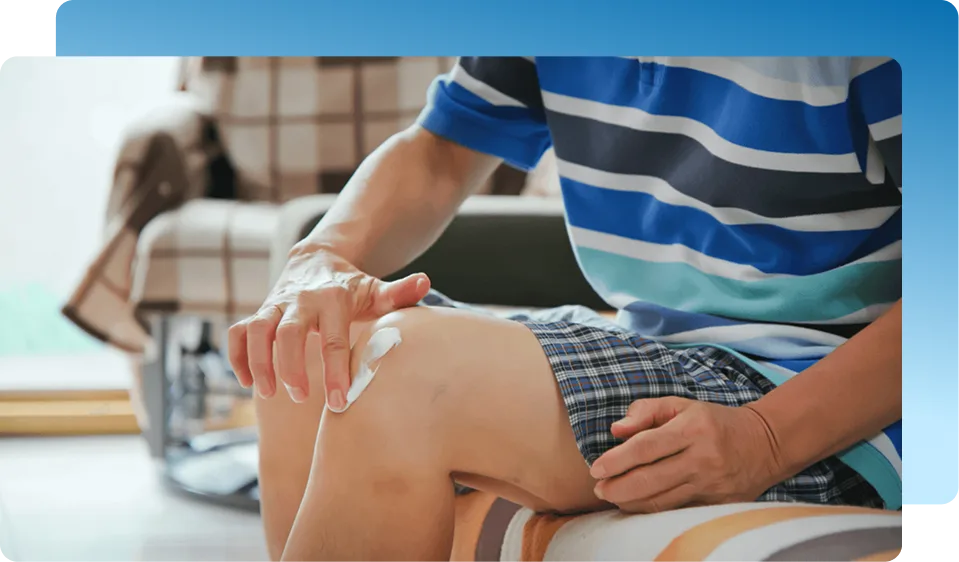
For many patients struggling with knee pain from arthritis, tendon strain, or injury, topical medications offer safe, convenient relief without the systemic side effects of oral drugs. These creams, gels, or patches deliver pain-relieving ingredients directly to affected tissues right where inflammation and discomfort occur.
At Elite Pain & Health – Oklahoma, Dr. Keley John Booth, MD, recommends evidence-based topical therapies as part of a comprehensive, non-surgical knee pain treatment plan. His approach emphasizes targeted relief, minimal risk, and faster recovery through guided, conservative care.
Why It Happens

Topical medications work by delivering active ingredients through the skin to decrease inflammation, block pain signals, or desensitize irritated nerves. They’re ideal for localized pain that doesn’t require full-body medication exposure.
The main types of topical therapies include:
-
Topical NSAIDs (Nonsteroidal Anti-Inflammatory Drugs) Reduce inflammation and swelling inside the joint capsule and soft tissues. Examples: Diclofenac gel (Voltaren®), ibuprofen cream.
-
Capsaicin Creams Derived from chili peppers, capsaicin temporarily desensitizes pain receptors, reducing chronic aching and burning sensations. Example: Zostrix®, Capzasin-HP®.
-
Lidocaine or Numbing Creams Block local nerve conduction, offering fast relief from surface tenderness or irritation. Examples: Aspercreme®, Lidoderm® patches, 4% lidocaine gels.
What It Feels Like

Each topical medication provides a distinct sensation:
-
NSAID gels: Cool and soothing; absorb quickly with mild relief within 30–60 minutes.
-
Capsaicin creams: Mild warmth or tingling for the first few applications, then numbing after consistent use.
-
Lidocaine creams: Numbing sensation within 5–10 minutes that lasts for several hours.
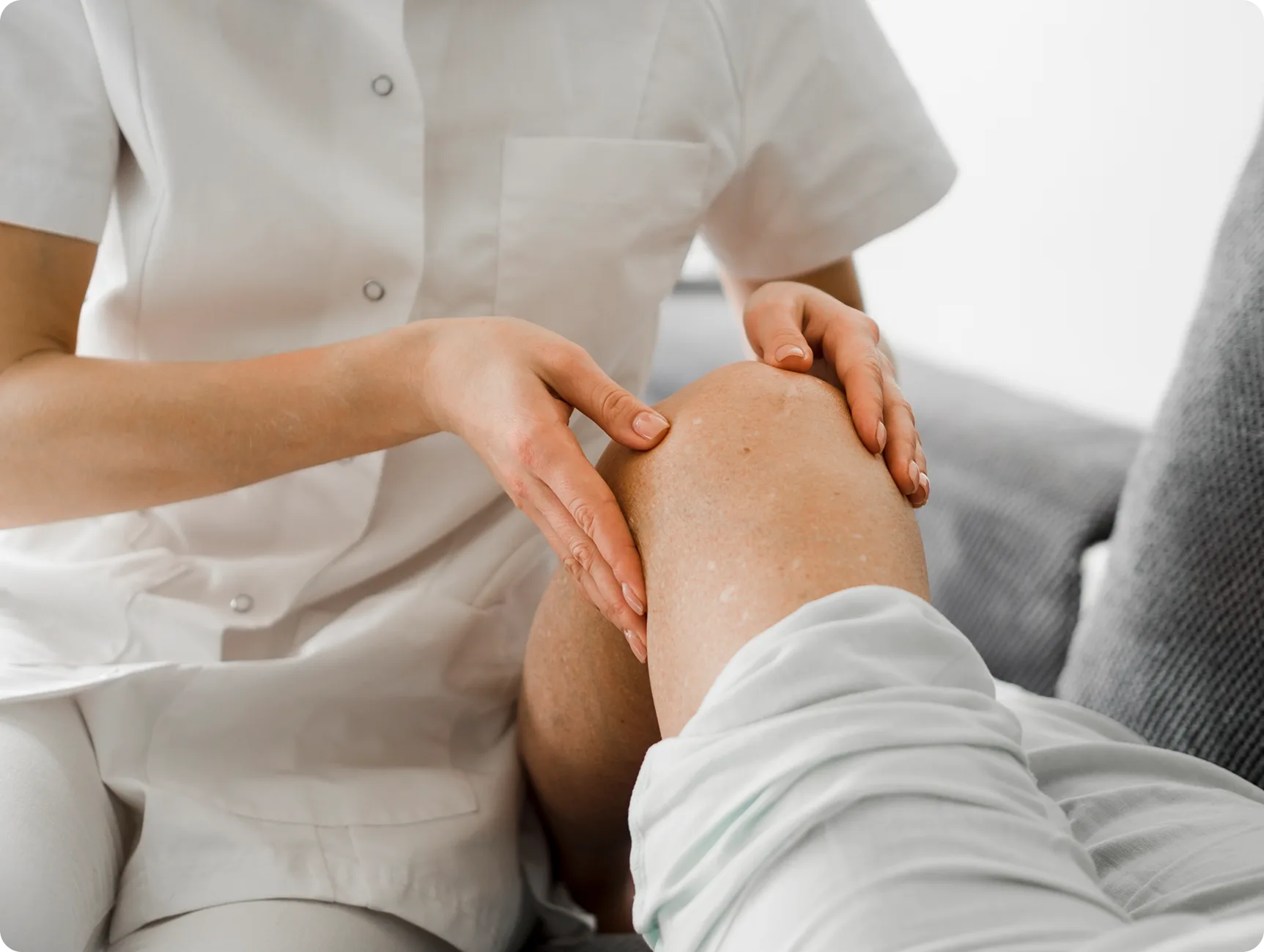
Pain typically decreases gradually with continued use, especially in conditions like osteoarthritis or tendon overuse.
How It’s Diagnosed

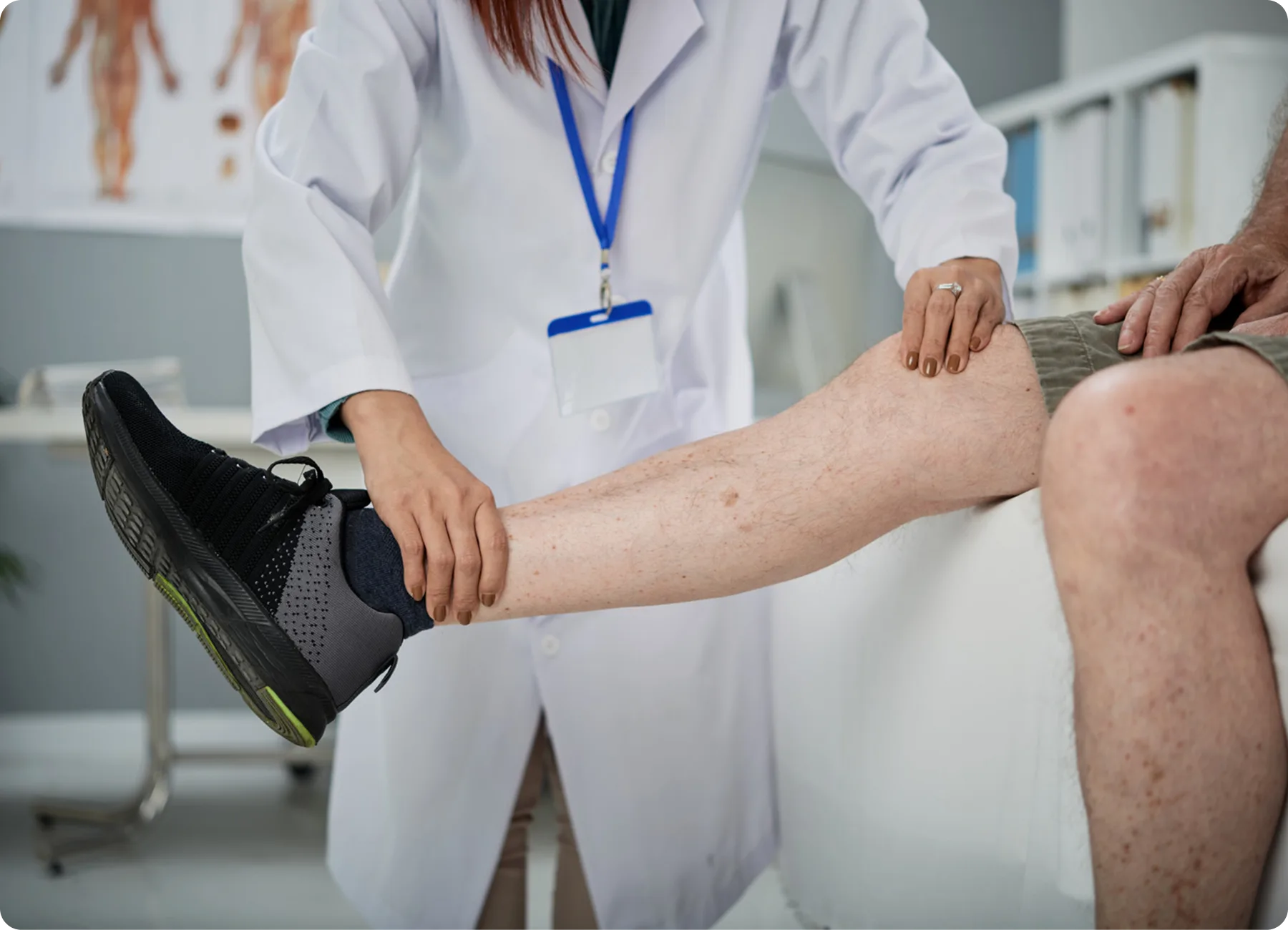
Before recommending a topical medication, Dr. Booth performs a targeted diagnostic evaluation that may include:
-
Physical and movement examination
-
Ultrasound or MRI imaging for tendon, cartilage, or bursae assessment
-
Review of prior treatments (oral medications, injections, therapy)
This ensures the correct topical formulation is chosen and applied appropriately for maximum benefit.
Learn more about knee diagnoses and knee symptoms.
Conservative Treatment Approach
Topical medications fit seamlessly into Dr. Booth’s conservative, stepwise plan to control pain and preserve knee function. They are often paired with:
-
Activity modification and rest
-
Ice or heat therapy
-
Bracing and support devices
-
Weight management and nutrition optimization

Topical NSAIDs
-
Best for arthritis, tendinitis, and post-activity pain.
-
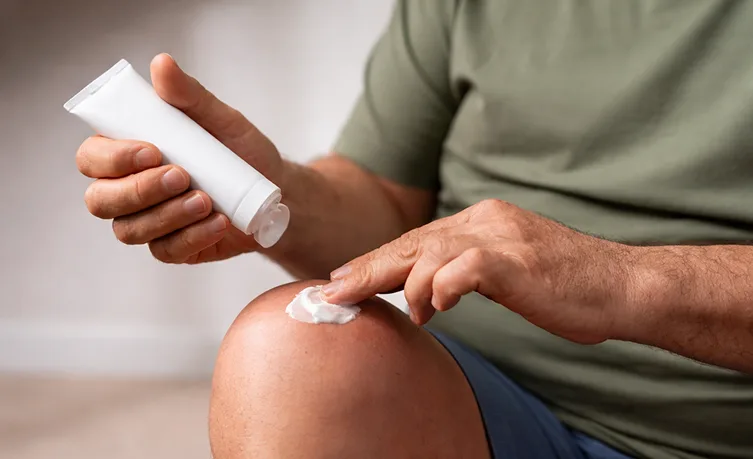
Apply a thin layer 2–4 times daily.
-
Avoid broken skin or combining with oral NSAIDs to prevent cumulative exposure.
Capsaicin Creams
-
Used for chronic pain or nerve sensitization.
-
Apply sparingly 3–4 times daily for 2–4 weeks for best results.
-
Wash hands thoroughly after application and avoid contact with eyes or mouth.
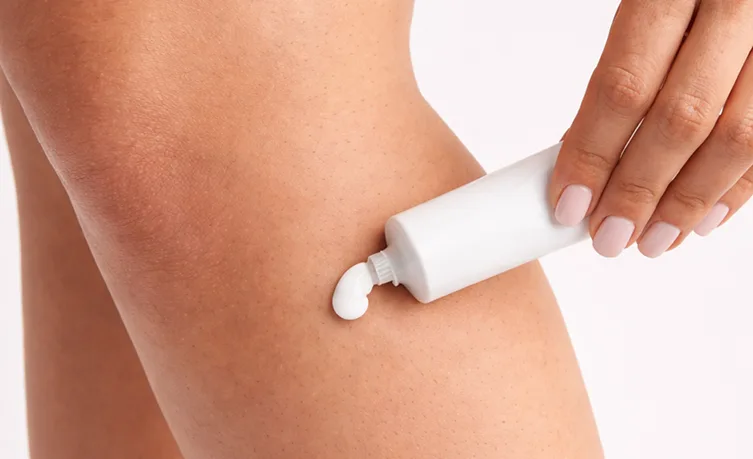
Lidocaine or Numbing Gels
-
Helpful for acute flare-ups, superficial pain, or bursitis.
-
Apply 2–3 times daily or use physician-prescribed patches.
-
Do not apply over large areas or broken skin.
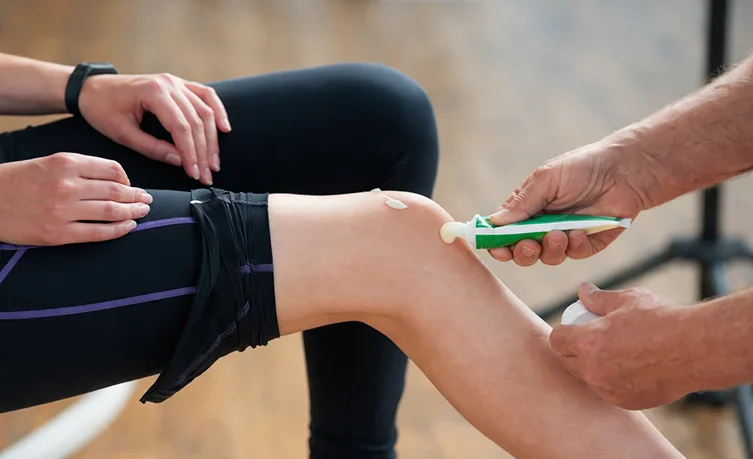
Combination Products
Some formulations combine anti-inflammatory and numbing agents for dual action Dr. Booth selects these based on imaging and symptom patterns.
When to Seek Care
If topical treatments provide only partial or short-term relief, it may indicate deeper structural issues such as cartilage loss, ligament strain, or bursitis that require image-guided care.
Persistent swelling, redness, or warmth should always be evaluated promptly to rule out infection or inflammatory arthritis.
At Elite Pain & Health – Oklahoma, early evaluation ensures the safest, most effective plan for long-term joint health.
Take the Next Step
Topical medications can provide focused pain relief that supports mobility and recovery without systemic risk.
Get urgent care for these
- The knee cannot bear any weight after an injury
- Obvious deformity, or the kneecap is out of place
- A hot, swollen, red knee with fever
- Sudden severe swelling within minutes of an injury
These need assessment now, not an appointment next week. Go to an emergency department or call 911.
Common questions about knee pain