
Knee treatment
Physical Therapy & Rehabilitation for Knee Pain | Elite Pain & Health – Oklahoma
Physical Therapy & Rehabilitation for Knee Pain

Knee pain whether from arthritis, overuse, or injury can make everyday movement difficult and limit independence. At Elite Pain & Health, board-certified physician Dr. Keley John Booth, MD takes a conservative, image-guided approach to knee rehabilitation. His goal: restore mobility, reduce inflammation, and rebuild strength without unnecessary surgery whenever possible.
Physical therapy and rehabilitation play a central role in this recovery process. By retraining muscles, restoring range of motion, and improving joint mechanics, structured therapy helps patients move better, hurt less, and delay or even avoid surgery.
Why It Helps

The knee is a complex hinge joint where the femur, tibia, and patella meet supported by cartilage, ligaments, tendons, and muscles. When injury, arthritis, or chronic stress disrupts these structures, it often leads to:
-
Weakness and instability
-
Swelling and stiffness
-
Pain with walking, stairs, or standing
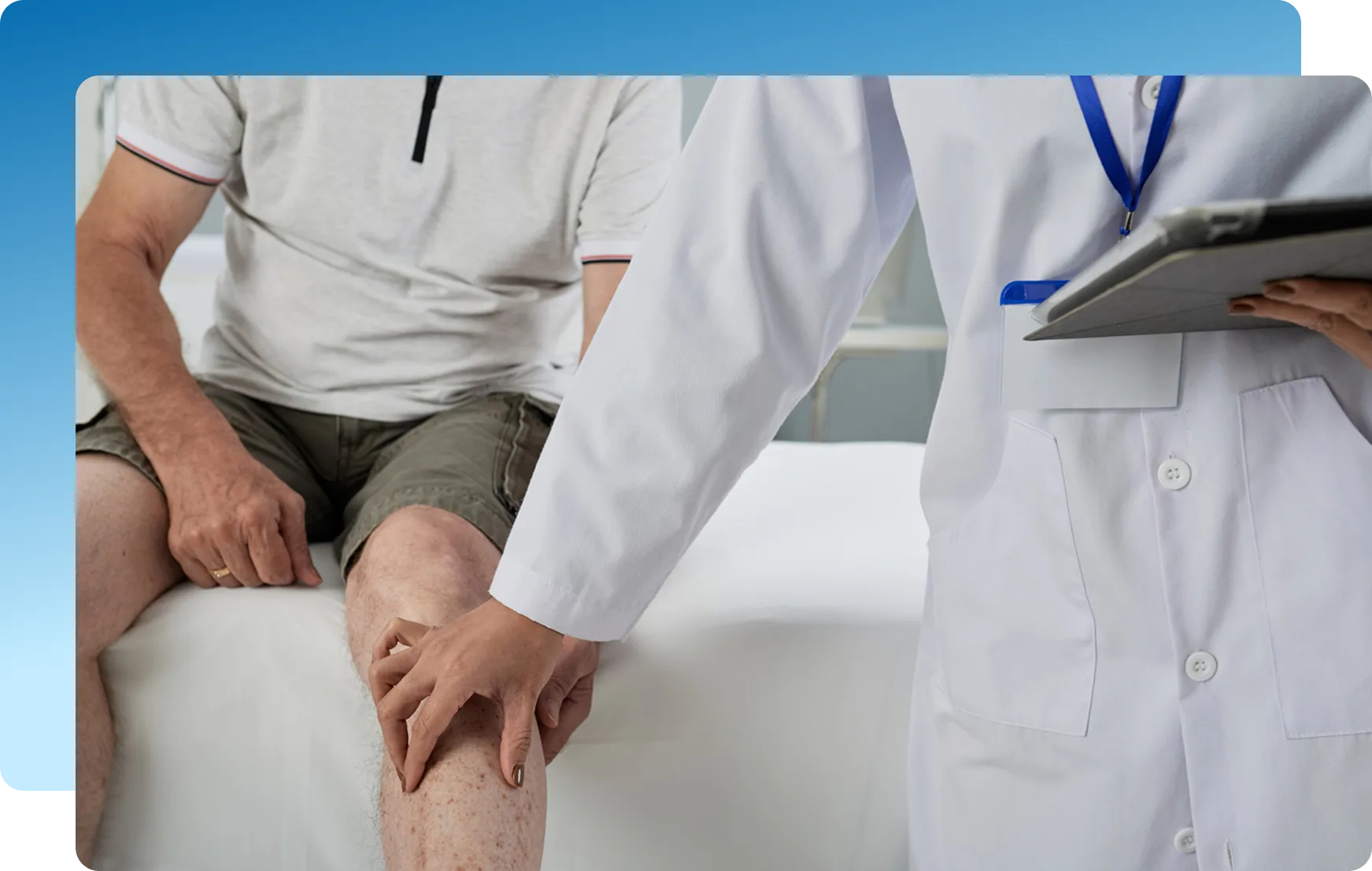
Physical therapy addresses the root causes by:
-
Strengthening supportive muscles (quadriceps, hamstrings, glutes)
-
Enhancing joint lubrication through guided motion
-
Correcting movement patterns to reduce mechanical stress
-
Promoting blood flow and healing
In cases of knee osteoarthritis, these benefits can significantly reduce pain and improve daily function even when X-rays show “wear and tear.
What to Expect in a Rehabilitation Program

Your program begins with a thorough assessment by Dr. Booth’s team to evaluate flexibility, gait, posture, and muscle balance. From there, a customized plan is developed including:
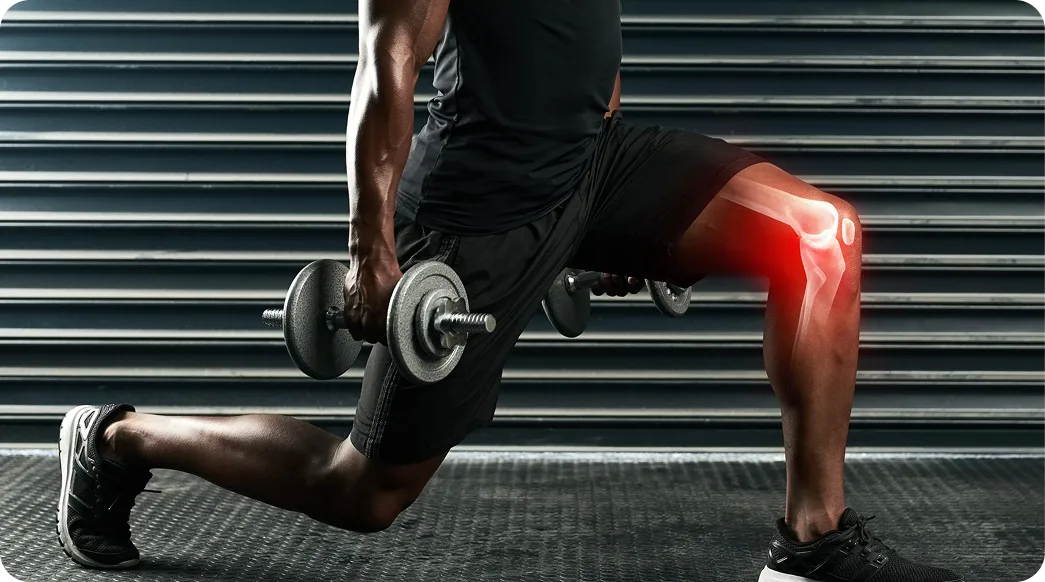
Strength Training
Progressive resistance exercises rebuild muscle control around the knee. Focus areas include:
-
Quadriceps and hamstring balance
-
Hip and glute stabilization
-
Core strength for lower-limb alignment
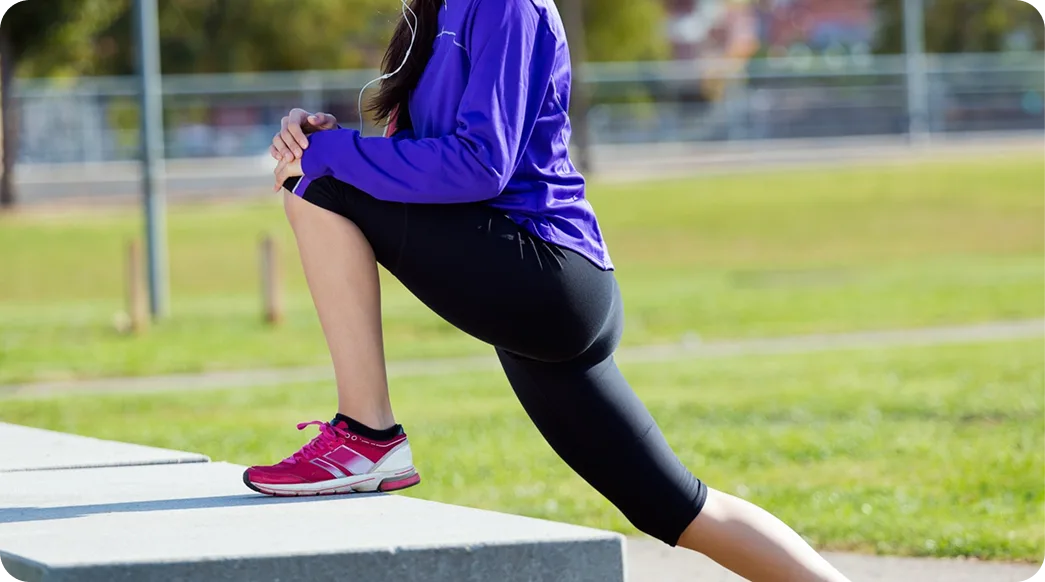
Range-of-Motion Exercises
Gentle stretching and joint mobilization restore flexibility and reduce stiffness, particularly after swelling or periods of rest.
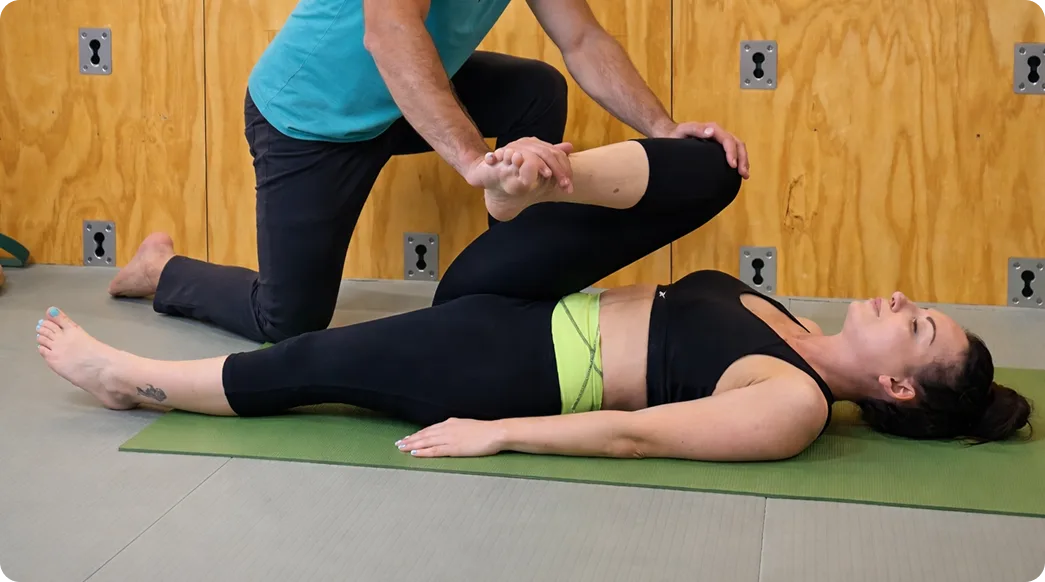
Neuromuscular Re-education
Targeted drills retrain nerve-muscle coordination for improved stability and confidence during walking or sports.
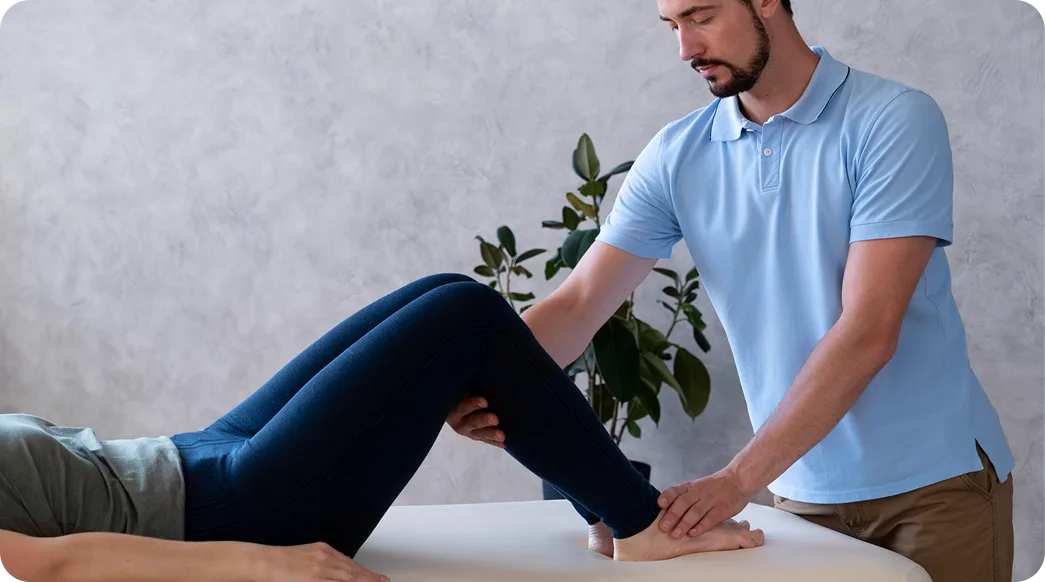
Manual Therapy
Hands-on techniques such as soft tissue mobilization or patellar glides can relieve stiffness and improve joint glide.
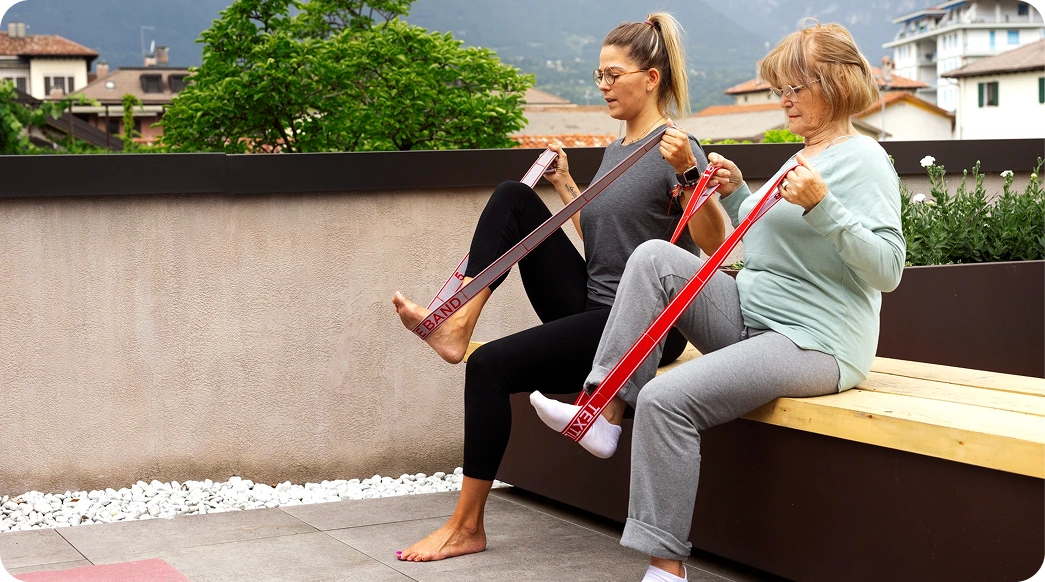
Gait and Posture Correction
Re-educating how you walk, climb stairs, or squat reduces repetitive strain and helps prevent recurrence.
Home Exercise Program Development

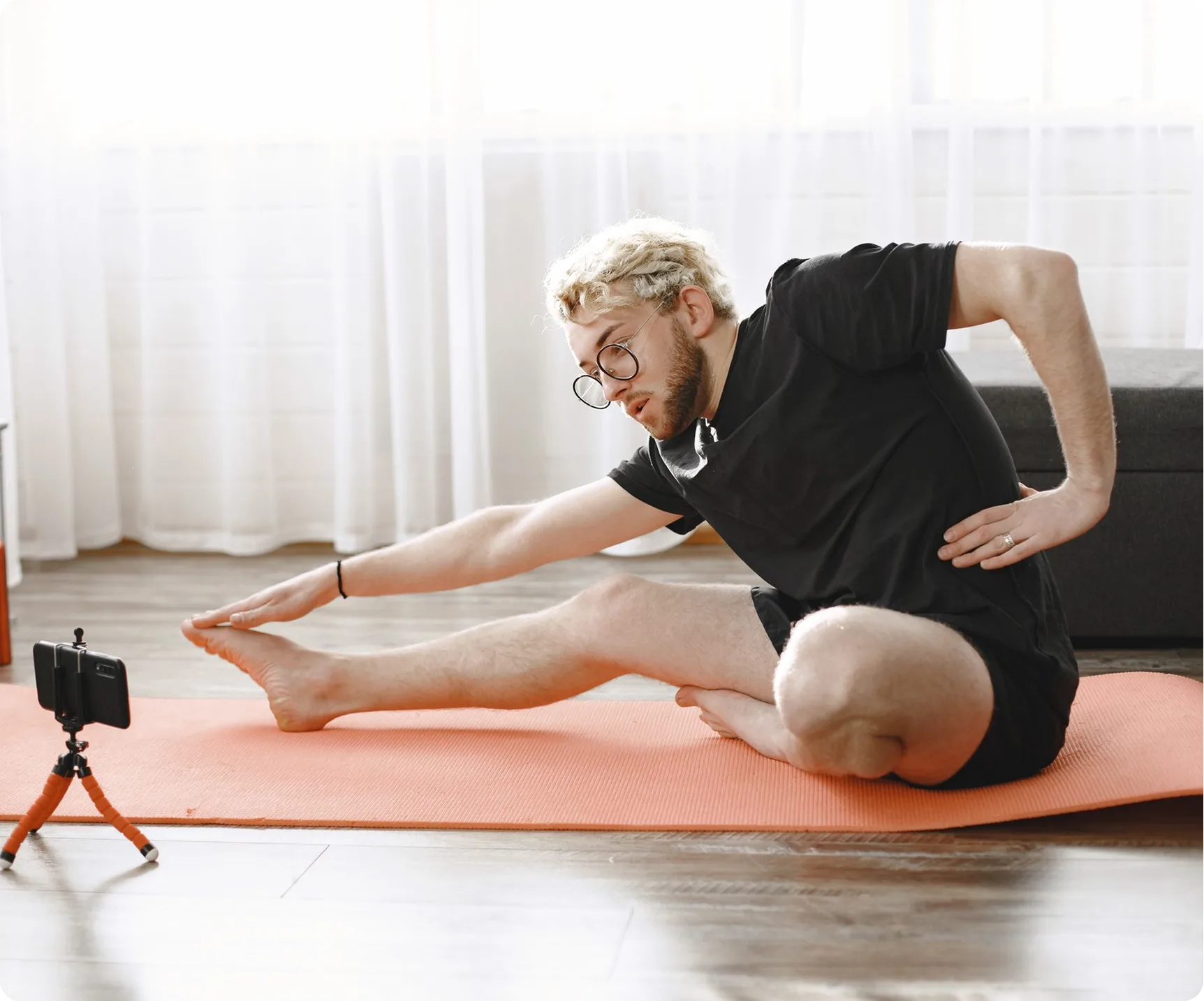
Dr. Booth’s team emphasizes independence through a structured home exercise program (HEP). This allows continued strengthening and mobility work between sessions. Programs typically include:
-
Low-impact aerobic activity (stationary bike, aquatic therapy)
-
Flexibility and strengthening sequences
-
Self-management tips for flare-ups and swelling control
Adherence to home programs is often the single strongest predictor of long-term recovery in knee osteoarthritis and overuse injuries.
When to Seek Care
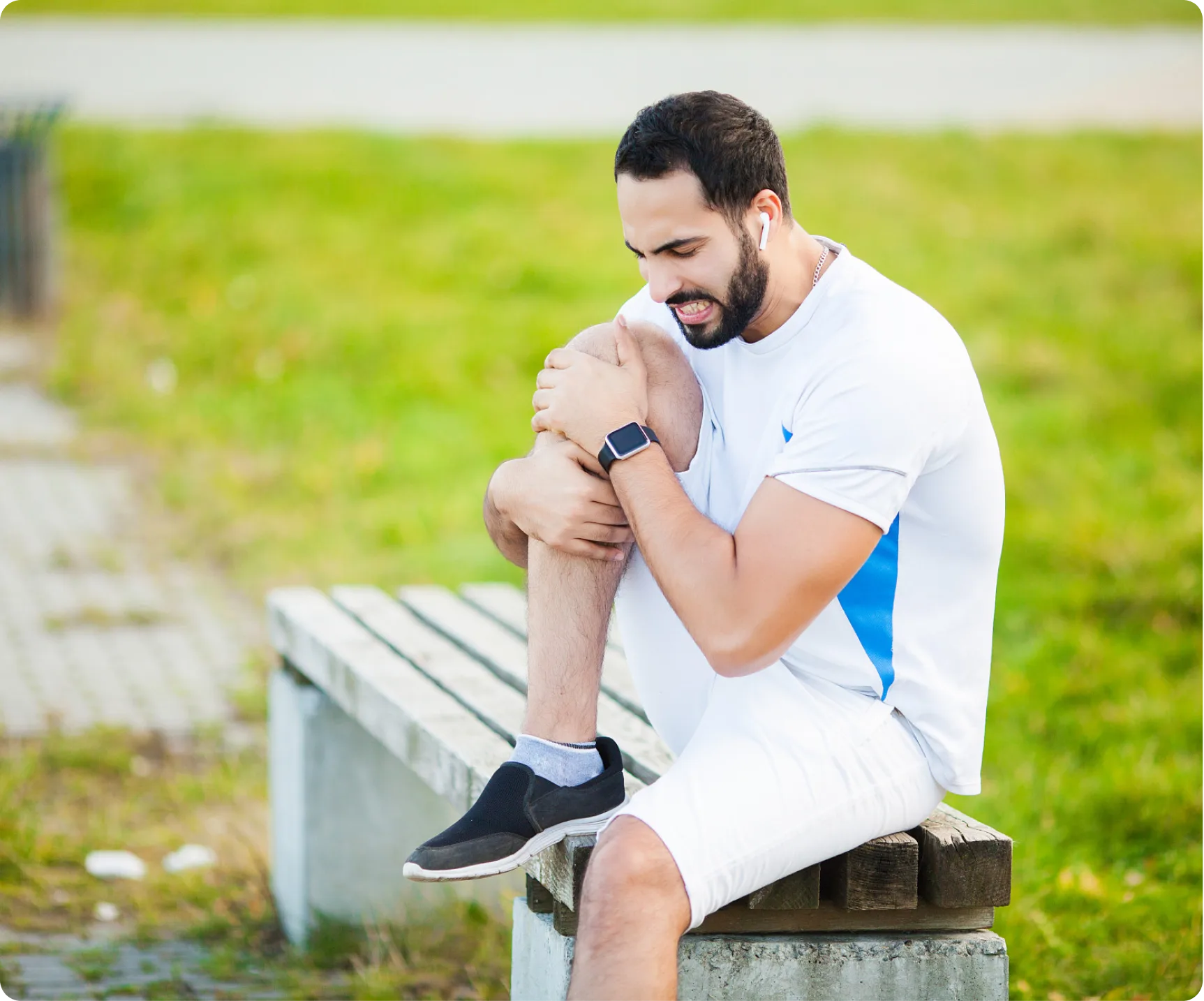
If you experience any of the following, you may benefit from professional rehabilitation:
-
Knee pain lasting more than 2 weeks
-
Stiffness or clicking that limits daily activity
-
Difficulty walking, bending, or getting up from a chair
-
Post-injury or post-procedure recovery challenges
Early evaluation allows Dr. Booth to determine whether your pain is due to joint degeneration, ligament irritation, or mechanical imbalance and to build a safe plan that avoids unnecessary surgery.
Take the Next Step
If knee pain limits your mobility or daily comfort, non-surgical rehabilitation may be the safest and most effective path forward.
Get urgent care for these
- The knee cannot bear any weight after an injury
- Obvious deformity, or the kneecap is out of place
- A hot, swollen, red knee with fever
- Sudden severe swelling within minutes of an injury
These need assessment now, not an appointment next week. Go to an emergency department or call 911.
Common questions about knee pain