
Knee treatment
Bracing & Support Devices for Knee Pain | Elite Pain & Health – Oklahoma
Bracing & Support Devices for Knee Pain

When knee pain interferes with daily movement, even simple activities like climbing stairs or getting up from a chair can feel difficult. One of the most effective non-surgical solutions is the use of knee bracing and support devices.
At Elite Pain & Health – Oklahoma, Dr. Keley John Booth, MD, uses advanced diagnostic imaging and biomechanical assessment to determine which brace type provides the best stability and relief helping patients move with confidence while protecting the joint from further damage.
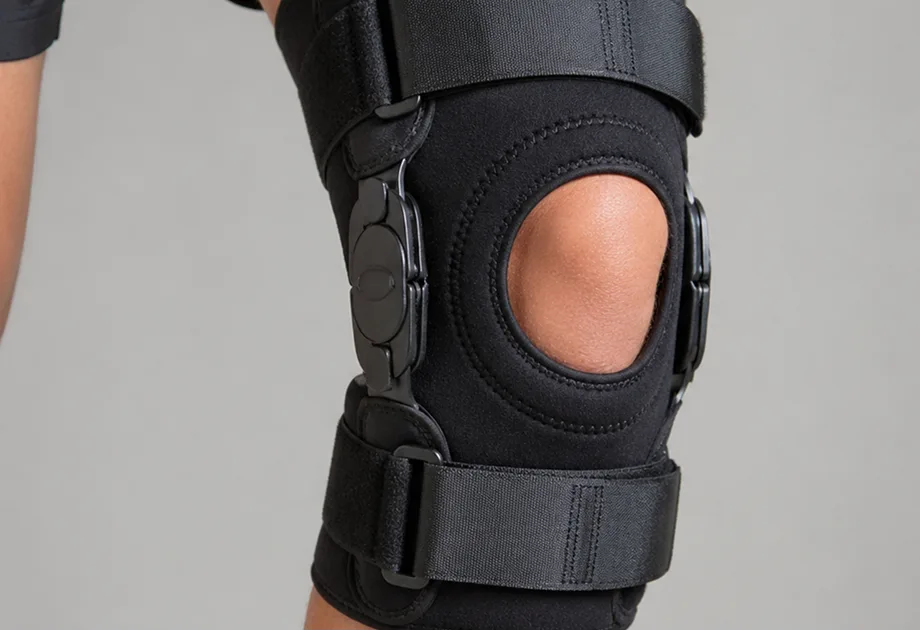
Knee pain is one of the most common musculoskeletal complaints, affecting people of all ages and activity levels. Whether it’s a dull ache after a long day, a sharp jab when climbing stairs, or a persistent burning sensation, knee pain can disrupt your ability to walk, work, or enjoy daily activities.
At Elite Pain & Health – Oklahoma, Dr. Keley John Booth, MD, helps patients identify the true source of knee pain through advanced image-guided diagnosis and evidence-based, non-surgical treatment strategies designed to restore mobility and prevent recurrence.
why it helps

The knee is a complex hinge joint that bears tremendous stress from walking, running, and squatting. When the ligaments, cartilage, or surrounding muscles are weakened or injured, abnormal joint motion increases pain and instability.
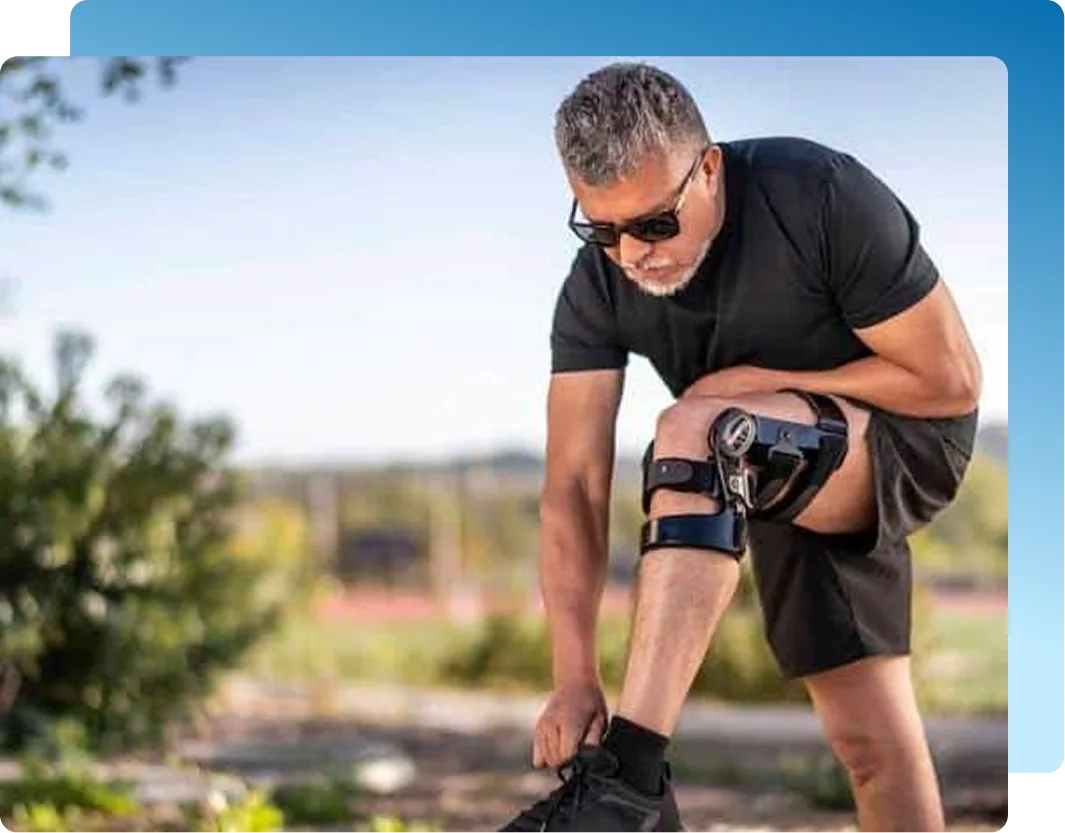
Bracing works by:
-
Redistributing mechanical load away from painful areas
-
Supporting ligament and tendon function
-
Reducing strain on healing tissue
-
Improving joint alignment during movement
Depending on the underlying diagnosis, bracing may be temporary (during recovery) or long-term (for chronic arthritis or ligament laxity).
Types of Knee Braces
Dr. Booth selects from several brace categories depending on the patient’s condition, activity level, and imaging results:
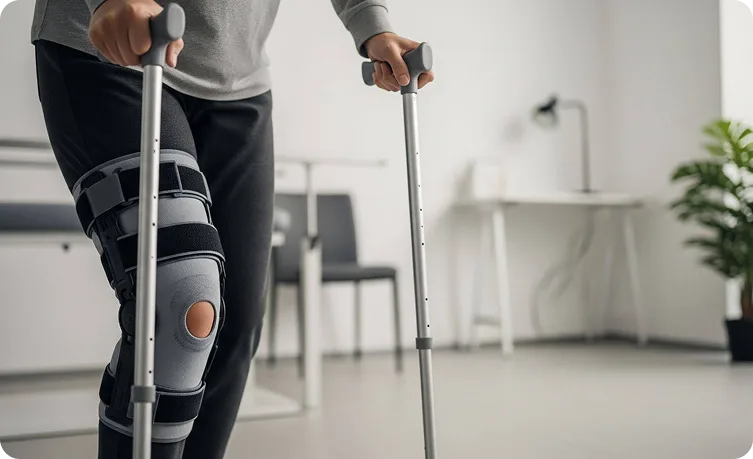
Hinged Knee Brace
-
Designed for ligament instability (ACL, MCL, or LCL injuries).
-
Features metal or plastic side supports for stability without restricting flexion.
-
Often used after injury or surgery during rehabilitation.
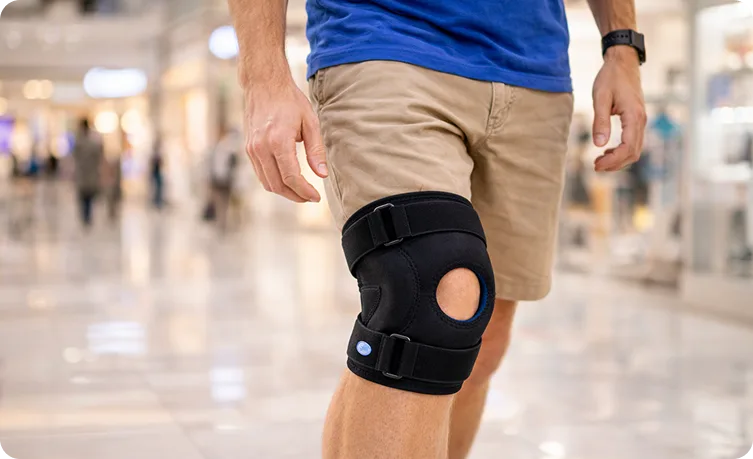
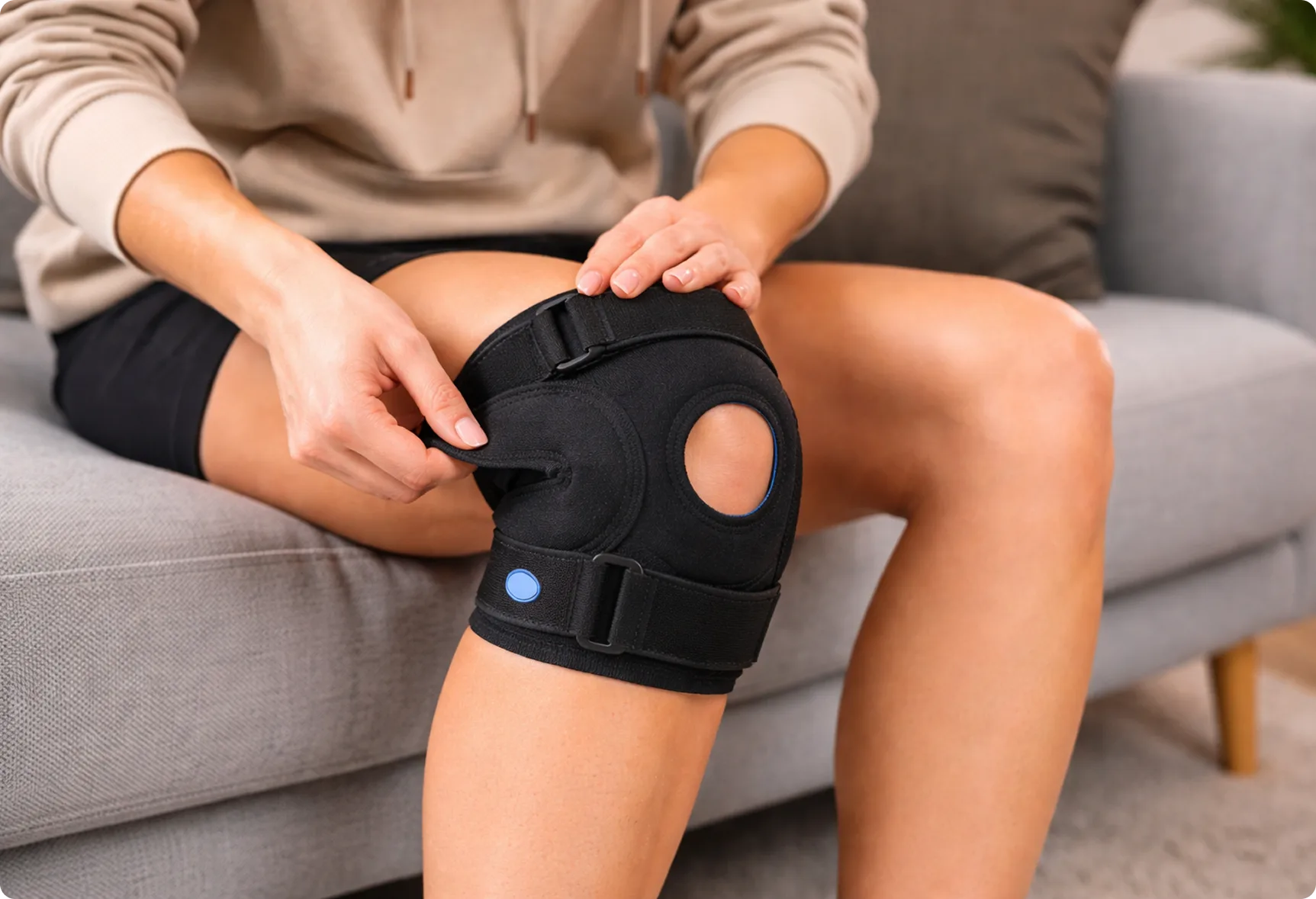
Patellar Tracking Brace
-
Stabilizes the kneecap (patella) to prevent lateral shifting.
-
Commonly prescribed for patellofemoral pain syndrome or chondromalacia.
-
Keeps the patella centered to reduce anterior knee pain.
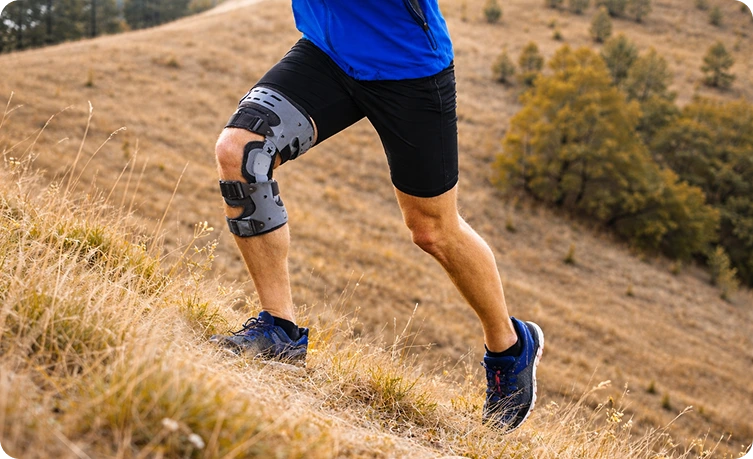
Unloader (Offloading) Brace
-
Used for knee osteoarthritis affecting one side of the joint.
-
Shifts weight away from the damaged compartment, reducing compression pain.
-
Can significantly delay or even prevent the need for joint replacement surgery.
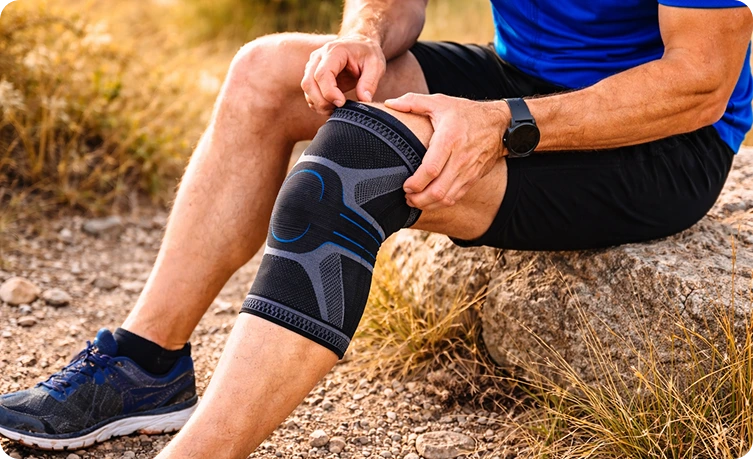
Compression Sleeve
-
Provides mild support and warmth.
-
Improves circulation and reduces swelling after activity.
-
Ideal for mild strain, overuse, or early arthritis.
What It Feels Like

The right brace should feel secure but comfortable providing support without restricting normal motion or cutting off circulation.
Most patients report:
-
Less pain when walking or standing
-
Improved stability on uneven surfaces
-
Reduced swelling after long periods of use
Initial adjustment may take a few days as the body adapts to new movement mechanics.
How It’s Diagnosed

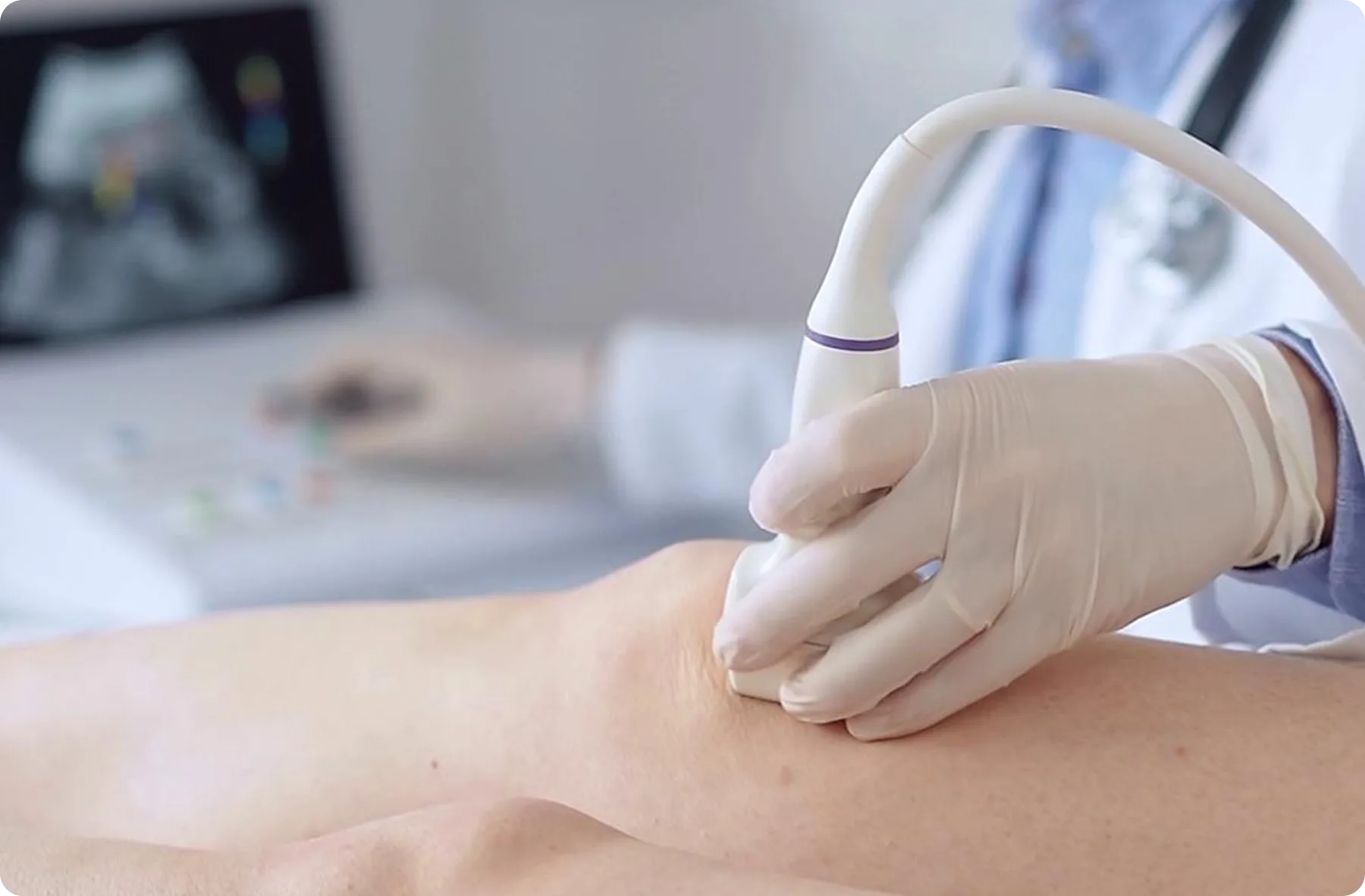
Dr. Booth begins with a targeted musculoskeletal evaluation, often using ultrasound or MRI to identify the precise source of instability or pain.
He then matches the brace to the mechanical dysfunction, ensuring it complements natural movement rather than restricting it.
In some cases, bracing is combined with physical therapy or regenerative procedures for optimal long-term outcomes.
Learn more about knee diagnoses and knee symptoms.
Conservative Treatment Approach

Knee bracing is most effective when paired with other conservative therapies, such as:
-
Activity modification and rest
-
Ice or heat therapy
-
Weight management and nutrition optimization
-
Topical or oral medications
Dr. Booth carefully guides patients through brace fitting, duration, and wear schedule, emphasizing:
-
Regular skin checks for irritation
-
Consistent use during high-risk activities
-
Gradual transition off the brace as strength improves
When to Seek Care
If you experience persistent knee instability, repeated “giving way,” or pain during movement despite rest, professional evaluation is essential.
Over-the-counter braces may offer temporary relief, but incorrect brace selection or fit can worsen symptoms.
Dr. Booth’s precision-guided approach ensures the right support device is used for your unique anatomy and diagnosis.
Take the Next Step
Proper knee support can help you move confidently, stay active, and avoid surgery.
Get urgent care for these
- The knee cannot bear any weight after an injury
- Obvious deformity, or the kneecap is out of place
- A hot, swollen, red knee with fever
- Sudden severe swelling within minutes of an injury
These need assessment now, not an appointment next week. Go to an emergency department or call 911.
Common questions about knee pain