
Knee treatment
Why Dr. Booth Does Not Recommend Amniotic or Birth Tissue–Derived Injections | Elite Pain & Health – Oklahoma
Why Dr. Booth Does Not Recommend Amniotic or Birth Tissue–Derived Injections

In recent years, amniotic membrane, amniotic fluid, and birth tissue–derived injections have been heavily marketed as “stem cell” or “regenerative” solutions for joint pain and arthritis. These treatments promise dramatic results but often deliver overstated benefits and underdisclosed risks.
At Elite Pain & Health – Oklahoma, Dr. Keley John Booth, MD, takes a different, science-based approach.
After years of research and clinical observation, he does not recommend or perform amniotic or birth tissue–derived injections because:
-
They do not contain living stem cells as often advertised
-
Clinical data supporting their use is weak or inconsistent
-
The FDA has issued warnings against unapproved uses
-
Autologous options (using your own tissue) are safer, ethical, and more effective
Why These Products Sound Appealing—but Often Aren’t

Amniotic and birth tissue–derived products are collected from donated placental or umbilical tissues following healthy births.
While these tissues do contain natural growth factors and proteins, once they are processed, sterilized, and cryopreserved:
-
All living cells are destroyed
-
Potency and biologic activity vary widely between products
-
They cannot regenerate tissue the way your own cells (from PRP, BMC, or MFAT) can
Manufacturers often market these products as “stem cell therapies,” but this is biologically inaccurate and legally misleading.
The FDA prohibits labeling them as stem cell treatments or claiming they cure arthritis.
What the Evidence
Actually Shows

Current research on amniotic or birth tissue injections reveals:
-
Short-term anti-inflammatory benefit only, similar to a lubricant or corticosteroid shot
-
No proven regenerative effect on cartilage or bone
-
Wide variability in product composition and quality
-
High costs (often thousands of dollars per injection) without guaranteed results

In independent studies, PRP (platelet-rich plasma) and bone marrow concentrate (BMC) consistently outperform amniotic products for pain reduction and tissue recovery because they use your own active cells and growth factors.
Potential Risks and Ethical Concerns

Dr. Booth also emphasizes several important safety and ethical issues with these products:

FDA Oversight
Many commercial amniotic or “exosome” products are not FDA-approved for joint injection use.
Clinics that advertise them as “stem cell therapy” are violating FDA regulations.
Product Sterility & Source Variability
These are donor-derived tissues. While screened, variations in handling, storage, and processing can affect quality and sterility.

Lack of Standardization
There are no universal manufacturing or potency standards, meaning patients have no guarantee of consistency between batches.

Misleading Marketing
Patients are often told these are “stem cell” treatments or that they’ll “grow new cartilage.”
In reality, the biologic material contains no viable cells capable of regeneration.
Why Dr. Booth Prefers Proven Autologous Therapies
Dr. Booth’s treatment philosophy is grounded in biologic transparency, safety, and long-term results.
Rather than using donor-derived or commercial biologics, he recommends therapies that rely on your own living tissues because your body is the safest and most compatible healing source.
Safer, Evidence-Based Alternatives
Platelet-Rich
Plasma (PRP)
Uses your own blood’s growth factors to reduce inflammation and promote soft-tissue repair
Bone Marrow Concentrate (BMC)
Provides stem-cell-rich regenerative potential from your own bone marrow for deeper tissue repair.
Microfragmented Adipose Tissue (MFAT)
Delivers fat-derived regenerative cells in their natural matrix for joint cushioning and cartilage support.
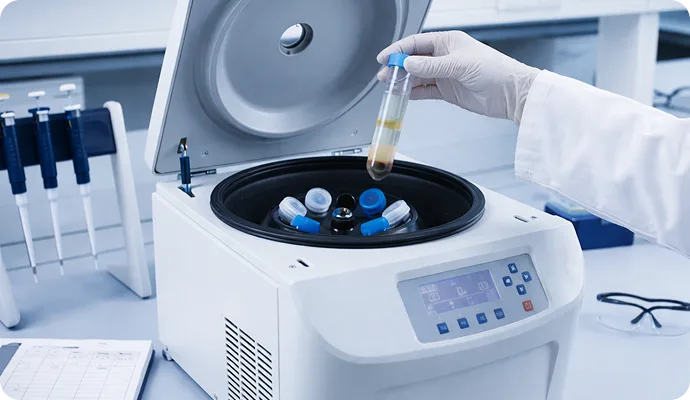
Each of these therapies is autologous, safe, minimally invasive, and image-guided performed under strict clinical protocols to maximize results while minimizing risk.
When Patients Should
Be Cautious
If you’ve been offered or are considering amniotic or exosome injections elsewhere, Dr. Booth recommends asking these questions first:
-
Is this product FDA-approved for orthopedic use?
-
Are there living cells in the preparation?
-
Can the clinic provide published, peer-reviewed studies supporting its claims?
-
What are the sterility and safety measures for donor tissue?
-
Why are autologous options (from my own body) not being discussed?

If clear, science-based answers aren’t provided, consider seeking a second opinion from a qualified interventional pain specialist.
Take the Next Step
If you’re exploring biologic treatments for knee pain, choose science over salesmanship.
Dr. Booth and the team at Elite Pain & Health – Oklahoma will help you navigate regenerative options safely and effectively.
Get urgent care for these
- The knee cannot bear any weight after an injury
- Obvious deformity, or the kneecap is out of place
- A hot, swollen, red knee with fever
- Sudden severe swelling within minutes of an injury
These need assessment now, not an appointment next week. Go to an emergency department or call 911.
Common questions about knee pain