
Knee treatment
Oral Prescription Medications for Knee Pain | Elite Pain & Health – Oklahoma
Oral Prescription Medications for Knee Pain

When knee pain becomes severe or persistent despite rest, bracing, and over-the-counter medications, your physician may recommend a short course of oral prescription medication. These treatments can reduce inflammation, calm acute flare-ups, and help restore mobility while the underlying condition is addressed.
At Elite Pain & Health – Oklahoma, Dr. Keley John Booth, MD prescribes these medications carefully and selectively focusing on short-term relief, safety, and non-surgical outcomes. His goal is to manage pain effectively while identifying and treating the source through guided, minimally invasive, or regenerative methods.
Supplements & Nutraceuticals for Knee Pain

When it comes to managing knee pain, many patients seek natural, non-pharmaceutical options to complement conservative treatments. Supplements and nutraceuticals nutrient-based compounds with therapeutic benefits can support joint health, reduce inflammation, and enhance cartilage repair.
At Elite Pain & Health – Oklahoma, Dr. Keley John Booth, MD, incorporates science-backed nutritional therapies as part of a comprehensive, non-surgical approach. His focus is on evidence-based supplementation, paired with proper diagnosis, physical therapy, and lifestyle optimization to protect the knee and promote long-term mobility.
Why It Happens

Prescription medications can target inflammation and pain that standard over-the-counter options can’t fully control. They help break the pain cycle so that rehabilitation, physical therapy, and movement correction can begin.
The main categories include:

-
Prescription-strength NSAIDs (nonsteroidal anti-inflammatory drugs)
-
Short-course corticosteroids (oral anti-inflammatories)
-
Short-term analgesics (pain relievers for acute flare-ups)
-
Adjunct medications for nerve-related or chronic inflammatory pain
These are never a “long-term fix,” but they play a crucial role in calming inflammation and restoring function early in the recovery process.
What It Feels Like

When used correctly, these medications typically bring:
-
Noticeable pain relief within a few hours to days
-
Less stiffness and swelling, especially in the morning
-
Easier mobility and improved function during therapy
Dr. Booth’s approach emphasizes the lowest effective dose for the shortest necessary duration, reducing risk while maximizing benefit.

How It’s Diagnosed

Before prescribing, Dr. Booth conducts a comprehensive evaluation that includes:
-
Detailed medical history and medication review
-
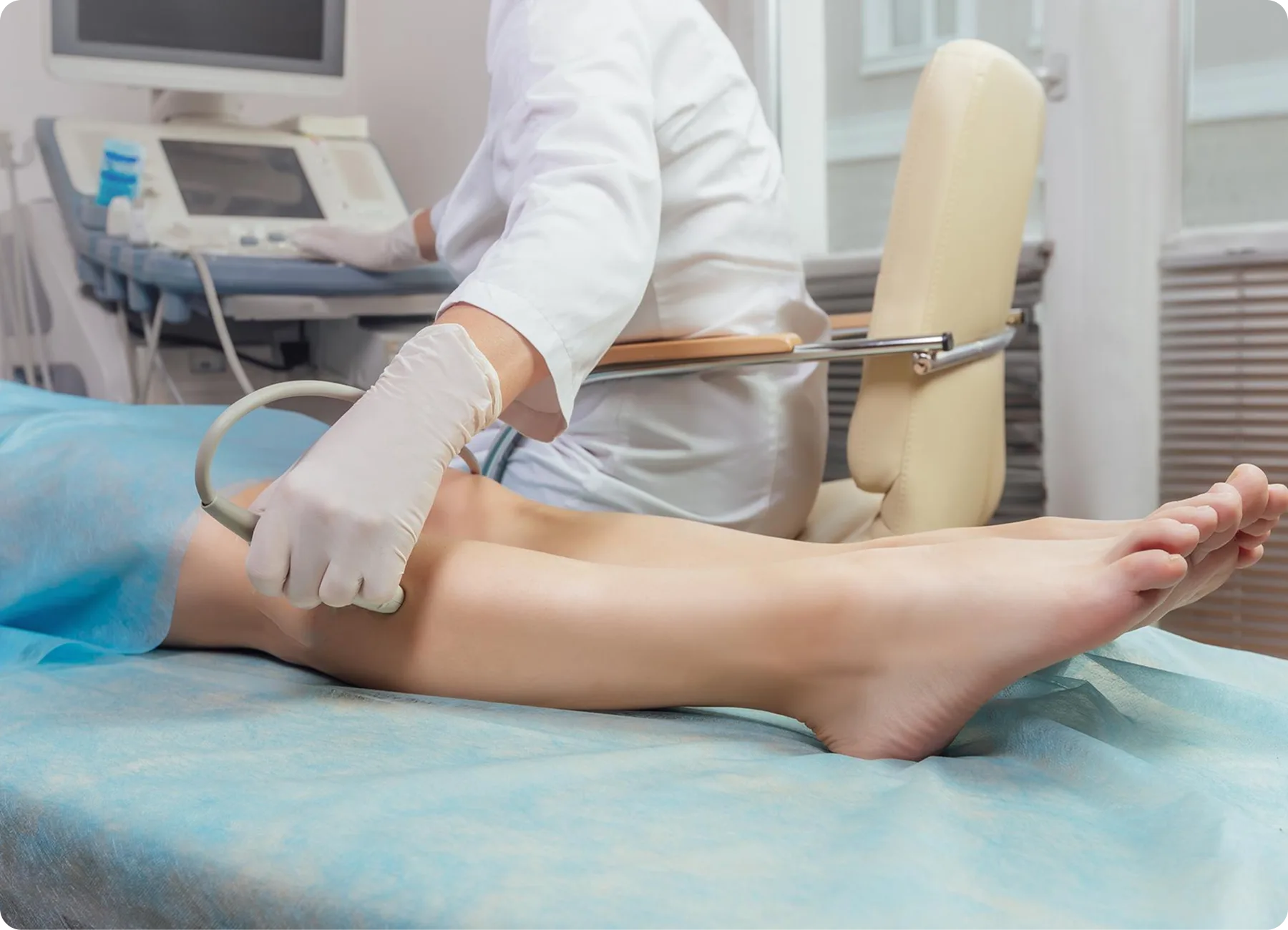
Diagnostic imaging (ultrasound or MRI) to confirm the pain source
-
Lab testing, if needed, to assess inflammation or potential side effects
-
Identification of risk factors (stomach, kidney, or heart conditions)
This precision ensures that prescription medications are part of a targeted, stepwise plan, not a one-size-fits-all approach.
Learn more about knee diagnoses and knee symptoms.
Conservative Treatment Approach
Prescription medications are typically Phase 2 in Dr. Booth’s conservative knee pain protocol used when first-line measures (like activity modification, ice/heat therapy, or over-the-counter NSAIDs) are insufficient.

Prescription NSAIDs
Examples: Celecoxib (Celebrex®), Meloxicam (Mobic®), Diclofenac (Voltaren® tablets)
-
Target inflammation deeper in the joint.
-
Used for arthritis flare-ups or tendinitis.
-
Require stomach and kidney monitoring with prolonged use.

Corticosteroids (Short Oral Courses)
Examples: Prednisone, Medrol Dosepak®
-
Potent anti-inflammatories that calm acute flare-ups rapidly.
-
Typically prescribed for 5–10 days only.
-
Help reduce swelling in conditions like bursitis or inflammatory arthritis.

Short-Term Analgesics
Examples: Tramadol, Acetaminophen with codeine (Tylenol #3)
-
Used sparingly for severe pain that limits function.
-
Usually prescribed for just a few days.
-
Never the primary long-term management tool.

Adjunct Medications
Examples: Duloxetine (Cymbalta®), Gabapentin (Neurontin®)
-
Sometimes used when nerve irritation or chronic pain persists.
-
Work on the central nervous system to modulate pain perception.
All prescriptions are closely monitored, and Dr. Booth frequently combines them with physical therapy, bracing, or image-guided interventions for durable improvement.
When to Seek Care
If knee pain remains significant despite standard care, worsens with movement, or disrupts sleep, prescription medication may help bridge the gap toward more definitive recovery.
Seek prompt evaluation if:
-
You experience swelling or warmth that worsens despite rest
-
Over-the-counter pain control is ineffective
-
Pain interferes with daily mobility or function
At Elite Pain & Health – Oklahoma, medication is just one step toward a long-term solution not a replacement for proper diagnosis or rehabilitation
Take the Next Step
Short-term prescription medications can relieve severe knee pain and help you stay active while avoiding surgery.
Get urgent care for these
- The knee cannot bear any weight after an injury
- Obvious deformity, or the kneecap is out of place
- A hot, swollen, red knee with fever
- Sudden severe swelling within minutes of an injury
These need assessment now, not an appointment next week. Go to an emergency department or call 911.
Common questions about knee pain