
Knee treatment
Corticosteroid Injections for Knee Pain | Elite Pain & Health – Oklahoma
Corticosteroid Injections for Knee Pain

Elite Pain & Health – Oklahoma
When knee pain flares from inflammation or arthritis, moving freely can feel impossible. At Elite Pain & Health, Dr. Keley John Booth, MD offers targeted, image-guided corticosteroid injections to provide short-term relief and restore mobility safely and conservatively.
Corticosteroid injections are not a cure for arthritis or injury, but when used appropriately, they can quiet inflammation, reduce swelling, and help patients progress with physical therapy or daily function. Dr. Booth emphasizes precise dosing and technique typically avoiding repetitive injections to maximize benefit while minimizing risks to cartilage and joint health
Why It Helps

Inflammation is often the main cause of pain and stiffness in knee conditions such as:
-
Osteoarthritis
-
Synovitis (joint lining inflammation)
-
Meniscal irritation or post-injury flare-ups

Corticosteroids are powerful anti-inflammatory medications that can quickly calm this irritation when delivered directly into the joint. By reducing inflammation:
-
Pain decreases
-
Swelling subsides
-
Range of motion improves
-
Rehabilitation becomes more comfortable and effective
Unlike oral medications, localized injections act directly at the source, offering targeted relief with fewer systemic side effects.
How the Injection Is Performed
Dr. Booth performs all knee injections using sterile technique and image guidance (ultrasound or fluoroscopy) to ensure accuracy and patient safety.
Step-by-step Overview:
-
The skin is cleansed and locally anesthetized.
-
Using real-time imaging, a fine needle is guided precisely into the inflamed joint space.
-
A small amount of corticosteroid, often combined with a local anesthetic, is injected.
-
The procedure takes only a few minutes and requires no downtime.
Patients typically notice pain relief within 24–72 hours*, lasting anywhere from* several weeks to a few months depending on the condition and activity level.
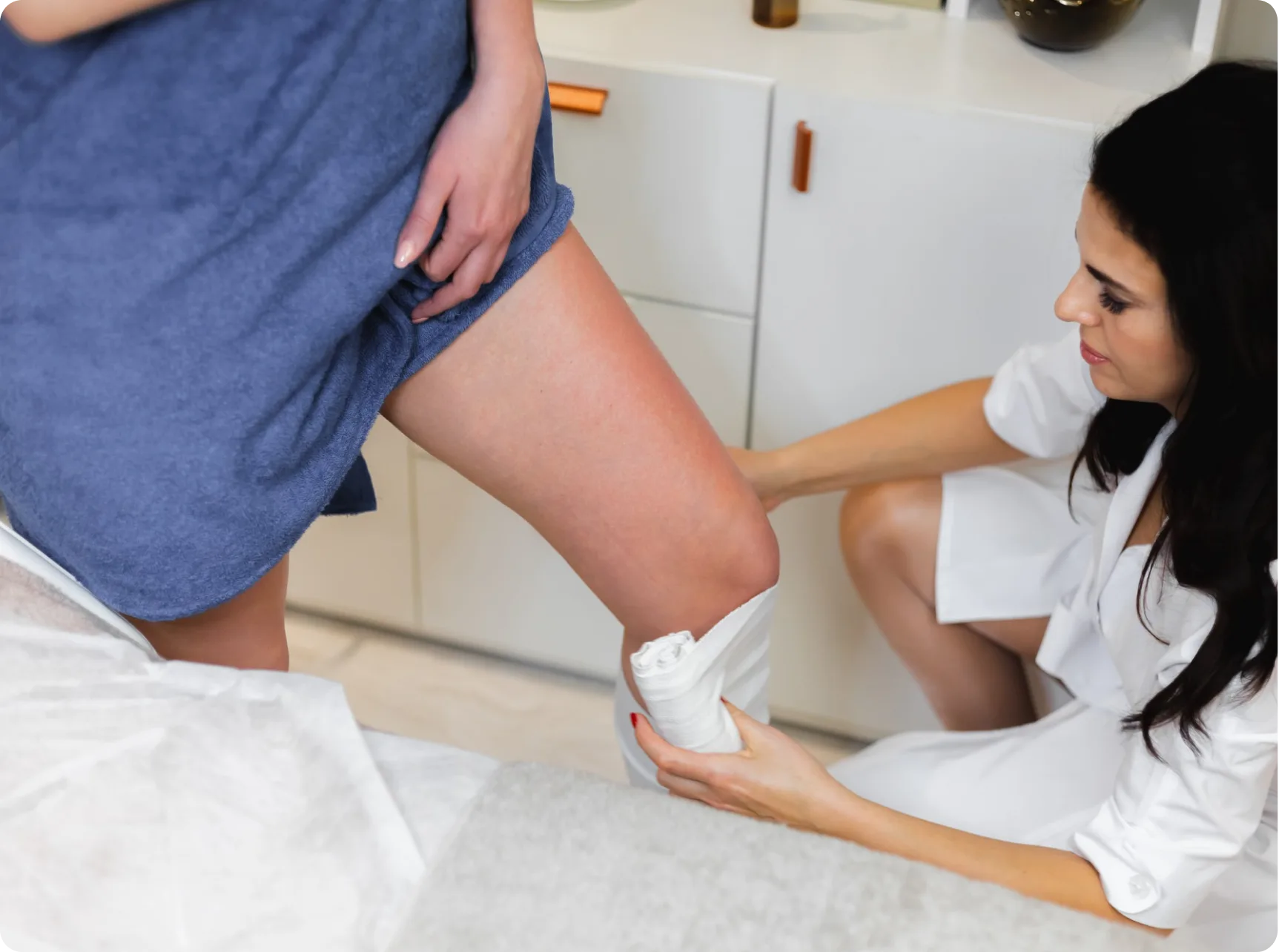

Dr. Booth’s Conservative Approach

While corticosteroids can be highly effective, repeated or excessive use may weaken cartilage and soft tissue.
For this reason, Dr. Booth typically recommends:
-
Single-dose or infrequent injections (no more than 3 per year in one joint)
-
Combining injections with rehabilitation to address the root cause of pain
-
Using image-guided precision to maximize safety and minimize medication spread
His philosophy centers on reducing inflammation early, restoring function, and progressing patients toward sustainable, non-surgical recovery.
What to Expect in a Rehabilitation Program

Your program begins with a thorough assessment by Dr. Booth’s team to evaluate flexibility, gait, posture, and muscle balance. From there, a customized plan is developed including:
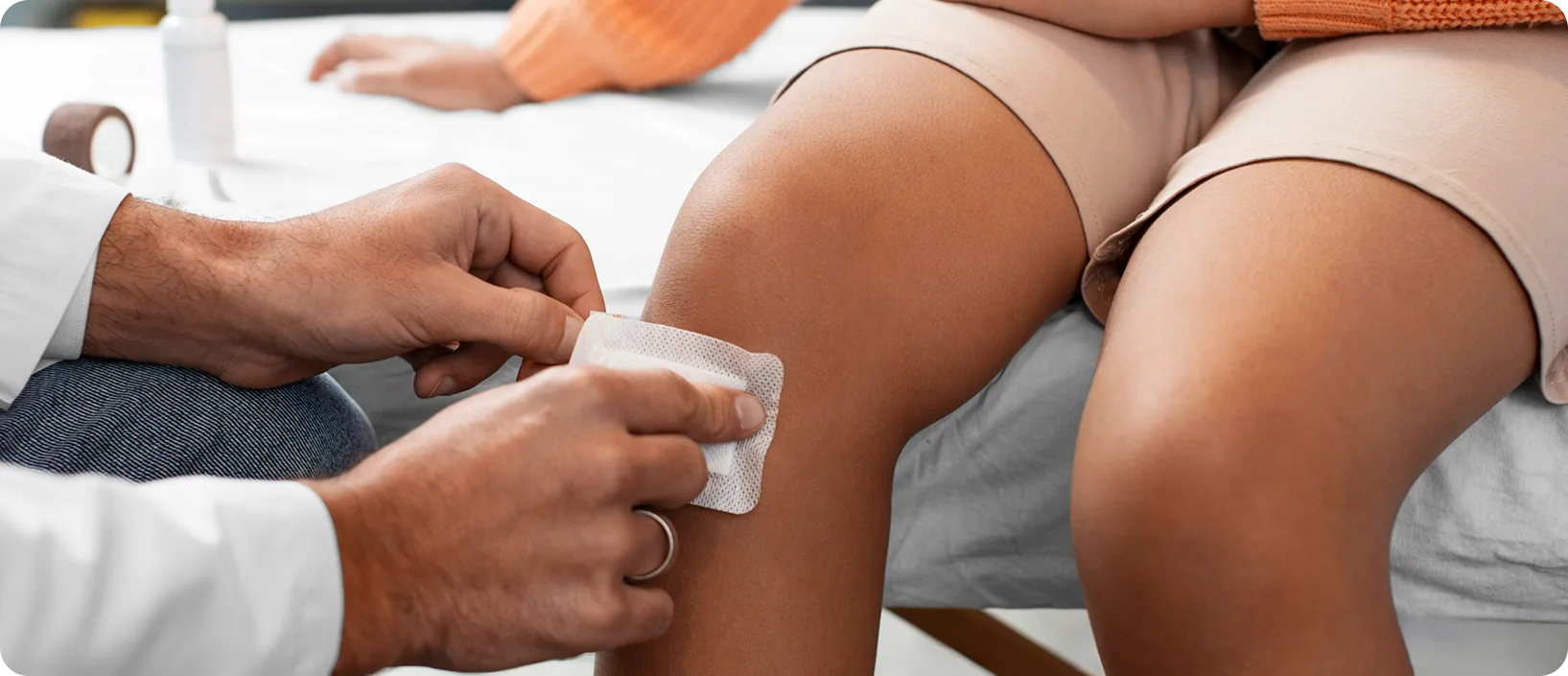
What to Expect After Treatment
-
Immediate numbness may occur due to local anesthetic.
-
Pain relief typically begins within a few days.
-
Mild soreness or swelling may occur briefly at the injection site.
-
You can resume light activity immediately, but avoid heavy exertion for 24–48 hours.
As pain improves, Dr. Booth’s team often recommends guided physical therapy to maintain motion and strengthen supportive muscles a critical step to prevent recurrence.

When to Consider Corticosteroid Injection
You may be a candidate if you have:
-
Osteoarthritis with swelling or limited mobility
-
Acute inflammatory flare-ups
-
Pain not relieved by rest, medication, or therapy
-
Post-procedure or post-injury inflammation
Patients who respond well often use corticosteroid injections as a bridge to rehabilitation, not as a long-term solution.
When to Seek Professional Care
If knee pain lasts more than two weeks or interferes with daily life, seek evaluation before symptoms worsen.
Dr. Booth’s image-guided assessment helps determine whether inflammation, cartilage wear, or mechanical imbalance is the true cause of pain ensuring treatment targets the right source.
Take the Next Step
Corticosteroid injections are one of many tools in Dr. Booth’s stepwise, non-surgical approach to knee pain management.
Get urgent care for these
- The knee cannot bear any weight after an injury
- Obvious deformity, or the kneecap is out of place
- A hot, swollen, red knee with fever
- Sudden severe swelling within minutes of an injury
These need assessment now, not an appointment next week. Go to an emergency department or call 911.
Common questions about knee pain