
Knee treatment
Bone Marrow Aspirate Concentrate (BMAC) for Bone Augmentation & Intraosseous Injections | Elite Pain & Health – Oklahoma
Bone Marrow Aspirate Concentrate (BMAC) for Bone Augmentation & Intraosseous Injections

For patients with advanced arthritis, subchondral bone damage, or chronic knee pain unresponsive to standard therapies, bone marrow aspirate concentrate (BMAC) injections offer a next-generation regenerative option.
At Elite Pain & Health – Oklahoma, Dr. Keley John Booth, MD uses image-guided intraosseous BMAC therapy to deliver your body’s own stem-cell-rich bone marrow directly into the damaged bone and joint interface. This procedure helps repair subchondral microfractures, improve joint stability, and restore function naturally and without surgery.
Why It Helps

BMAC contains a concentrated blend of mesenchymal stem cells (MSCs), hematopoietic progenitor cells, platelets, and bioactive growth factors the body’s natural tools for regeneration.
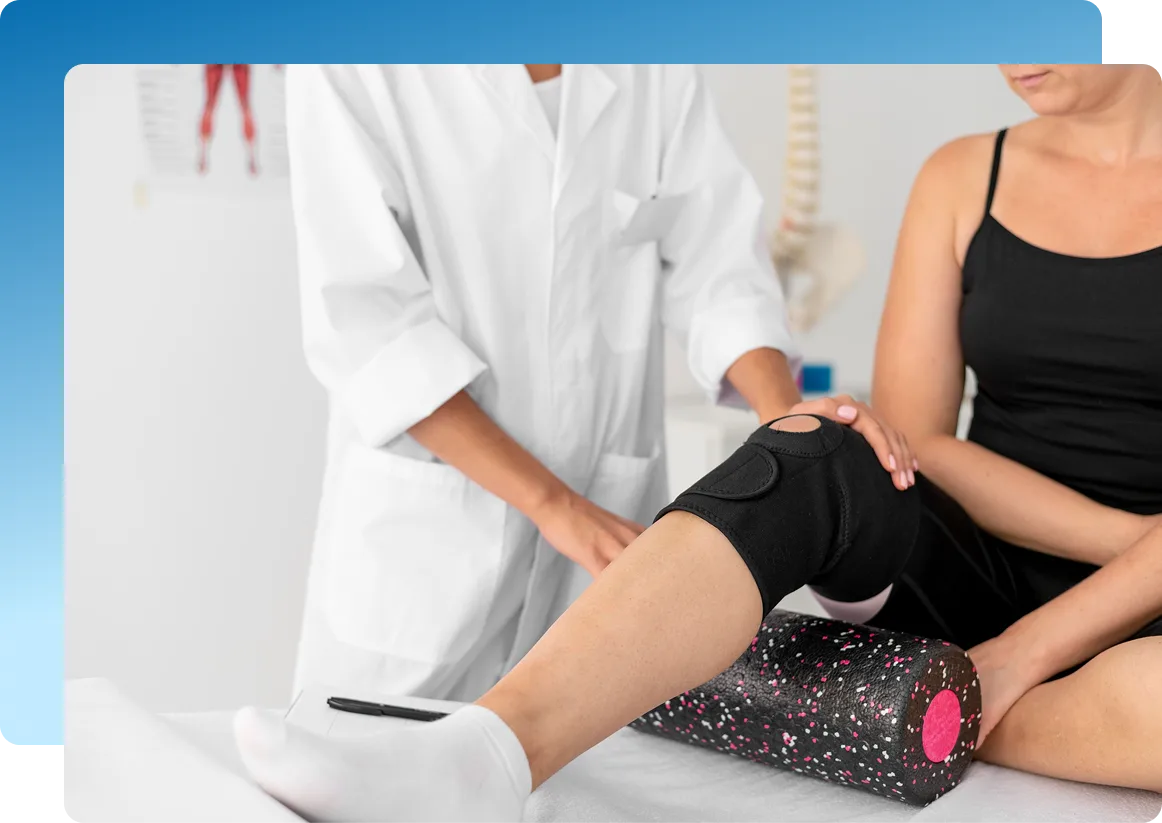
When injected into areas of bone and cartilage degeneration, these cells trigger biological healing processes that:
-
Stimulate bone and cartilage regeneration
-
Reduce inflammatory cytokines responsible for arthritis pain
-
Enhance oxygen and nutrient delivery to damaged bone
-
Stabilize microfractures beneath cartilage (subchondral bone)
-
Delay or prevent progression to joint replacement
This biologic restoration approach can be particularly effective for advanced osteoarthritis, osteonecrosis (bone death), meniscal root injuries, and chronic bone marrow edema seen on MRI.
What to Expect

The BMAC procedure is performed in-office under sterile, image-guided conditions and typically lasts about 90 minutes.
Step-by-Step Process
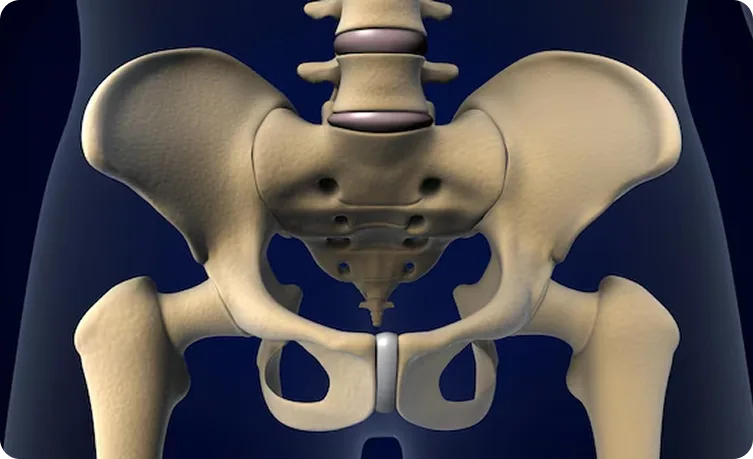
Bone Marrow Harvesting
Under local anesthesia, a small sample of bone marrow is aspirated from the pelvic bone (iliac crest).
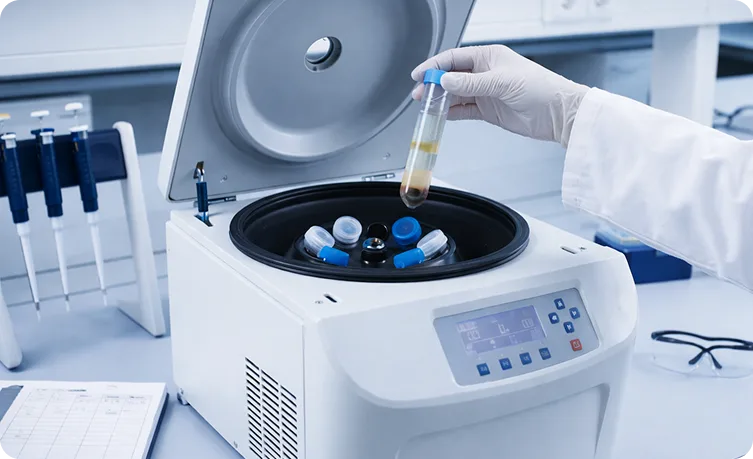
Concentration
The sample is centrifuged to isolate regenerative components stem cells, platelets, and growth factors into a potent concentrate.
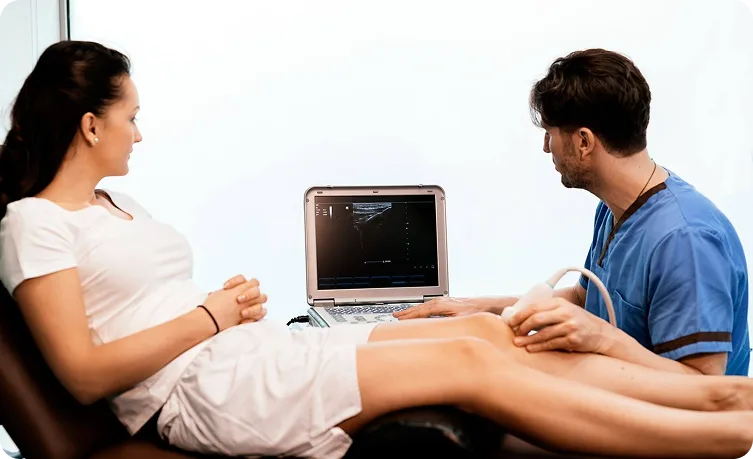
Intraosseous Injection
Using fluoroscopic or ultrasound guidance, Dr. Booth precisely injects the BMAC into the subchondral bone or affected cartilage zones.

Recovery
Patients typically go home the same day and may experience mild soreness for 1–2 days at the harvest site or injection area.
The procedure is safe, minimally invasive, and requires no general anesthesia.
How It’s Diagnosed

Before considering BMAC therapy, Dr. Booth performs a comprehensive musculoskeletal evaluation that includes:

-
MRI imaging to identify bone marrow lesions, cartilage thinning, or subchondral fractures
-
Dynamic ultrasound for soft-tissue assessment
-
Early to moderate knee osteoarthritis
-
Physical exam and mechanical analysis to evaluate load-bearing patterns
-
Review of previous biologic treatments such as PRP or BMC
This ensures the biologic concentrate is delivered precisely where regeneration is most needed.
Learn more about knee diagnoses and knee symptoms.
Treatment Process and Recovery
BMAC is often used as an advanced regenerative step following PRP or bone marrow concentrate (BMC) therapy when deeper bone regeneration is required.
Aftercare Guidelines
-
Avoid NSAIDs for 2 weeks before and after the procedure.
-
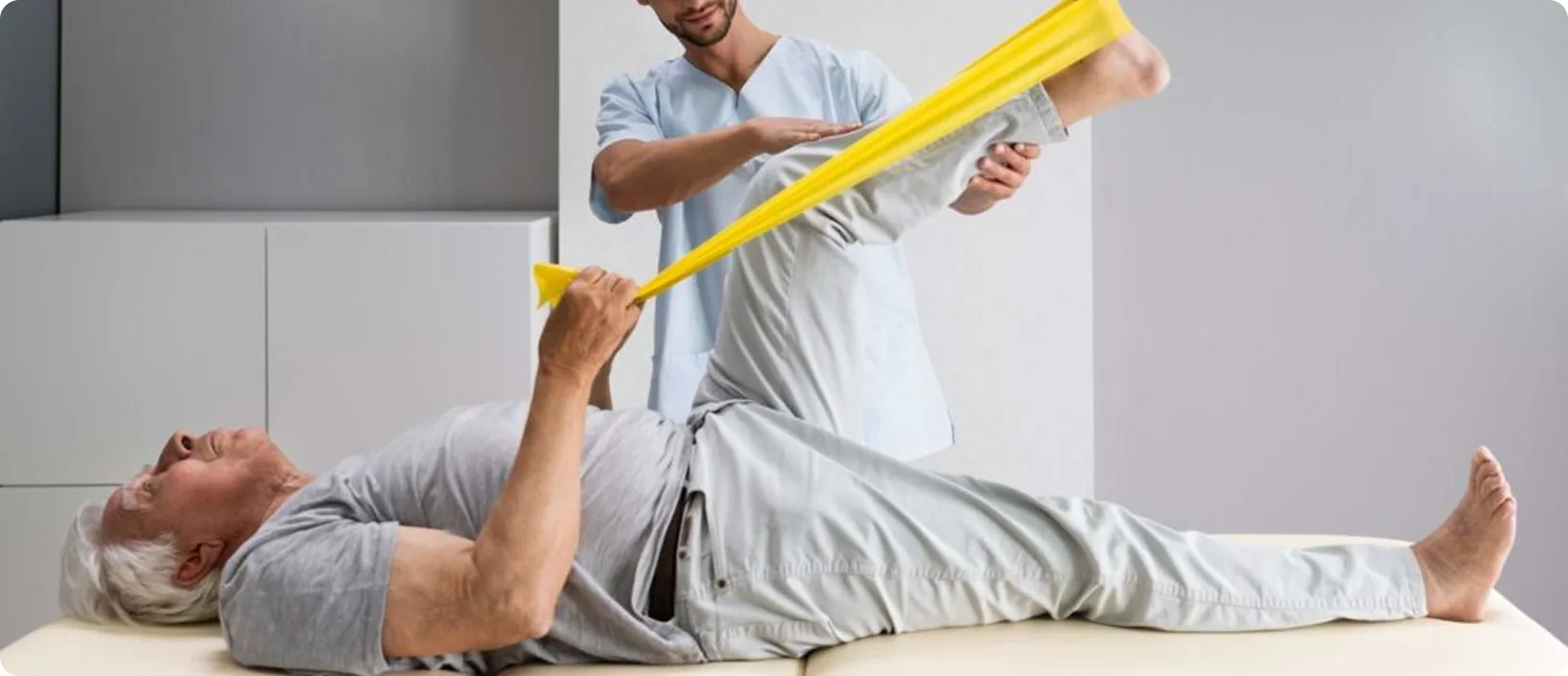
Rest the treated limb for 48 hours, then begin gentle range-of-motion exercises.
-
Resume physical therapy after 5–7 days.
-
Expect gradual improvement over 2–6 months as bone remodeling occurs.

Results You Can Expect
-
Decreased deep, aching bone pain
-
Improved weight-bearing tolerance
-
Enhanced cartilage and bone density on follow-up imaging
-
Potential delay of knee replacement for 1–3 years or longer

When to Seek Care
BMAC therapy may be appropriate if you:
-
Have moderate-to-severe arthritis with underlying bone marrow lesions
-
Suffer from osteonecrosis or cartilage loss seen on MRI
-
Have not responded to PRP, HA, or corticosteroid injections
-
Want to avoid joint replacement through biologic healing
At Elite Pain & Health – Oklahoma, image-guided delivery ensures precision targeting of the regenerative cell mixture into the precise bone region in need of healing.
Take the Next Step
Don’t ignore persistent swelling it’s your knee’s way of asking for attention. With precise diagnosis and targeted, non-surgical care, you can get back to movement and comfort faster.
Get urgent care for these
- The knee cannot bear any weight after an injury
- Obvious deformity, or the kneecap is out of place
- A hot, swollen, red knee with fever
- Sudden severe swelling within minutes of an injury
These need assessment now, not an appointment next week. Go to an emergency department or call 911.
Common questions about knee pain