
Knee treatment
Assistive Modalities for Knee Pain | Elite Pain & Health – Oklahoma
Assistive Modalities for Knee Pain

Persistent knee pain can make even simple activities like climbing stairs or getting up from a chair feel exhausting. While physical therapy restores strength and mobility, certain assistive modalities can significantly enhance pain relief, tissue healing, and recovery outcomes.
At Elite Pain & Health, Dr. Keley John Booth, MD, emphasizes a comprehensive, conservative approach that integrates evidence-based physical therapy with advanced therapeutic technologies. These assistive modalities such as TENS, ultrasound therapy, shockwave therapy (ESWT), and cryotherapy systems are used to reduce pain, improve circulation, and accelerate recovery, often helping patients delay or avoid surgical intervention.
Why Assistive Modalities Matter

Knee pain can arise from osteoarthritis, overuse injuries, tendinitis, or post-procedure inflammation. These conditions often cause muscle inhibition, swelling, and poor tissue healing.
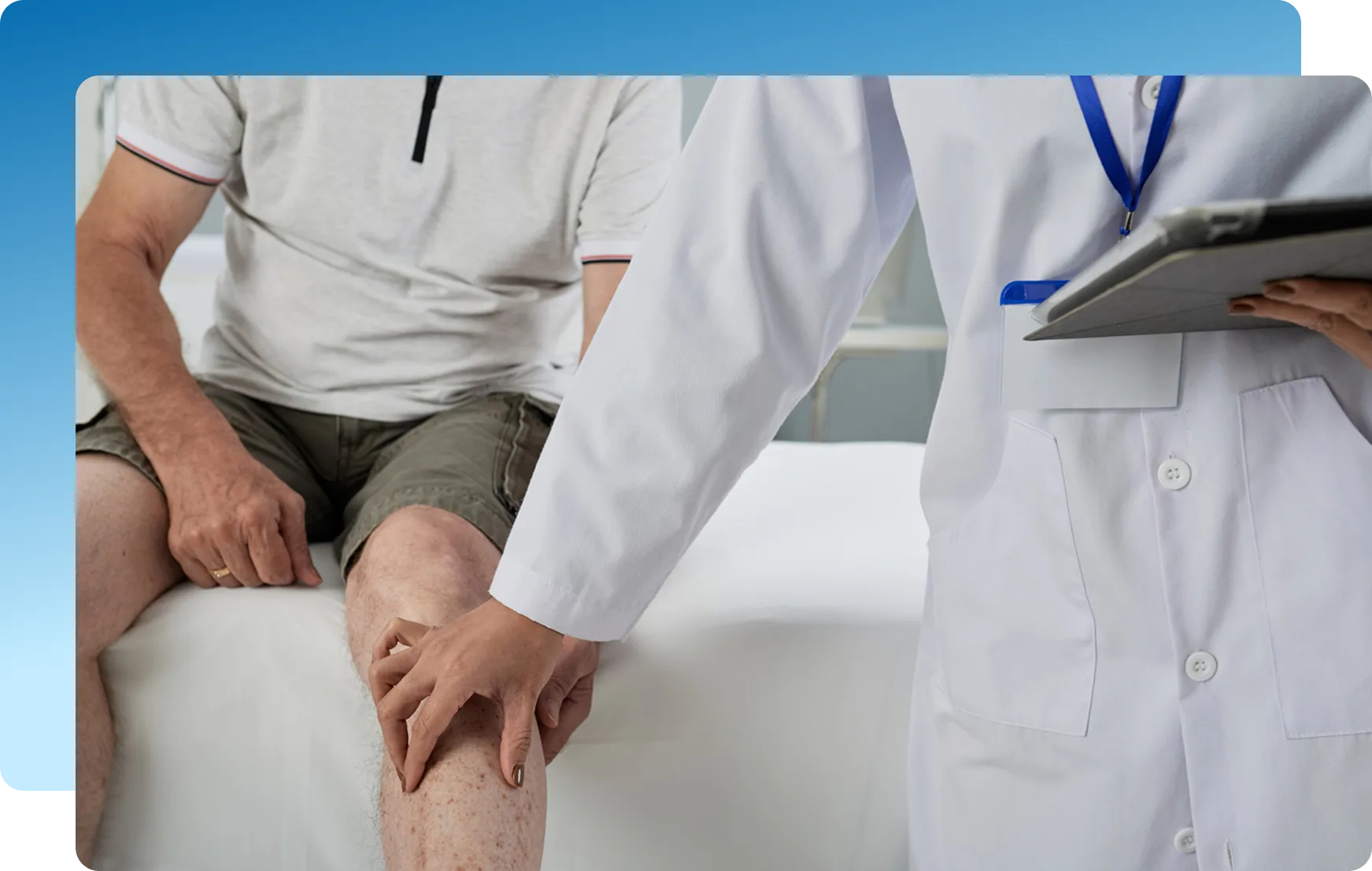
Assistive modalities provide targeted relief by:
-
Stimulating nerves to block pain signals
-
Enhancing blood flow and cellular regeneration
-
Breaking down scar tissue and adhesions
-
Reducing swelling and inflammation
By addressing pain and inflammation early, these tools allow patients to participate more fully in rehabilitation and regain function faster.
Key Modalities Used in Knee Rehabilitation

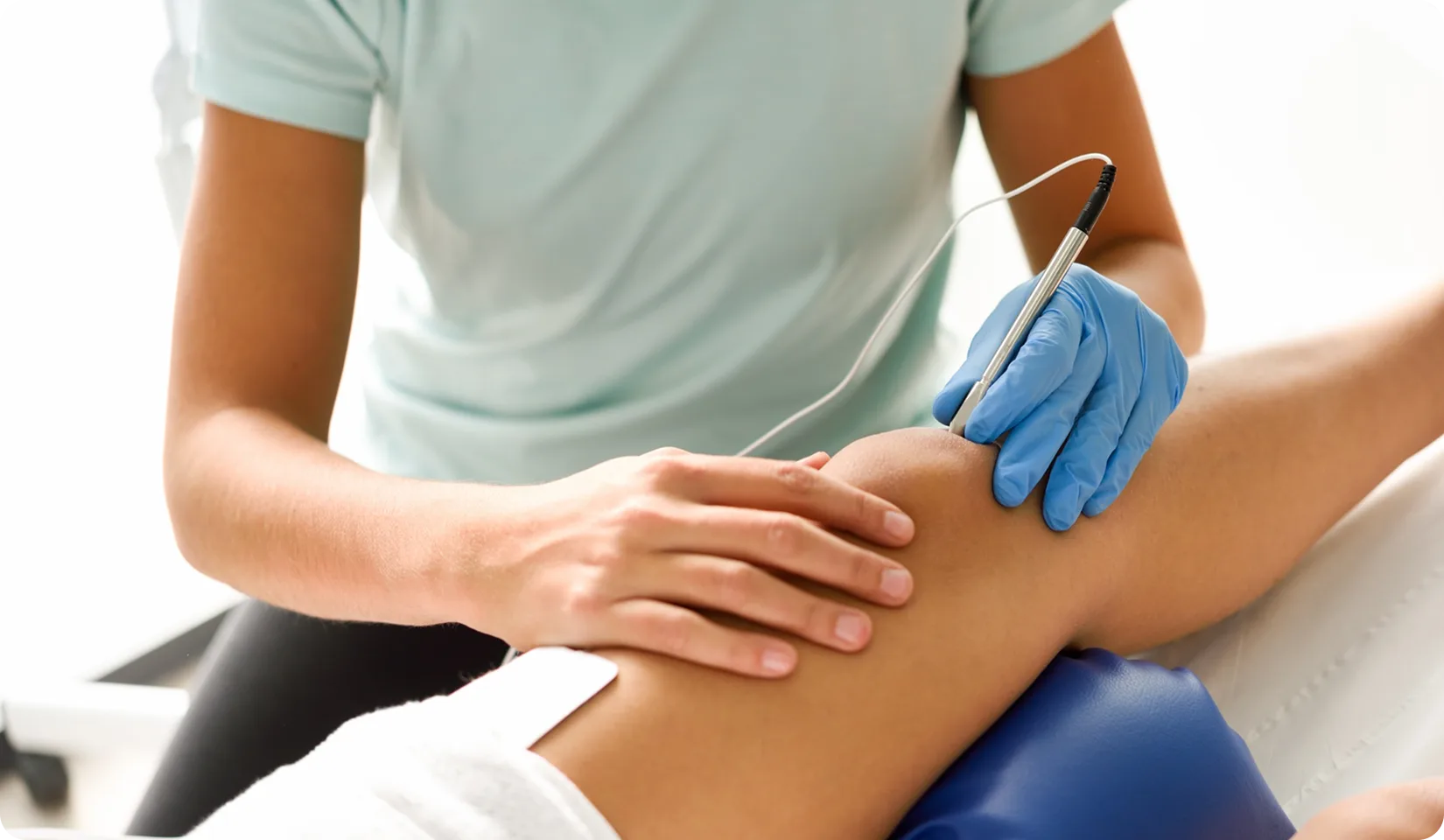
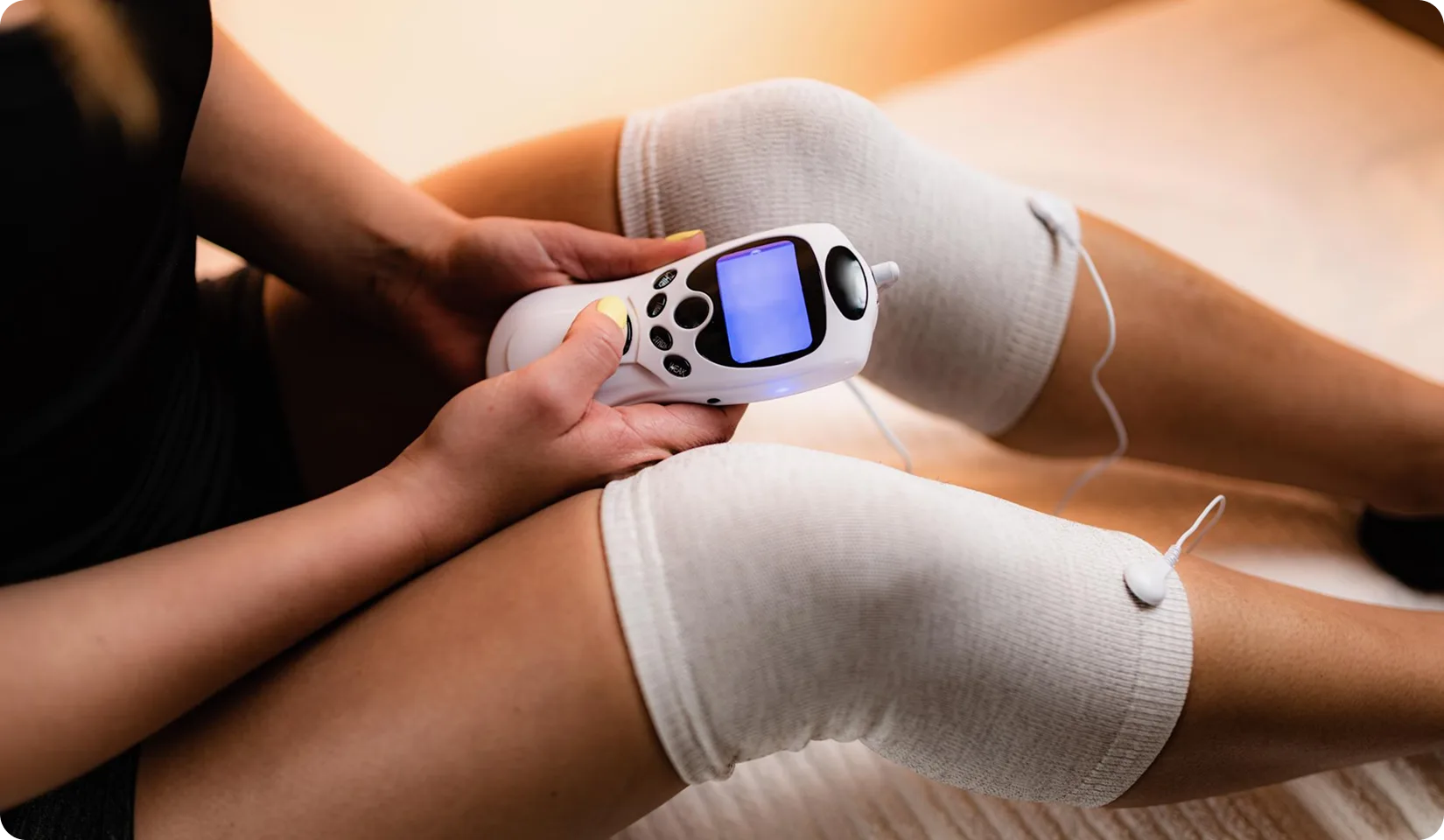
Transcutaneous Electrical Nerve Stimulation (TENS)
TENS therapy uses low-voltage electrical impulses to interrupt pain signals between the knee and brain.
-
Benefits: Decreases pain perception, improves circulation, and allows for more active therapy participation.
-
Applications: Common for osteoarthritis flares, chronic pain, or post-procedure recovery.
-
Safety: Comfortable, non-invasive, and well tolerated.
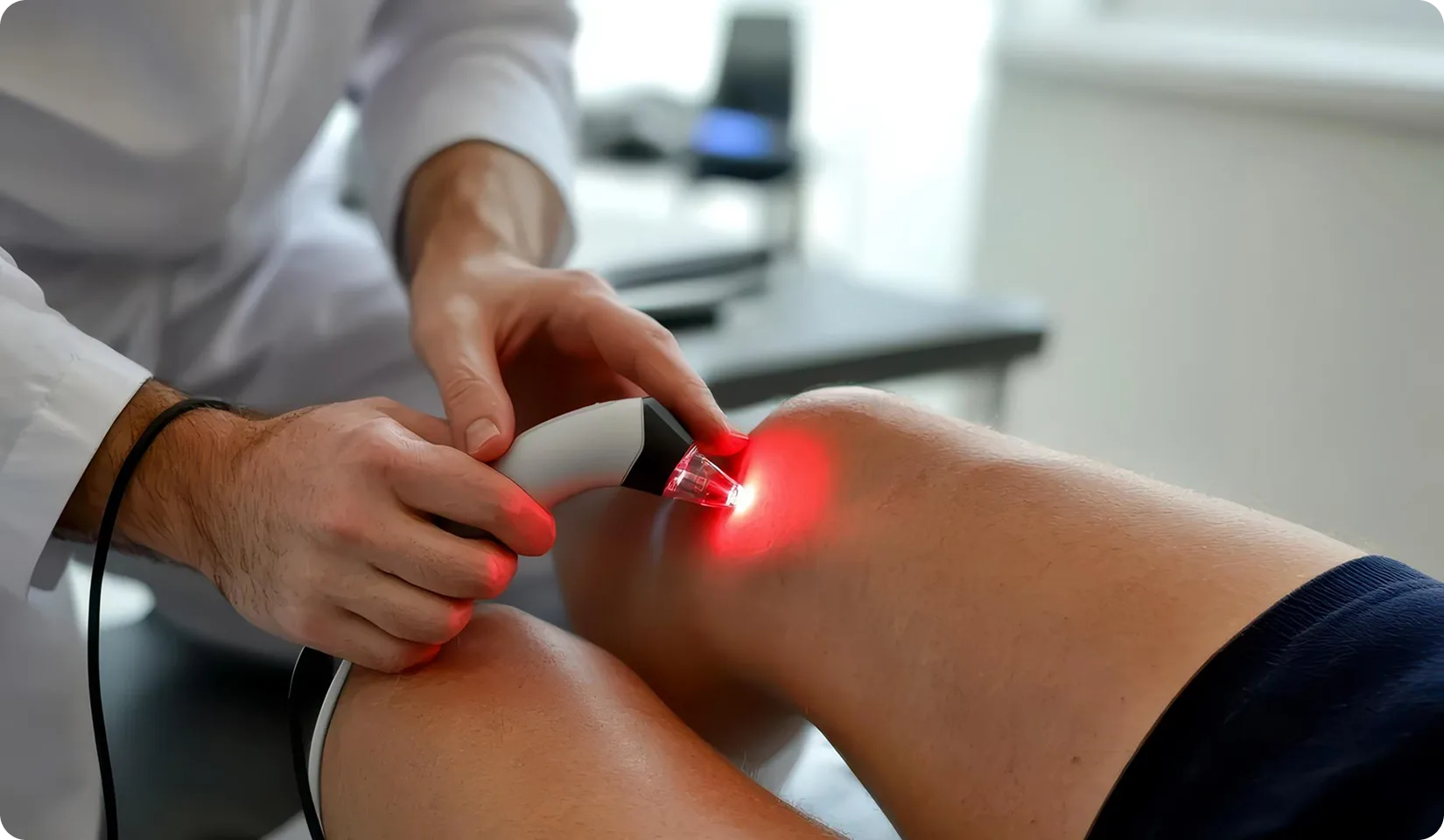
Therapeutic Ultrasound
Ultrasound therapy delivers sound waves deep into soft tissue, promoting microcirculation and collagen repair.
-
Benefits: Enhances healing of tendons, ligaments, and joint capsules.
-
Applications: Ideal for chronic inflammation, bursitis, and arthritic stiffness.
-
Technique: Gel-based applicator glides over the skin for gentle, localized treatment.
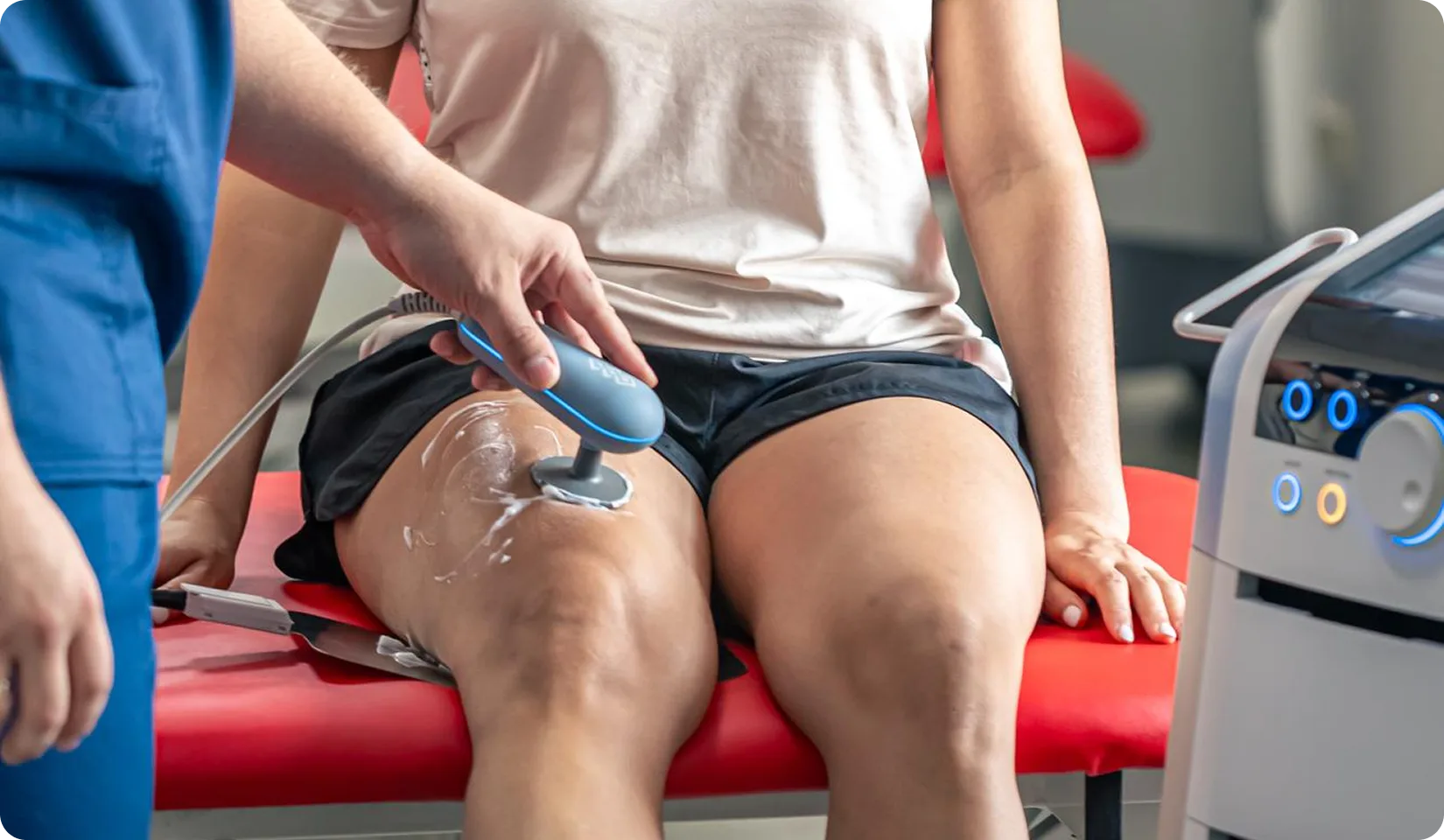
Shockwave Therapy (Extracorporeal Shockwave Therapy – ESWT)
ESWT uses high-energy acoustic pulses to stimulate natural healing in damaged tissues.
-
Benefits: Increases local blood flow, reduces calcifications, and triggers regenerative cellular activity.
-
Applications: Effective for chronic tendinitis, patellar tendinopathy (“jumper’s knee”), or early arthritic pain.
-
Evidence: Studies show ESWT can reduce pain scores and improve function in mild-to-moderate knee osteoarthritis.
Cryotherapy and Cryo-Compression Systems
Cold therapy reduces swelling, inflammation, and metabolic demand in injured tissues. Advanced cryo-compression systems combine cold with gentle pressure for superior results.
-
Benefits: Reduces joint inflammation, speeds recovery, and provides natural pain control.
-
Applications: Common after procedures, sprains, or flare-ups of osteoarthritis.
-
Home Use: Some systems are portable, allowing continued therapy between clinic sessions.
Integrating Modalities into Comprehensive Care

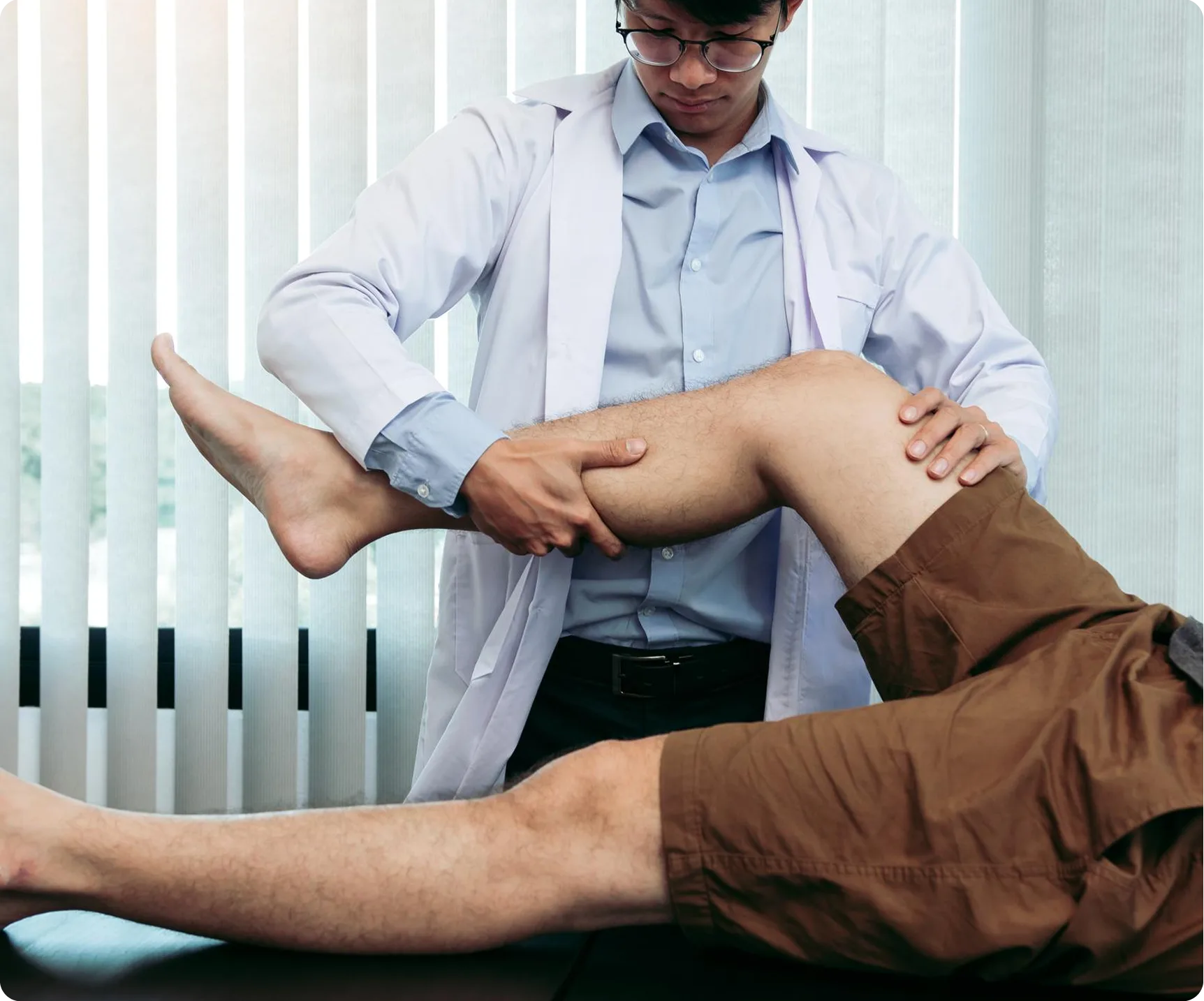
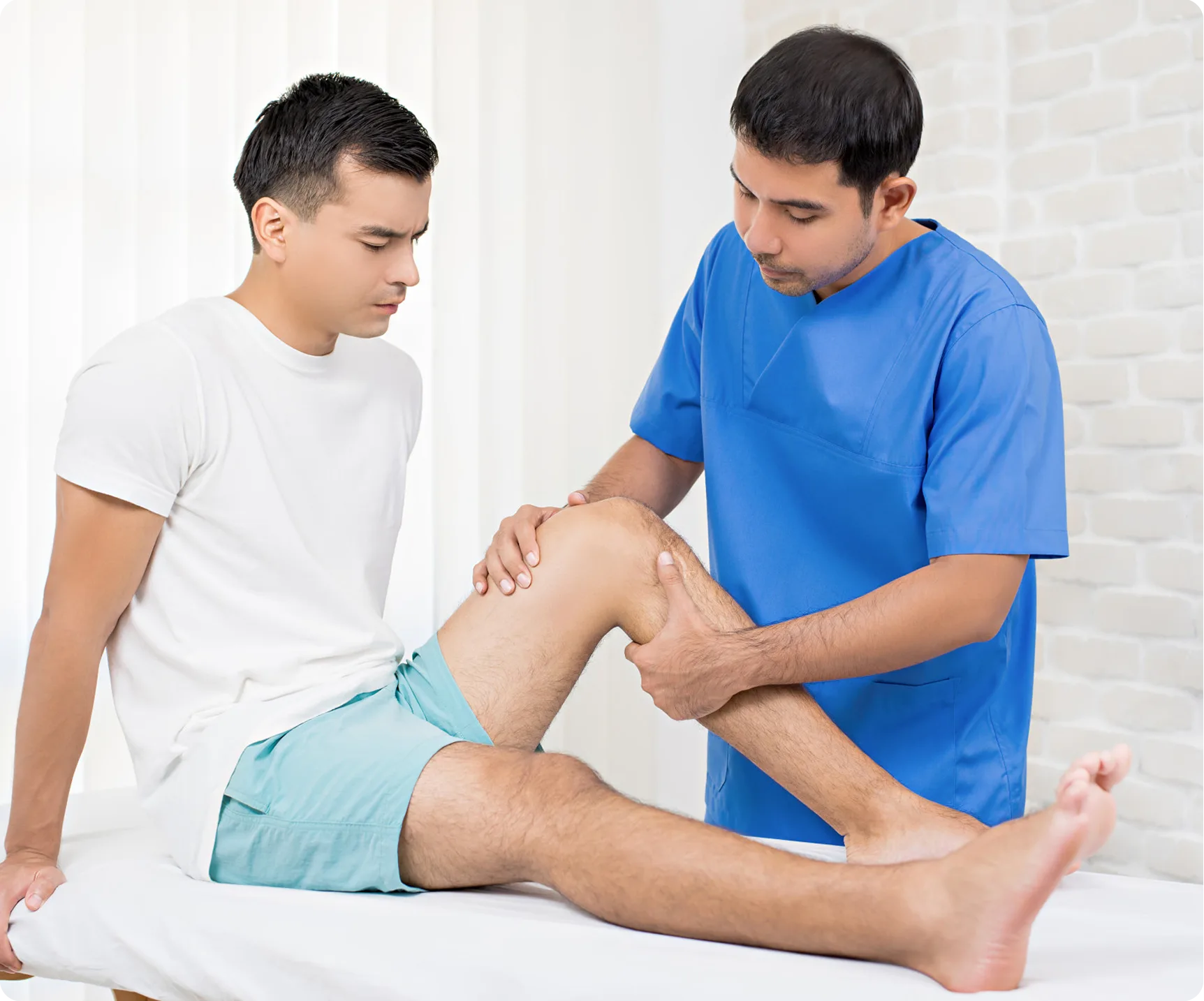
Dr. Booth’s philosophy emphasizes that assistive modalities work best as part of a broader treatment plan, not as isolated therapies. At Elite Pain & Health, these tools are used alongside:
-
Targeted physical therapy for strength and mobility
-
Image-guided diagnosis to identify the pain generator
-
Lifestyle and posture guidance to prevent recurrence
This integrated approach ensures both the symptom and the source of pain are addressed, promoting lasting recovery.
When to Consider These Treatments
You may be a candidate for assistive modalities if you experience:
-
Persistent knee pain despite rest or medication
-
Swelling or stiffness limiting your activity
-
Recovery challenges following a procedure or injury
-
Chronic degenerative changes on imaging (like arthritis)
These treatments can often bridge the gap between conservative therapy and invasive options, helping patients regain comfort and motion earlier.
When to Seek Professional Care
If knee pain continues to limit your walking, sleep, or daily comfort, early evaluation is essential. Dr. Booth can identify whether the source is joint degeneration, soft tissue inflammation, or nerve irritation and design a conservative plan combining rehabilitation and assistive modalities.
Take the Next Step
Discover the benefits of non-surgical knee pain relief through personalized, physician-supervised care.
Get urgent care for these
- The knee cannot bear any weight after an injury
- Obvious deformity, or the kneecap is out of place
- A hot, swollen, red knee with fever
- Sudden severe swelling within minutes of an injury
These need assessment now, not an appointment next week. Go to an emergency department or call 911.
Common questions about knee pain