
Minimally Invasive • Image-Guided
Relieve Neck Pain Without Surgery
Evidence-guided evaluation, diagnostics, and non-surgical options before invasive surgery. Book in minutes or refer a patient here.

Start here
Elite Cervical Studio
Explore your neck in 3D
See your neck from different angles and compare disc, bone, and joint changes. Mark areas you want to discuss with your care team.
Explore Cervical Studio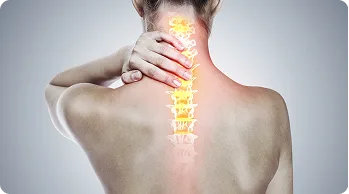

Symptoms
Start here if you know how it feels but not what it is.
- Neck Pain Radiating Down Your Arm | Elite Pain & Health – Oklahoma
- Neck Pain with Headaches: Understanding Cervicogenic Headache | Elite Pain & Health – Oklahoma
- Numbness and Tingling in Your Arms and Hands from Your Neck | Elite Pain & Health – Oklahoma
- Sharp, Burning Neck Pain with Shoulder Blade Pain | Elite Pain & Health – Oklahoma
- Stiff Neck and Limited Range of Motion | Elite Pain & Health – Oklahoma

Conditions & Diagnoses
Conditions we identify and confirm before treating.
- Cervical Facet Joint Syndrome | Elite Pain & Health – Oklahoma
- Cervical Instability & Ligament Laxity | Elite Pain & Health – Oklahoma
- Cervical Myelopathy (Spinal Cord Compression) | Elite Pain & Health – Oklahoma
- Cervical Radiculopathy | Elite Pain & Health – Oklahoma
- Cervical Spondylosis (Degenerative Disc Disease) | Elite Pain & Health – Oklahoma
- Cervical Whiplash Syndrome | Elite Pain & Health – Oklahoma
- Occipital Neuralgia (Cervicogenic Headache)
Treatments
Non-surgical options, from conservative care upward.
- Cervical Epidural Steroid Injection (CESI) | Elite Pain & Health – Oklahoma
- Cervical Facet Joint Injection | Elite Pain & Health – Oklahoma
- Cervical Medial Branch Block (MBB) | Elite Pain & Health – Oklahoma
- Cervical Radiofrequency Ablation (RFA) | Elite Pain & Health – Oklahoma
- Occipital Nerve Block for Headache Relief | Elite Pain & Health – Oklahoma
- Regenerative Orthobiologic Therapy (PRP / Cell-Based) for the Cervical Spine | Elite Pain & Health – Oklahoma
For referring clinicians
Same-week evaluations, image-guided diagnostics, and rapid feedback.
Get urgent care for these
- New weakness or clumsiness in the hands, or dropping objects
- Unsteady walking or a change in balance
- Loss of bladder or bowel control
- Neck pain with fever, or after a fall or collision
These need assessment now, not an appointment next week. Go to an emergency department or call 911.
Common questions
What causes radiating pain from the neck into the arm or fingers?It often comes from nerve irritation in the cervical spine.
Expanded Answer: When pain begins in the neck or shoulder blade and travels down the arm or into the fingers, a cervical nerve root is likely compressed or inflamed. Causes include disc bulge, foraminal narrowing, or facet arthritis. MRI or EMG testing can identify the involved level. Expected Recovery: Symptoms often improve with targeted image-guided injections, nerve blocks, or structured therapy.
What is the difference between a cervical facet injection and an epidural steroid injection?Facet injections target arthritic joints; epidurals focus on irritated nerves.
Expanded Answer: Facet joint injections deliver medication into small joints behind the neck to calm local pain. Epidural injections treat inflamed nerve roots that radiate pain into the arm. In some cases, both are used if arthritis and nerve inflammation coexist.
Why do I still have arm pain after cubital tunnel or ulnar nerve treatment?Multiple nerve regions can overlap, especially neck and elbow.
Expanded Answer: Persistent arm tingling or weakness may occur when compression exists at both the neck and elbow (“double-crush” effect). Imaging and nerve studies clarify which level contributes most. Combined treatment often achieves better long-term results.
What is a facet ablation (RFA), and how is it different from diagnostic blocks?Blocks identify the pain source; ablation stops the signal.
Expanded Answer: A medial branch block temporarily numbs small spinal nerves to confirm the pain origin. If successful, radiofrequency ablation uses heat to deactivate those nerves for 6–12 months, often reducing chronic neck or back pain.
How long does a radiofrequency ablation (RFA) last, and can it be repeated?Relief often lasts 6–12 months and can be safely repeated.
Expanded Answer: The nerves treated during RFA regenerate slowly, allowing extended relief from joint-related neck pain. Repeat procedures are effective when pain recurs. Consistent posture and mobility work help maintain results.
What are common causes of elbow tingling or hand numbness?Nerve compression at the elbow, wrist, or neck.
Expanded Answer: Tingling in the ring and little fingers usually comes from ulnar nerve pressure at the elbow, while numbness in the thumb and index finger may originate from the neck or wrist. Evaluating both cervical and peripheral nerve pathways ensures accurate treatment.
Can posture or workstation setup really affect neck and back pain?Yes.
Long-term posture habits are a major trigger. Expanded Answer: Prolonged screen time with forward head posture strains neck and upper-back joints. Ergonomic setup monitor at eye level, chair with lumbar support, and micro-breaks every 30 minutes reduces cumulative stress on cervical structures.
Can headaches come from tight muscles or joints in the neck?Yes.
Cervicogenic headaches start from neck tension or arthritis. Expanded Answer: Muscles attaching to the skull base can spasm from posture stress or joint arthritis, sending pain into the head or behind the eyes. Targeted physical therapy, posture correction, and facet joint treatment reduce frequency and intensity.
How do I know if my shoulder pain is from the rotator cuff or the neck?Shoulder pain from the neck often radiates; rotator cuff pain stays local.
Expanded Answer: Cervical nerve compression can mimic shoulder pain, especially near the shoulder blade or outer arm. Rotator cuff pain worsens with reaching overhead or lying on that side. Diagnostic imaging helps differentiate.
What does “loss of cervical lordosis” mean on an MRI?The natural neck curve has straightened from muscle spasm or posture.
Expanded Answer: The cervical spine normally has a gentle “C-shape.” Muscle tension from strain or injury can flatten that curve. This is usually reversible with therapy, stretching, and postural correction rather than surgery.
Why can shoulder pain return years after a prior neck or shoulder surgery?Degeneration or joint wear continues over time.
Expanded Answer: Even after a successful procedure, cervical discs and facet joints continue to age and may develop new inflammation. Scarring or altered mechanics can also refer pain to the shoulder region. Targeted injections or orthobiologic treatments can help restore balance.
Why does pain sometimes return after steroid injections wear off?The medication reduces inflammation but doesn’t repair tissue.
Expanded Answer: Corticosteroids calm irritated joints or nerves temporarily. The underlying issues arthritic changes, disc herniation, or muscular tension persist unless addressed through strengthening or regenerative care.
Why does pain sometimes worsen briefly after regenerative injections?Healing inflammation can temporarily increase sensitivity.
Expanded Answer: Orthobiologic procedures intentionally trigger controlled inflammation to stimulate healing. Mild soreness peaks around day 3 and improves within a week. Patients should avoid judging results too early, as true recovery evolves over weeks.
What is “cervical whiplash,” and how is it treated?It’s ligament and muscle strain from sudden neck motion.
Expanded Answer: Whiplash from a vehicle collision or fall overstretches soft tissues, causing stiffness, headaches, and dizziness. Early gentle motion and therapy promote recovery. Persistent cases may benefit from trigger-point or facet injections.
When should I seek emergency care after a neck or back injury?Sudden weakness, numbness, fever, or bladder/bowel changes.
Expanded Answer: Go to the ER immediately for severe pain with loss of strength, incontinence, or fever. These may indicate spinal cord compression, infection, or fracture requiring urgent treatment.