
Neck treatment
Cervical Epidural Steroid Injection (CESI) | Elite Pain & Health – Oklahoma
Cervical Epidural Steroid Injection (CESI)

If you’re experiencing pain that radiates from your neck down into your shoulder, arm, or hand, the cause is often a pinched or inflamed nerve root in the cervical spine. This condition known as cervical radiculopathy can make everyday movements painful and limit your ability to sleep or work comfortably.
A Cervical Epidural Steroid Injection (CESI) is a precise, image-guided, non-surgical procedure that delivers anti-inflammatory medication directly around the irritated nerve root. At Elite Pain & Health – Oklahoma, Dr. Keley John Booth uses fluoroscopic guidance to perform CESI with the highest accuracy and safety, helping patients reduce pain, restore function, and avoid unnecessary surgery.
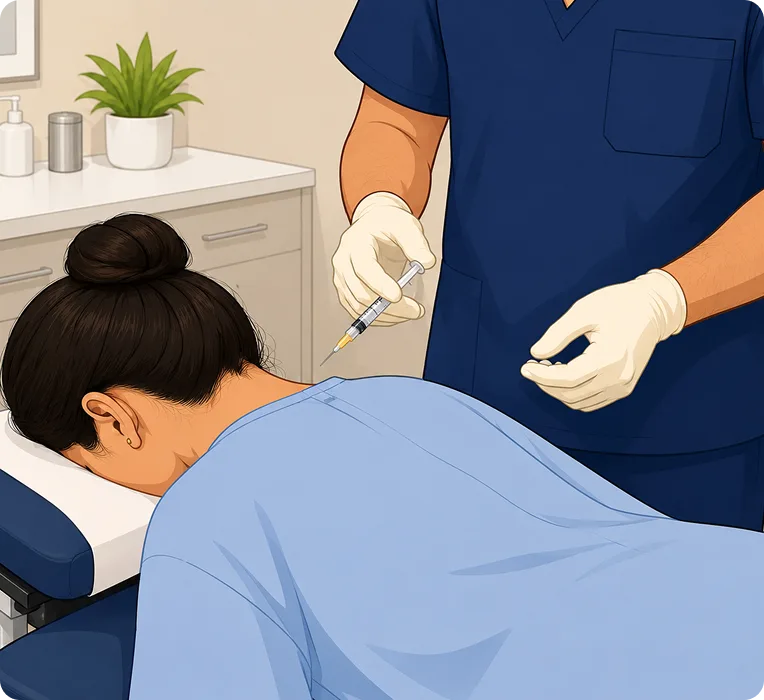
Why It Happens

The cervical spine protects the spinal cord while allowing a wide range of motion. Between each vertebra, spinal nerves exit through small openings called foramina to supply sensation and strength to the shoulders, arms, and hands.
When inflammation or compression occurs in these narrow spaces, it can cause pain, numbness, or weakness especially in the C5–C7 nerve roots.
Common causes include:

-
Herniated or bulging discs pressing on nerve roots
-
Degenerative disc disease causing foraminal narrowing
-
Bone spurs (osteophytes) from arthritis
-
Arthritis – degenerative (osteoarthritis) or inflammatory (rheumatoid) joint wear
-
Post-whiplash inflammation or scarring
-
Post-surgical nerve irritation after fusion or decompression
When these structures swell or tighten, the resulting nerve irritation can create shooting pain that radiates down the arm often mistaken for shoulder or carpal tunnel issues.
What It Feels Like

Symptoms of cervical nerve root inflammation can include:
-
Sharp, shooting pain from neck to shoulder or arm
-
Numbness, tingling, or burning in the arm or fingers
-
Weak grip or arm fatigue
-
Pain that worsens with neck movement
-
Sleep disturbance or posture-related pain
These symptoms may correspond to the affected nerve level:
-
C5–C6: pain into biceps, thumb, and index finger
-
C6–C7: pain into triceps and middle finger
-
C7–T1: pain into forearm or little finger

How It’s Diagnosed

Dr. Booth begins with a comprehensive evaluation, including:

-
Detailed medical history – injury mechanism, pain pattern, and symptom duration
-
Physical and neurologic exam – testing strength, reflexes, and sensation
-
Imaging studies – MRI or CT to visualize disc herniation or foraminal narrowing
-
Diagnostic injections – used when multiple potential pain sources exist
Once nerve compression is confirmed, a Cervical Epidural Steroid Injection may be recommended to reduce inflammation, calm nerve irritation, and allow healing.
How the Procedure Works
A cervical epidural injection delivers medication directly into the epidural space the area surrounding the spinal nerves and spinal cord.
-
Positioning: You’ll lie face down on a procedure table. The skin is cleaned and numbed with local anesthetic.
-
Fluoroscopic Guidance: Using live X-ray, Dr. Booth identifies the exact target area (often at C6–C7).
-
Epidural Access: A fine needle is gently advanced into the epidural space with precision.
-
Contrast Dye: A small amount of contrast confirms accurate placement.
-
Injection: A mixture of corticosteroid (anti-inflammatory) and local anesthetic is injected to reduce swelling and pain.
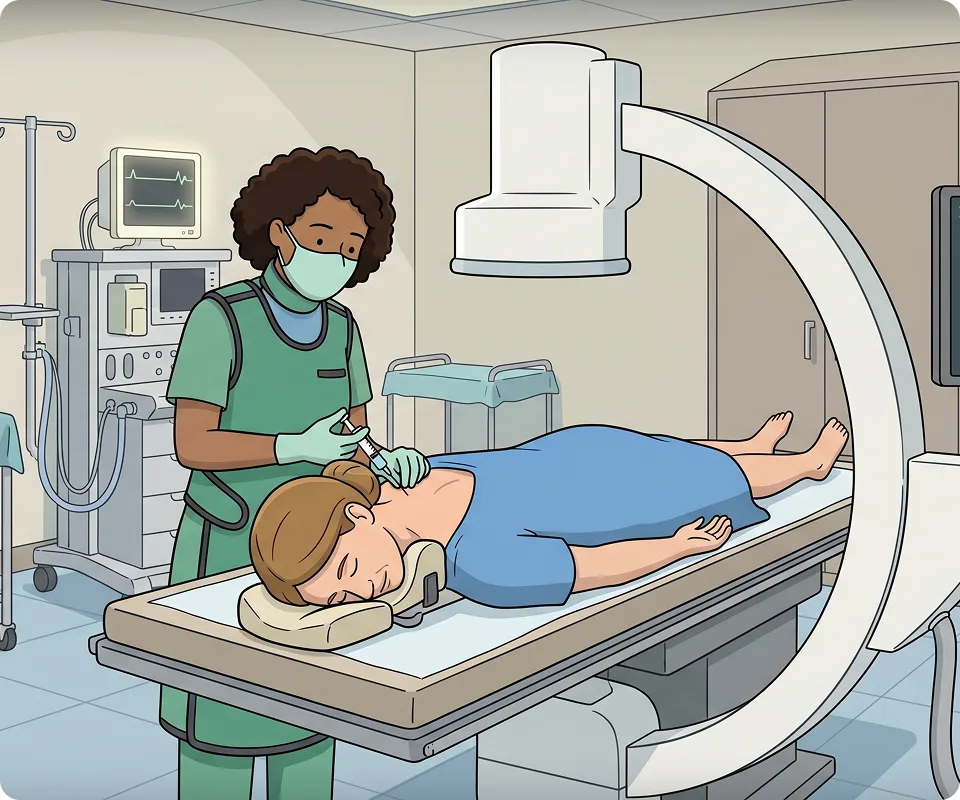
The entire procedure takes 10–15 minutes and is performed without general anesthesia.

Why It’s Effective
Cervical epidural injections treat the inflammatory component of nerve compression rather than just masking pain.
Key benefits include:
-
Rapid inflammation reduction around the nerve root
-
Improved nerve function (less tingling and weakness)
-
Reduced arm and shoulder pain
-
Enhanced ability to participate in physical therapy
-
Delay or avoidance of surgery in most patients
Many patients experience significant relief within 3–5 days, with peak improvement often seen over the following two weeks.
Recovery and Results
-
Post-procedure soreness may occur for 24–48 hours.
-
Pain relief develops gradually as inflammation decreases.
-
Patients typically resume light activity the next day.
-
Relief duration varies often lasting weeks to months, depending on severity and lifestyle factors.

In cases of severe inflammation or multi-level disease, a short series of 2–3 injections (spaced weeks apart) may be recommended for optimal results.
When to Seek Care
You may benefit from a Cervical Epidural Steroid Injection if you experience:
-
Radiating neck and arm pain
-
Numbness or tingling in the hand or fingers
-
Weakness or reduced grip strength
-
Pain unresponsive to medication or therapy
-
MRI evidence of disc herniation or nerve compression
Prompt evaluation and treatment help prevent chronic nerve injury and permanent sensory changes.
Take the Next Step
Don’t let nerve pain control your life. A Cervical Epidural Steroid Injection can calm inflammation, restore comfort, and help you get back to normal activity without surgery.
Dr. Keley John Booth and the team at Elite Pain & Health – Oklahoma specialize in safe, image-guided spine care tailored to your exact condition.
Get urgent care for these
- New weakness or clumsiness in the hands, or dropping objects
- Unsteady walking or a change in balance
- Loss of bladder or bowel control
- Neck pain with fever, or after a fall or collision
These need assessment now, not an appointment next week. Go to an emergency department or call 911.
Common questions about neck pain