
Neck condition or diagnosis
Cervical Spondylosis (Degenerative Disc Disease) | Elite Pain & Health – Oklahoma
Cervical Spondylosis (Degenerative Disc Disease)

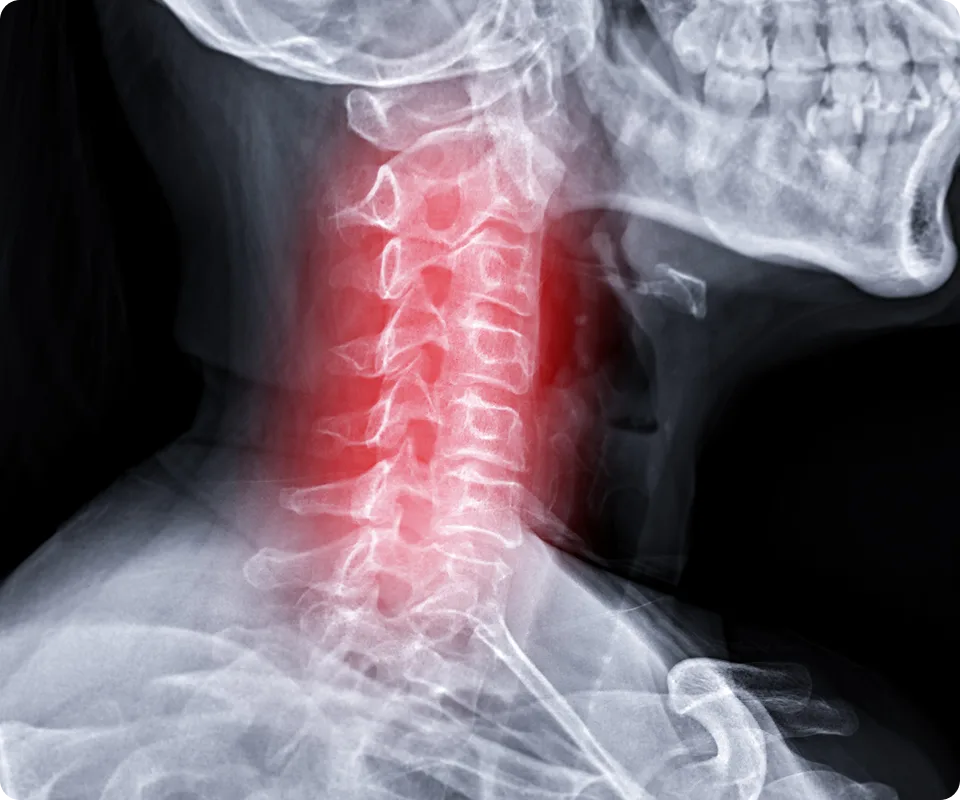
Do you wake up with a stiff neck or find your head movement becoming more limited over time? These are classic signs of cervical spondylosis, also known as degenerative disc disease (DDD) of the neck.
Cervical spondylosis is the natural aging and wear process of the spine that can lead to neck pain, arthritis, nerve compression, and headaches. At Elite Pain & Health, Dr. Keley John Booth combines advanced diagnostic imaging with targeted, non-surgical therapies to relieve pain, restore movement, and prevent long-term spinal damage without the risks of fusion surgery.

Why It Happens

The cervical spine supports the head’s 10–12 pounds of weight and moves thousands of times per day. Over years
of motion, the discs, joints, and ligaments that stabilize the neck naturally wear down.

Common causes and contributors include:
-
Age-related disc dehydration and collapse
-
Bone spurs (osteophytes) that form as the body tries to stabilize arthritic joints
-
Facet joint arthritis from repetitive motion and strain
-
Postural stress (forward head position, extended screen time)
-
Prior trauma (such as whiplash or sports injury)
-
Genetic predisposition to early disc degeneration
As discs lose height, the vertebrae move closer together, compressing nearby nerves and joints. This cascade leads to chronic inflammation*,* limited motion*, and sometimes* nerve root impingement a major source of neck and arm pain.
What It Feels Like

Cervical spondylosis can range from a mild nuisance to a disabling problem. Common symptoms include:
-
Chronic neck pain and stiffness
-
Grinding or crackling sounds with movement
-
Pain radiating to the shoulder or upper back
-
Numbness or tingling in the arms or hands
-
Headaches from the base of the skull (occipital region)
-
Loss of neck mobility, especially when looking up or turning the head
-
Fatigue and tension from muscle overuse
In more advanced cases, cervical spondylosis can narrow the spinal canal and cause cervical myelopathy symptoms of spinal cord compression such as hand clumsiness or unsteady walking. These require prompt evaluation.
How It’s Diagnosed
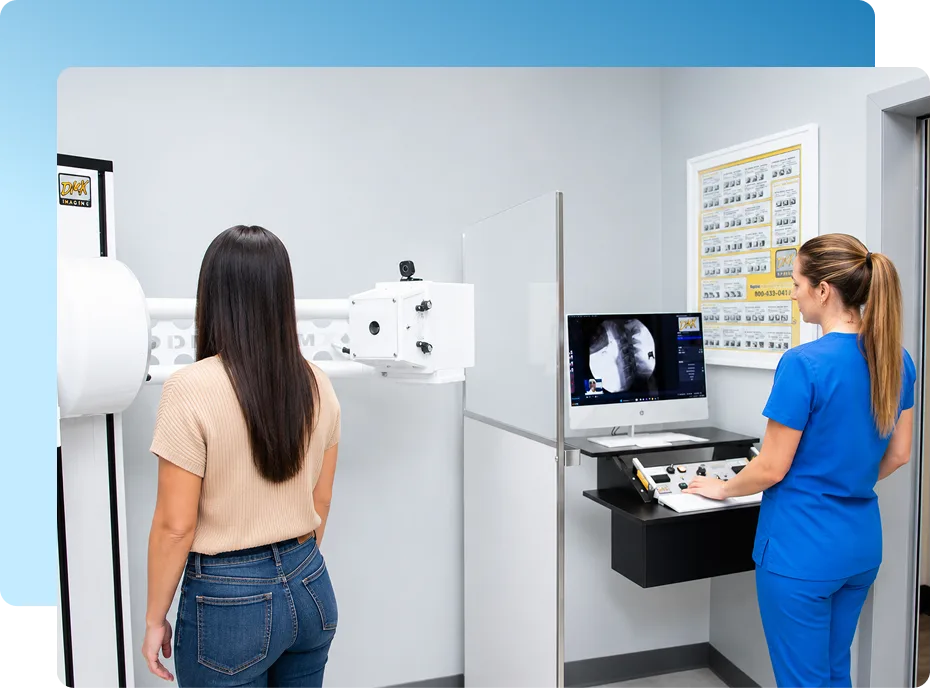
Because spondylosis can mimic other causes of neck pain, Dr. Booth performs a comprehensive diagnostic evaluation to identify the specific pain generator:
Diagnostic steps include:
-
Detailed physical and neurologic examination (strength, reflexes, sensation, range of motion)
-
Cervical spine X-rays and MRI to identify disc height loss, bone spurs, and arthritis
-
Digital Motion X-ray (DMX) to evaluate subtle instability or ligament injury
-
Diagnostic injections such as medial branch blocks or selective nerve root blocks to isolate pain sources
-
Electrodiagnostic (EMG/NCS) studies when weakness or numbness is present
This precise, image-guided diagnostic process allows targeted, minimally invasive treatment without guesswork.
Conservative Treatment
At Elite Pain & Health, Dr. Booth’s stepwise care plan for cervical spondylosis focuses on restoring healthy motion, calming inflammation, and preventing further degeneration not fusing the spine unnecessarily.
-
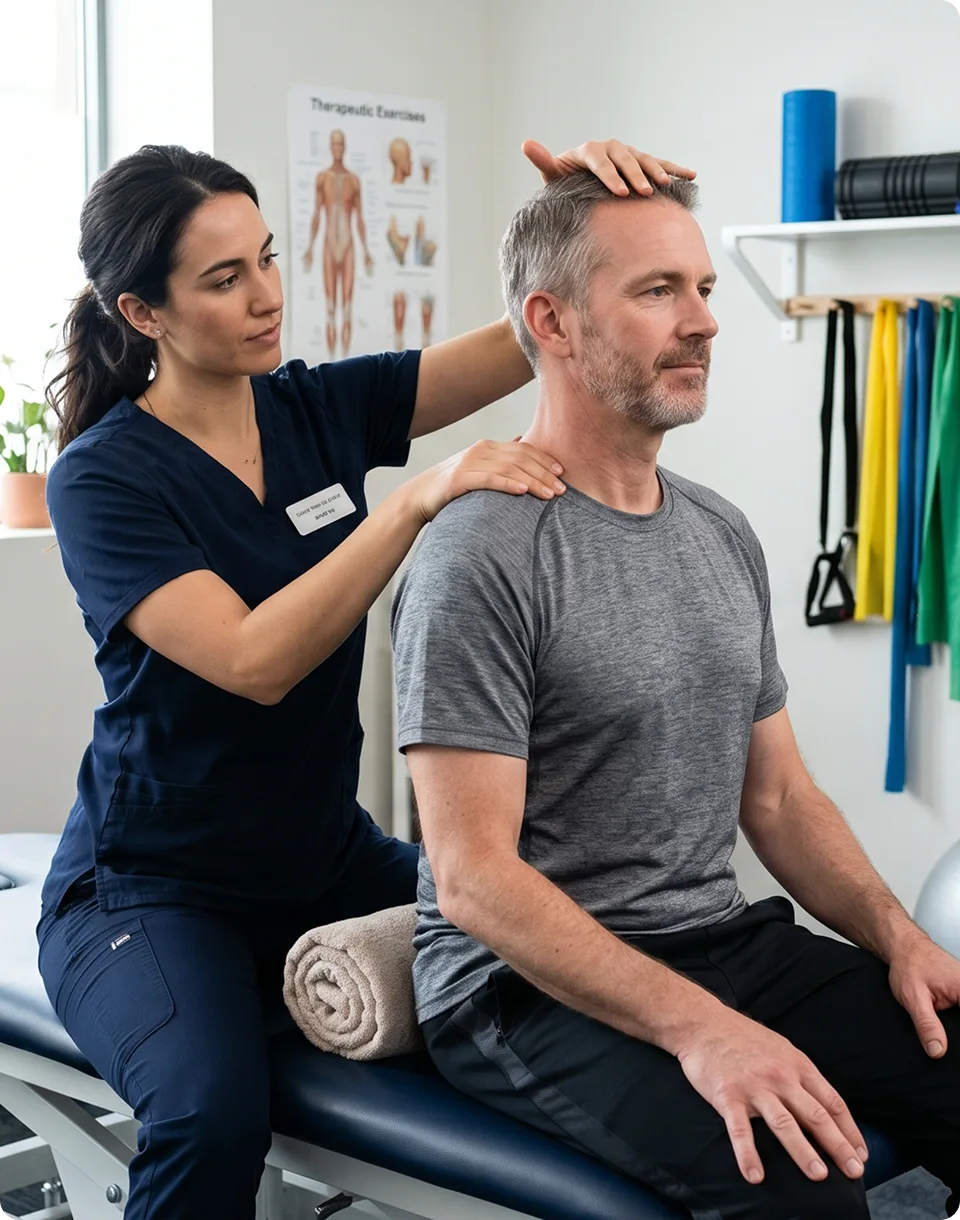
Physical Therapy & Postural Correction: Gentle cervical traction, mobility work, and strengthening of the deep neck flexors improve spinal mechanics and reduce stiffness.
-
Targeted Medications (Short-Term): Selective anti-inflammatories, neuropathic agents (gabapentin), or muscle relaxants can ease acute flare-ups.
-
Interventional Pain Procedures: ● Cervical facet joint injections for inflamed arthritic joints
● Medial branch nerve blocks to identify pain levels
● Radiofrequency ablation (RFA) for long-term pain relief (6–12 months average)
● Epidural steroid injections for radiating arm pain or nerve compression
-
Regenerative Medicine Options: When appropriate, Dr. Booth uses platelet-rich plasma (PRP) or orthobiologic cell therapy to help repair joint and disc tissue naturally, supporting long-term joint health and stability.
-
Ergonomic & Lifestyle Adjustments: Optimizing computer height, using supportive pillows, and taking frequent posture breaks can significantly reduce strain.
When to Seek Care
Schedule an evaluation if you experience:
-
Neck pain lasting longer than 6 weeks
-
Arm or hand numbness, tingling, or weakness
-
Grinding or locking sensations with movement
-
Headaches radiating from your neck
-
Pain affecting sleep or daily activities
Early conservative treatment prevents chronic nerve injury and reduces the likelihood of requiring surgery later in life.
Take the Next Step
If neck stiffness or grinding pain is limiting your quality of life, you don’t have to live with it. Dr. Booth and the team at Elite Pain & Health – Oklahoma offer precise, non-surgical solutions for cervical spondylosis that get you moving again safely.
Get urgent care for these
- New weakness or clumsiness in the hands, or dropping objects
- Unsteady walking or a change in balance
- Loss of bladder or bowel control
- Neck pain with fever, or after a fall or collision
These need assessment now, not an appointment next week. Go to an emergency department or call 911.
Common questions about neck pain