
Neck condition or diagnosis
Cervical Whiplash Syndrome | Elite Pain & Health – Oklahoma
Cervical Whiplash Syndrome

Sudden neck pain after even a “minor” accident can be more than just a stiff neck. Cervical whiplash syndrome a rapid forward and backward motion injury to the neck is one of the most common post-accident diagnoses Dr. Keley John Booth evaluates in Oklahoma. Although many cases improve with conservative care, untreated whiplash can progress to chronic pain, headaches, and loss of mobility that lasts months or even years.
At Elite Pain & Health, our focus is to identify the injured structures using image-guided diagnostics, initiate safe non-surgical rehabilitation, and when necessary apply targeted regenerative or interventional therapies to restore normal motion and function.
Why It Happens

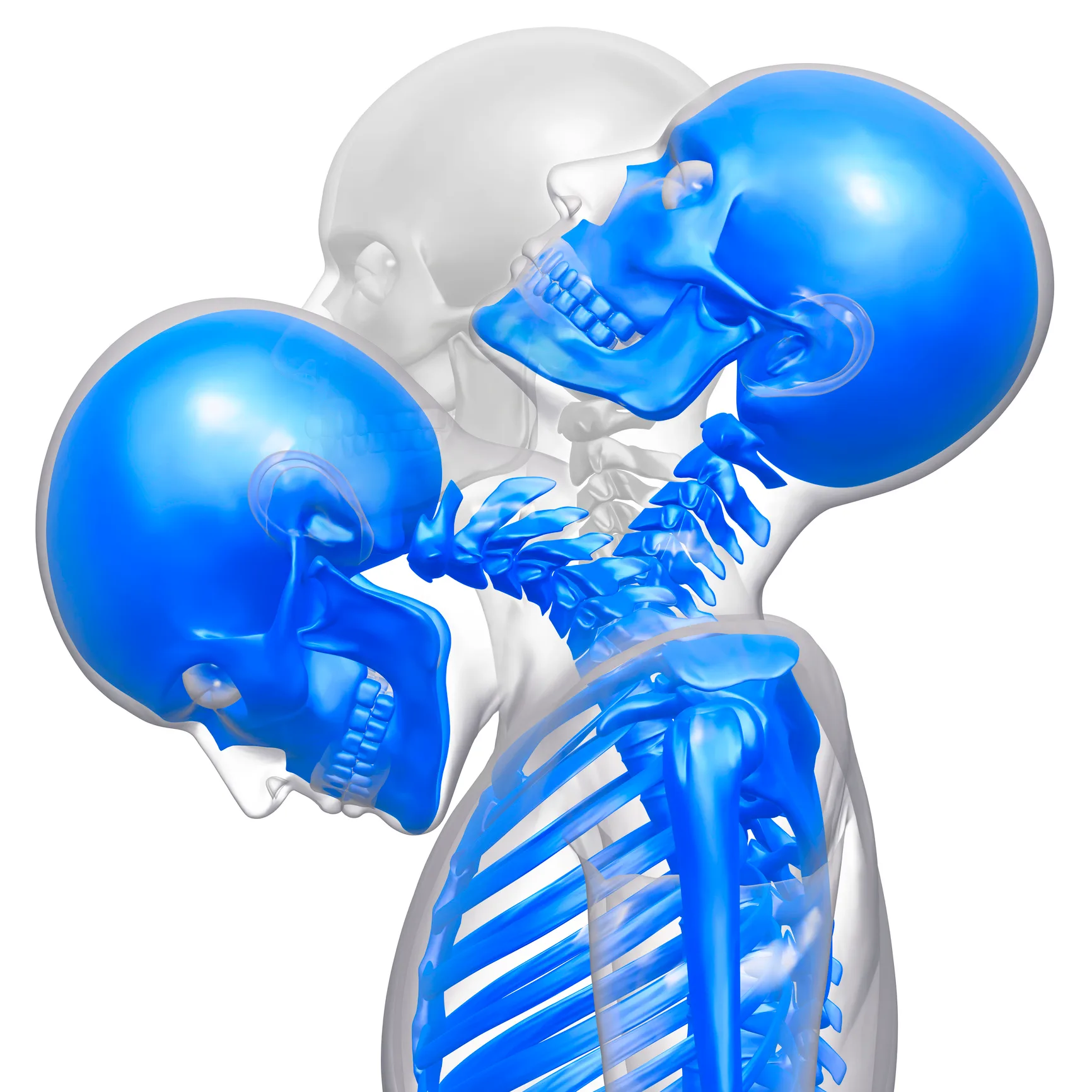
Whiplash is typically caused by a rapid acceleration–deceleration force, most often from rear-end collisions, but also from sports injuries, falls, or sudden jolts.
During impact, the cervical spine hyperextends and then rapidly flexes, overstretching muscles, ligaments, joints, and discs.
Common structural injuries include:

-
Strained muscles and ligaments (soft-tissue sprain)
-
Facet joint capsule inflammation
-
Cervical disc bulge or herniation
-
Irritation of spinal nerves or dorsal root ganglia
-
Occipital nerve irritation causing headaches
These injuries can occur even at speeds under 15 mph and are frequently invisible on standard X-rays, which is why Dr. Booth emphasizes advanced imaging like MRI or Digital Motion X-ray (DMX) to assess joint instability and soft tissue strain.
What It Feels Like

Symptoms may develop immediately or evolve over several days. Typical features of cervical whiplash include:
-
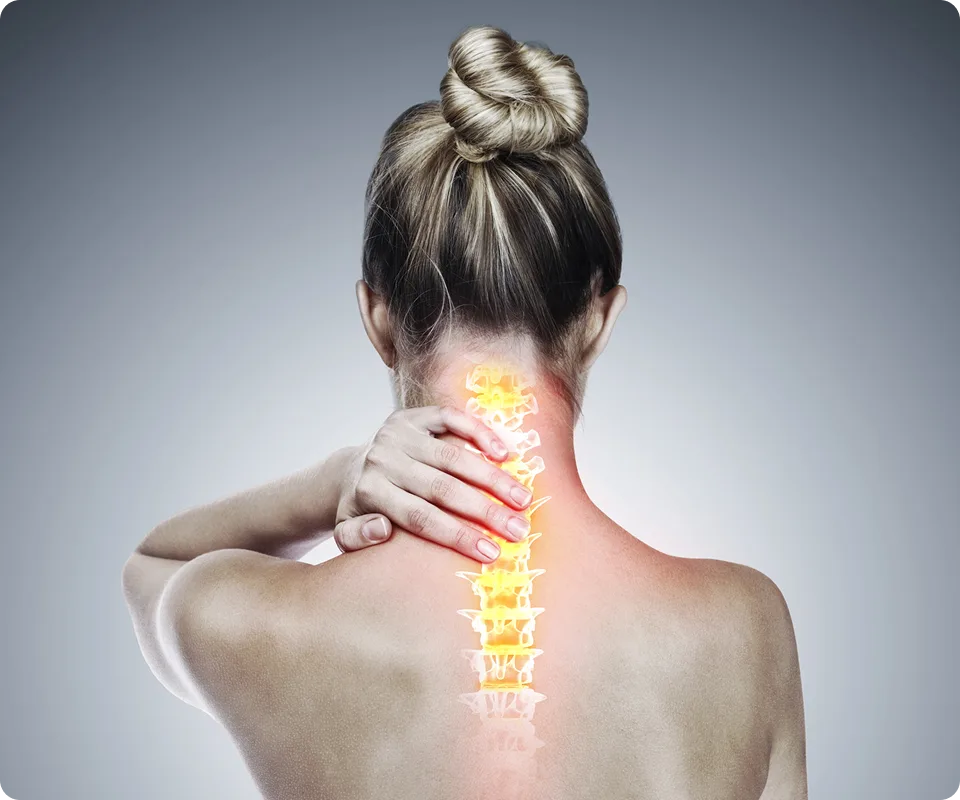
Aching or sharp neck pain and stiffness
-
Headaches radiating from the base of the skull
-
Limited range of motion (turning or looking up/down)
-
Shoulder or upper back pain
-
Arm numbness or tingling (from nerve irritation)
-
Jaw or facial tightness
-
Fatigue, dizziness, or “brain fog” in post-concussion overlap cases
Many patients notice their pain worsens at night, while driving, or during prolonged sitting. If untreated, the muscles and joints may “lock down,” causing chronic spasm and mechanical facet pain.
How It’s Diagnosed

Dr. Booth’s diagnostic approach focuses on precision and cause not guesswork.
Evaluation typically includes:
-
Detailed injury history (mechanism, seatbelt use, speed, timing of symptoms)
-
Comprehensive physical and neurologic exam (muscle strength, reflexes, sensory testing)
-
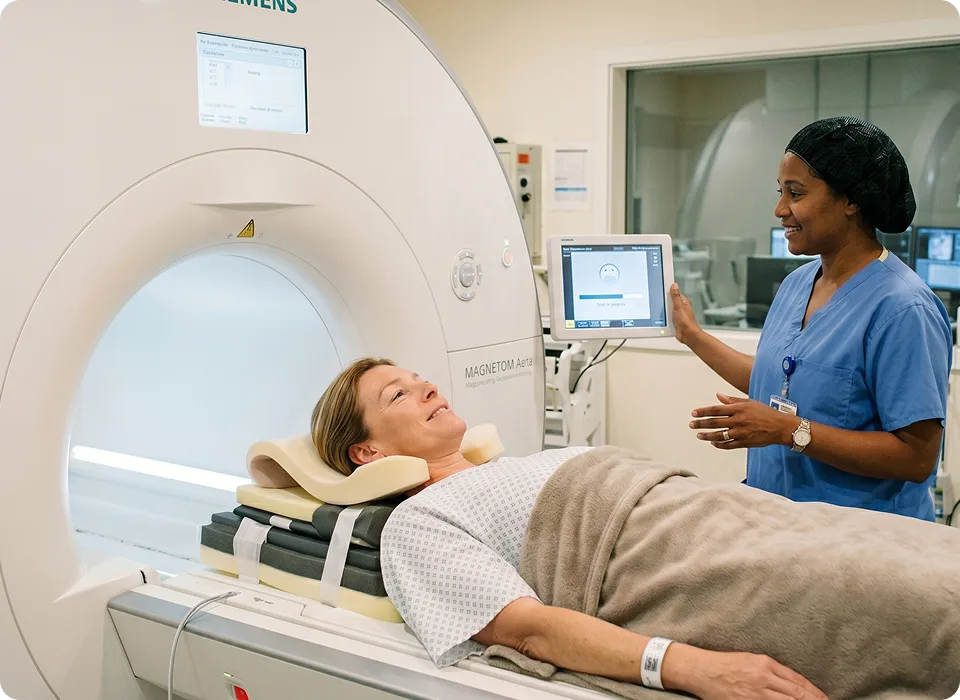
High-resolution MRI or DMX to visualize disc, ligament, or facet damage
-
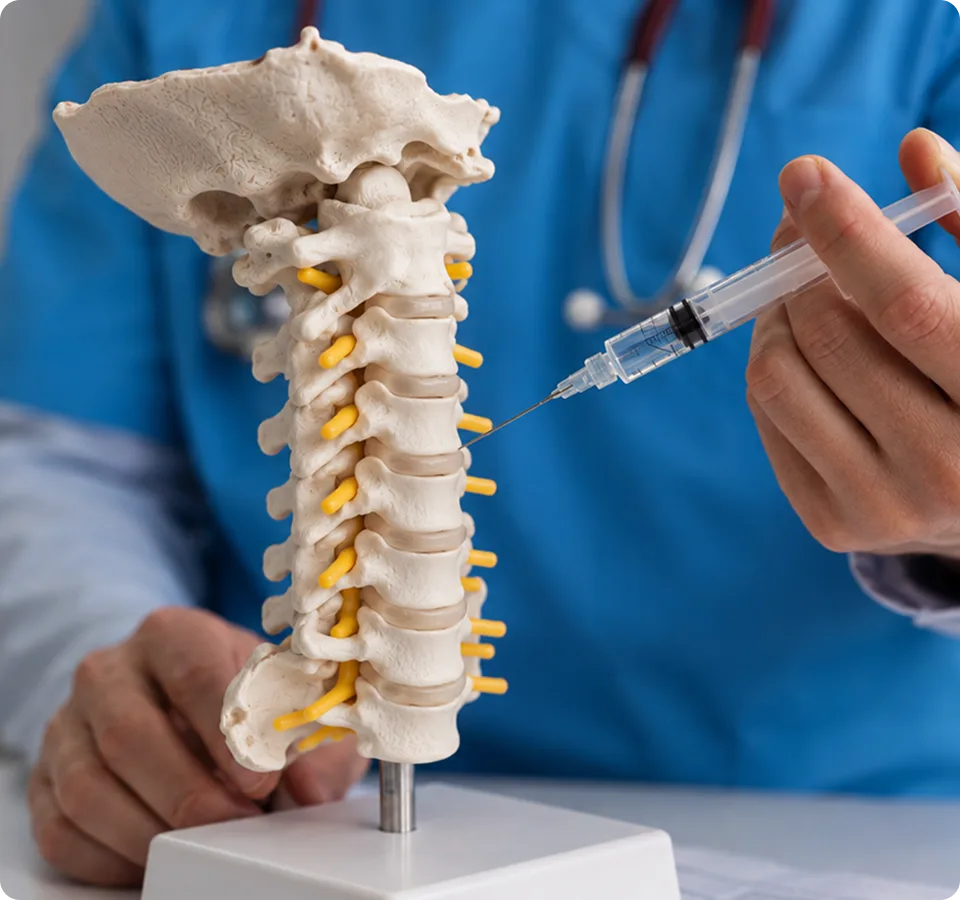
Diagnostic cervical medial branch blocks to isolate facet joint pain
-
Screening for post-concussion symptoms when head impact occurred
Whiplash is considered a clinical diagnosis supported by imaging and response to diagnostic injections.
Conservative Treatment
Most patients improve without surgery using Dr. Booth’s stepwise plan:
-
Early guided physical therapy – restores motion and prevents scar stiffness
-
Medication management – short-term anti-inflammatories, muscle relaxants, or neuropathic agents
-
Interventional pain care – image-guided medial branch blocks, trigger-point injections, or epidural steroid injections to calm inflamed joints
-
Regenerative medicine – PRP (platelet-rich plasma) or orthobiologic cell therapy to heal damaged ligaments and facets naturally
-
Ergonomic and posture re-education – minimizes recurrence in work or driving settings
Dr. Booth’s philosophy is simple: restore motion, reduce inflammation, and avoid surgery whenever possible.
When to Seek Care
You should seek evaluation if:
-
Pain lasts more than 2 weeks after an accident
-
Headaches, dizziness, or numbness in the arms appear
-
Neck motion remains significantly limited
-
Symptoms interfere with sleep or daily function
Early treatment often prevents long-term disability and the development of chronic whiplash-associated disorders.
Take the Next Step
If neck pain or post-accident headaches are slowing you down, Elite Pain & Health can help you recover motion and confidence without surgery.
Get urgent care for these
- New weakness or clumsiness in the hands, or dropping objects
- Unsteady walking or a change in balance
- Loss of bladder or bowel control
- Neck pain with fever, or after a fall or collision
These need assessment now, not an appointment next week. Go to an emergency department or call 911.
Common questions about neck pain