
Neck symptom
Neck Pain with Headaches: Understanding Cervicogenic Headache | Elite Pain & Health – Oklahoma
Neck Pain with Headaches: Understanding Cervicogenic Headache

If you’ve been treating persistent headaches with over-the-counter pain relievers without lasting success, your neck not your head may be the actual source of your pain. Cervicogenic headache, literally meaning “headache originating from the neck,” affects millions of people who often spend years seeking relief through migraine medications or sinus treatments when the real problem lies in their cervical spine. These headaches typically start at the base of the skull or upper neck and radiate forward to the temples, forehead, or behind the eyes, creating a distinctive pain pattern that responds poorly to typical headache treatments.
At Elite Pain & Health, Dr. Keley John Booth, MD, specializes in diagnosing and treating cervicogenic headaches through precise identification of the underlying neck structures causing your head pain. Understanding the cervical spine connection and treating the source rather than just symptoms provides lasting headache relief without medication dependence or unnecessary procedures.
Why It Happens

Cervicogenic headaches result from problems in the cervical spine that activate pain pathways extending into the head. The upper three cervical nerves (C1, C2, and C3) share neurological connections with the trigeminal nerve, which provides sensation to the face and head. This convergence of nerve pathways in the upper spinal cord and brainstem explains how neck problems manifest as head pain a phenomenon called “referred pain.”
Common Causes Include:
-
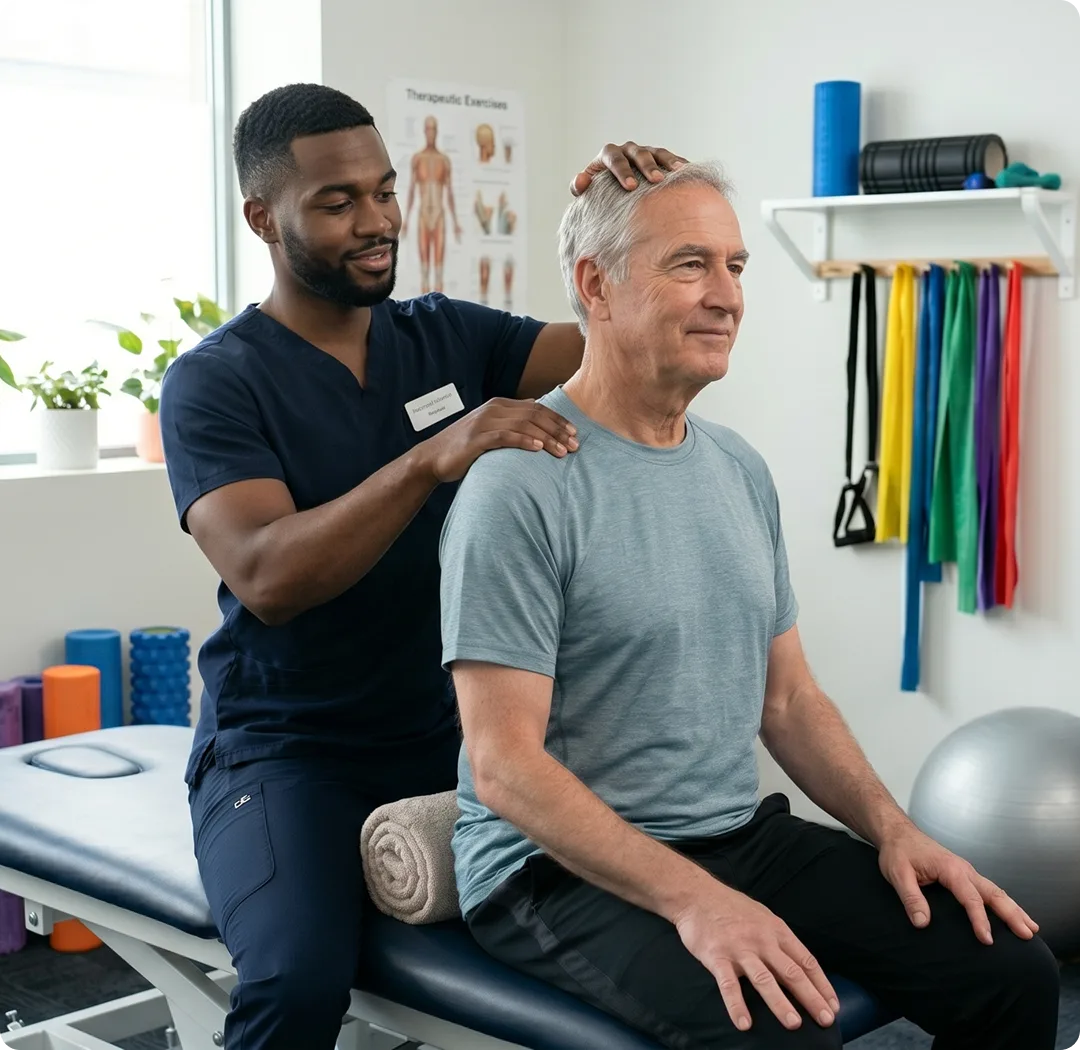
Physical Therapy: Specialized cervical spine rehabilitation forms the foundation of treatment. This includes manual therapy techniques (mobilization and manipulation) to restore normal joint mechanics, strengthening exercises for deep neck flexors and cervical stabilizers, postural retraining and ergonomic education, stretching tight muscles and releasing myofascial restrictions, and suboccipital muscle relaxation techniques.
-
Cervical Disc Degeneration or Herniation: While less common than facet joint problems, disc pathology at C2-C3 or C3-C4 levels can cause headaches when inflammatory chemicals from damaged discs irritate nearby nerve roots or the dura mater (membrane covering the spinal cord). The resulting inflammation activates pain pathways that project to the head.
-
Occipital Neuralgia: Irritation or compression of the greater occipital nerve (branch of the C2 nerve root) or lesser occipital nerve causes severe, shooting pain that begins at the base of the skull and radiates over the scalp to the forehead. This condition can occur from muscle tension, trauma, arthritis, or nerve entrapment where the nerve passes through the neck muscles.
-
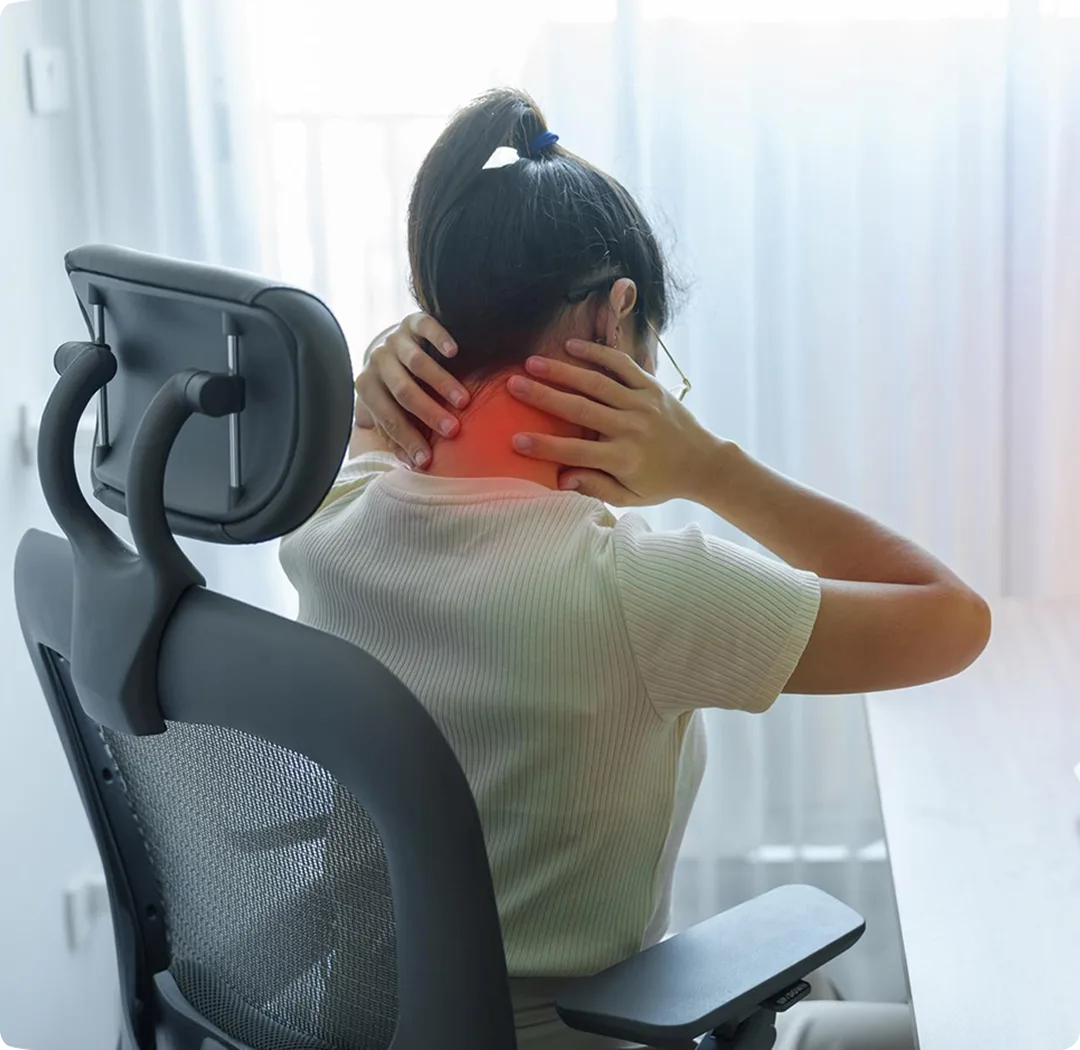
Cervical Muscle Tension and Trigger Points: Chronic tension in cervical and suboccipital muscles (small muscles at the base of the skull) creates myofascial trigger points that refer pain to the head. The sternocleidomastoid, trapezius, and suboccipital muscles are particularly common trigger point locations causing headache patterns. These trigger points develop from sustained poor posture, stress, repetitive movements, or whiplash injuries.
-
Atlanto-axial or Atlanto-occipital Joint Dysfunction: The specialized joints connecting the skull to the first cervical vertebra (C1) and C1 to C2 allow most of the head’s rotational movement. Dysfunction in these joints from injury, arthritis, or instability commonly causes occipital headaches.
-
Cervical Spine Instability: Ligament laxity or injury that allows excessive movement between cervical vertebrae can cause recurrent headaches, often triggered by specific head positions or movements. This is sometimes seen after significant whiplash injuries.
-
Poor Posture and Forward Head Position: The epidemic of forward head posture from computer work, smartphone use, and desk-based occupations places enormous stress on upper cervical structures. For every inch the head moves forward from ideal alignment, the effective weight on the neck increases substantially, overloading facet joints and suboccipital muscles, ultimately causing headaches.
-
Whiplash-Associated Disorders: Motor vehicle accidents, sports injuries, or falls that cause rapid acceleration-deceleration of the head frequently damage cervical ligaments, facet joint capsules, and muscles. Post-traumatic cervicogenic headache is one of the most common and persistent symptoms following whiplash injuries.
-
Cervical Spondylosis (Arthritis): Age-related degenerative changes in upper cervical facet joints and discs create chronic inflammation that activates headache pathways. Bone spurs that develop with arthritis can also irritate nerves contributing to occipital neuralgia.
The key distinguishing feature of cervicogenic headache is the clear relationship between neck problems and head pain neck movements or sustained neck positions provoke or modify the headache, and treating the neck source relieves the head pain.
What It Feels Like

Cervicogenic headaches have characteristic features that distinguish them from migraines, tension-type headaches, and other primary headache disorders.
Typical Symptoms Include:
-
Unilateral Pain (One-Sided): Cervicogenic headaches typically affect one side of the head, though the painful side may occasionally alternate or, less commonly, involve both sides. The consistent one-sidedness helps distinguish cervicogenic headache from tension-type headaches, which are usually bilateral.
-
Pain Starting in the Neck or Base of Skull: The headache begins in the upper neck, base of the skull (occiput), or back of the head and then spreads forward. This pattern of pain originating posteriorly and moving anteriorly is characteristic. You may notice neck stiffness or discomfort before the headache fully develops.
-
Radiation Pattern: Pain typically travels from the back of the head forward to the temple, forehead, eye, or face on the affected side. The pain follows a consistent pathway with each episode. Some patients describe feeling like the pain is wrapping around from the back of the head to the front.
-
Moderate to Severe Intensity: While intensity varies, cervicogenic headaches are often described as moderate to severe, with a steady, non-throbbing quality. Unlike the pulsating character of migraines, cervicogenic headache pain is typically constant, aching, or pressing.
-
Neck Movement Provocation: A hallmark feature is that certain neck movements or sustained positions trigger or worsen the headache. Looking up, rotating the head, or maintaining static positions (like computer work) commonly provoke symptoms. Conversely, supporting the neck or lying down may provide relief.
-
Reduced Neck Range of Motion: Cervicogenic headache is often accompanied by neck stiffness and restricted movement, particularly rotation toward the painful side or extension (looking up).
-
Headache Duration: Episodes typically last hours to days often longer than migraines. Some patients experience constant, fluctuating headache that never completely resolves between flares.
-
Associated Neck Pain and Tenderness: Most patients have accompanying neck pain or tenderness at the base of the skull. Pressing on specific points in the upper neck or skull base reproduces or intensifies the headache.
-
Shoulder and Arm Symptoms: Some patients experience ipsilateral (same-side) shoulder pain, arm pain, or upper back discomfort accompanying the headache, reflecting the involvement of lower cervical segments.
-
Limited Autonomic Features: Unlike migraines, cervicogenic headaches typically lack or have minimal nausea, vomiting, light sensitivity (photophobia), or sound sensitivity (phonophobia). When present, these features are much milder than in migraine.
-
Positional Relief: Many patients notice improvement when lying down or supporting the neck in specific positions, whereas migraines typically worsen with any activity.
-
Response to Neck Treatment: Diagnostic hallmark the headache improves with treatments targeting the cervical spine, such as physical therapy, nerve blocks, or facet joint injections.
The predictable relationship between neck position/movement and headache symptoms is the key clinical feature distinguishing cervicogenic headache from primary headache disorders.
How It’s Diagnosed
Accurate diagnosis of cervicogenic headache requires comprehensive evaluation because several headache types can coexist or mimic each other. Dr. Booth uses systematic assessment to identify the cervical source and rule out other headache disorders.
Comprehensive Clinical Evaluation:
-
Detailed Headache History: Dr. Booth will ask specific questions about headache characteristics: location of pain onset and radiation pattern, quality and intensity of pain, duration and frequency of episodes, aggravating factors (especially neck movements or positions), relieving factors, associated symptoms, history of neck injury or trauma, response to previous headache treatments, and impact on daily activities.
-
**Cervical Spine Examination:**Thorough neck assessment includes range of motion testing with attention to which movements provoke headache, palpation of upper cervical segments and suboccipital region for tenderness, evaluation of cervical muscle tension and trigger points, assessment of head and neck posture, and testing for cervical facet joint pain through provocative maneuvers.

-
Neurological Assessment: Comprehensive examination rules out neurological causes requiring different treatment, including cranial nerve testing, assessment for signs of increased intracranial pressure, evaluation of sensation and motor function, and reflex testing.
-
Diagnostic Criteria: Dr. Booth applies established International Headache Society criteria for cervicogenic headache, which include evidence of a disorder or lesion within the cervical spine or soft tissues of the neck known to cause headache, headache resolving within three months after successful treatment of the causative disorder, and other diagnostic features supporting cervical origin.
Advanced Diagnostic Testing

-
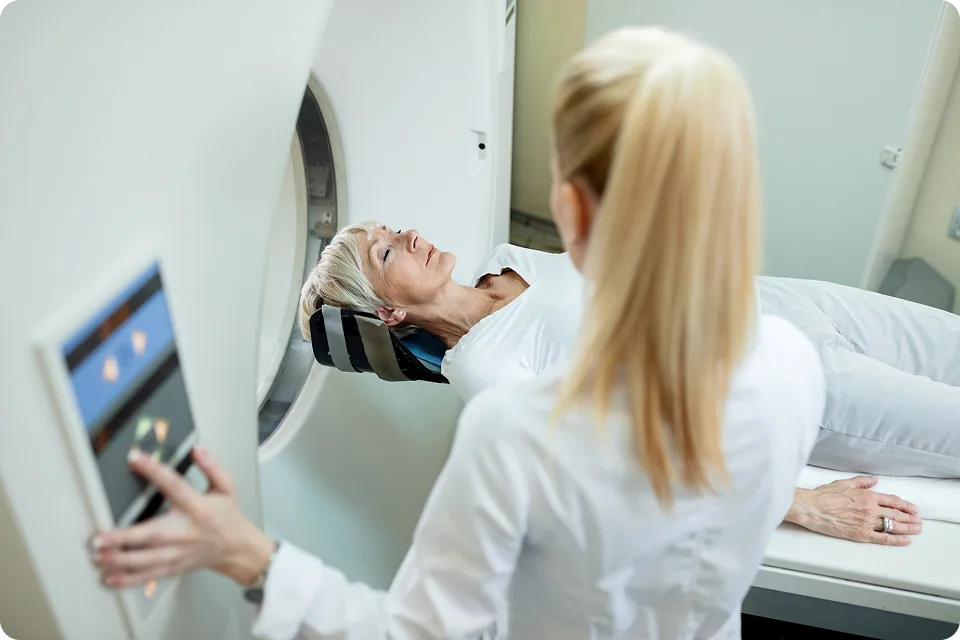
X-rays: Evaluate alignment, disc space height, arthritis, bone spurs, and structural abnormalities. Flexion-extension views assess for instability.
-
MRI (Magnetic Resonance Imaging): The preferred imaging modality provides detailed visualization of discs, facet joints, nerve roots, ligaments, muscles, and the craniocervical junction. MRI identifies disc herniations, facet arthropathy, ligamentous injury, and soft tissue pathology.
-
CT Scan: Offers superior bone detail when evaluating complex bony anatomy of the upper cervical spine or when MRI is contraindicated.
Why Accurate Diagnosis Matters

Treatment for cervical-origin numbness differs significantly from treatment for carpal tunnel syndrome. Treating the wrong condition delays relief and may lead to unnecessary surgery. Dr. Booth’s comprehensive approach ensures you receive targeted treatment addressing the actual source of your symptoms.
Conservative Treatment Options
Most patients with cervicogenic headache achieve significant relief through non-surgical treatment targeting the underlying cervical spine dysfunction. Dr. Booth’s comprehensive approach addresses both the structural problems and contributing factors.
First-Line Conservative Care:
-
Anti-inflammatory Drugs (NSAIDs): Reduce inflammation in cervical structures. While less effective alone than for other pain conditions, NSAIDs support other treatments.
-
Muscle Relaxants: Short-term use helps address muscle tension and spasm contributing to headache.
-
Neuropathic Pain Medications: Gabapentin or pregabalin may help when nerve irritation contributes significantly.
-
Preventive Medications: In some cases, medications traditionally used for migraine prevention (such as certain antidepressants or anticonvulsants) may reduce cervicogenic headache frequency when combined with neck-focused treatments.
-
Posture Correction: Addressing forward head posture is critical for long-term success. This includes workspace ergonomics optimization, proper computer and smartphone positioning, frequent movement breaks, sleeping position and pillow optimization, and postural awareness training.
-
Trigger Point Treatment: Direct treatment of myofascial trigger points through dry needling, trigger point injections with local anesthetic, manual trigger point release, or spray-and-stretch techniques provides immediate relief for muscle-mediated headaches.
-
Activity Modification: Temporarily avoiding activities that provoke headaches allows inflamed structures to heal. This may include modifying exercise routines, limiting overhead activities, and adjusting work positions.
Advanced Interventional Treatments:
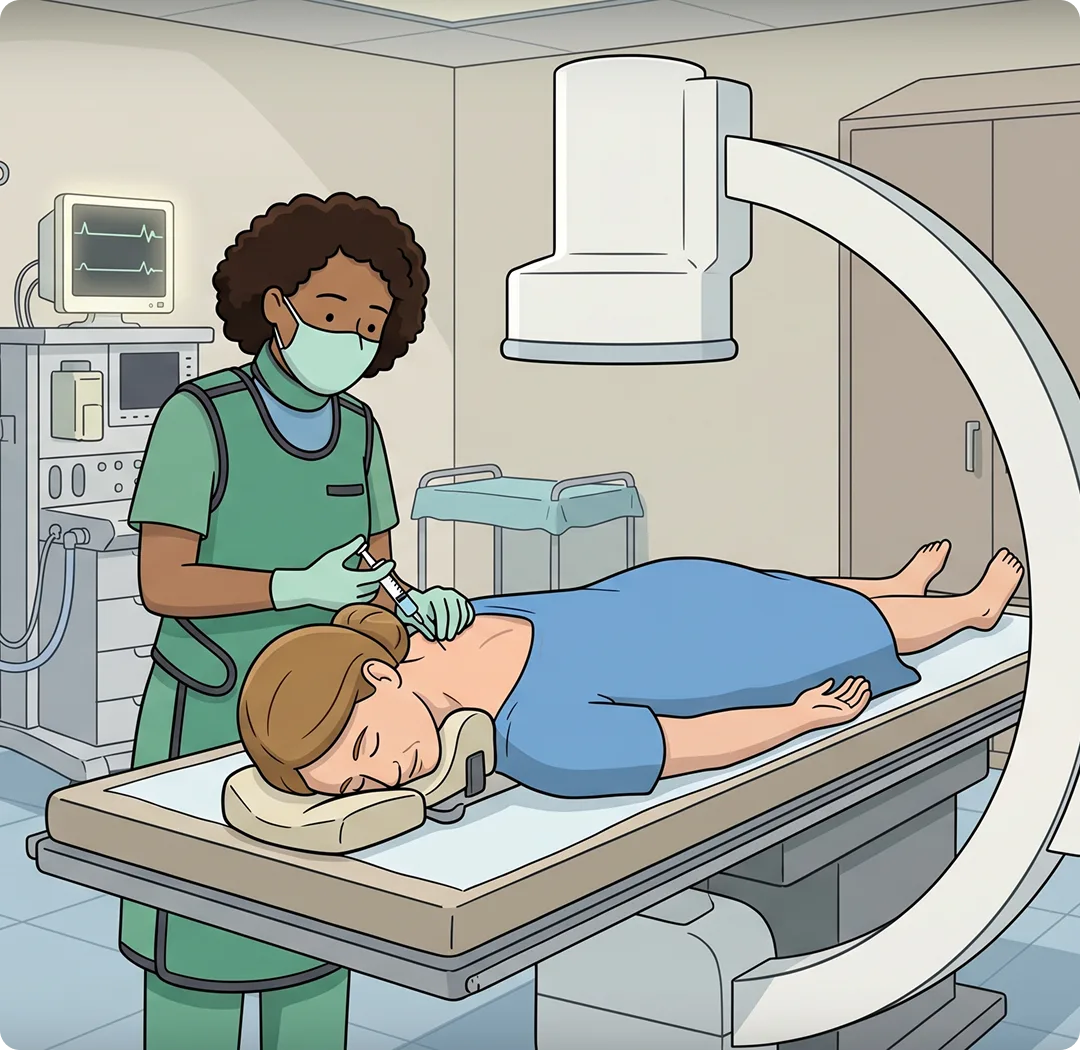
When conservative measures provide insufficient relief, Dr. Booth offers targeted, image-guided procedures:
-
Cervical Facet Joint Injections: Corticosteroid medication delivered directly into the affected facet joint under fluoroscopic guidance reduces inflammation and often provides dramatic headache relief. These injections both diagnose and treat facet-mediated cervicogenic headache.
-
Cervical Medial Branch Blocks: Anesthetic injections targeting the small nerves supplying painful facet joints provide diagnostic confirmation and temporary relief. These blocks predict response to radiofrequency ablation.
-
Radiofrequency Ablation (RFA): For chronic cervicogenic headache from facet joints that responds temporarily to diagnostic blocks, radiofrequency ablation uses precisely controlled heat to interrupt pain signals. This procedure provides longer-lasting relief typically 9-18 months and can be repeated as needed.
-
Greater Occipital Nerve Blocks: Injection of local anesthetic and corticosteroid around the greater occipital nerve treats occipital neuralgia. These blocks often provide immediate relief and may break the pain cycle, resulting in lasting improvement.
-
Third Occipital Nerve Blocks and Ablation: Targeting this specific nerve that frequently mediates cervicogenic headache can provide significant relief. If nerve blocks are successful, radiofrequency ablation offers longer-duration pain control.
-
Cervical Epidural Steroid Injections: When disc herniation or nerve root inflammation contributes to headache, epidural injections deliver anti-inflammatory medication directly to affected structures.
-
Botulinum Toxin (Botox) Injections: For chronic cervicogenic headache with significant muscle tension component, strategic Botox injections into cervical and suboccipital muscles reduce muscle contraction and headache frequency.
Regenerative Medicine
Platelet-Rich Plasma (PRP) Therapy: For ligamentous laxity or chronic tendon problems in the cervical spine contributing to instability and headache, PRP promotes natural healing using concentrated growth factors.
Prolotherapy: Injection of solutions that stimulate healing in weakened or injured ligaments may benefit patients with cervical instability contributing to headache.
Treatment Goals:
Dr. Booth’s comprehensive treatment philosophy emphasizes reducing headache frequency and intensity, restoring normal cervical spine function, addressing postural and ergonomic contributors, reducing or eliminating medication dependence, and preventing headache recurrence through strengthening and postural maintenance.
Most patients notice significant improvement within 4-6 weeks of starting treatment, with optimal results achieved over 8-12 weeks as cervical function normalizes.
When to Seek Immediate Care
While cervicogenic headaches are not dangerous, certain warning signs (“red flags”) require urgent evaluation to rule out serious conditions.
Seek Emergency Care Immediately If You Experience:
-
Sudden, severe “thunderclap” headache (worst headache of your life)
-
Headache with fever, stiff neck, and altered mental status (possible meningitis)
-
Headache after significant head trauma
-
Headache with vision changes, weakness, numbness, or difficulty speaking
-
New headache pattern after age 50 (particularly with visual symptoms)
-
Headache that progressively worsens over days or weeks despite treatment
-
Severe headache with vomiting and no relief with position changes
Schedule Evaluation with Dr. Booth If:
-
Headaches occur more than twice per week
-
Over-the-counter pain relievers provide inadequate relief
-
Headaches significantly impact work, daily activities, or quality of life
-
You notice clear relationship between neck position and headache
-
Previous migraine treatments haven’t been effective
-
You have history of neck injury or whiplash
-
Headaches are becoming more frequent or severe
-
You want to reduce medication dependence
Early intervention with accurate diagnosis prevents chronic headache patterns and identifies the most effective treatment approach quickly, avoiding years of unsuccessful therapies targeting the wrong problem.
Find Lasting Headache Relief by Treating the Source
Stop masking symptoms with medications that don’t address the cause. Dr. Keley John Booth provides expert diagnosis and effective treatment for cervicogenic headaches at Elite Pain & Health locations throughout Oklahoma.
Get urgent care for these
- New weakness or clumsiness in the hands, or dropping objects
- Unsteady walking or a change in balance
- Loss of bladder or bowel control
- Neck pain with fever, or after a fall or collision
These need assessment now, not an appointment next week. Go to an emergency department or call 911.
Common questions about neck pain