
Neck treatment
Cervical Facet Joint Injection | Elite Pain & Health – Oklahoma
Cervical Facet Joint Injection

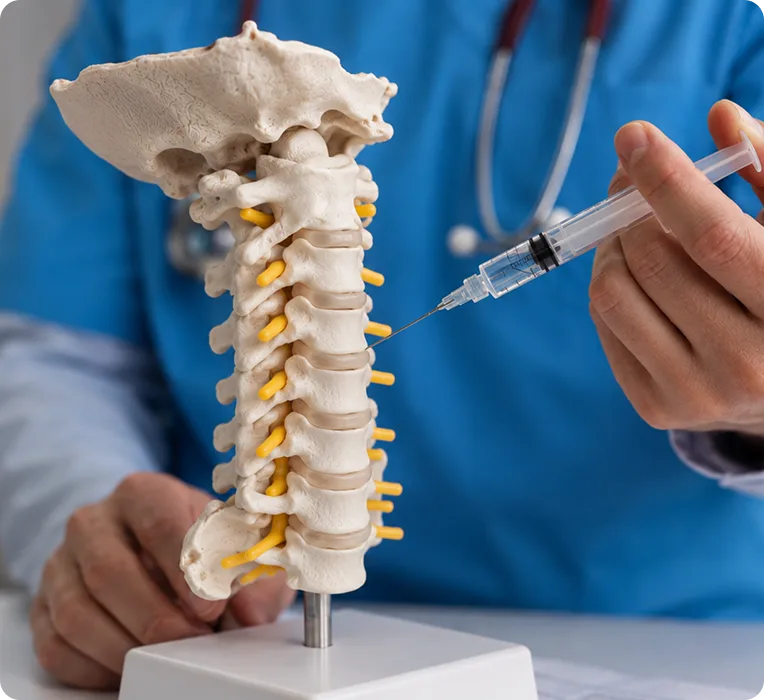
If you’ve been living with chronic neck stiffness, deep aching pain, or discomfort that worsens when turning your head, your facet joints may be the culprit. These small joints at the back of your cervical spine guide movement and provide stability but when they become irritated or arthritic, they can trigger persistent neck pain.
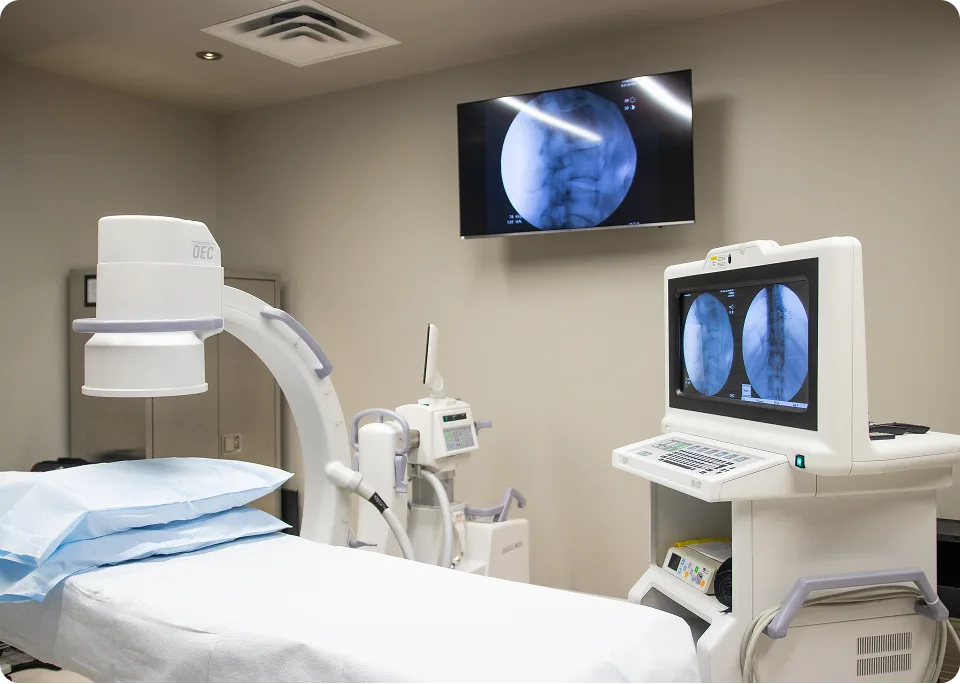
A cervical facet joint injection is a precise, image-guided treatment designed to relieve pain at its source by calming inflammation within the affected joints. At Elite Pain & Health – Oklahoma, Dr. Keley John Booth performs these procedures using advanced fluoroscopic guidance to ensure accuracy, safety, and lasting results all without the need for surgery.
Why It Happens

The facet joints (also called zygapophyseal joints) are pairs of small joints located between the vertebrae from C2 to C7. They allow the neck to flex, extend, and rotate smoothly. Over time or after an injury such as whiplash these joints can become inflamed or worn, leading to facet arthropathy or mechanical neck pain.
Common causes include:

-
Whiplash or trauma overstretching joint capsules
-
Arthritis (spondylosis) causing cartilage breakdown
-
Repetitive posture strain (computer, phone use, driving)
-
Disc height loss, increasing load on facet joints
-
Post-surgical stress at adjacent spinal levels
Inflamed facet joints can trigger localized neck pain, muscle tension, and headaches that mimic other conditions. Unlike nerve root compression, this pain rarely radiates past the shoulder staying deep and axial in nature.
What It Feels Like

Typical symptoms of facet-mediated neck pain include:
-
Dull, aching pain in the neck, shoulders, or upper back
-
Stiffness when turning your head or looking up/down
-
Headaches radiating from the base of the skull (cervicogenic headaches)
-
Pain worse in the morning or after holding one position too long
-
Temporary relief from heat, massage, or rest
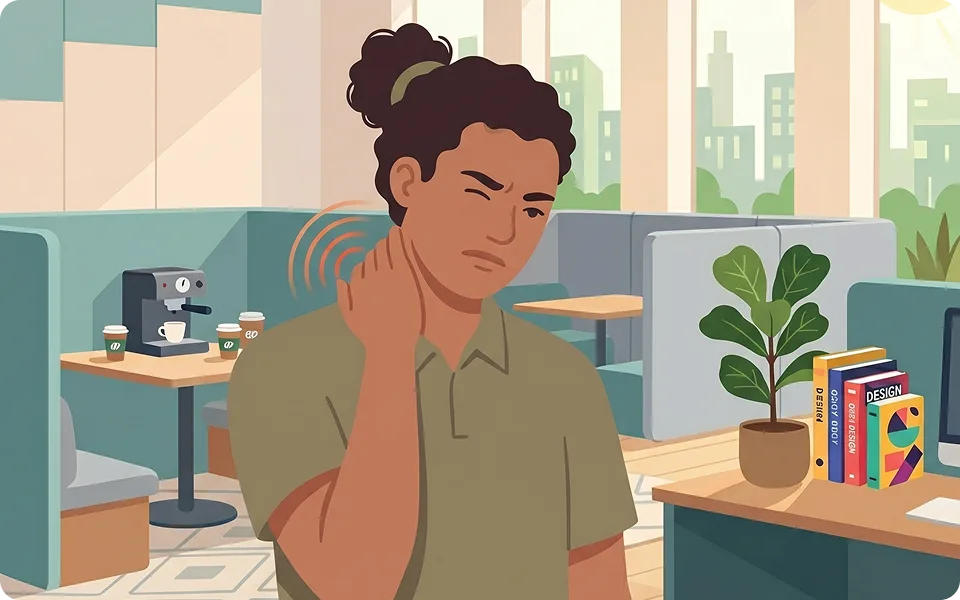
Patients often describe a “grinding” or “locked” feeling in the neck that limits motion and impacts sleep or daily function.
How It’s Diagnosed

Before performing an injection, Dr. Booth conducts a thorough diagnostic workup to confirm the facet joints are the true pain source.
Diagnosis typically includes:

-
Detailed medical history – mechanism of injury, duration, and aggravating factors
-
Physical examination – assessing motion restriction, tenderness, and joint stress
-
MRI or Digital Motion X-ray (DMX) – identifying facet arthropathy or post-whiplash instability
-
Diagnostic Medial Branch Block (MBB) – if needed, to confirm facet origin before long-term therapy
If your pain is confirmed to be facet-related, a cervical facet joint injection becomes the next step toward relief.
What to Expect During the Procedure
A cervical facet joint injection is performed under sterile conditions in an outpatient procedure suite at Elite Pain & Health.
Step-by-step overview:
-
Positioning: You’ll lie face down or slightly inclined for imaging access.
-
Imaging Guidance: Dr. Booth uses real-time fluoroscopy (X-ray) to identify the exact joint levels.
-
Local Anesthetic: The skin is numbed to minimize discomfort.
-
Joint Access: A fine needle is guided into the joint capsule with pinpoint accuracy.
-
Injection: A small amount of anti-inflammatory medication and anesthetic is administered to reduce irritation.
-
Post-procedure Monitoring: You’ll rest briefly before discharge, with most patients resuming normal activity the same day.
Many patients feel immediate relief from the local anesthetic, followed by longer-term improvement over several days as inflammation subsides.

Recovery and Results
-
Duration of relief: Varies by patient but commonly lasts several weeks to months.
-
Physical therapy: Often recommended after pain reduction to restore neck mobility and strength.
-
Repeat injections: May be performed as needed or followed by Medial Branch Block (MBB) or Radiofrequency Ablation (RFA) for longer-lasting relief.
Patients often report easier motion, fewer headaches, and improved sleep within a few days of treatment.
When to Seek Care
You may be a candidate for a cervical facet joint injection if you experience:
-
Persistent neck stiffness or soreness not relieved by medication or therapy
-
Pain that worsens with neck extension or rotation
-
Headaches starting from the back of the neck
-
Localized neck pain after whiplash or repetitive strain
Early treatment helps prevent chronic pain cycles and joint degeneration.
Take the Next Step
If chronic neck pain or stiffness is affecting your quality of life, a cervical facet joint injection could be the first step toward lasting relief.
Dr. Keley John Booth and the team at Elite Pain & Health – Oklahoma use advanced imaging and non-surgical solutions to help you move better and live pain-free.
Get urgent care for these
- New weakness or clumsiness in the hands, or dropping objects
- Unsteady walking or a change in balance
- Loss of bladder or bowel control
- Neck pain with fever, or after a fall or collision
These need assessment now, not an appointment next week. Go to an emergency department or call 911.
Common questions about neck pain