
Neck symptom
Stiff Neck and Limited Range of Motion | Elite Pain & Health – Oklahoma
Stiff Neck and Limited Range of Motion

That frustrating feeling when you can’t check your blind spot while driving, struggle to look over your shoulder, or wake up unable to turn your head without pain affects millions of people. Neck stiffness and limited range of motion isn’t just uncomfortable it’s a clear signal that something in your cervical spine needs attention. Whether your stiffness developed suddenly after sleeping in an awkward position or gradually worsened over months, understanding the cause is essential for effective treatment.
At Elite Pain & Health, Dr. Keley John Booth, MD, specializes in diagnosing and treating the underlying causes of neck stiffness and restricted mobility. Through accurate diagnosis and targeted non-surgical interventions, most patients regain full neck movement and return to normal activities without surgery.
Why It Happens

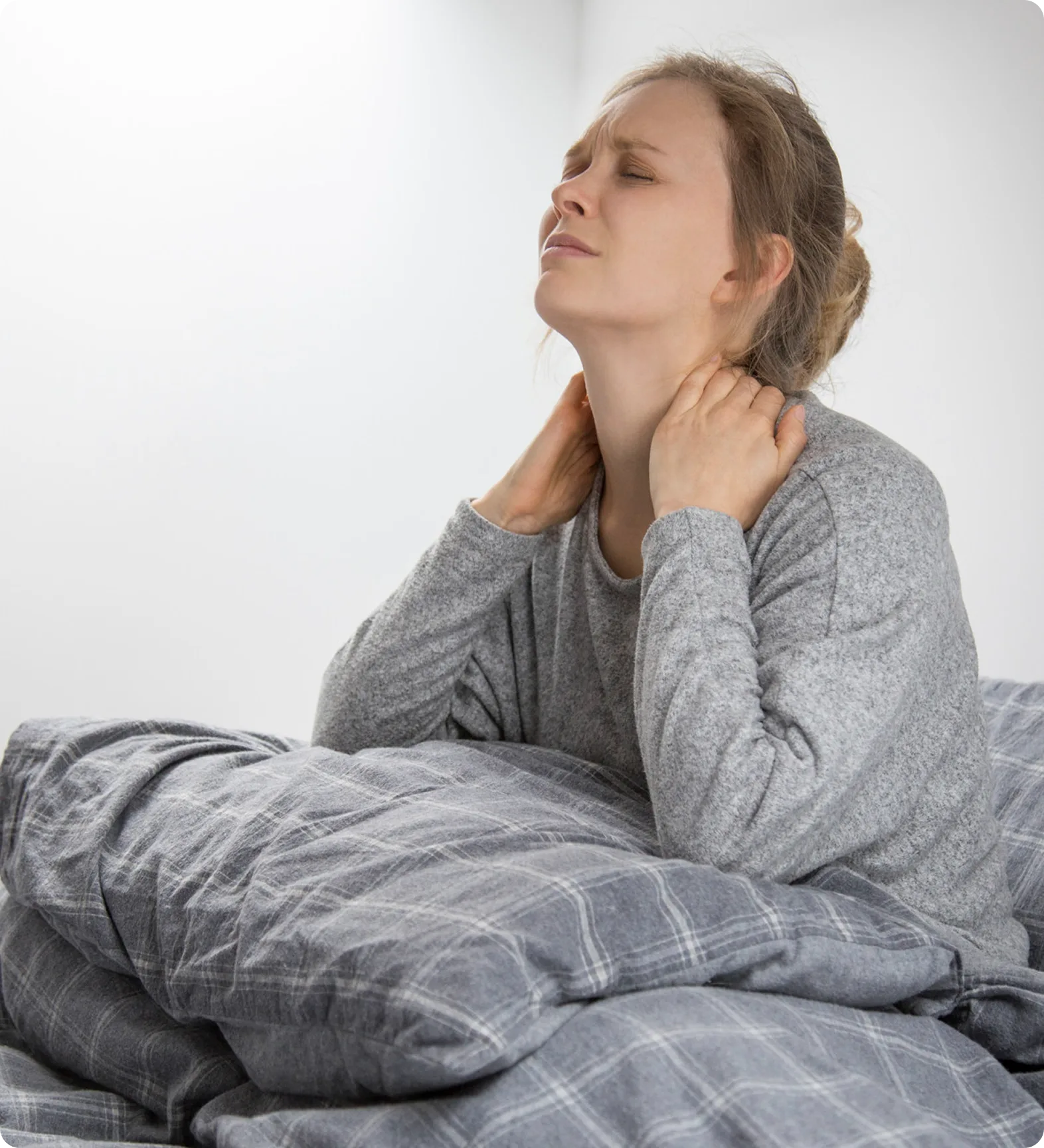
Neck stiffness and limited range of motion occur when the complex structures of your cervical spine including vertebrae, discs, facet joints, muscles, ligaments, and nerves become irritated, inflamed, or mechanically restricted. Your neck normally moves through multiple planes of motion: flexion (looking down), extension (looking up), rotation (turning side to side), and lateral bending (tilting ear toward shoulder). When any of these movements become painful or restricted, the underlying cause must be identified.
Common Causes Include:
-
Muscle Strain and Spasm: The most frequent cause of acute neck stiffness, muscle strain occurs from overuse, sudden movements, poor posture, or sleeping in awkward positions. When neck muscles become strained, they respond by contracting protectively, creating a spasm that severely limits motion. “Sleeping wrong” is a common trigger, as sustained abnormal neck positions during sleep strain supporting muscles.
-
Cervical Facet Joint Dysfunction: Each vertebra connects to adjacent vertebrae through paired facet joints that guide and limit neck movement. These small joints can become inflamed due to arthritis, injury, or repetitive stress. Facet joint inflammation causes localized pain and significant motion restriction, particularly with rotation and extension. Facet joint problems often cause sharp, catching sensations with certain movements.
-
Disc Degeneration: As intervertebral discs lose height and hydration over time, they provide less cushioning between vertebrae and alter normal neck mechanics. Degenerative discs can cause chronic stiffness and reduce flexibility, particularly affecting forward and backward bending.

-
Cervical Spondylosis (Neck Arthritis): Age-related degenerative changes affect facet joints and intervertebral discs, causing stiffness that typically worsens in the morning and improves with gentle movement throughout the day. Bone spurs that develop with arthritis can mechanically block normal motion and create a grinding or crunching sensation (crepitus) with neck movement.
-
Cervical Disc Herniation: When disc material pushes beyond its normal boundaries, it can cause muscle spasm and protective guarding that severely limits neck motion. Even small herniations trigger the body’s protective mechanisms, restricting movement to prevent further injury.
-
Whiplash and Trauma: Car accidents, sports injuries, or falls can damage ligaments, muscles, and joints simultaneously, causing immediate stiffness and long-lasting motion restrictions. Post-traumatic stiffness may persist for weeks or months as tissues heal and scar tissue forms.
-
Poor Posture: Forward head posture—increasingly common with computer work and smartphone use splaces abnormal stress on cervical structures. Over time, this sustained poor posture causes muscle imbalances, with some muscles becoming chronically tight while others weaken, resulting in progressive stiffness and reduced mobility.
-
Myofascial Pain Syndrome: Trigger points (hyperirritable spots in muscles) develop in neck and shoulder muscles, causing referred pain and significant motion restriction. These trigger points create taut bands within muscles that limit stretching and normal movement.
-
Cervical Radiculopathy: When a compressed nerve root causes pain radiating into the arm, protective muscle guarding often restricts neck motion to avoid provoking symptoms.
-
Inflammatory Conditions: Rheumatoid arthritis, ankylosing spondylitis, and other inflammatory conditions can cause progressive neck stiffness, often accompanied by morning stiffness lasting more than 30 minutes.
Understanding the specific cause of your stiffness is critical because treatment approaches differ significantly. Mechanical problems respond to different interventions than inflammatory conditions or muscle-based issues.
What It Feels Like

Neck stiffness presents in characteristic patterns that help identify the underlying problem and guide treatment decisions.
Typical Symptoms Include:
-
Restricted Movement in Specific Directions: You may notice difficulty with particular movements commonly rotation (turning to look behind you) or extension (looking up at the ceiling) while other directions remain relatively normal. The specific pattern of restriction provides clues about which structures are involved.
-
Morning Stiffness: Many people experience worst stiffness upon waking, gradually improving through the first hour or two of the day. This pattern suggests arthritis or inflammatory conditions. Conversely, stiffness that worsens as the day progresses typically indicates mechanical or postural problems.
-
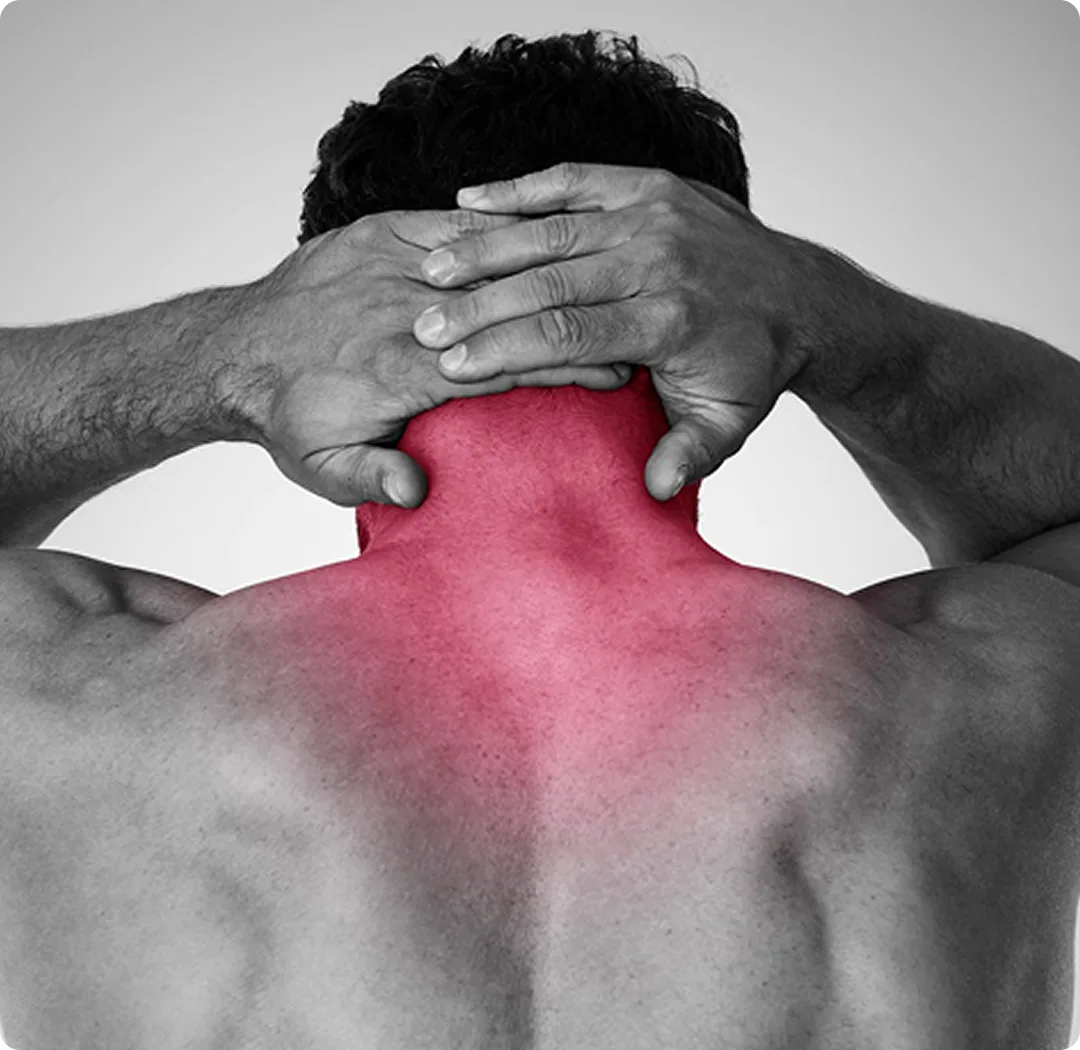
Muscle Tightness and Tension: A sensation of tightness across the back of your neck and into your shoulders often accompanies limited motion. You may feel like your neck muscles are in a constant state of contraction, creating a rope-like firmness when touched.
-
Pain with Movement: Attempting to move your neck through its restricted range typically triggers sharp, stabbing, or aching pain that stops you from completing the motion. Some patients describe a “catching” or “locking” sensation at certain points in the movement arc.
-
Compensation Patterns: When you can’t turn your neck normally, you compensate by rotating your entire upper body to look to the side. This compensatory movement becomes automatic but indicates significant motion restriction requiring evaluation.
-
Headaches: Neck stiffness frequently triggers tension headaches or cervicogenic headaches (headaches originating from the neck), particularly affecting the base of the skull and temples
-
Crepitus (Grinding or Popping): Audible or palpable grinding, clicking, or popping sensations with neck movement suggest arthritic changes or facet joint dysfunction. While often alarming, these sounds don’t always indicate serious pathology.
-
Shoulder and Upper Back Tightness: Neck stiffness rarely exists in isolation. Most patients also experience tightness and discomfort extending into the shoulders and upper back as these muscles attempt to stabilize and protect the restricted neck.
-
Protective Posturing: You may unconsciously hold your head in specific positions that minimize discomfort, often keeping your neck slightly flexed forward or tilted to avoid painful movements.
-
Sudden Locking: Some patients experience sudden, sharp pain with movement that “locks” the neck in position, making any further motion extremely painful. This typically indicates facet joint catching or acute muscle spasm.
The severity can range from mild stiffness that’s merely annoying to complete inability to move your neck, significantly impacting daily activities like driving, working, sleeping, and personal care.
How It’s Diagnosed
Dr. Booth uses a comprehensive approach to identify the specific cause of your neck stiffness and develop an effective treatment plan tailored to the underlying problem.
Clinical Evaluation
-
Detailed History: Dr. Booth will ask about how your stiffness began (sudden versus gradual onset), what makes it better or worse, the pattern throughout the day, any recent injuries or new activities, and whether you’ve experienced similar episodes previously.
-
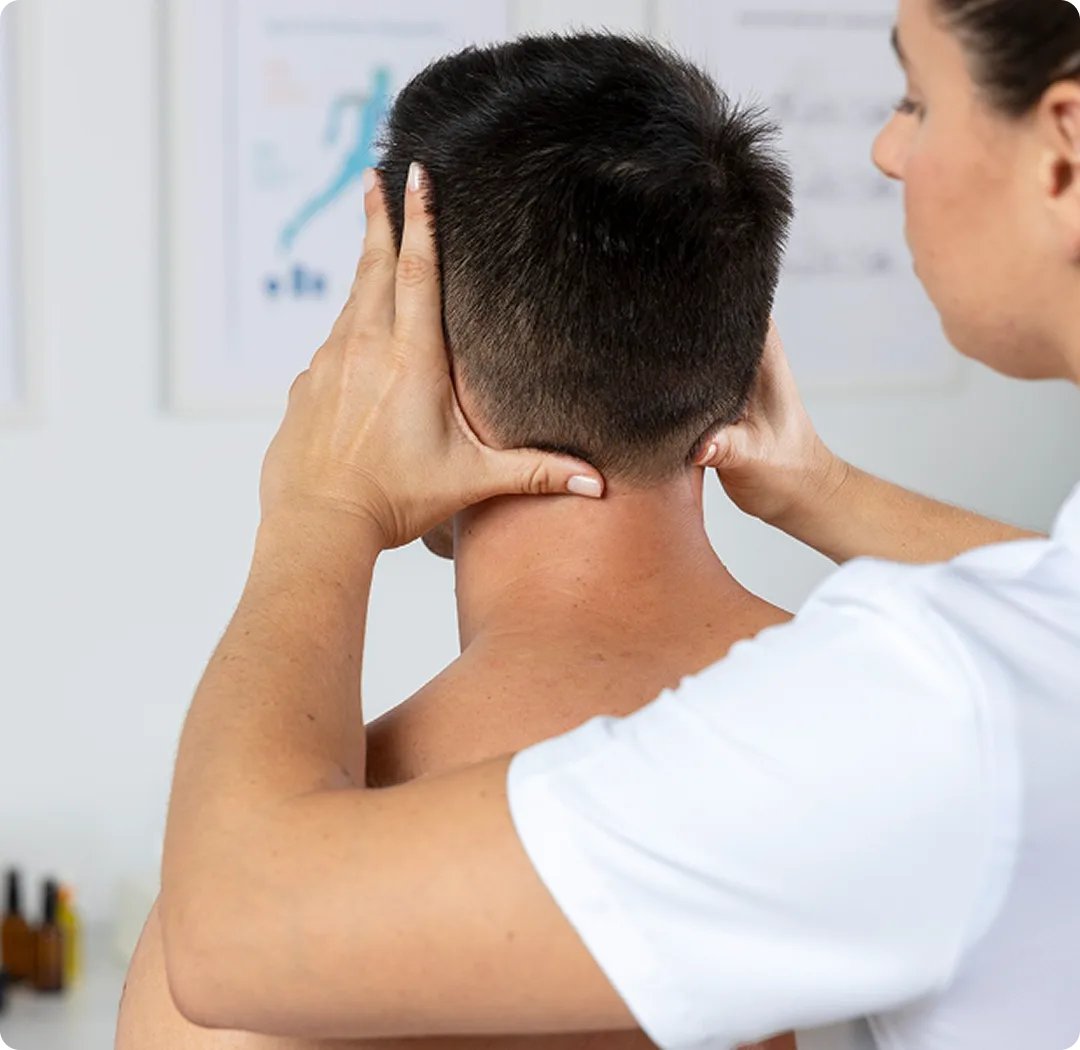
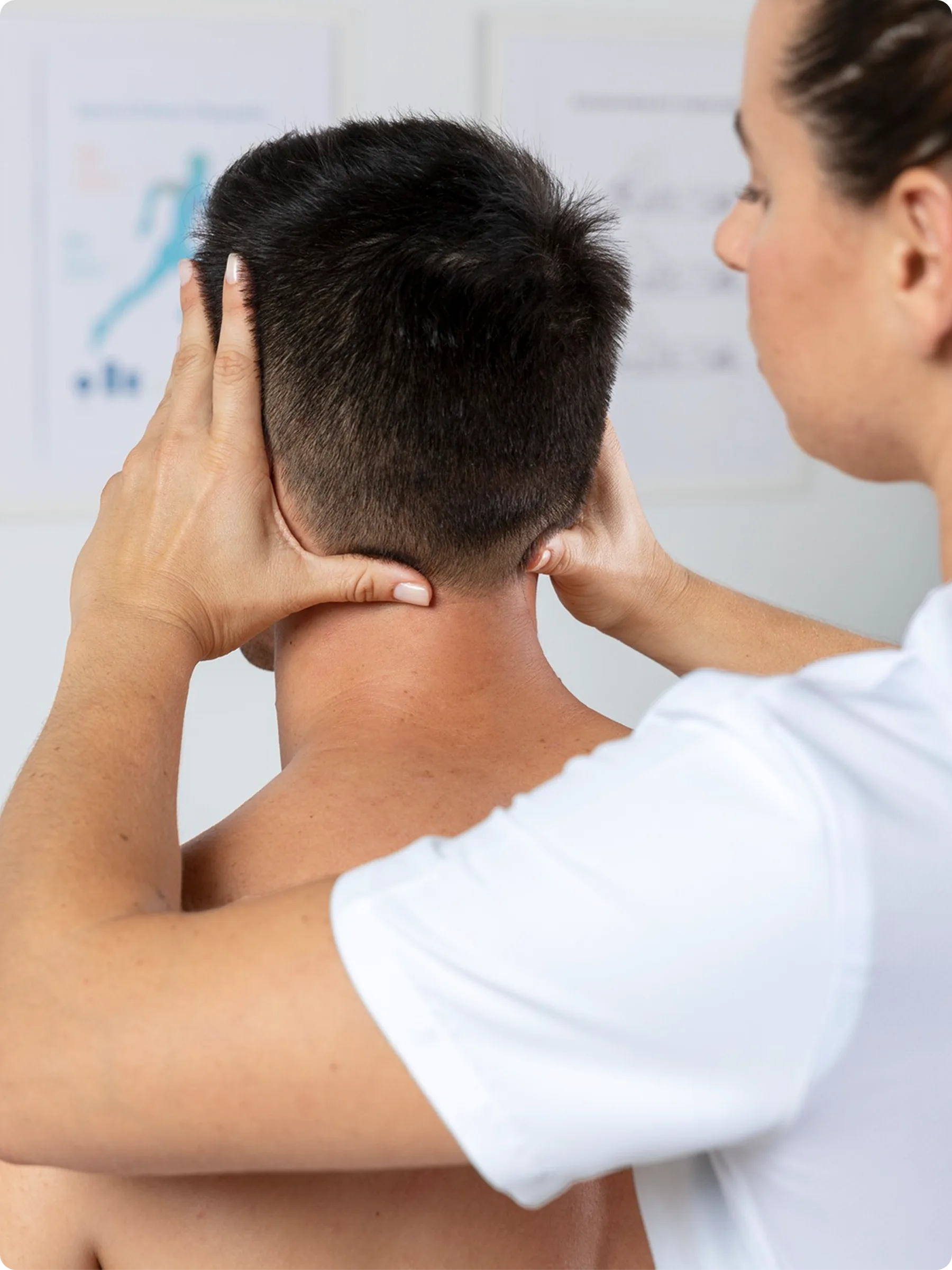
Range of Motion Assessment: Systematic measurement of your neck’s movement in all directions identifies which specific motions are restricted and by how much. This assessment includes flexion, extension, right and left rotation, and right and left lateral bending. Comparing your motion to normal ranges helps quantify the severity of restriction.
-
Palpation Examination: Dr. Booth will carefully feel along your cervical spine and surrounding muscles to identify tender points, muscle spasm, trigger points, and areas of inflammation or swelling.
-
Neurological Testing: Even when your primary complaint is stiffness, comprehensive neurological examination checks for nerve involvement that might require different treatment approaches. This includes testing sensation, strength, and reflexes in your arms and hands.
-
Postural Assessment: Evaluating your head and neck position at rest and during movement identifies postural contributors to stiffness. Forward head posture, shoulder asymmetry, and thoracic spine position all affect cervical mechanics.
-
Provocative Tests: Special maneuvers help identify specific structures causing symptoms. Facet loading tests apply gentle pressure to facet joints to reproduce familiar pain. Muscle length tests identify shortened or tight muscle groups limiting motion.
Diagnostic Imaging

-
X-rays: Standard cervical spine X-rays reveal bone alignment, disc space height, arthritic changes and bone spurs, and structural abnormalities. Dynamic (flexion-extension) X-rays show how vertebrae move relative to each other and can identify instability or hypomobility (too little movement).
-
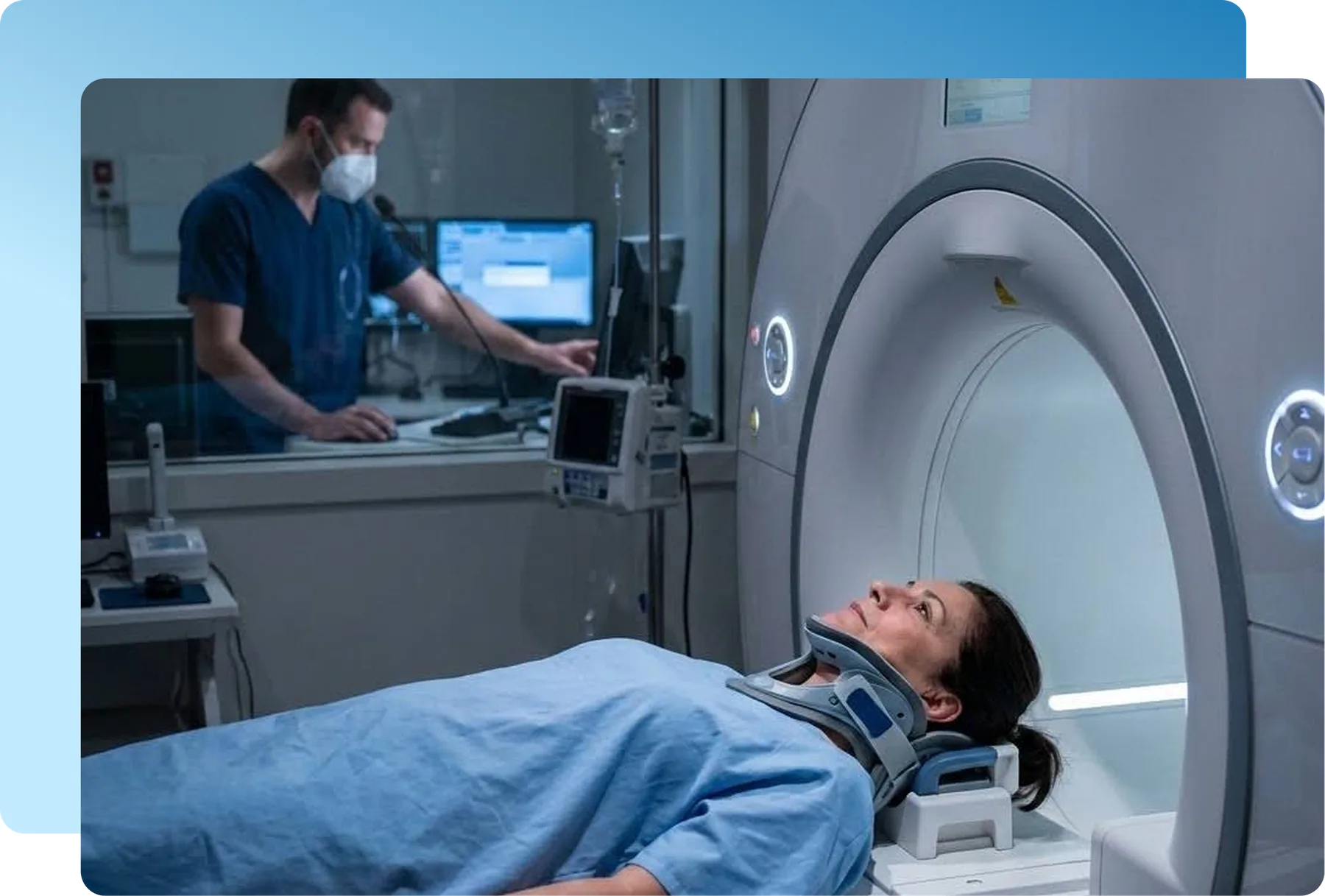
MRI (Magnetic Resonance Imaging): Provides detailed visualization of soft tissues including discs, spinal cord and nerve roots, ligaments, and muscles. MRI identifies disc herniations, spinal stenosis, inflammation, and soft tissue injuries not visible on X-rays.
-
CT Scan: Offers superior bone detail when X-rays are insufficient, particularly for evaluating complex fractures, severe arthritis, or bone spurs.
-
Diagnostic Injections: When the examination and imaging don’t provide definitive answers, diagnostic facet joint injections or nerve blocks can identify the specific pain generator. If an injection into a particular structure eliminates your stiffness temporarily, that structure is likely the primary cause.
Accurate diagnosis prevents wasted time on ineffective treatments and ensures your therapy targets the actual problem rather than just symptoms.
Conservative Treatment Options
Most patients with neck stiffness and limited range of motion experience significant improvement with non-surgical treatment. Dr. Booth’s approach emphasizes restoring normal mechanics, reducing inflammation, and preventing recurrence.
First-Line Treatments:
-
Physical Therapy: Targeted cervical rehabilitation is the cornerstone of treatment for most causes of neck stiffness. Physical therapy includes gentle range of motion exercises to restore flexibility, strengthening exercises for supporting muscles, postural retraining, manual therapy techniques (mobilization and manipulation), and education on proper body mechanics.
-
Anti-inflammatory Medications: NSAIDs like ibuprofen or naproxen reduce inflammation in joints and soft tissues, facilitating improved motion. Prescription anti-inflammatory medications may be necessary for more severe inflammation.
-
Muscle Relaxants: Short-term use helps break the cycle of muscle spasm and guarding, allowing you to participate more effectively in physical therapy and movement exercises.
-
Heat and Cold Therapy: Ice reduces acute inflammation and muscle spasm in the first 48-72 hours after symptom onset. Heat improves blood flow, relaxes muscles, and increases flexibility for chronic stiffness. Many patients benefit from alternating heat and cold.
-
Postural Modification: Correcting workplace ergonomics, adjusting sleeping positions and pillows, avoiding prolonged forward head posture, and taking frequent movement breaks throughout the day address underlying mechanical causes.
-
Gentle Stretching: Performed correctly, gentle neck stretches gradually restore lost range of motion. These should be done slowly and carefully, never forcing movement through pain.
Advanced Interventional Treatments:
When conservative care provides insufficient relief, Dr. Booth offers precision diagnostic and therapeutic procedures:
-
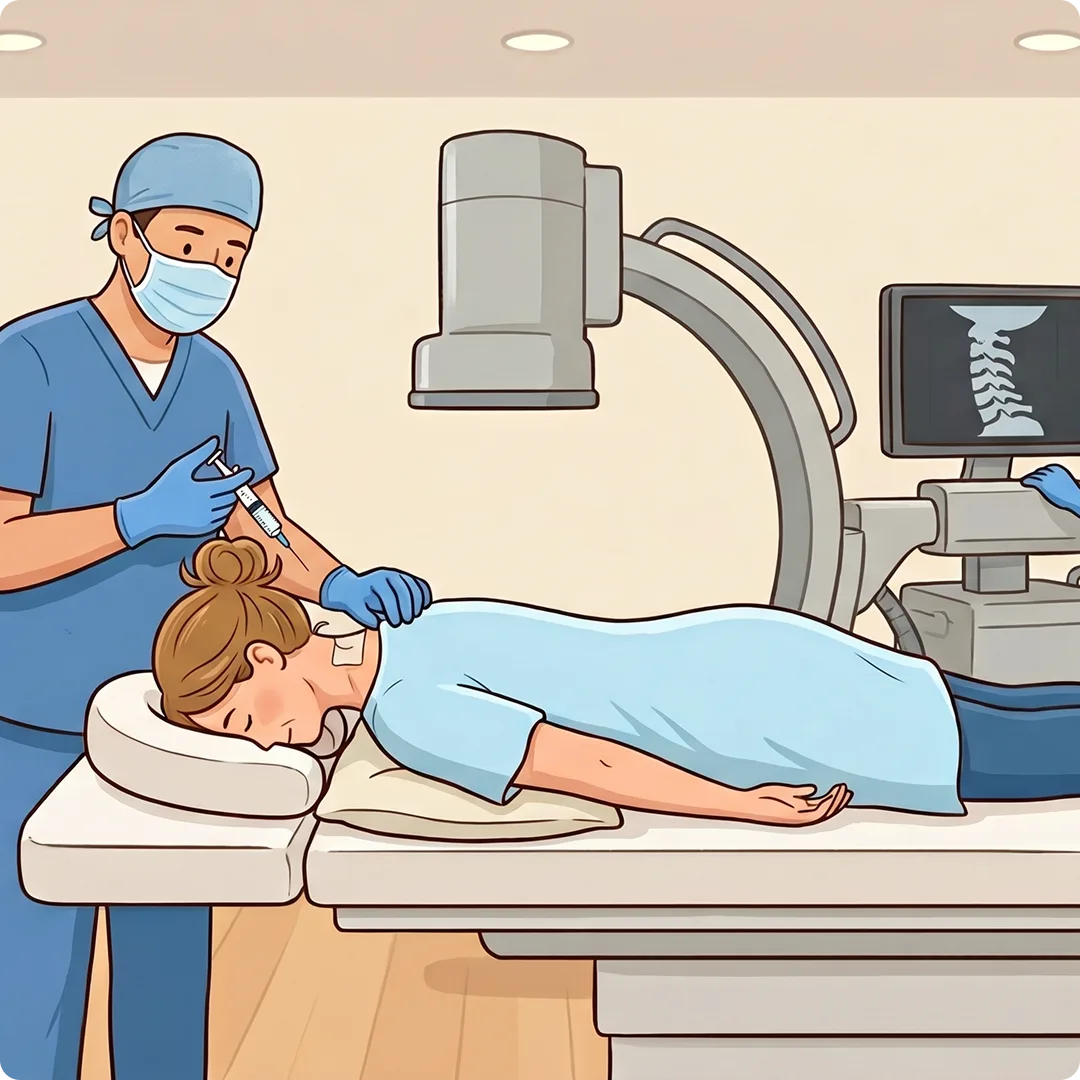
Cervical Facet Joint Injections: Corticosteroid medication delivered directly into inflamed facet joints under fluoroscopic guidance reduces inflammation and often provides dramatic improvement in motion. These injections both diagnose and treat facet-mediated stiffness.
-
Medial Branch Blocks: Diagnostic injections that anesthetize the small nerves supplying facet joints help identify whether facets are the pain source. If successful, these can be followed by radiofrequency ablation for longer-lasting relief.
-
Radiofrequency Ablation: For chronic facet joint pain causing persistent stiffness, this procedure uses heat to interrupt pain signals from affected joints, providing relief lasting six months to over a year.
-
Trigger Point Injections: Direct injection of anesthetic and sometimes corticosteroid into muscle trigger points releases tight bands and restores normal muscle function, significantly improving range of motion.
-
Epidural Steroid Injections: When disc herniation or nerve root compression contributes to protective muscle guarding and stiffness, epidural injections reduce nerve inflammation and allow muscles to relax.
Regenerative Medicine

Platelet-Rich Plasma (PRP): For certain ligament or tendon injuries causing chronic stiffness, PRP therapy promotes natural healing and tissue regeneration without surgery.
Treatment Goals:
Dr. Booth’s comprehensive approach aims to restore normal range of motion, eliminate pain with movement, address underlying mechanical or inflammatory causes, prevent recurrence through strengthening and posture correction, and return you to full activity without surgery.
Most patients notice improvement within 2-4 weeks of starting treatment, with continued gains over 6-12 weeks.
When to Seek Immediate Care
While most neck stiffness is not dangerous and improves with treatment, certain warning signs require urgent evaluation to rule out serious conditions.
Seek Emergency Care Immediately If You Experience
-
Severe headache with stiff neck and fever (possible meningitis)
-
Inability to touch chin to chest with severe headache (concerning for infection or bleeding)
-
Neck stiffness following significant trauma (car accident, fall from height)
-
Progressive weakness in arms or legs
-
Loss of bowel or bladder control
-
Difficulty breathing or swallowing
-
Severe, unrelenting neck pain unrelieved by rest or position changes
Schedule Evaluation with Dr. Booth If:
-
Stiffness persists longer than one week despite home care
-
Motion restriction significantly impacts daily activities
-
You experience recurrent episodes of neck stiffness
-
Morning stiffness lasts more than 30 minutes (suggests inflammatory arthritis)
-
Stiffness is accompanied by arm pain, numbness, or weakness
-
Over-the-counter medications provide inadequate relief
-
Previous episodes have become more frequent or severe
Early evaluation and appropriate treatment prevent chronic stiffness and avoid the development of compensatory problems in shoulders and upper back.
Restore Your Neck Mobility Today
Don’t let neck stiffness limit your life. Dr. Keley John Booth offers comprehensive evaluation and effective non-surgical treatment for all causes of neck stiffness and restricted motion at Elite Pain & Health locations throughout Oklahoma.
Get urgent care for these
- New weakness or clumsiness in the hands, or dropping objects
- Unsteady walking or a change in balance
- Loss of bladder or bowel control
- Neck pain with fever, or after a fall or collision
These need assessment now, not an appointment next week. Go to an emergency department or call 911.
Common questions about neck pain