
Neck symptom
Neck Pain Radiating Down Your Arm | Elite Pain & Health – Oklahoma
Neck Pain Radiating Down Your Arm

That sharp, burning sensation that starts in your neck and travels down your shoulder and arm isn’t just ordinary neck pain it’s your body’s way of telling you that a nerve is under pressure. If you’ve noticed tingling in your fingers, weakness in your grip, or pain that worsens when you turn your head, you may be experiencing cervical radiculopathy, commonly known as a pinched nerve in the neck.
At Elite Pain & Health, Dr. Keley John Booth, MD, specializes in accurately diagnosing and treating nerve-related neck and arm pain without surgery. Understanding what’s happening in your neck and why your arm hurts is the first step toward lasting relief.

Why It Happens

Neck pain that radiates down your arm occurs when one of the nerve roots exiting your cervical spine becomes compressed or irritated. Your neck contains seven vertebrae (C1-C7), and between each vertebra, nerve roots branch out from the spinal cord to provide sensation and motor function to your shoulders, arms, and hands.
Common Causes Include:

-
Herniated Disc: The soft, gel-like center of a spinal disc pushes through a tear in the outer layer, putting pressure on nearby nerve roots. This is the most common cause in people under 50 and can happen suddenly or develop gradually.
-
Cervical Spondylosis (Neck Arthritis): Age-related wear and tear causes the discs to degenerate and bone spurs to form. These bony overgrowths can narrow the spaces where nerves exit the spine, creating pressure on the nerve roots. This is more common in people over 50.
-
Foraminal Stenosis: The small openings (foramina) where nerves exit the spinal column become narrowed due to arthritis, disc degeneration, or thickened ligaments, compressing the nerve as it passes through.
-
Acute Injury: Whiplash from a car accident, sports injury, or fall can cause immediate disc herniation or ligament damage that affects nerve roots.
-
Poor Posture: Prolonged forward head posture common with computer work and smartphone use places abnormal stress on cervical discs and facet joints, potentially leading to nerve compression over time.
The specific location of your arm pain, numbness, or weakness can help identify which nerve root is affected. For example, C6 nerve compression typically causes pain radiating to the thumb and index finger, while C7 involvement affects the middle finger and triceps.
What It Feels Like

Cervical radiculopathy presents differently for everyone, but patients consistently describe certain characteristic symptoms that distinguish it from other types of neck or shoulder pain.
Typical Symptoms Include:
-
Sharp or Burning Pain: The pain often starts in the neck and shoots down the shoulder, following a specific pathway into the arm, forearm, or hand. Many patients describe it as “electric” or “stabbing.”
-
Numbness and Tingling: You may experience pins-and-needles sensations, numbness, or a “falling asleep” feeling in specific areas of your arm or fingers usually following the distribution of the affected nerve.
-
Muscle Weakness: Difficulty gripping objects, lifting your arm, or performing fine motor tasks like buttoning a shirt or writing may indicate nerve involvement affecting motor function.
-
Pain That Changes with Position: Symptoms often worsen when you extend your neck backward, turn your head toward the affected side, or perform overhead activities. Many patients find relief by placing their hand on top of their head, which temporarily reduces nerve root pressure.
-
One-Sided Symptoms: Cervical radiculopathy typically affects only one arm at a time, though in rare cases both sides can be involved.
-
Shoulder Blade Pain: Up to 50% of patients report deep, aching pain between the shoulder blade and spine that doesn’t respond to stretching or massage this is referred pain from the compressed nerve root.

Unlike shoulder injuries that hurt primarily with overhead reaching, pinched nerve pain often feels better when you raise your arm above your head. This distinction helps differentiate nerve-related pain from rotator cuff or shoulder joint problems.
How It’s Diagnosed
Dr. Booth uses a comprehensive, systematic approach to diagnose the cause of your radiating arm pain and rule out other conditions that can mimic cervical radiculopathy.

Diagnostic Process
-
Detailed Medical History: Dr. Booth will ask about when your symptoms started, what makes them better or worse, any recent injuries, and how the pain affects your daily activities and sleep.
-
Physical Examination: A thorough neck, shoulder, arm, and hand examination checks for muscle weakness, changes in reflexes, loss of sensation, and specific dermatomal patterns that indicate which nerve root is involved.
-
Provocative Testing: Special maneuvers like Spurling’s test (gently compressing the head toward the affected side) can reproduce symptoms and confirm nerve root compression. The shoulder abduction relief sign (pain improves with arm raised) strongly suggests cervical radiculopathy.
-
Range of Motion Assessment: Observing how neck movements affect your symptoms helps differentiate mechanical neck pain from nerve-related pain.
Image-Guided Diagnosis
-
MRI (Magnetic Resonance Imaging): The gold standard for visualizing soft tissues, discs, nerve roots, and the spinal cord. MRI clearly shows disc herniations, spinal stenosis, and nerve compression without radiation exposure.
-
X-rays: Evaluate bone alignment, detect bone spurs, assess disc space height, and rule out fractures or instability.
-
CT Scan with or without Myelogram: Provides detailed bone imaging and can be used when MRI is contraindicated or to better visualize bony changes.
-
Electrodiagnostic Studies (EMG/NCS): Nerve conduction studies and electromyography can confirm nerve damage, identify which specific nerve root is affected, and assess the severity of nerve injury.
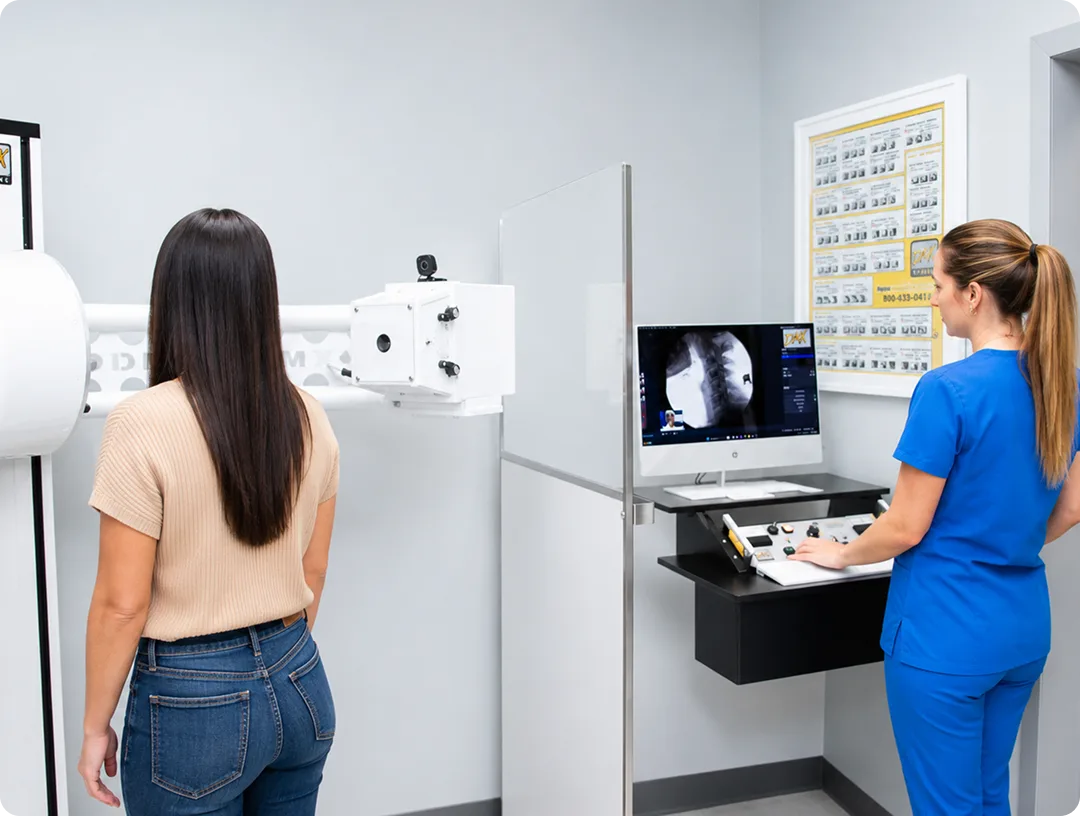
Accurate imaging is essential because it guides treatment decisions and helps avoid unnecessary surgery. Dr. Booth interprets imaging findings in the context of your symptoms not all abnormalities seen on MRI cause pain, so correlation with your clinical presentation is critical.
Conservative Treatment Options
Most patients with cervical radiculopathy improve significantly with non-surgical, conservative care. Dr. Booth’s treatment philosophy emphasizes stepwise progression through evidence-based therapies designed to reduce nerve inflammation, promote healing, and restore function.
First-Line Conservative Care:
-
Activity Modification: Avoid positions and activities that provoke symptoms, especially prolonged forward head posture, overhead reaching, and heavy lifting. Ergonomic adjustments at work and home can significantly reduce nerve irritation.
-
Physical Therapy: Targeted exercises strengthen neck and shoulder blade muscles, improve posture, and restore normal neck mechanics. Gentle traction and manual therapy techniques can help relieve nerve pressure.
-
Anti-inflammatory Medications: NSAIDs like ibuprofen or naproxen reduce inflammation around compressed nerves. Prescription medications may be necessary for more severe inflammation.
-
Muscle Relaxants: Short-term use can help if muscle spasm is contributing to nerve compression or pain.
-
Cervical Collar (Short-Term): Brief use of a soft collar allows neck muscles to rest during acute flare-ups, but prolonged use can weaken muscles and should be avoided.

Advanced Interventional Treatments:
When conservative measures provide insufficient relief, Dr. Booth offers precise, image-guided procedures:
-
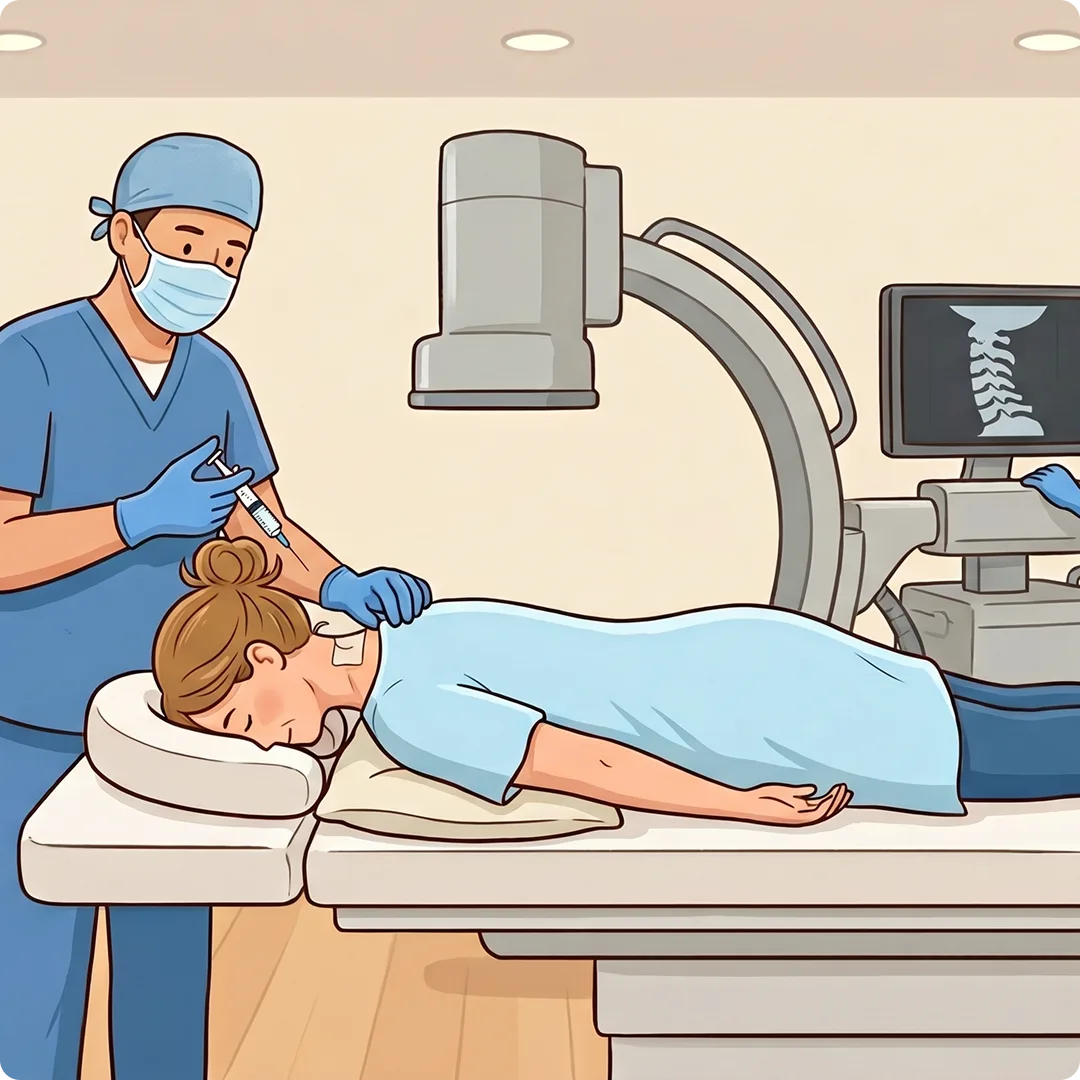
Epidural Steroid Injections: Cortisone medication delivered directly to the inflamed nerve root under fluoroscopic (X-ray) guidance provides powerful anti-inflammatory relief, often allowing patients to participate more effectively in physical therapy.
-
Selective Nerve Root Blocks: Diagnostic and therapeutic injections target the specific nerve root causing symptoms, providing both confirmation of the pain source and significant pain relief.
-
Cervical Facet Joint Injections: When facet joint arthritis contributes to nerve irritation, targeted injections can reduce pain and improve function.
-
Radiofrequency Ablation: For chronic pain related to facet joints, this procedure uses heat to interrupt pain signals from affected joints, providing longer-lasting relief than injections alone.
Regenerative Medicine

Dr. Booth may recommend regenerative therapies like platelet-rich plasma (PRP) to promote natural healing of damaged disc tissue and reduce inflammation without the risks of surgery or long-term medication use.
The goal is always to avoid surgery while maximizing your function, reducing pain, and addressing the underlying cause of nerve compression.
When to Seek Immediate Care
While most cervical radiculopathy improves with conservative treatment, certain warning signs require urgent evaluation:
Seek Immediate Medical Attention If You Experience:
-
Progressive weakness in your arm or hand, especially difficulty gripping, lifting, or performing fine motor tasks
-
Loss of bowel or bladder control (suggests spinal cord compression a medical emergency)
-
Numbness in the saddle region (inner thighs and buttocks)
-
Difficulty walking or balance problems (may indicate cervical myelopathy)
-
Arm weakness in both arms simultaneously
-
Symptoms following significant trauma (fall, car accident)
-
Severe, unrelenting pain that doesn’t respond to any position changes or medication
Schedule an Evaluation with Dr. Booth If:
-
Your symptoms persist longer than one week despite home care
-
Pain significantly interferes with sleep, work, or daily activities
-
You experience recurrent episodes of radiating arm pain
-
Numbness or tingling progresses or worsens
-
You want to avoid surgery but need more than basic conservative care
Early intervention with accurate diagnosis and appropriate treatment prevents chronic pain and avoids the need for surgery in most cases.
Take the Next Step Toward Restoring Normal Sensation
Don’t let hand numbness and tingling disrupt your life or lead to permanent nerve damage. Dr. Keley John Booth provides comprehensive diagnostic evaluation and effective non-surgical treatment for cervical-origin numbness and tingling at Elite Pain & Health locations throughout Oklahoma.
Get urgent care for these
- New weakness or clumsiness in the hands, or dropping objects
- Unsteady walking or a change in balance
- Loss of bladder or bowel control
- Neck pain with fever, or after a fall or collision
These need assessment now, not an appointment next week. Go to an emergency department or call 911.
Common questions about neck pain