
Minimally Invasive • Image-Guided
Relieve Knee Pain Without Surgery
Evidence-guided evaluation, diagnostics, and non-surgical options before invasive surgery. Book in minutes or refer a patient here.

Start here
Elite Knee Studio
Explore your knee in 3D
See your knee from different angles and compare meniscus tears. Mark areas you want to discuss with your care team.
Explore Knee Studio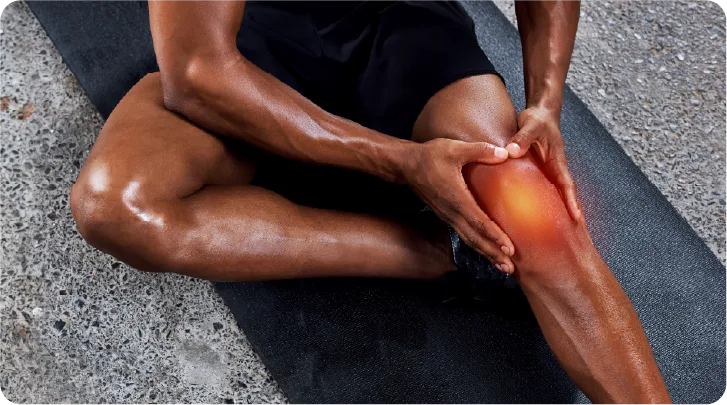

Symptoms
Start here if you know how it feels but not what it is.
- Knee Stiffness or Limited Range of Motion | Elite Pain & Health – Oklahoma
- Knee Instability or “Giving Way” | Elite Pain & Health – Oklahoma
- Knee Swelling (Effusion) | Elite Pain & Health – Oklahoma
- Knee Pain | Elite Pain & Health – Oklahoma
- Popping, Clicking, or Locking Knee | Elite Pain & Health – Oklahoma
- Warmth, Redness, or Tenderness in the Knee | Elite Pain & Health – Oklahoma

Conditions & Diagnoses
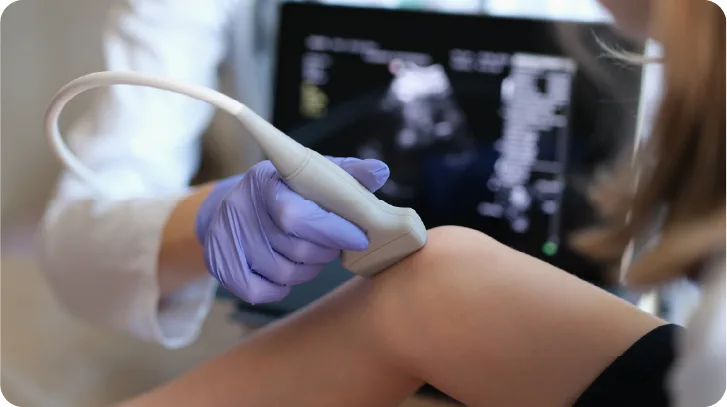
Conditions we identify and confirm before treating.
- Meniscus Tear | Elite Pain & Health – Oklahoma
- Osteoarthritis of the Knee | Elite Pain & Health – Oklahoma
- Medial Collateral Ligament (MCL) Injury | Elite Pain & Health – Oklahoma
- Anterior Cruciate Ligament (ACL) Injury | Elite Pain & Health – Oklahoma
- Posterior Cruciate Ligament (PCL) Injury | Elite Pain & Health – Oklahoma
- Patellofemoral Pain Syndrome | Elite Pain & Health – Oklahoma
- Iliotibial Band Syndrome (ITBS) | Elite Pain & Health – Oklahoma
- Chondromalacia Patella / Cartilage Injury | Elite Pain & Health – Oklahoma
- Baker’s Cyst | Elite Pain & Health – Oklahoma

Treatments
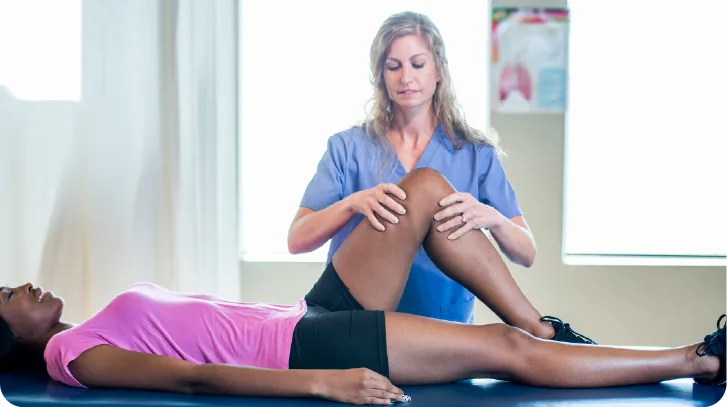
Non-surgical options, from conservative care upward.
Conservative Knee MeasuresLeast Invasive
- Activity Modification & Rest for Knee Pain | Elite Pain & Health – Oklahoma
- Bracing & Support Devices for Knee Pain | Elite Pain & Health – Oklahoma
- Ice & Heat Therapy for Knee Pain | Elite Pain & Health – Oklahoma
- Oral Over-the-Counter Medications for Knee Pain | Elite Pain & Health – Oklahoma
- Topical Medications for Knee Pain | Elite Pain & Health – Oklahoma
- Oral Prescription Medications for Knee Pain | Elite Pain & Health – Oklahoma
- Supplements & Nutraceuticals for Knee Pain | Elite Pain & Health – Oklahoma
Rehabilitation & Assistive Modalities
Injection-Based TherapiesNon-Orthobiologic
- Prolotherapy for Knee Pain | Elite Pain & Health – Oklahoma
- Corticosteroid Injections for Knee Pain | Elite Pain & Health – Oklahoma
- Image-Guided Corticosteroid Injections for Knee Pain | Elite Pain & Health – Oklahoma
- Hyaluronic Acid Injections (Viscosupplementation) for Knee Pain | Elite Pain & Health – Oklahoma
- Genicular Nerve Blocks & Hydrodissection for Knee Pain | Elite Pain & Health – Oklahoma
- Radiofrequency Ablation (RFA) of Genicular Nerves for Knee Pain | Elite Pain & Health – Oklahoma
Orthobiologic & Regenerative Therapies
- Platelet-Rich Plasma (PRP) Injections for Knee Pain | Elite Pain & Health – Oklahoma
- PRP Combined with Hyaluronic Acid (Hybrid Therapy) for Knee Pain | Elite Pain & Health – Oklahoma
- Bone Marrow Concentrate (BMC) Injections for Knee Pain | Elite Pain & Health – Oklahoma
- Bone Marrow Aspirate Concentrate (BMAC) for Bone Augmentation & Intraosseous Injections | Elite Pain & Health – Oklahoma
- Microfragmented Adipose Tissue (MFAT) Injections for Knee Pain | Elite Pain & Health – Oklahoma
- Why Dr. Booth Does Not Recommend Amniotic or Birth Tissue–Derived Injections | Elite Pain & Health – Oklahoma
Surgical ProceduresMost Invasive
For referring clinicians
Same-week evaluations, image-guided diagnostics, and rapid feedback.
Get urgent care for these
- The knee cannot bear any weight after an injury
- Obvious deformity, or the kneecap is out of place
- A hot, swollen, red knee with fever
- Sudden severe swelling within minutes of an injury
These need assessment now, not an appointment next week. Go to an emergency department or call 911.
Common questions
What are orthobiologic knee procedures?They use your own bone-marrow or blood-derived cells to restore damaged cartilage.
Expanded Answer: Bone-marrow concentrate (BMAC) or Platelet-Rich Plasma (PRP) is prepared from your own tissue and injected into areas of knee cartilage damage under X-ray or ultrasound guidance. These concentrated growth factors help support healing and tissue repair. Ideal candidates have moderate arthritis but still preserved joint space.
What can I expect after a PRP or bone-marrow procedure?Soreness first, improvement later.
Expanded Answer: Expect temporary stiffness or aching for several days. Avoid anti-inflammatory drugs for two weeks. Light activity and gentle therapy start within a week. Noticeable improvement typically appears between 4–12 weeks and continues up to a year.
How soon after a joint injection should physical therapy start?Usually within 5–10 days.
Expanded Answer: Gentle movement maintains flexibility and reinforces treatment benefits. Therapy intensity is gradually increased to avoid flare-ups. If pain rises more than two points above baseline, the exercise should be modified or paused.
Why does my knee ache after walking long distances even without swelling?Microscopic cartilage stress and weak hip muscles.
Expanded Answer: Repetitive loading irritates cartilage and tendons even when swelling isn’t visible. Weak hip and gluteal muscles shift more load into the knee. Strengthening hips, quads, and core muscles usually decreases knee strain more effectively than rest alone.
How do you tell if leg pain is from the back or from a knee or hip problem?Back-related pain often travels below the knee; joint pain usually stays local.
Expanded Answer: Nerve compression in the spine causes sharp, shooting pain radiating past the knee or into the foot. Hip or knee arthritis causes localized aching or stiffness without tingling. Physical exam and imaging help determine whether the pain is spinal, joint, or both.
What are the main differences between PRP and bone-marrow (BMAC) injections?PRP supports soft-tissue repair; bone marrow helps with deeper bone and cartilage support.
Expanded Answer: PRP is made from a small blood draw and is ideal for tendon, ligament, and mild cartilage conditions. Bone-marrow concentrate includes additional healing factors suited for advanced joint wear or larger defects. Both are produced from your own body but differ in concentration and purpose.
What is the success rate of PRP or bone-marrow injections?About 70–85% of patients report meaningful improvement.
Expanded Answer: Research shows significant pain reduction and improved function in most patients with mild to moderate arthritis or overuse injuries. Results depend on severity, injection accuracy, and rehabilitation consistency, typically peaking at 3–6 months.
How soon can I return to sports or heavy activity after a PRP or bone-marrow procedure?Light activity after one week; gradual return by 6–8 weeks.
Expanded Answer: Most patients begin low-impact motion within days and resume full activity once soreness resolves. High-intensity or contact sports should wait until cleared by your provider. Regenerative tissue strengthening continues for months patience maximizes results.
Can I get multiple areas treated during one procedure?Yes, if medically appropriate.
Expanded Answer: Because these orthobiologic materials are freshly prepared from your blood or marrow, several joints such as both knees or a knee plus shoulder can often be treated in the same session. Your provider determines safe total volume and dosing to maintain concentration.
How do you prepare for a PRP or bone-marrow procedure?Stay hydrated, stop anti-inflammatories, and eat normally.
Expanded Answer: Avoid NSAIDs for 1–2 weeks before treatment. Drink plenty of water before your appointment. Eat a light meal, wear loose clothing, and arrange a ride if sedation will be used. Patients on blood-thinners or with immune conditions should discuss adjustments with their provider.
How much does PRP or bone-marrow therapy cost?PRP averages $1,500–$2,500; bone-marrow procedures $6,000–$8,500.
Expanded Answer: Pricing depends on body region, preparation method, and clinical complexity. Most insurance plans classify orthobiologic procedures as elective. Payment options may include health-savings accounts or CareCredit. Clinics provide itemized estimates for transparency and tax documentation.
How long do regenerative injections take to work?Most patients notice improvement within 4–12 weeks.
Expanded Answer: Early soreness is expected as inflammation triggers repair. New collagen and remodeling continue for months. Some patients plateau around three months; others improve up to a year, depending on joint health and rehab adherence.
Can orthobiologic injections help after joint replacement?Not inside a replaced joint, but they may help surrounding tissue.
Expanded Answer: Once an artificial implant is in place, biologic materials can’t attach to metal or plastic surfaces. However, PRP can reduce inflammation and scar-tissue pain in muscles and ligaments around a replacement, and may help protect nearby joints from overload.
What lifestyle factors slow down healing after joint procedures?Smoking, poor sleep, and uncontrolled blood sugar.
Expanded Answer: Nicotine restricts blood flow, poor sleep disrupts hormone cycles, and high glucose impairs collagen repair. Optimizing sleep, hydration, protein intake, and vitamin D supports faster recovery after injections or surgery.
How long should I continue physical therapy after a regenerative procedure?Typically 6–8 weeks of guided sessions plus home exercise.
Expanded Answer: The first month focuses on mobility and pain control, followed by strengthening and endurance. Patients who maintain consistent home exercise routines retain benefits longer and reduce recurrence risk. Skipping rehab limits long-term results.