
Knee symptom
Knee Instability or “Giving Way” | Elite Pain & Health – Oklahoma
Knee Instability or “Giving Way”

Feeling like your knee might buckle, collapse, or roll out from under you can be alarming and sometimes dangerous. This sensation of instability or “giving way” often signals that key stabilizing structures within your knee aren’t functioning properly.
At Elite Pain & Health – Oklahoma, Dr. Keley John Booth, MD, specializes in diagnosing the true cause of knee instability using image-guided evaluation and conservative, stepwise care that restores joint control and confidence in movement without unnecessary surgery.
Why It Happens

The knee is stabilized by a coordinated network of ligaments, muscles, tendons, and cartilage. Instability occurs when one or more of these structures is weakened, stretched, or damaged.
Common causes include:

-
Ligament injury - such as ACL, PCL, MCL, or LCL sprains or tears
-
Meniscus tear – compromising the knee’s shock absorption and mechanical stability
-
Muscle weakness or imbalance – especially in the quadriceps, hamstrings, or hip stabilizers
-
Kneecap (patellar) tracking issues – where the kneecap shifts abnormally during movement
-
Arthritis or cartilage wear – causing irregular joint surfaces
-
Nerve irritation or proprioceptive deficits – reducing coordination and joint awareness
Because “giving way” can result from multiple overlapping issues, a thorough, image-guided diagnosis is essential to target the true source of instability.
What It Feels Like

Knee instability can range from a subtle “wobble” to a dramatic collapse. Patients often describe:
-
A buckling or collapsing sensation when walking, pivoting, or going down stairs
-
Sudden loss of control when changing direction
-
Clicking, catching, or shifting within the joint
-
Pain or swelling after episodes of instability
-
Fear or hesitation to move normally, especially after injury
In many cases, instability may coexist with other symptoms like swelling, stiffness, or pain*, particularly after ligament or meniscus damage*
How It’s Diagnosed

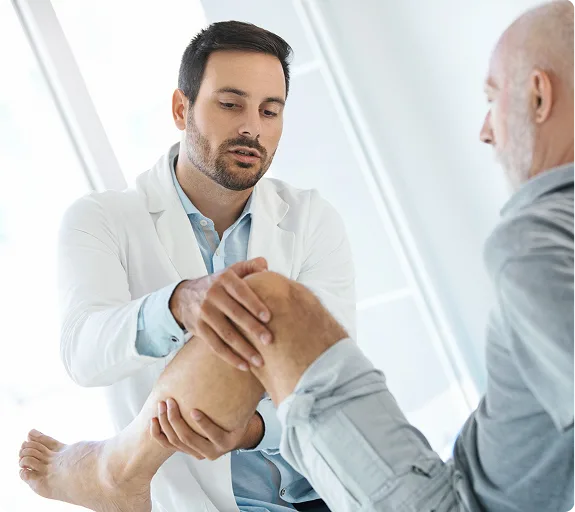
Dr. Booth uses a precise, image-guided approach to identify the root cause of instability. The evaluation typically includes:
-
Physical exam assessing ligament integrity, range of motion, and muscle balance
-
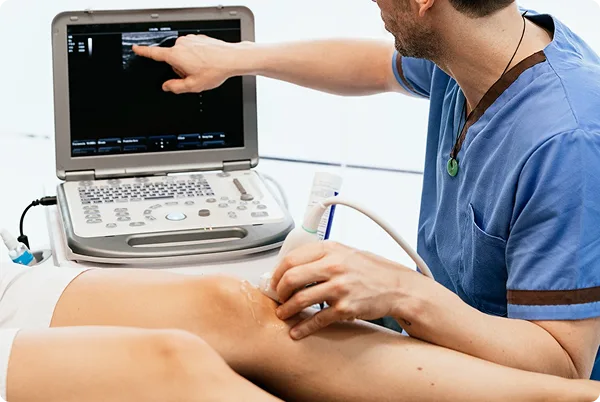
Ultrasound imaging to visualize tendons, ligaments, and soft tissue dynamics
-
X-rays to assess joint alignment and bone structure
-
MRI to detect ligament tears, meniscus damage, or cartilage loss
-
Fluoroscopic or ultrasound-guided diagnostic injections to isolate painful or unstable areas
These advanced techniques allow for a highly accurate diagnosis and a tailored treatment plan designed to restore control and prevent reinjury.
Conservative Treatment
Dr. Booth’s treatment philosophy emphasizes stability restoration without surgery whenever possible. Depending on the diagnosis, care may include:
-
Targeted physical therapy to strengthen stabilizing muscles and retrain movement patterns
-
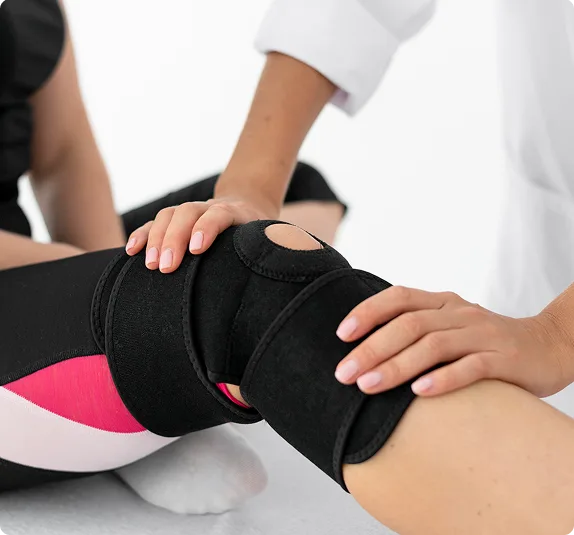
Functional bracing for short-term support during recovery
-
Anti-inflammatory or regenerative injections (e.g., platelet-rich plasma or prolotherapy) to promote ligament healing
-
Neuromuscular re-education to improve balance and joint proprioception
-
Activity modification to reduce stress while maintaining mobility
When instability results from arthritis or degenerative wear, image-guided regenerative treatments can often restore function without resorting to joint replacement.
When to Seek Care
You should seek professional evaluation if:
-
Your knee buckles or gives out more than once
-
You cannot trust your knee during daily activities
-
You notice swelling, pain, or clicking after instability episodes
-
You have a history of sports injury or trauma
-
You fear falling or have already experienced one due to your knee
Addressing instability early prevents further ligament damage and helps avoid surgical reconstruction in many cases.
Take the Next Step
You don’t have to live with the fear of your knee “giving out.” Early diagnosis and image-guided treatment can help you regain strength, balance, and confidence in every step.
Get urgent care for these
- The knee cannot bear any weight after an injury
- Obvious deformity, or the kneecap is out of place
- A hot, swollen, red knee with fever
- Sudden severe swelling within minutes of an injury
These need assessment now, not an appointment next week. Go to an emergency department or call 911.
Common questions about knee pain