
Knee condition or diagnosis
Medial Collateral Ligament (MCL) Injury | Elite Pain & Health – Oklahoma
Medial Collateral Ligament (MCL) Injury

If you’ve ever felt pain or tenderness along the inner side of your knee especially after twisting, falling, or a sports collision you may have injured your medial collateral ligament (MCL). This strong band of tissue helps stabilize your knee and prevent it from collapsing inward.
At Elite Pain & Health – Oklahoma, Dr. Keley John Booth, MD, provides image-guided diagnosis and stepwise conservative treatment for MCL sprains and tears, helping patients recover stability and strength while avoiding unnecessary surgery.
Why It Happens

The MCL connects the femur (thighbone) to the tibia (shinbone) along the inside of the knee. It resists inward bending (valgus stress). When excessive force stretches or tears this ligament, pain, swelling, and instability develop.
Common causes include:

-
Sports injuries — direct impact to the outer knee (football, soccer, skiing)
-
Twisting or awkward landing during movement
-
Sudden direction changes causing knee collapse inward
-
Repetitive stress or chronic strain from poor alignment or instability
-
Combined injuries involving the ACL or meniscus
Occasional painless popping can occur when small gas bubbles form and release within the joint fluid, this is normal and not a sign of damage. Persistent or painful popping, however, deserves medical evaluation.
What It Feels Like

Symptoms vary by severity but typically include:
-
Pain and tenderness along the inner (medial) side of the knee
-
Swelling or stiffness within 24–48 hours
-
Instability or giving way when walking or pivoting
-
Difficulty fully straightening or bending the knee
-
Pain when pressing on the inside of the joint
Milder sprains often allow walking but cause discomfort with side-to-side movements.
How It’s Diagnosed

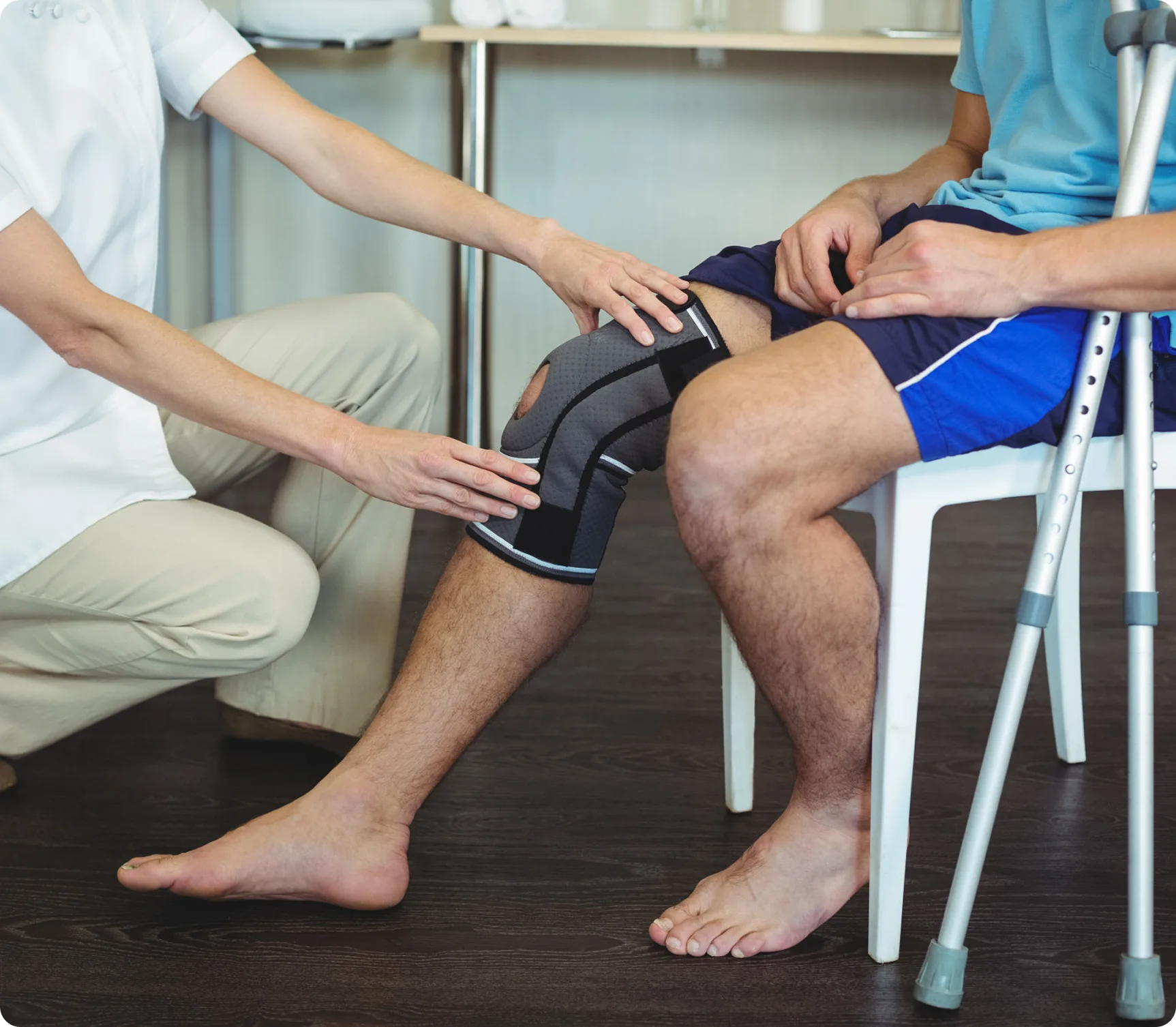
At Elite Pain & Health, Dr. Booth uses advanced imaging and functional evaluation to determine the extent of MCL damage and whether other knee structures are involved.
-
Detailed physical examination with specific ligament stress tests
-
Ultrasound imaging to visualize MCL fibers and inflammation
-
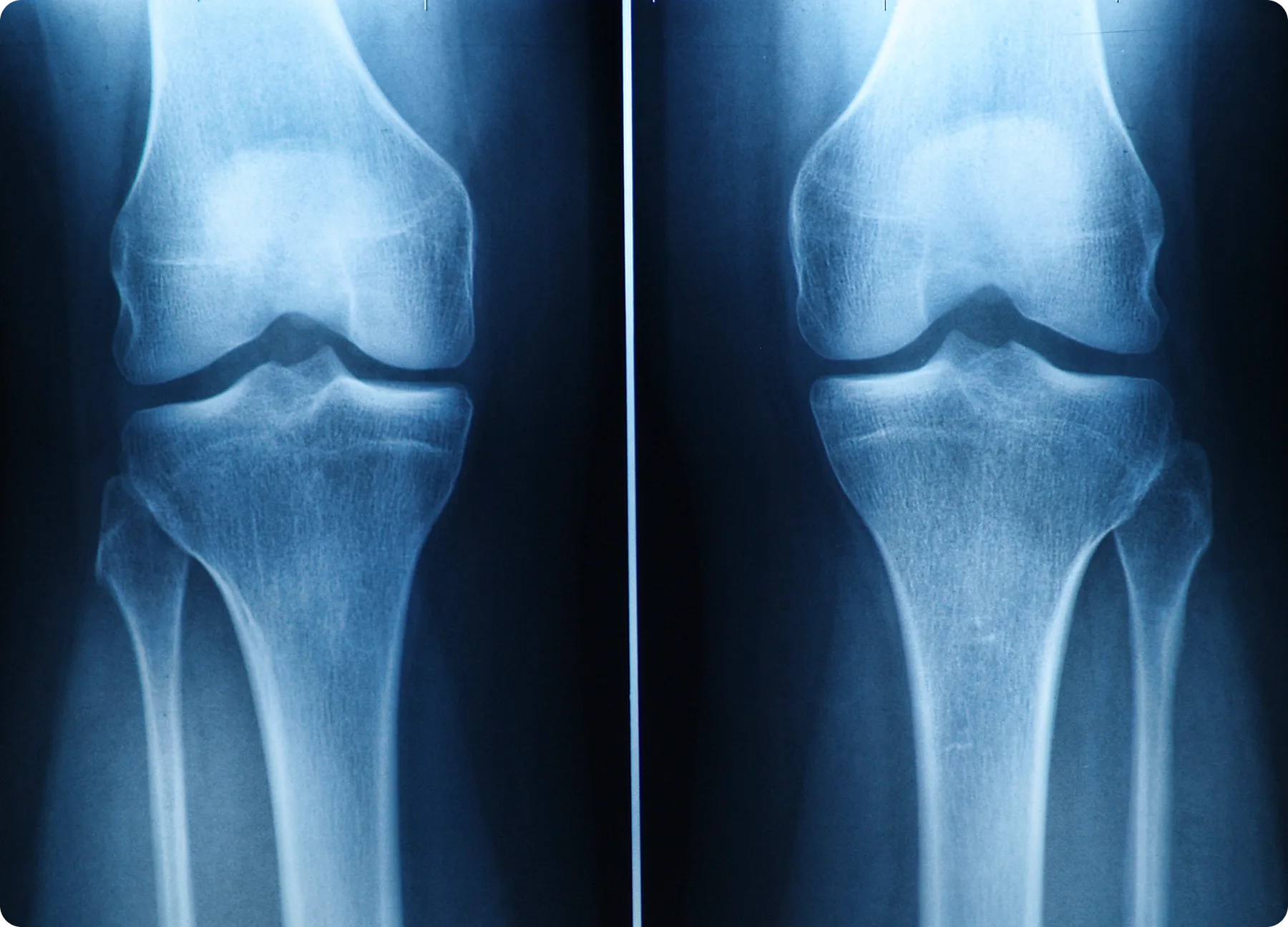
X-rays to rule out fractures or joint misalignment
-
MRI to assess full ligament integrity and any coexisting injuries
-
Fluoroscopic or ultrasound-guided diagnostic injections if multiple pain sources are suspected
This precise evaluation allows Dr. Booth to personalize your recovery plan and avoid overtreatment.
Conservative Treatment
Most MCL injuries heal successfully without surgery using Dr. Booth’s evidence-based, image-guided approach. Treatment options include:
-
Rest, bracing, and activity modification to protect healing tissue
-
Cold therapy and anti-inflammatory measures to reduce pain and swelling
-
Image-guided regenerative injections (e.g., PRP or prolotherapy) to stimulate healing
-
Physical therapy to restore strength, range of motion, and balance
-
Gradual return-to-activity programs to rebuild stability and prevent reinjury

For severe (Grade 3) tears or combined ligament injuries, Dr. Booth coordinates multidisciplinary care and advanced regenerative options to promote optimal ligament repair.
When to Seek Care
You should schedule an evaluation if:
-
You felt a pop or pull on the inner knee after injury
-
The knee feels unstable or weak
-
There’s swelling, bruising, or pain along the inside of the joint
-
You cannot fully extend or bend the knee
-
Pain persists despite rest or over-the-counter measures
Prompt, image-guided care helps ensure proper healing and prevents chronic instability.
Take the Next Step
If you’ve injured your knee or feel inner-knee pain or instability, expert image-guided diagnosis and early conservative care can help you heal faster and stronger without surgery.
Get urgent care for these
- The knee cannot bear any weight after an injury
- Obvious deformity, or the kneecap is out of place
- A hot, swollen, red knee with fever
- Sudden severe swelling within minutes of an injury
These need assessment now, not an appointment next week. Go to an emergency department or call 911.
Common questions about knee pain