
Knee treatment
Activity Modification & Rest for Knee Pain | Elite Pain & Health – Oklahoma
Activity Modification & Rest for Knee Pain

Knee pain often develops gradually from repetitive strain, overuse, or improper movement patterns. Whether caused by arthritis, tendonitis, or a sports injury, one of the first and most effective treatment steps is activity modification and rest.
At Elite Pain & Health – Oklahoma, Dr. Keley John Booth emphasizes a balanced, evidence-based approach that allows the knee to recover while maintaining overall function. The goal isn’t complete inactivity it’s strategic rest paired with safe motion to prevent stiffness, muscle loss, and chronic inflammation.
Osteoarthritis of the Knee
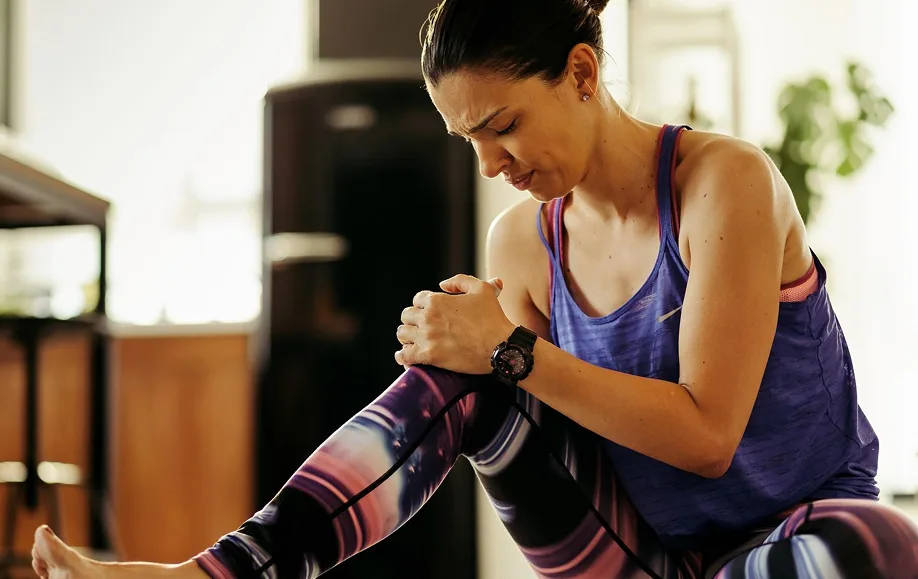
Knee osteoarthritis (OA) is one of the most common causes of chronic knee pain and stiffness, especially as we age. It occurs when the smooth cartilage that cushions your knee joint gradually wears away, allowing bones to rub together. This friction leads to inflammation, swelling, and pain that can make walking or standing difficult.
At Elite Pain & Health – Oklahoma, Dr. Keley John Booth, MD, provides image-guided diagnosis and conservative, regenerative treatment options designed to relieve pain, preserve mobility, and delay or even avoid surgery.
Why It Happens

When knee tissues such as cartilage, ligaments, or tendons are overloaded or irritated, microscopic damage triggers inflammation and pain. Continuing high-impact or repetitive activities (running, squatting, kneeling, etc.) prevents healing.
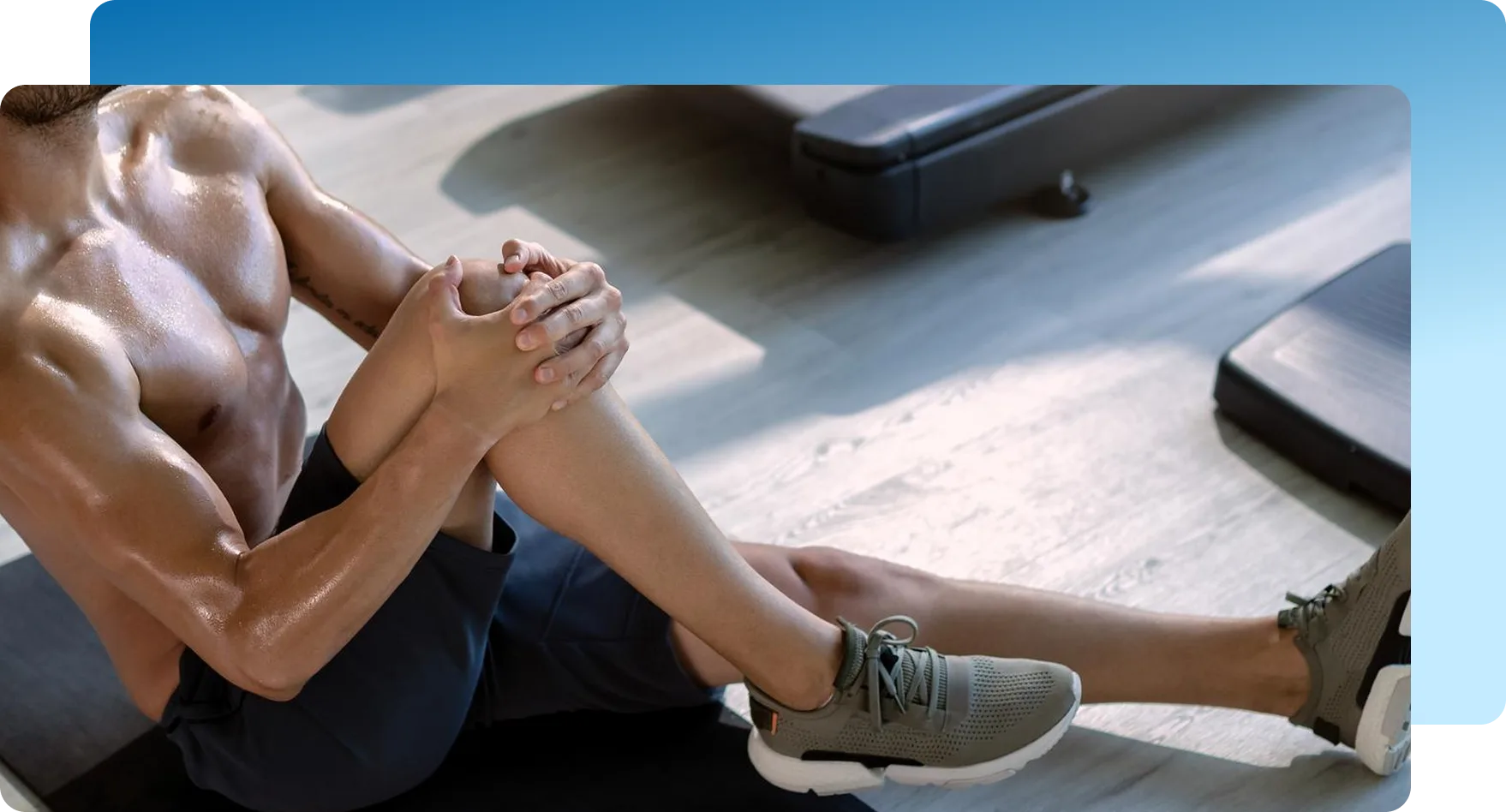
Activity modification works by:
-
Reducing mechanical stress on injured structures
-
Allowing microtears to repair naturally
-
Preventing compensatory strain on other joints like the hip or ankle
-
Encouraging better biomechanics during recovery
Rest alone is rarely enough. It must be paired with guided reintroduction of movement to restore flexibility, stability, and load tolerance.
What It Feels Like

Patients who benefit from activity modification often report:
-
Aching or stiffness that worsens with prolonged activity
-
Sharp pain during squats, stairs, or pivoting
-
Swelling after long walks or standing
-
Pain relief with reduced activity or short rest periods
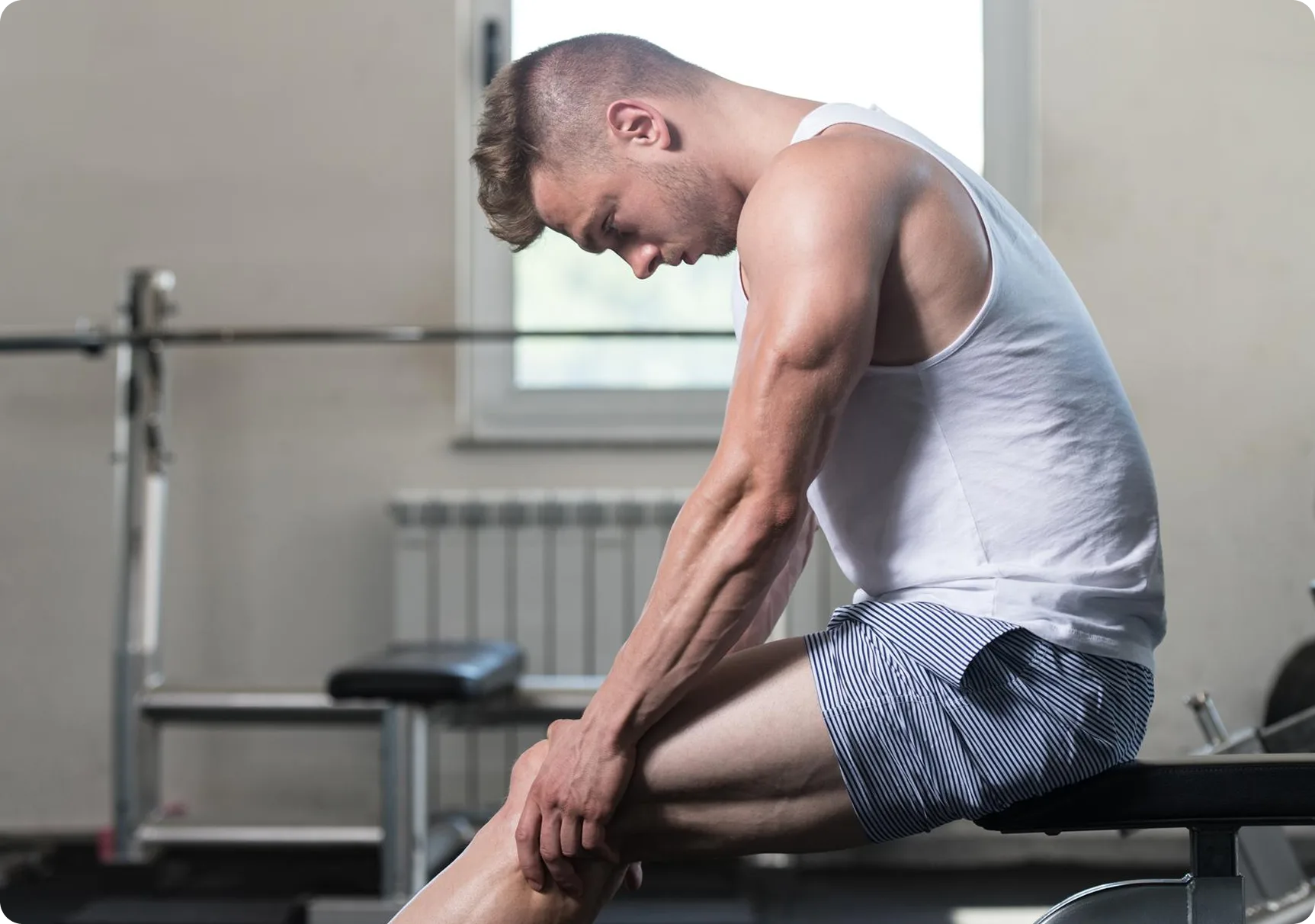
These are signs the knee is signaling “too much, too soon.” Listening early helps prevent long-term issues like cartilage wear or chronic tendon inflammation.
How It’s Diagnosed

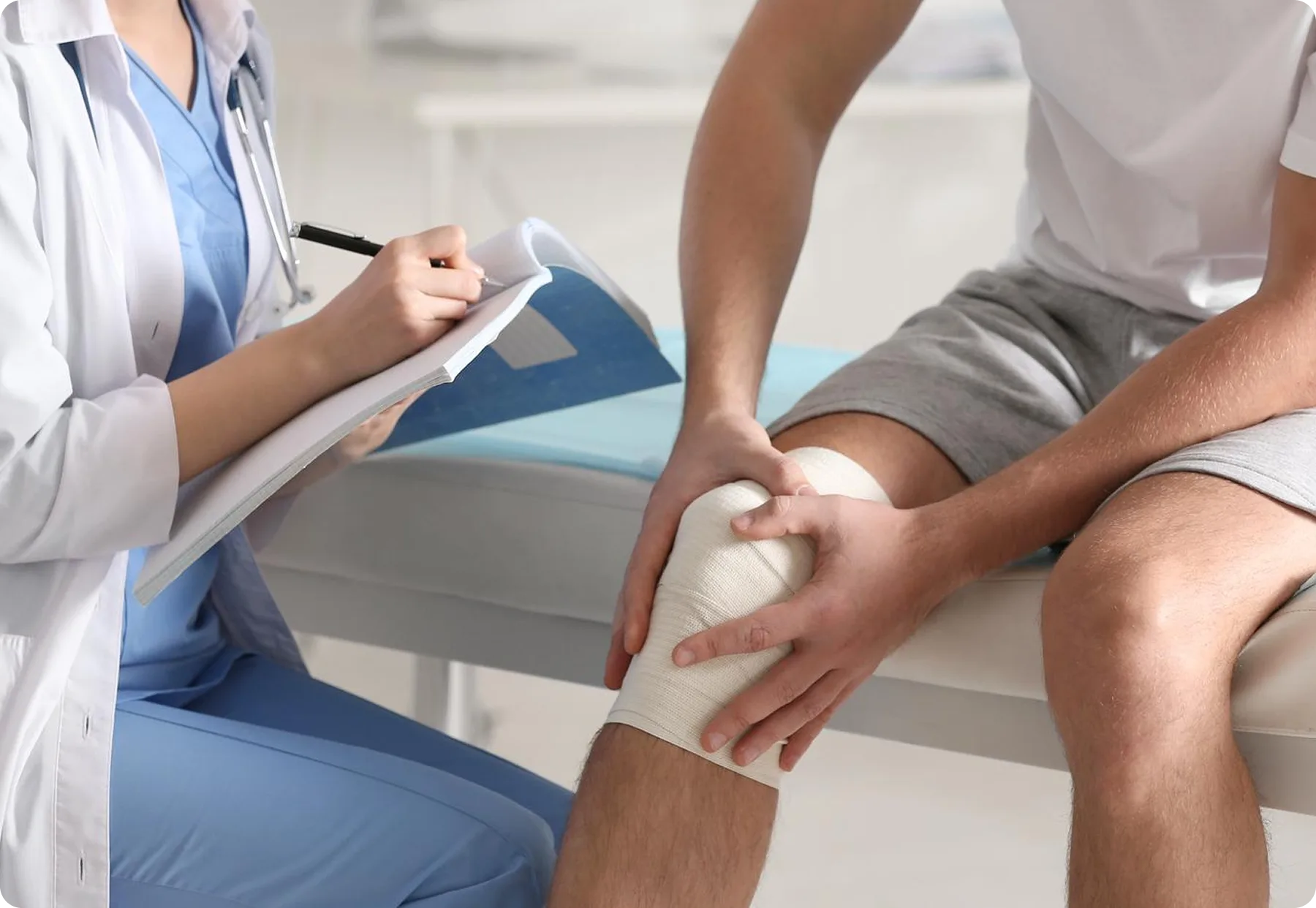
Dr. Booth performs a comprehensive image-guided musculoskeletal evaluation to determine the true source of pain. Diagnostic steps may include:
-
Targeted physical examination of motion, strength, and stability
-
Ultrasound or MRI imaging for soft-tissue visualization
-
Gait and movement assessment to identify overload patterns
This precision allows him to create an individualized plan that combines safe rest, cross-training, and regenerative or interventional options when needed.
Learn more about knee diagnoses and knee symptoms.
Conservative Treatment Approach
Activity modification and rest often serve as the first phase of a multi-step recovery plan. Typical strategies include:
-
Relative rest: Avoid painful movements but continue light, pain-free activities (like walking or pool exercise).
-
Cross-training: Replace high-impact sports with low-impact alternatives cycling, swimming, or elliptical.
-
Work and posture adjustments: Modifying daily movements (using step stools, ergonomic seating) to reduce knee strain.
-
Structured recovery intervals: Alternating movement with brief rest periods to reduce inflammation.
-
Professional guidance: Incorporating physical therapy to retrain muscles and improve alignment.
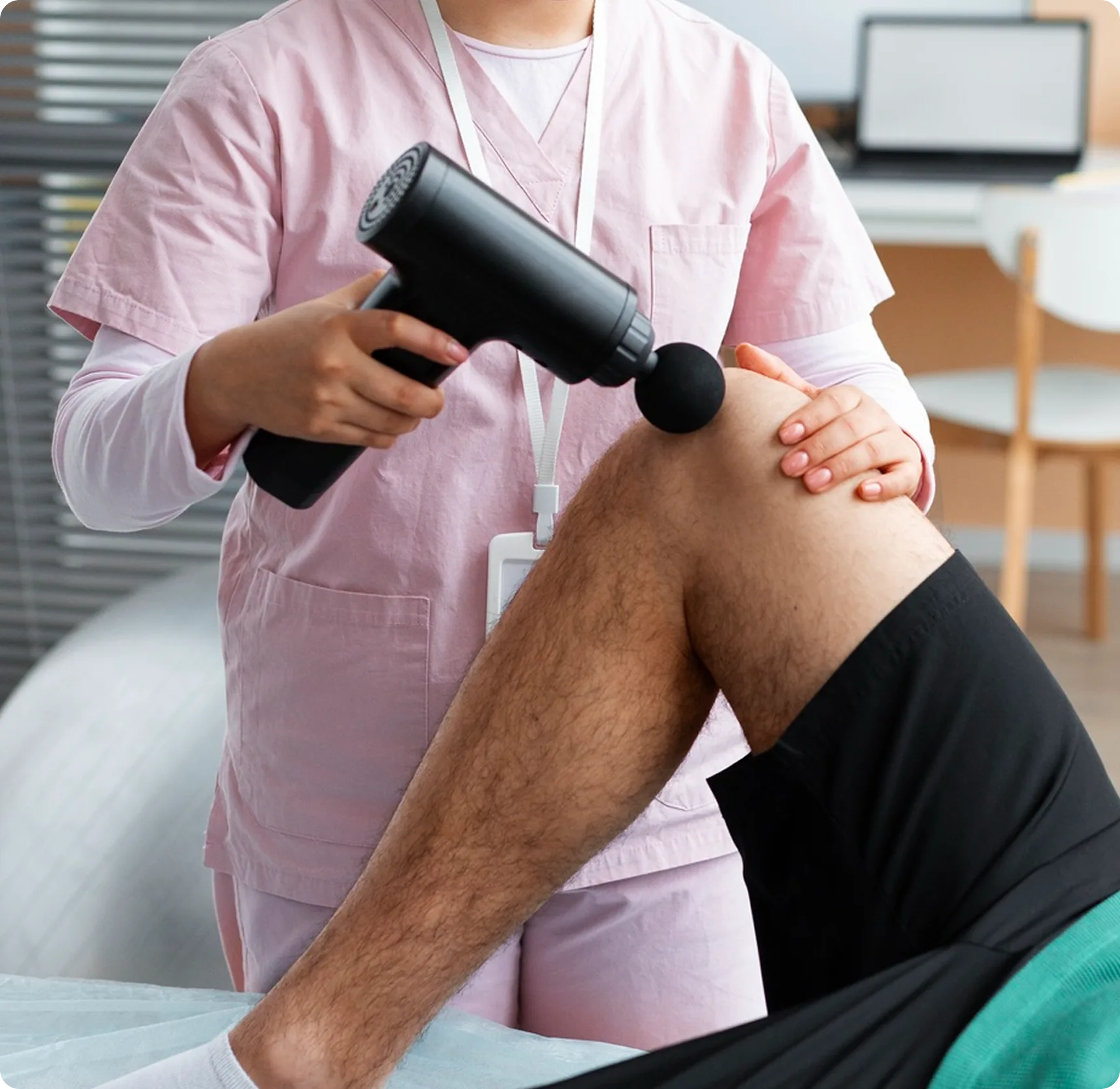
Dr. Booth often pairs these steps with other conservative options such as ice or heat therapy, bracing, and topical or oral medications
When to Seek Care
If pain lasts longer than a week, interferes with walking, or recurs after rest, a specialist evaluation is warranted. Delaying care can allow mechanical problems to worsen, increasing the risk of cartilage degeneration or ligament injury.
Early diagnosis at Elite Pain & Health – Oklahoma helps identify reversible causes and avoid unnecessary surgery.
Take the Next Step
Early intervention and guided rest can restore pain-free function without surgery.
Get urgent care for these
- The knee cannot bear any weight after an injury
- Obvious deformity, or the kneecap is out of place
- A hot, swollen, red knee with fever
- Sudden severe swelling within minutes of an injury
These need assessment now, not an appointment next week. Go to an emergency department or call 911.
Common questions about knee pain