
Knee condition or diagnosis
Iliotibial Band Syndrome (ITBS) | Elite Pain & Health – Oklahoma
Iliotibial Band
Syndrome (ITBS)

Pain along the outside of your knee that worsens with running, climbing stairs, or cycling may be caused by Iliotibial Band Syndrome (ITBS). Sometimes called “runner’s knee” (for lateral pain), this overuse injury stems from irritation where the thick IT band tendon rubs against the outer thighbone.
At Elite Pain & Health – Oklahoma, Dr. Keley John Booth, MD precisely diagnoses IT band friction with ultrasound and motion analysis, then applies image-guided, conservative treatments to relieve inflammation, correct mechanics, and help you return to pain-free activity.
Why It Happens

The iliotibial (IT) band is a strong tendon running from the outer hip (iliac crest) to the outer shin (tibia). As it crosses the knee, repetitive bending and straightening can create friction over a bony ridge called the lateral femoral condyle.
Common causes include:

-
Overuse and repetitive motion (running, cycling, hiking)
-
Muscle imbalance or tightness in the hips and thighs
-
Improper footwear or worn-out shoes
-
Sudden mileage or intensity increases in training
-
Leg-length discrepancy or knee misalignment
-
Weak gluteal or core muscles, forcing the IT band to over-stabilize the knee
Persistent friction leads to irritation of the bursa and connective tissue*, causing pain, tenderness, and swelling.*
What It Feels Like

Typical ITBS symptoms include:
-
Sharp or burning pain on the outside of the knee, often during mid-stride
-
Pain that worsens when running downhill or after long activity
-
Tenderness or swelling over the outer thighbone
-
A snapping or rubbing sensation as the knee bends
-
Tightness along the outer thigh extending toward the hip
Pain usually improves with rest but returns quickly when activity resumes if the mechanical cause isn’t corrected.

How It’s Diagnosed

At Elite Pain & Health, Dr. Booth performs a comprehensive, image-guided and biomechanical evaluation to pinpoint the exact source of friction and confirm the diagnosis.
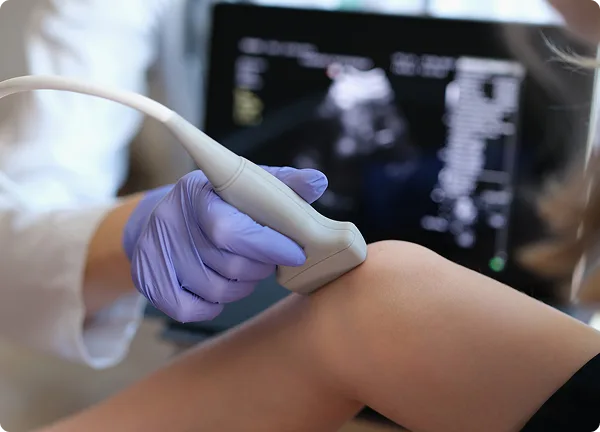
Diagnostic steps include:
-
Physical examination focusing on hip, knee, and gait alignment
-
Ultrasound imaging to detect IT band thickening or bursitis
-
Motion or gait assessment to identify biomechanical errors
-
MRI when structural or overlapping injuries (meniscus, cartilage) are suspected
-
Fluoroscopic or ultrasound-guided diagnostic injections to confirm the pain source
This precision approach allows Dr. Booth to treat the true biomechanical cause, not just the inflammation.
Conservative Treatment
Dr. Booth’s non-surgical, image-guided approach focuses on reducing inflammation and restoring normal knee and hip mechanics. Common treatment options include:
-
Activity modification and rest to reduce repetitive stress
-
Image-guided corticosteroid or regenerative injections (e.g., PRP or prolotherapy) to calm inflammation and promote healing
-
Targeted physical therapy to stretch the IT band and strengthen gluteal and core muscles
-
Foam-rolling and myofascial release for flexibility
-
Orthotics or footwear correction to optimize alignment
-
Cold therapy and anti-inflammatory management for symptom control
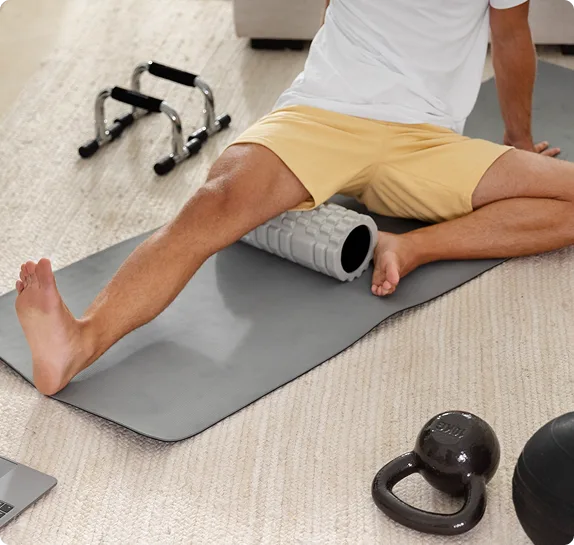
Most patients experience lasting improvement within 4–6 weeks once movement patterns are corrected.
When to Seek Care
You should schedule an evaluation if:
-
Pain occurs consistently on the outer knee during activity
-
Rest brings only short-term relief
-
Pain limits training or daily function
-
You feel snapping or rubbing at the outside of the knee
-
Home remedies have failed after 2–3 weeks
Early intervention prevents chronic irritation or secondary hip and knee problems.
Take the Next Step
Don’t let outer-knee pain sideline your progress. Dr. Booth’s precise, image-guided treatment can relieve inflammation and correct the cause—so you can get back to running, cycling, or daily movement comfortably.
Get urgent care for these
- The knee cannot bear any weight after an injury
- Obvious deformity, or the kneecap is out of place
- A hot, swollen, red knee with fever
- Sudden severe swelling within minutes of an injury
These need assessment now, not an appointment next week. Go to an emergency department or call 911.
Common questions about knee pain