
Knee condition or diagnosis
Anterior Cruciate Ligament (ACL) Injury | Elite Pain & Health – Oklahoma
Anterior Cruciate Ligament (ACL) Injury

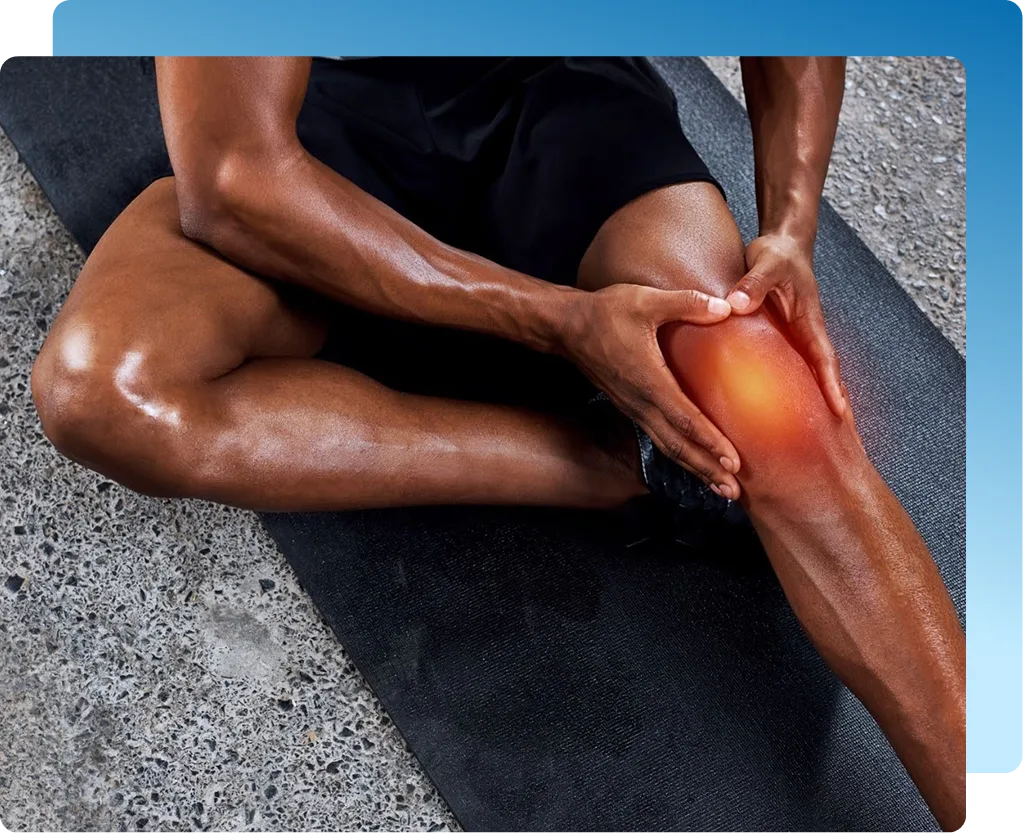
An anterior cruciate ligament (ACL) injury is one of the most recognized knee injuries often associated with sports or sudden twisting movements. But you don’t have to be an athlete to tear or sprain your ACL. Even a simple misstep, slip, or awkward landing can overstretch this key stabilizing ligament.
At Elite Pain & Health – Oklahoma, Dr. Keley John Booth, MD, offers precise, image-guided diagnosis and conservative, surgery-sparing treatments to restore stability, strength, and confidence in your knee.
Why It Happens

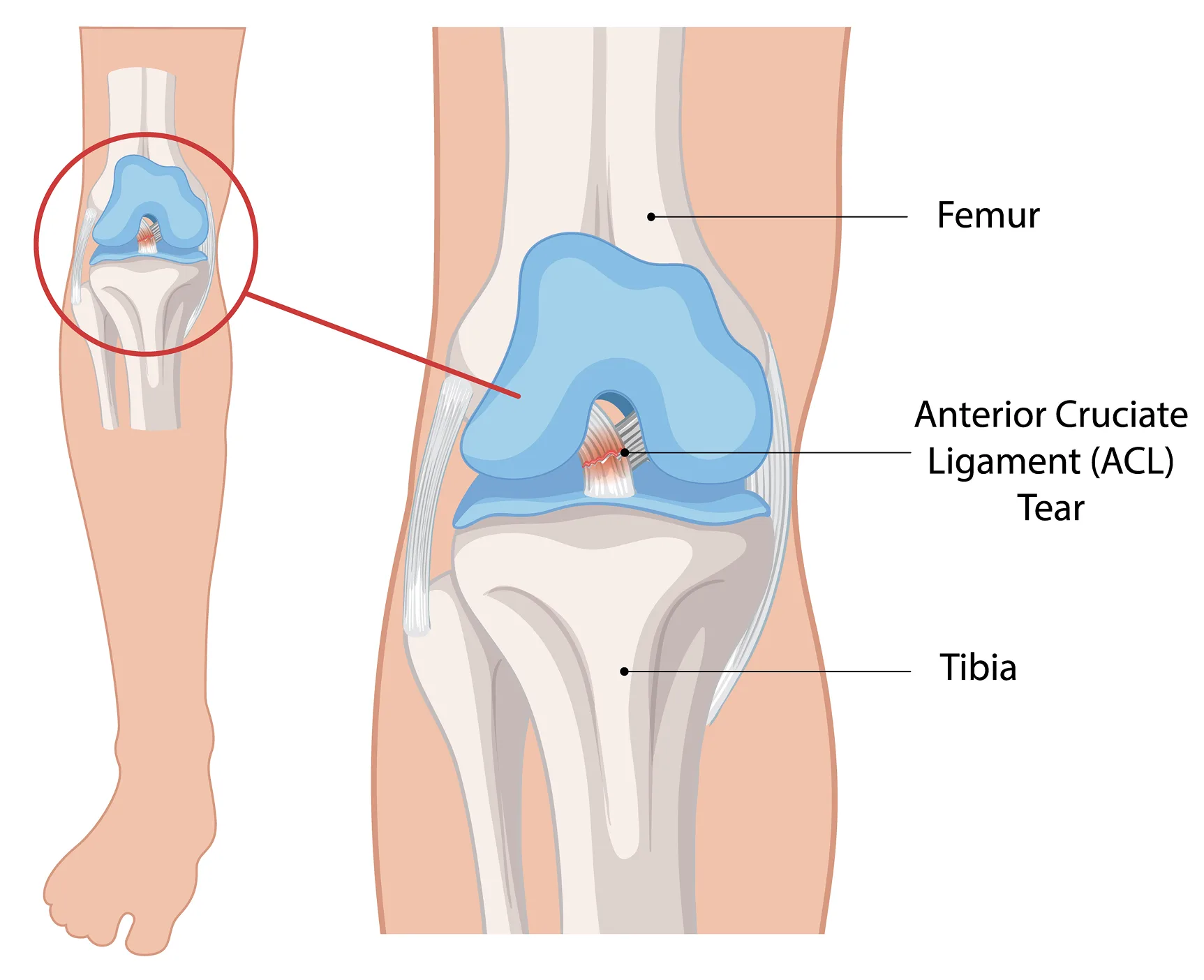
The ACL is a strong band of tissue running diagonally through the knee joint, connecting the thighbone (femur) to the shinbone (tibia). It prevents the tibia from sliding too far forward and provides rotational stability.
Common causes of ACL injury include:
-
Sudden direction changes or pivoting during sports or exercise
-
Landing awkwardly from a jump
-
Sudden stops or deceleration during running
-
Direct trauma (such as a collision or fall)
-
Repetitive strain or degeneration from chronic instability
When the ACL tears or overstretches, the knee can feel unstable, especially when changing direction, going downhill, or bearing weight.
What It Feels Like

Symptoms of an ACL injury may include:
-
A sudden “pop” at the time of injury
-
Immediate pain and swelling within hours
-
Knee instability or a feeling of “giving way”
-
Limited range of motion due to pain and swelling
-
Difficulty bearing weight or walking normally
Some partial tears may cause subtle instability that worsens over time rather than a dramatic acute event.
How It’s Diagnosed

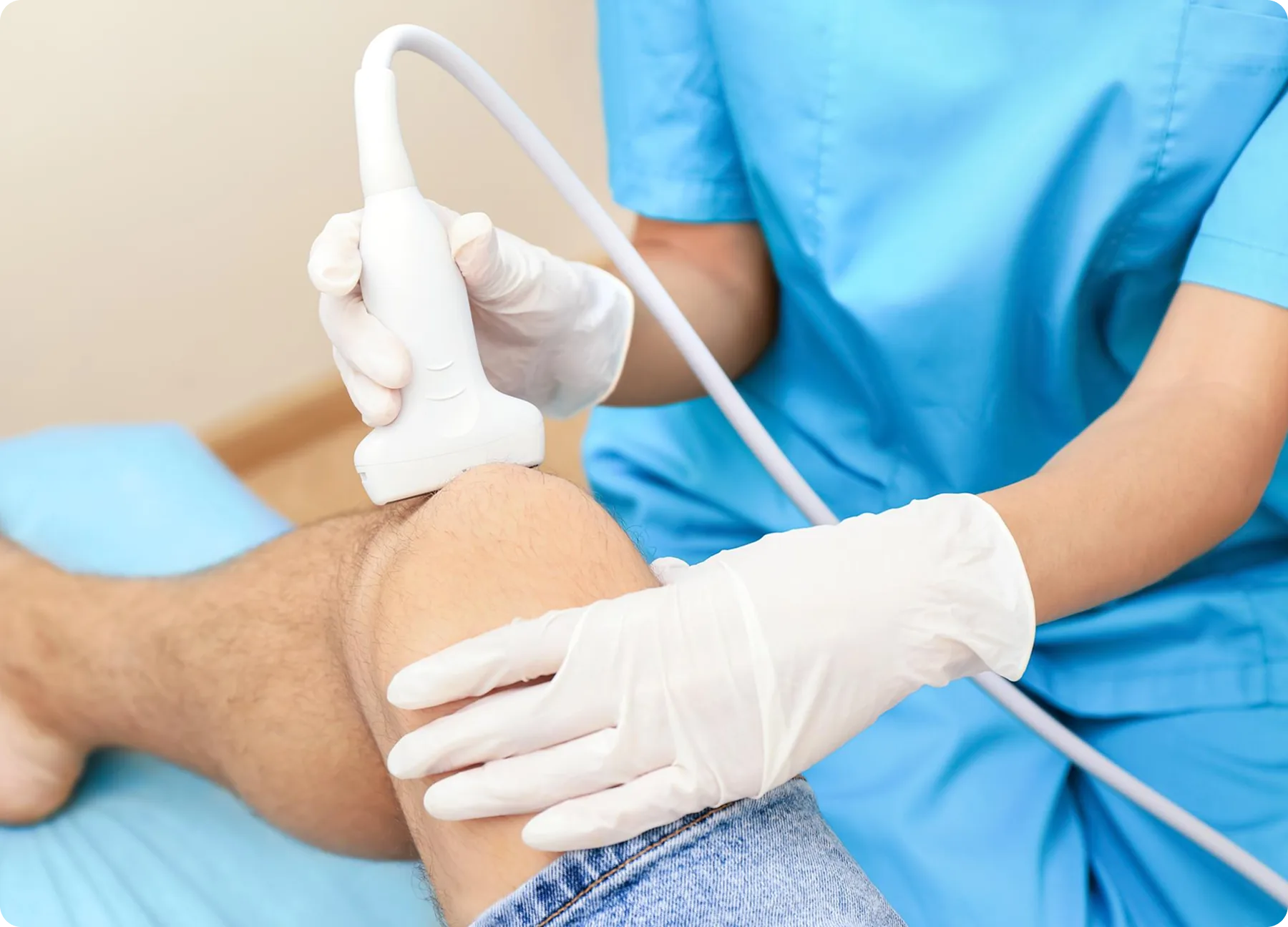
Dr. Booth performs a comprehensive, image-guided diagnostic evaluation to confirm the extent of injury and rule out related damage (meniscus, MCL, or cartilage).
Evaluation may include:
-
Detailed physical examination – assessing ligament integrity and joint stability
-
Ultrasound imaging – dynamic assessment of soft tissue and swelling
-
MRI – gold standard for confirming partial or complete ligament tears
-
Fluoroscopic-guided diagnostic injections – to confirm the pain source if symptoms are complex
This precise diagnostic process allows Dr. Booth to create a personalized, non-surgical plan that supports healing and functional recovery.
Conservative Treatment
While complete ACL ruptures sometimes require surgery, many patients especially with partial tears or mild instability recover successfully through image-guided conservative management.
Dr. Booth’s non-surgical approach may include:
-
Targeted physical therapy to rebuild strength and restore stability
-
Bracing and activity modification to protect the ligament during healing
-
Regenerative medicine such as platelet-rich plasma (PRP) or prolotherapy to promote tissue repair
-
Image-guided injections to reduce inflammation and stimulate healing
-
Neuromuscular retraining to restore coordination and joint control

This approach reduces recovery time, avoids surgical risks, and often achieves excellent long-term results for stable knees.
When to Seek Care
You should see a knee specialist if:
-
You heard a “pop” and developed immediate swelling
-
Your knee buckles or gives way during activity
-
Pain or swelling doesn’t improve after rest or ice
-
You can’t fully straighten or bend the knee
-
Instability limits walking, sports, or daily function
Prompt evaluation prevents further joint damage and speeds recovery.
Take the Next Step
If your knee feels unstable, swollen, or painful after a pop or twist, don’t wait. Early diagnosis and image-guided therapy can prevent worsening damage and get you back to the activities you love.
Get urgent care for these
- The knee cannot bear any weight after an injury
- Obvious deformity, or the kneecap is out of place
- A hot, swollen, red knee with fever
- Sudden severe swelling within minutes of an injury
These need assessment now, not an appointment next week. Go to an emergency department or call 911.
Common questions about knee pain