
Knee condition or diagnosis
Chondromalacia Patella / Cartilage Injury | Elite Pain & Health – Oklahoma
Chondromalacia Patella / Cartilage Injury

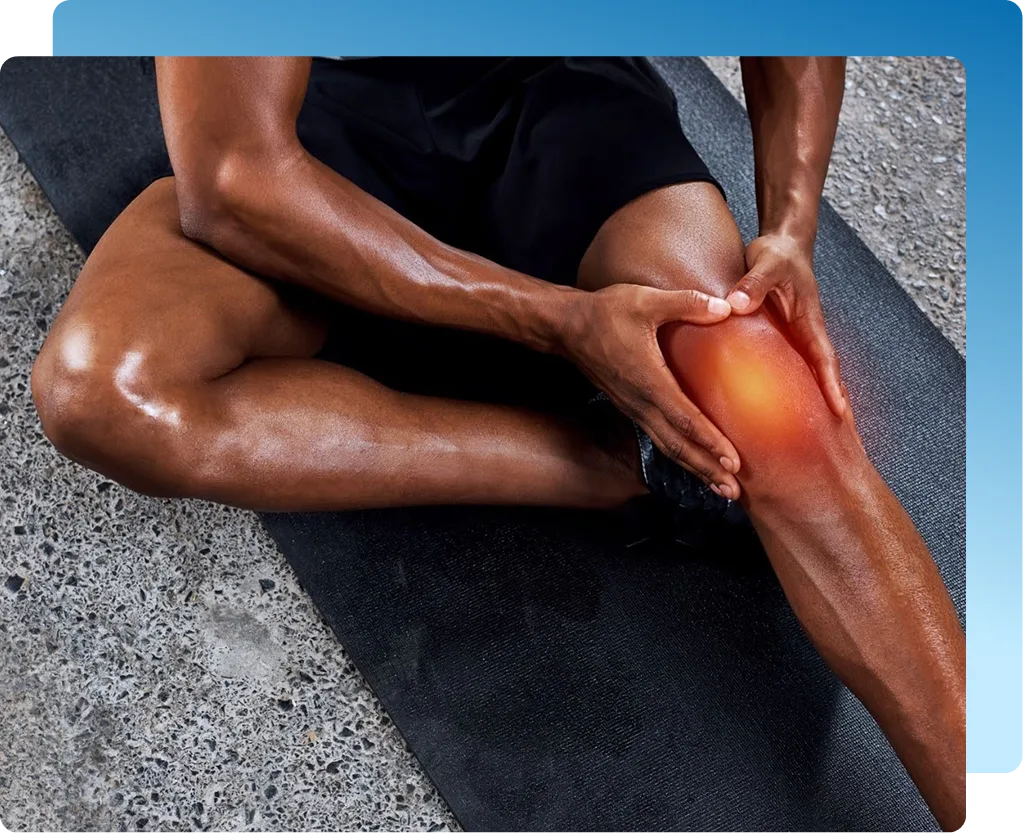
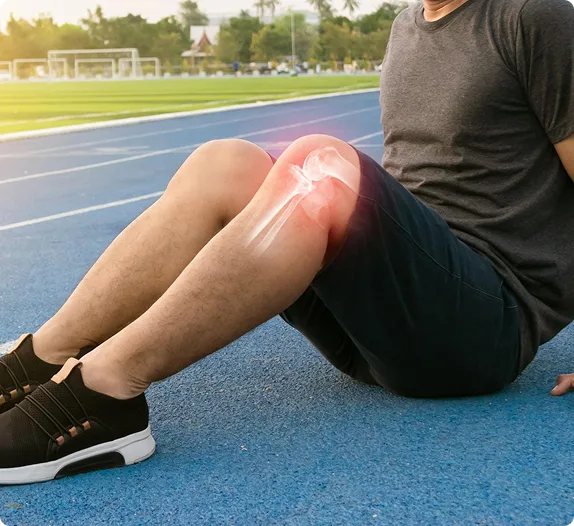
If your knee aches, grinds, or pops when climbing stairs or standing from a chair, you may have chondromalacia patella, also known as patellar cartilage injury or runner’s knee (anterior knee pain). This condition occurs when the cartilage beneath the kneecap becomes softened, irritated, or worn, causing pain at the front of the knee.
At Elite Pain & Health – Oklahoma, Dr. Keley John Booth, MD, provides image-guided diagnostics and conservative, regenerative treatment options that reduce pain, restore joint mechanics, and help patients avoid surgery.
Why It Happens

The kneecap (patella) glides over a groove at the end of the thighbone as you bend or straighten your knee. If the kneecap doesn’t track properly or if cartilage becomes damaged from wear or overuse friction develops, leading to inflammation and pain.
Common causes include:
-
Overuse and repetitive stress from running, cycling, or stair climbing
-
Patellar maltracking due to muscle imbalance or alignment issues
-
Previous knee injury or dislocation
-
Arthritic or degenerative changes in older adults
-
Weak quadriceps or hip stabilizers, altering kneecap movement
-
Obesity or excessive joint load increasing cartilage stress
Without early intervention, chronic irritation can lead to progressive cartilage breakdown and early arthritis.
What It Feels Like

Typical symptoms of chondromalacia patella include:
-
Aching or burning pain around or behind the kneecap
-
Pain that worsens when climbing stairs, squatting, or sitting for long periods (“movie-theater sign”)
-
Grinding or crackling sensations (crepitus) with knee motion
-
Swelling or puffiness at the front of the knee
-
Tenderness along the kneecap edges
-
Occasional locking or stiffness after activity
Pain may start gradually and worsen with repetitive motion or poor mechanics.
How It’s Diagnosed

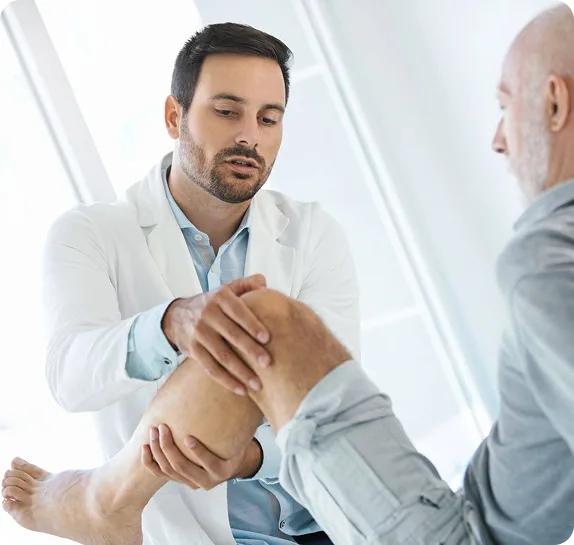
At Elite Pain & Health, Dr. Booth uses a combination of image-guided and biomechanical evaluation to confirm the diagnosis and rule out related conditions like patellofemoral pain syndrome or arthritis.
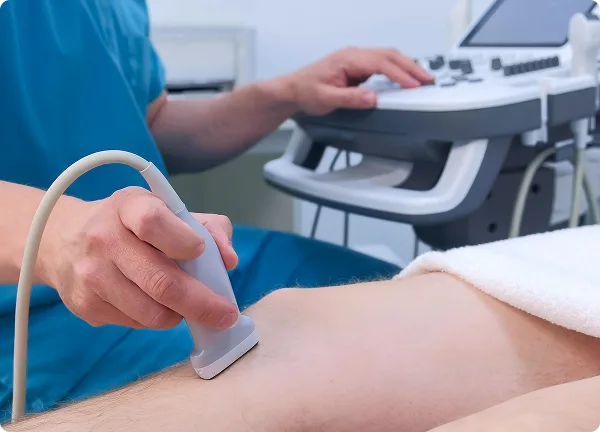
Diagnostic tools include:
-
Physical examination to test tracking, flexibility, and tenderness
-
Ultrasound imaging for inflammation or cartilage thinning
-
X-rays to check patellar alignment and joint space
-
MRI to assess cartilage thickness and damage severity
-
Fluoroscopic or ultrasound-guided diagnostic injections to isolate pain origin
These precise methods help ensure treatment addresses the exact source of irritation not just the symptoms.
Conservative Treatment
Dr. Booth focuses on non-surgical, image-guided treatments that relieve pain and improve kneecap tracking. Common options include:
-
Targeted physical therapy to strengthen quadriceps and hip stabilizers
-
Patellar taping or bracing to improve alignment and reduce friction
-
Regenerative medicine (PRP, prolotherapy, or stem-cell–based injections) to promote cartilage healing
-
Viscosupplementation (“gel” injections) to improve lubrication and shock absorption
-
Activity modification and low-impact exercise programs
-
Weight optimization to reduce joint stress
Most patients achieve excellent relief and improved function within weeks to months, depending on cartilage health.
When to Seek Care
You should seek medical evaluation if:
-
You have persistent front-of-knee pain despite rest
-
The knee grinds, clicks, or pops during motion
-
Pain worsens with stairs, squatting, or sitting
-
There is swelling or stiffness that limits mobility
-
You have recurring knee discomfort that interferes with daily activity
Early diagnosis and guided therapy can prevent further cartilage wear and long-term degeneration.
Take the Next Step
If you experience knee grinding, popping, or front-of-knee pain, don’t wait until cartilage damage worsens. Early, image-guided care can restore comfort and protect joint health—without surgery.
Get urgent care for these
- The knee cannot bear any weight after an injury
- Obvious deformity, or the kneecap is out of place
- A hot, swollen, red knee with fever
- Sudden severe swelling within minutes of an injury
These need assessment now, not an appointment next week. Go to an emergency department or call 911.
Common questions about knee pain