
Knee treatment
Osteotomy Procedures for Knee Pain (Joint Preservation Surgery) | Elite Pain & Health – Oklahoma
Osteotomy Procedures for Knee Pain (Joint Preservation Surgery)

When knee pain stems from uneven joint wear where one side of the knee carries more stress than the other the underlying problem may be bone alignment, not just cartilage loss. At Elite Pain & Health, Dr. Keley John Booth, MD, focuses on early identification of these alignment issues and collaborates with orthopedic partners for osteotomy procedures, which realign the knee bones to distribute pressure evenly, relieve pain, and preserve the natural joint for years to come.
Osteotomy is a joint-preserving surgery, often used for active patients who are too young or not yet ready for knee replacement. When performed for the right patient, it can delay or prevent total joint replacement and restore comfortable movement.
Why It Helps

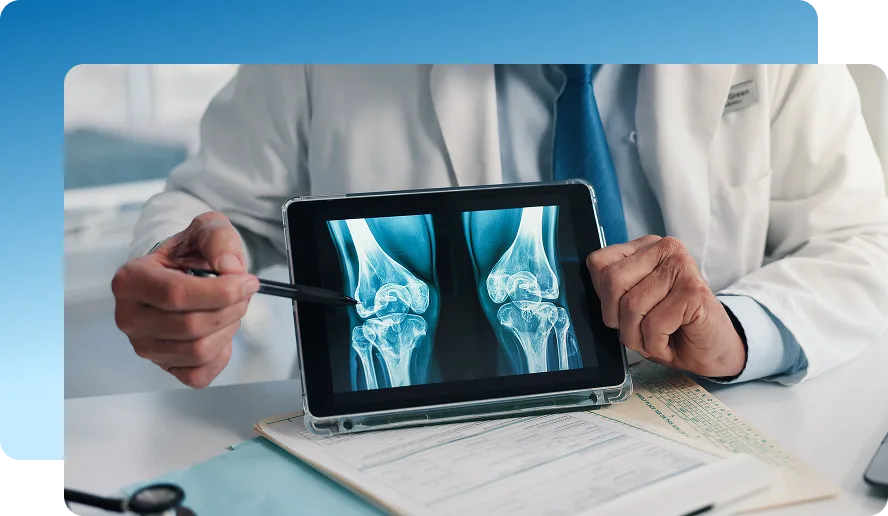
In a healthy knee, forces are distributed evenly across the joint surface. But if the leg is slightly bowed (varus) or knocked inward (valgus), one side of the knee takes excessive pressure, causing cartilage to wear faster on that side. Over time, this results in:
-
Localized osteoarthritis
-
Uneven pain and stiffness
-
Joint instability or fatigue
An osteotomy surgically reshapes and realigns the tibia or femur to shift weight-bearing forces toward the healthier side of the joint. This reduces pain, improves function, and protects remaining cartilage.
Types of Knee Osteotomy Procedures

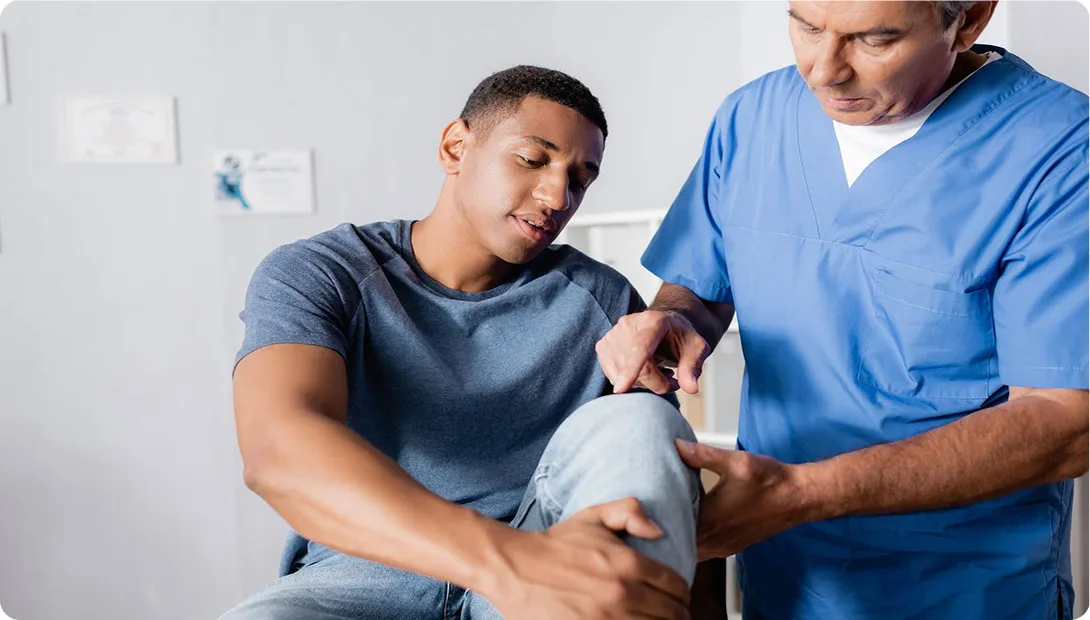
High Tibial Osteotomy (HTO)
-
Most common for medial (inner knee) arthritis.
-
The upper tibia is precisely cut and reshaped to shift load-bearing weight away from the damaged side.
-
The gap is filled with bone graft or wedge and secured with plates and screws.
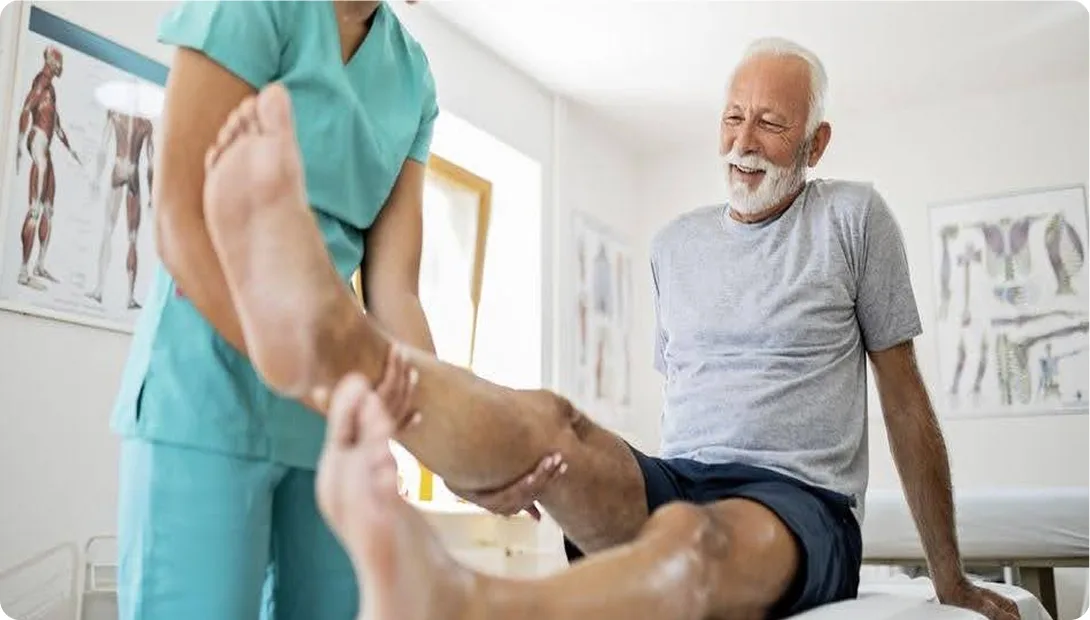
Distal Femoral Osteotomy (DFO)
-
Used for lateral (outer knee) arthritis or valgus (“knock-knee”) alignment.
-
The lower femur is realigned to rebalance load distribution across the joint.
Both procedures may be performed with or without arthroscopy to address associated cartilage or meniscus issues.
Dr. Booth’s Conservative-First Philosophy

Before considering surgery, Dr. Booth performs:
-
Image-guided diagnostic evaluation to confirm pain origin (joint vs. nerve vs. soft tissue).
-
Targeted conservative care, including physical therapy, orthobiologic injections, and nerve modulation techniques.
-
Functional prehabilitation, strengthening muscles around the knee to improve surgical outcomes.
Only when non-surgical measures are no longer sufficient and imaging confirms localized joint overload is osteotomy considered.
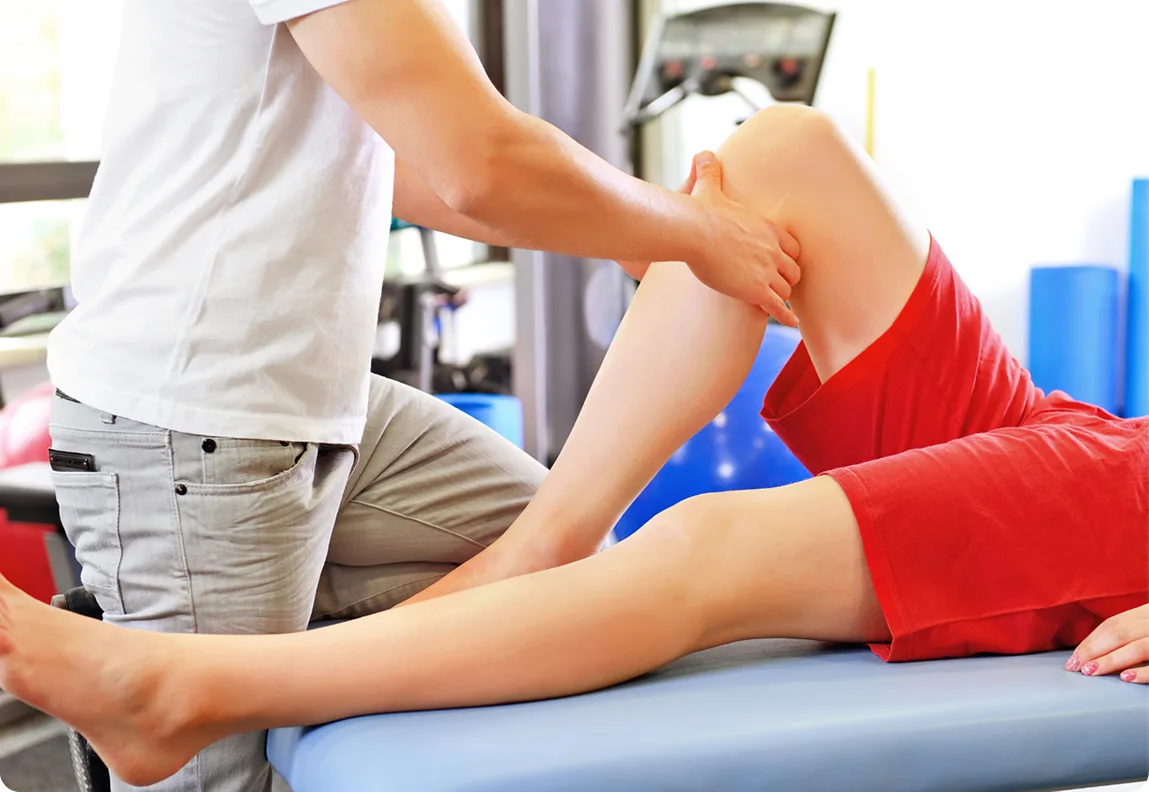
This stepwise approach ensures that surgery is truly necessary and that the
joint environment is optimized for recovery.
What to Expect from the Procedure
During Surgery
-
Performed under anesthesia by an orthopedic surgeon specializing in joint preservation.
-
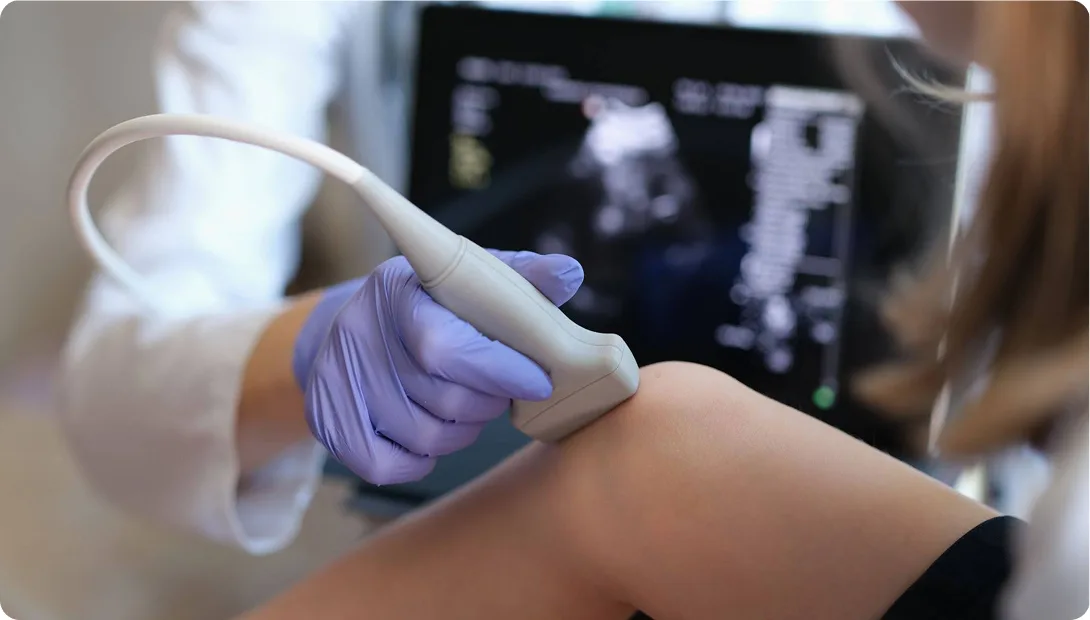
Guided by intraoperative imaging to ensure precise correction.
-
Bone wedges or grafts are secured using small plates or screws.
Recovery and Rehabilitation
-
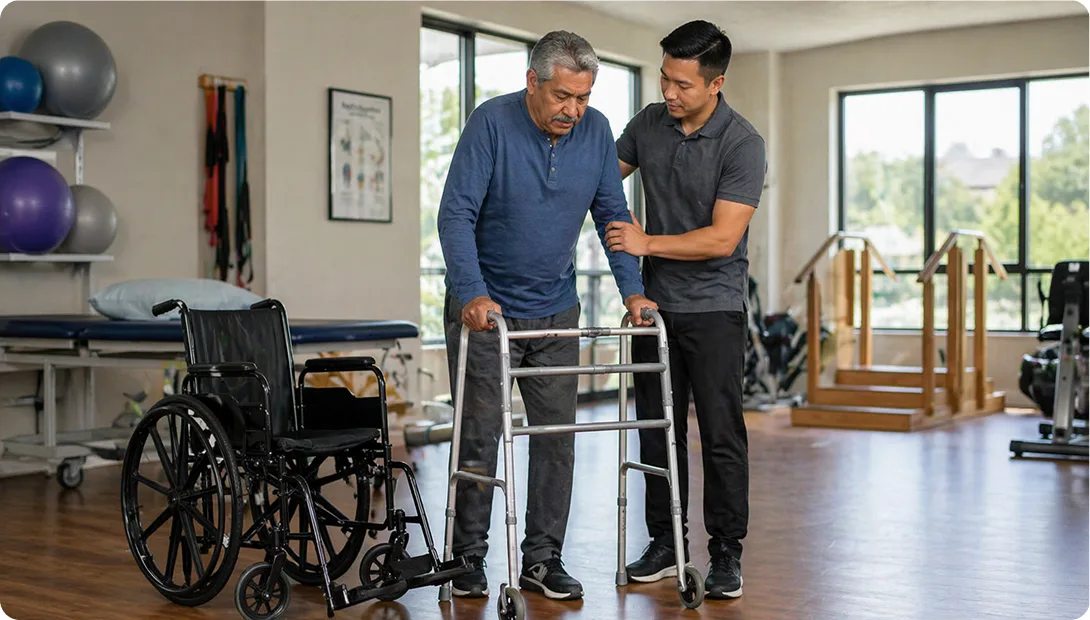
Weight-bearing: Usually limited for 6–8 weeks, depending on bone healing.
-
Physical therapy: Begins within days to maintain motion and prevent stiffness.
-
Full recovery: Typically within 4–6 months, with progressive return to activities.
Dr. Booth’s post-procedure care focuses on inflammation control, nerve pain management, and graduated rehabilitation to restore balance and strength.
Ideal Candidates for Osteotomy
You may be a candidate if you:
-
Are under 60 years old with active lifestyle demands
-
Have localized arthritis on one side of the knee
-
Show leg alignment deformity (bowleg or knock-knee)
-
Have adequate cartilage and bone health on the opposite side
-
Wish to delay or avoid knee replacement surgery
This procedure is particularly effective for younger patients where joint replacement would be premature.
Benefits of Osteotomy
Benefit
Description
Joint Preservation
Retains your natural knee and delays replacement
Pain Reduction
Offloads pressure from damaged cartilage
Improved Function
Restores joint balance and motion
Return to Activity
Allows resumption of many physical activities
Prevention of Further Wear
Protects healthy cartilage from overload
Risks and Considerations
As with any surgical procedure, osteotomy carries risks such as infection, delayed bone healing, hardware irritation, or incomplete correction.
However, when performed for carefully selected patients and followed by structured rehabilitation success rates exceed 80–90% for pain relief and function improvement.
When to Seek Care
If you have pain on only one side of the knee, worsening with weight-bearing, and imaging shows uneven joint space, osteotomy may offer a way to:
-
Have persistent, localized knee pain not relieved by conservative care
-
Have imaging showing isolated cartilage defects
-
Want to delay or avoid joint replacement
-
Are physically active and otherwise healthy
Dr. Booth’s image-guided diagnostics and conservative-first care ensure surgery is chosen wisely and integrated into a complete rehabilitation plan.
Take the Next Step
If your knee pain is limited to one side and you wish to preserve your natural joint, osteotomy may be an excellent option.
Get urgent care for these
- The knee cannot bear any weight after an injury
- Obvious deformity, or the kneecap is out of place
- A hot, swollen, red knee with fever
- Sudden severe swelling within minutes of an injury
These need assessment now, not an appointment next week. Go to an emergency department or call 911.
Common questions about knee pain