
Knee treatment
Platelet-Rich Plasma (PRP) Injections for Knee Pain | Elite Pain & Health – Oklahoma
Platelet-Rich Plasma (PRP) Injections for Knee Pain

Knee pain caused by arthritis, tendon injury, or cartilage degeneration can limit your ability to move, work, and enjoy daily life. For patients seeking healing beyond medications or surgery, platelet-rich plasma (PRP) injections offer an advanced, regenerative option.
At Elite Pain & Health – Oklahoma, Dr. Keley John Booth, MD, provides image-guided PRP therapy that uses your body’s own platelets and growth factors to stimulate natural tissue repair. This minimally invasive treatment supports cartilage preservation, tendon healing, and reduced inflammation helping patients regain function while avoiding unnecessary procedures.
Why It Helps

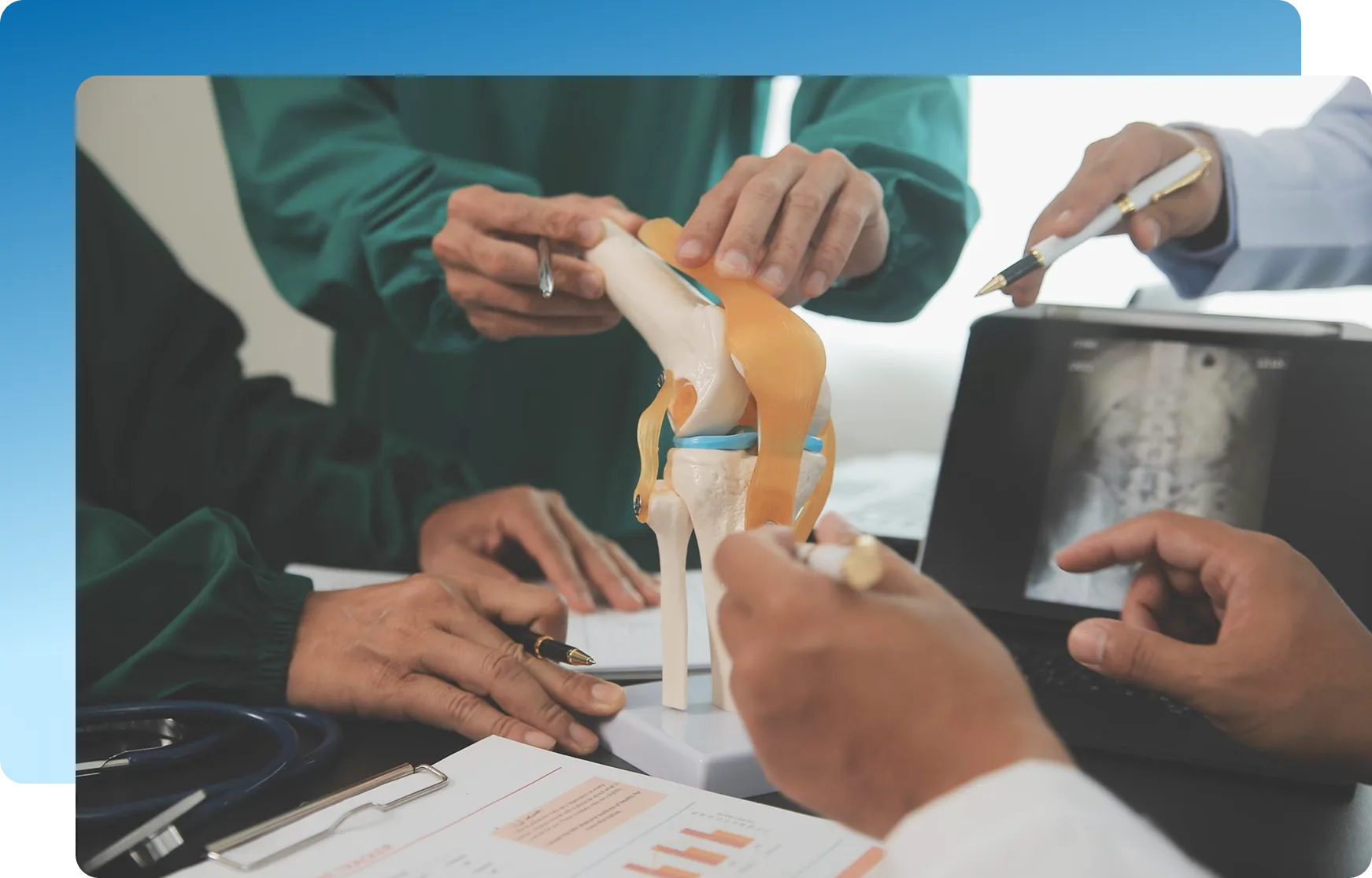
Blood platelets contain bioactive proteins and growth factors that play a key role in tissue repair. By concentrating these platelets and injecting them into damaged knee structures, PRP therapy:
-
Reduces inflammation at the
cellular level
-
Stimulates collagen and
cartilage repair
-
Improves circulation and healing environment
-
Decreases joint pain and
stiffness
-
Enhances recovery from arthritis, tendinitis, or meniscus injury
Studies show that PRP injections can significantly reduce pain and improve function in mild-to-moderate osteoarthritis, patellar tendinopathy, and post-surgical recovery.
What to Expect

A PRP treatment session typically takes about 45–60 minutes and involves several key steps:
Step-by-Step Process
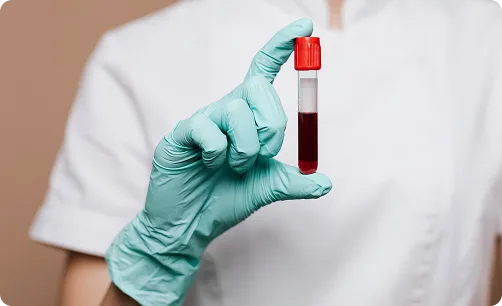
Blood Collection
A small sample of your blood is drawn from your arm.
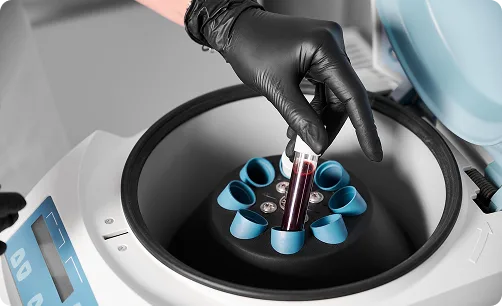
Centrifugation
The sample is spun in a specialized centrifuge to isolate platelet-rich plasma.
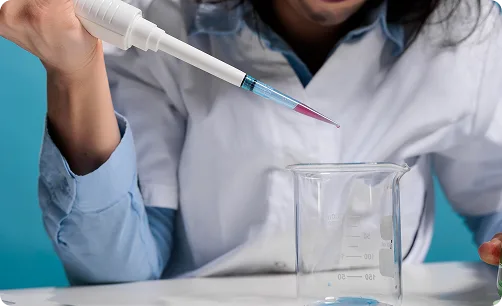
Activation & Preparation
The PRP is processed to achieve optimal platelet concentration.
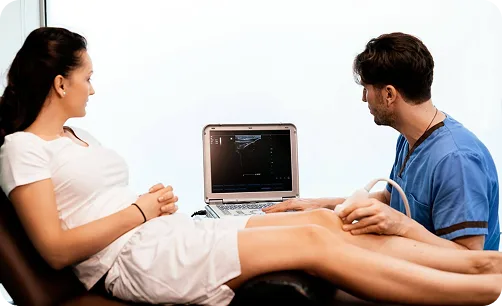
Image-Guided Injection
Under ultrasound or fluoroscopic guidance, Dr. Booth precisely injects PRP into the affected knee tissues.
Most patients tolerate the procedure well and can return to light activity the same day. Mild soreness or swelling at the injection site is normal for 24–48 hours.
How It’s Diagnosed

Dr. Booth begins each case with a targeted diagnostic workup to confirm whether PRP therapy is appropriate.
This evaluation includes:
-
Musculoskeletal ultrasound or MRI imaging to assess tissue quality
-
Detailed physical exam to identify structural vs. inflammatory pain sources
-
Review of medical history and prior treatment response
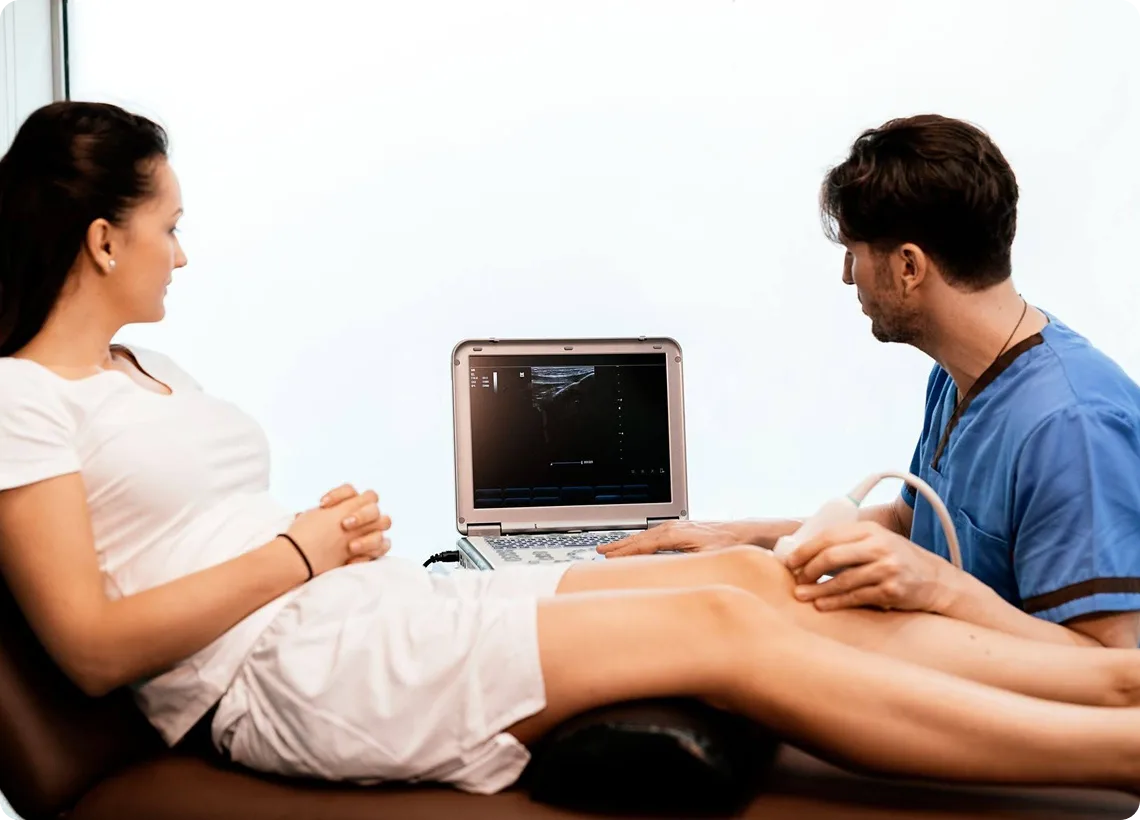
This ensures PRP is applied to the right tissue at the right time, maximizing the healing effect and avoiding ineffective or premature use.
Learn more about knee diagnoses and knee symptoms.
Treatment Process and Recovery
PRP treatments may be performed as a single injection or a series of 2–3 sessions spaced several weeks apart, depending on tissue severity.

Aftercare Guidelines
-
Avoid anti-inflammatory medications (NSAIDs) for 7–10 days after treatment, as they may interfere with platelet function.
-
Use mild activity and gentle range-of-motion exercises for the first few days.
-
Gradually resume strengthening and physical therapy as directed.
Most patients report gradual improvement within 2–6 weeks, with continued healing over several months as the biologic process progresses.
When to Seek Care
PRP may be recommended if you experience:
-
Chronic knee pain unrelieved by conservative care
-
Mild-to-moderate arthritis not yet requiring joint replacement
-
Recurrent tendinitis, meniscus irritation, or overuse injury
-
Post-surgical pain that persists beyond the normal healing timeline
PRP is often the bridge between conservative care and surgery, allowing patients to regain activity while protecting joint integrity.
Take the Next Step
PRP injections can help restore your knee’s natural healing potential—safely, precisely, and without surgery.
Get urgent care for these
- The knee cannot bear any weight after an injury
- Obvious deformity, or the kneecap is out of place
- A hot, swollen, red knee with fever
- Sudden severe swelling within minutes of an injury
These need assessment now, not an appointment next week. Go to an emergency department or call 911.
Common questions about knee pain