
Knee condition or diagnosis
Posterior Cruciate Ligament (PCL) Injury | Elite Pain & Health – Oklahoma
Posterior Cruciate Ligament (PCL) Injury

While less common than ACL injuries, posterior cruciate ligament (PCL) injuries can still cause significant knee pain, stiffness, and instability especially after a fall or car accident. The PCL acts as one of the knee’s main stabilizers, preventing the shinbone from moving too far backward under the thighbone.
At Elite Pain & Health – Oklahoma, Dr. Keley John Booth, MD, provides image-guided diagnosis and targeted, non-surgical treatment for PCL sprains and tears to restore strength, stability, and confidence in movement.
Why It Happens

The PCL is located deep inside the knee joint, connecting the femur (thighbone) to the tibia (shinbone). It resists backward motion of the tibia and helps control knee alignment.
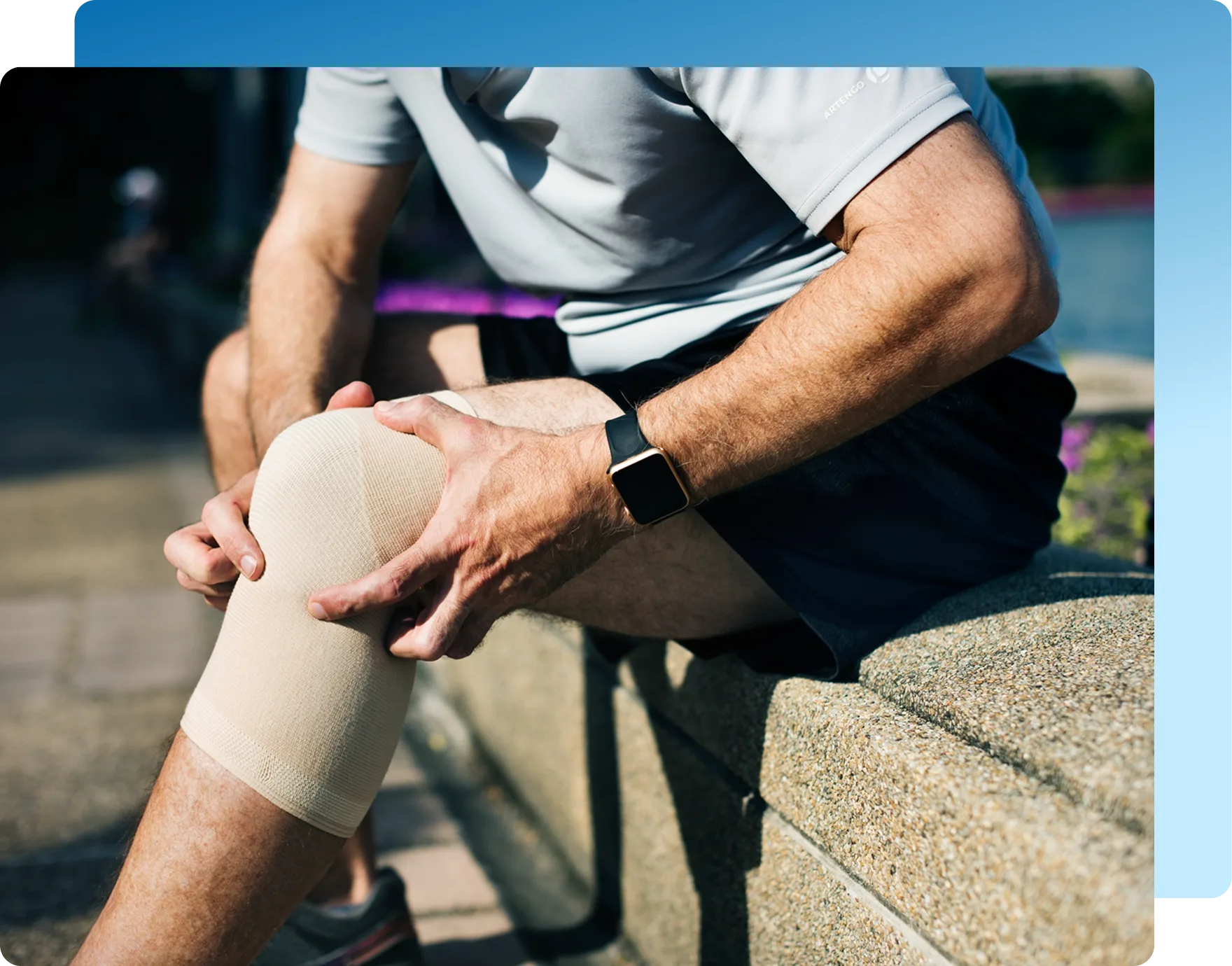
Common causes of PCL injury include:
-
Direct impact to the front of the knee (e.g., dashboard injury in a car accident)
-
Falling hard on a bent knee during sports or activity
-
Hyperextension or sudden over-straightening of the knee
-
Combined ligament injuries involving the ACL, MCL, or meniscus
-
Repetitive stress or chronic instability from overuse
Because the PCL is thick and strong, isolated injuries are less frequent but when they occur, they can cause long-term instability if untreated.
What It Feels Like

PCL injury symptoms can vary, ranging from mild soreness to noticeable looseness:
-
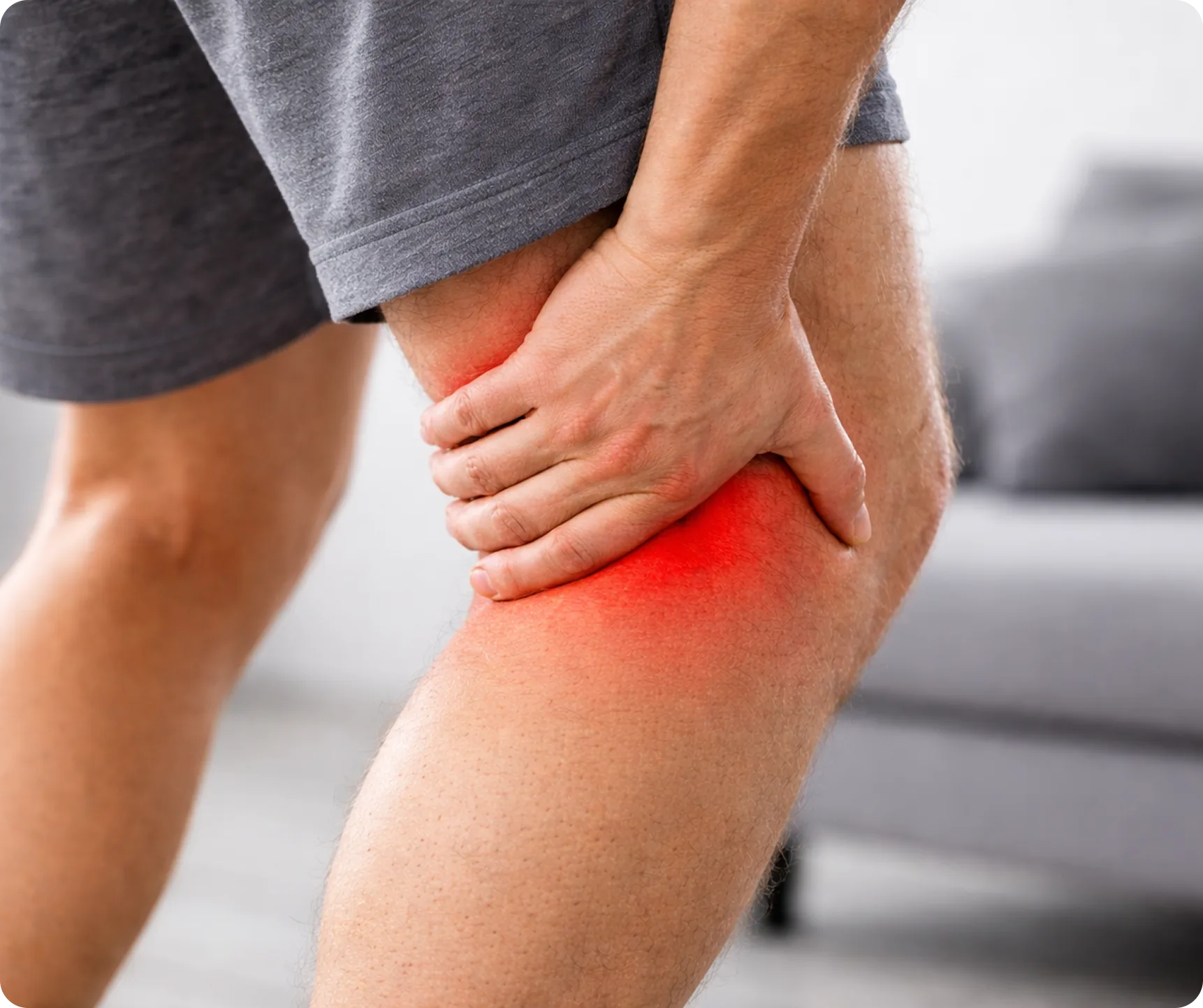
Pain behind the knee after impact or bending
-
Swelling or stiffness developing within hours
-
Instability or buckling when walking downhill or descending stairs
-
Difficulty bearing weight on the injured leg
-
A feeling that the knee “sags” backward when bent
Chronic PCL deficiency can lead to gradual wear of cartilage and early-onset arthritis if left unaddressed.
How It’s Diagnosed

At Elite Pain & Health, Dr. Booth performs a comprehensive, image-guided assessment to determine the severity of the injury and whether other structures are involved.
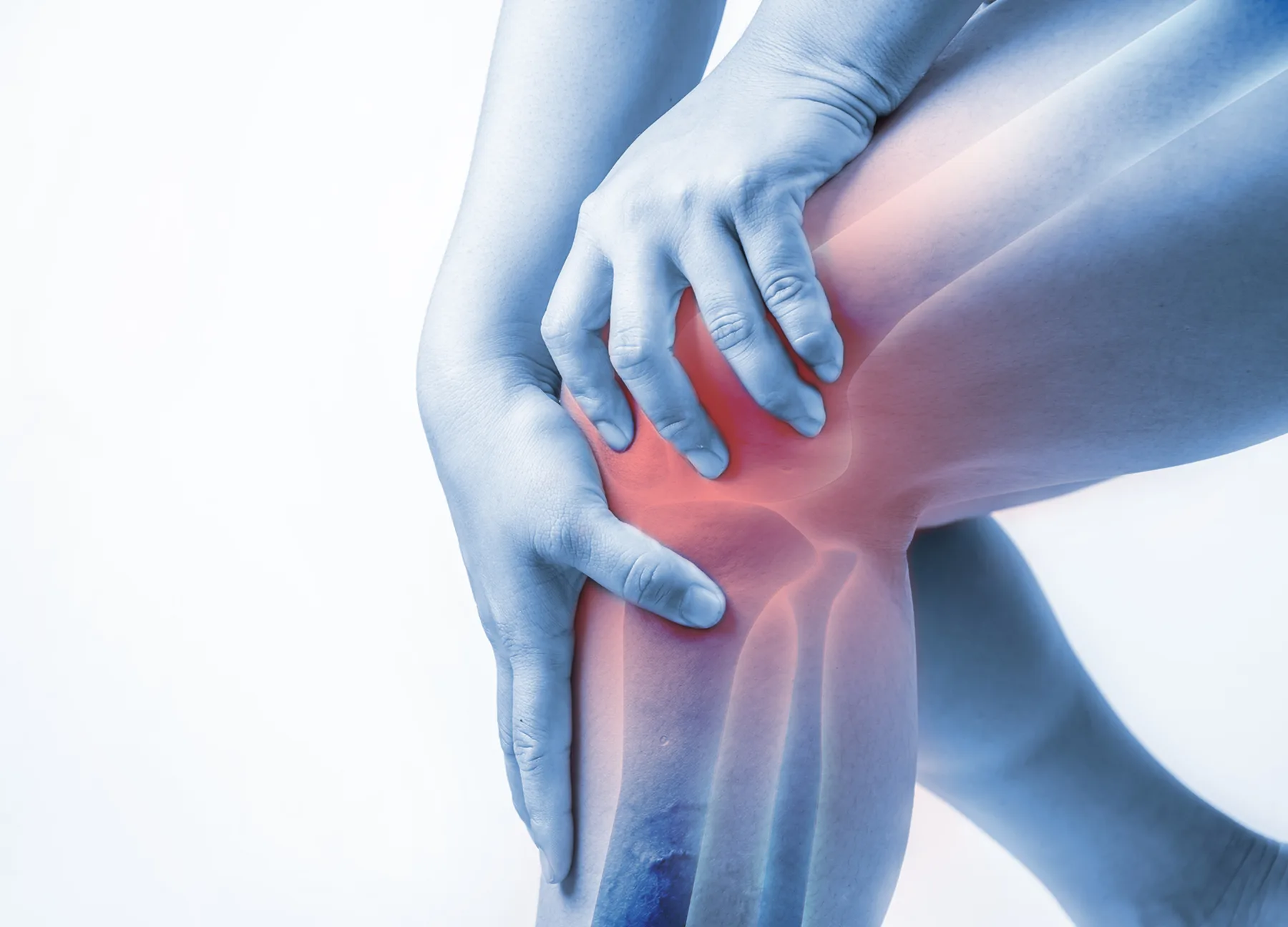
Diagnostic evaluation may include:
-
Physical examination using posterior drawer and stress tests
-
Ultrasound imaging to visualize ligament integrity and swelling
-
X-rays to rule out avulsion fractures (where ligament pulls off bone)
-
MRI for detailed visualization of partial or complete tears
-
Fluoroscopic or ultrasound-guided diagnostic injections to confirm pain origin
This high-precision diagnostic process ensures an accurate diagnosis and a focused, personalized treatment plan.
Conservative Treatment
The majority of PCL injuries—especially partial tears—heal effectively without surgery when properly managed. Dr. Booth’s conservative, image-guided approach may include:
-
Bracing and activity modification to protect the ligament during healing
-
Physical therapy emphasizing quadriceps strengthening and knee control
-
Image-guided regenerative injections (e.g., platelet-rich plasma or prolotherapy) to promote tissue healing
-
Anti-inflammatory management to reduce pain and swelling
-
Gradual rehabilitation with monitored return to activity
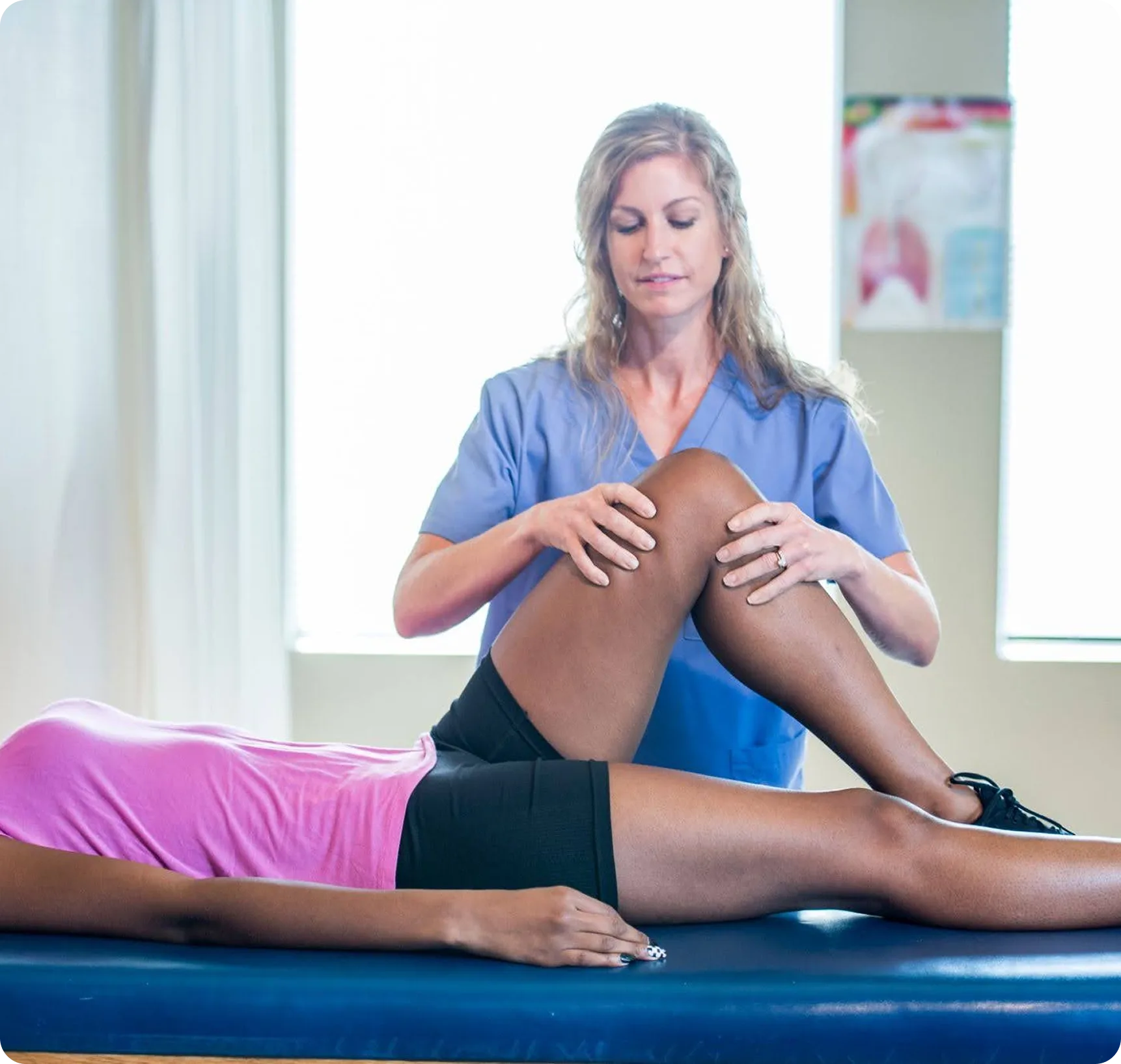
Most patients experience lasting improvement within 4–6 weeks once movement patterns are corrected.
Even for moderate or combined injuries, non-surgical management can often restore stability, motion, and long-term knee function.
When to Seek Care
You should seek professional evaluation if:
-
You’ve had a direct blow to the front of the knee or fall on a bent knee
-
You feel instability or looseness during movement
-
Pain or swelling persists beyond a few days
-
You have a history of ligament injuries or recurring instability
-
You notice difficulty descending stairs or walking downhill
Early image-guided care prevents chronic laxity, cartilage wear, and long-term arthritis.
Take the Next Step
If you’ve injured your knee or feel pain and instability after a fall or impact, early diagnosis and image-guided treatment can help you recover fully and avoid chronic problems.
Get urgent care for these
- The knee cannot bear any weight after an injury
- Obvious deformity, or the kneecap is out of place
- A hot, swollen, red knee with fever
- Sudden severe swelling within minutes of an injury
These need assessment now, not an appointment next week. Go to an emergency department or call 911.
Common questions about knee pain