
Knee treatment
Radiofrequency Ablation (RFA) of Genicular Nerves for Knee Pain | Elite Pain & Health – Oklahoma
Radiofrequency Ablation (RFA) of Genicular Nerves for Knee Pain

Elite Pain & Health – Oklahoma
For many patients, knee pain persists even after injections, physical therapy, or surgery. When imaging shows no structural damage but pain continues, the genicular nerves small sensory branches that carry pain signals from the knee may be the culprits.
At Elite Pain & Health, Dr. Keley John Booth, MD, offers image-guided radiofrequency ablation (RFA) of the genicular nerves, a minimally invasive, non-surgical procedure that disrupts pain signaling pathways to provide long-lasting relief.
RFA is often the next step after successful diagnostic genicular nerve blocks, extending pain relief for 6–12 months or longer all without incisions or implants.
Why It Helps

The genicular nerves transmit pain messages from the knee joint to the brain. In conditions like knee osteoarthritis, post-surgical pain, or nerve hypersensitivity, these nerves may continue sending pain signals even when the underlying tissue has healed.
RFA uses precisely applied thermal energy to gently deactivate these overactive nerve fibers, effectively “turning off” pain transmission while preserving normal motor function.

Key Benefits:
-
Long-lasting relief (6–12 months typical)
-
Reduced dependence on pain medications
-
Improved mobility and function
-
No general anesthesia or hospital stay required
How the Procedure Works


Diagnostic Confirmation
Before performing RFA, Dr. Booth first conducts image-guided genicular nerve blocks to confirm that the nerves are the true pain source. If temporary relief follows the diagnostic block, the patient is a candidate for ablation.
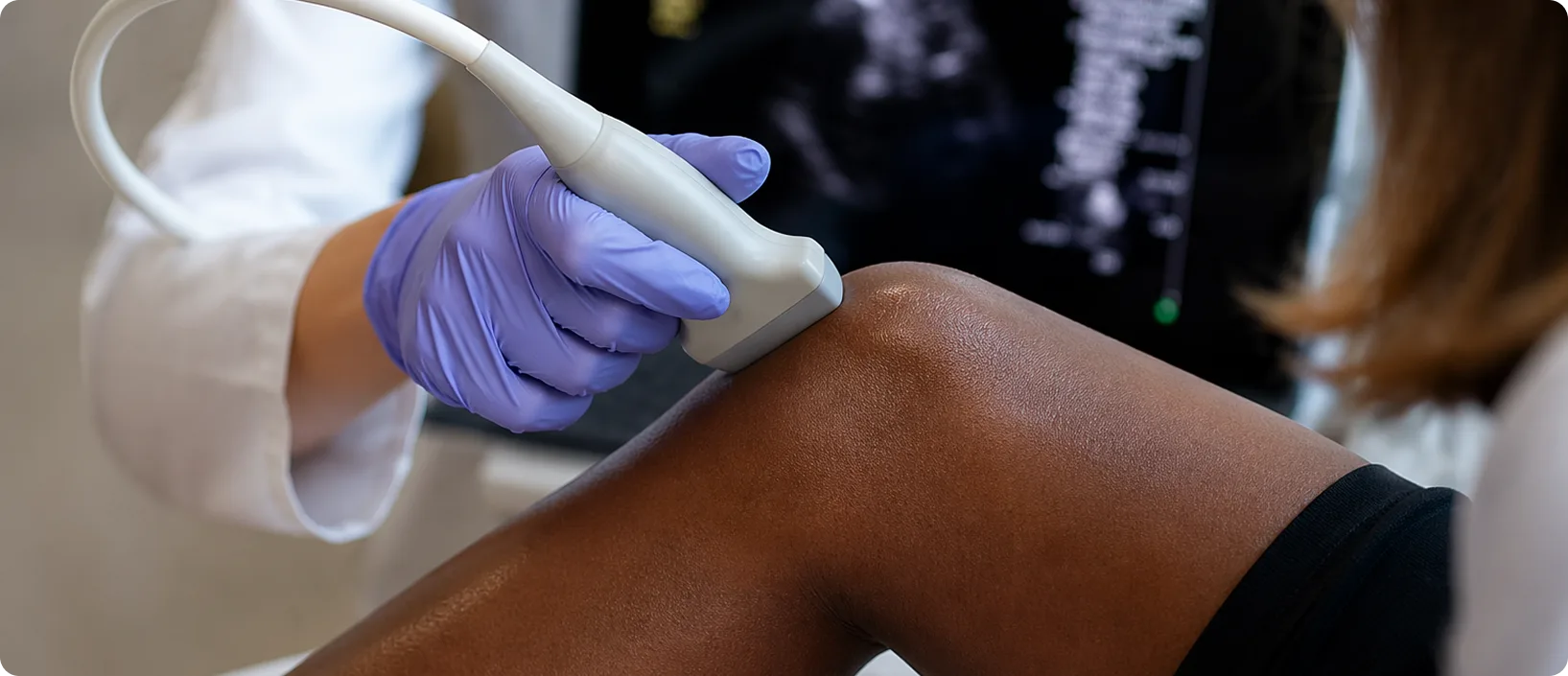
Image-Guided Ablation Procedure
-
Performed under fluoroscopic or ultrasound guidance for accuracy.
-
A thin radiofrequency probe is placed next to each targeted genicular nerve.
-
Controlled heat (typically 80°C for 60–90 seconds) is delivered, disrupting the pain fibers.
-
Multiple nerve sites may be treated to ensure comprehensive coverage.
The entire procedure takes 20–30 minutes, and patients typically walk out immediately afterward.
Conditions Commonly Treated

-
Knee osteoarthritis pain (especially moderate to severe)
-
Chronic pain after total knee replacement when imaging shows no mechanical issue
-
Persistent pain after meniscus or ligament injury
-
Patients not candidates for surgery or seeking a non-surgical option

Advantages of RFA Over Other Injections
Aspect
Nerve Block
Corticosteroid Injection
Radiofrequency Ablation
Duration of Relief
Hours–days
Weeks–months
6–12+ months
Mechanism
Temporary nerve numbing
Anti-inflammatory
Thermal nerve deactivation
Purpose
Diagnostic
Symptomatic
Long-term therapeutic
Repeat Frequency
As needed
Limited due to side effects
Once or twice per year if needed
RFA is often the next step after nerve blocks providing sustained relief for patients who respond well to diagnostic injections.

Safety and Effectiveness
RFA is a safe and evidence-supported procedure when performed under image guidance. Studies have shown significant improvements in:
-
Pain reduction
-
Walking distance
-
Functional scores (WOMAC, VAS)
Risks are minimal and may include mild bruising, transient numbness, or temporary soreness at the site. Nerves typically regenerate over time, which is why the procedure can be repeated if pain returns.
Dr. Booth performs all procedures under sterile, image-guided conditions*, ensuring maximum safety and accuracy.*
What to Expect After the Procedure
-
Immediate mobility: You can walk right away.
-
Mild soreness: Temporary tenderness may occur for 1–3 days.
-
Gradual improvement: Pain relief develops over 2–3 weeks as nerves fully deactivate.
-
Activity resumption: Most patients return to full activity within 24–48 hours.
Dr. Booth often combines RFA with physical therapy and strengthening to maintain motion and prevent future pain recurrence.


When to Consider RFA
You may be an excellent candidate if you:
-
Experience chronic knee pain not relieved by other conservative measures
-
Had temporary success with genicular nerve blocks
-
Are not ready or not eligible for surgery
-
Want to reduce medication use or improve mobility without invasive intervention
When to Seek Care
If chronic knee pain limits your quality of life despite physical therapy, medication, or injections, RFA may offer durable, non-surgical relief.
Dr. Booth’s image-guided precision ensures safety, accuracy, and patient-centered outcomes.
Take the Next Step
If you’re seeking safe, non-surgical relief for knee arthritis, viscosupplementation can help restore comfort and mobility naturally.
Get urgent care for these
- The knee cannot bear any weight after an injury
- Obvious deformity, or the kneecap is out of place
- A hot, swollen, red knee with fever
- Sudden severe swelling within minutes of an injury
These need assessment now, not an appointment next week. Go to an emergency department or call 911.
Common questions about knee pain