
Knee treatment
PRP Combined with Hyaluronic Acid (Hybrid Therapy) for Knee Pain | Elite Pain & Health – Oklahoma
PRP Combined with Hyaluronic Acid (Hybrid Therapy) for Knee Pain

For patients seeking longer-lasting, biologically active relief from knee arthritis or chronic joint pain, hybrid therapy combining platelet-rich plasma (PRP) with hyaluronic acid (HA) offers the best of both worlds: regenerative healing and restorative lubrication.
At Elite Pain & Health – Oklahoma, Dr. Keley John Booth, MD, specializes in image-guided biologic injections that precisely target damaged cartilage and inflamed tissues. The PRP + HA hybrid therapy enhances healing, supports joint mobility, and can delay or even prevent the need for knee surgery.
Why It Helps

While both PRP and hyaluronic acid are effective individually, combining them produces a synergistic biologic effect that addresses both inflammation and lubrication at the same time.

-
Platelet-Rich Plasma (PRP): Delivers growth factors that stimulate cell repair, collagen production, and reduced inflammation.
-
Hyaluronic Acid (HA): Acts as a joint lubricant and shock absorber, improving motion and reducing friction.
When used together, this hybrid therapy:
-
Enhances tissue regeneration and joint cushioning
-
Reduces pain more effectively than either treatment alone
-
Extends duration of relief (often 9–12 months)
-
Improves synovial fluid quality and cartilage health
Peer-reviewed studies show this combination is particularly beneficial for mild-to-moderate osteoarthritis, patellar chondromalacia, and post-meniscectomy pain.
What to Expect

The PRP + HA hybrid injection is an in-office, image-guided procedure
lasting about 45–60 minutes.
Here’s how it works:

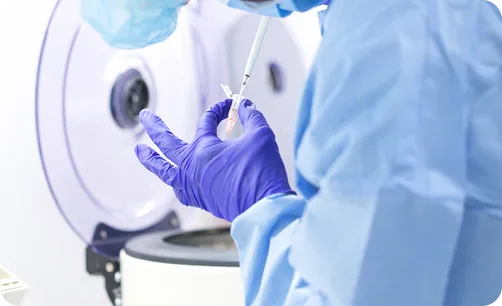
Blood Collection & PRP Processing
A small amount of blood is drawn and spun in a centrifuge to concentrate platelets and growth factors.
Hyaluronic Acid Preparation
A medical-grade HA solution is prepared to blend with PRP at an optimized ratio.
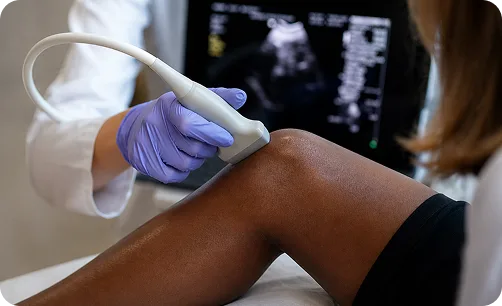
Image-Guided Injection
Using ultrasound or fluoroscopy, Dr. Booth injects the mixture precisely into the knee joint space or damaged tissues.
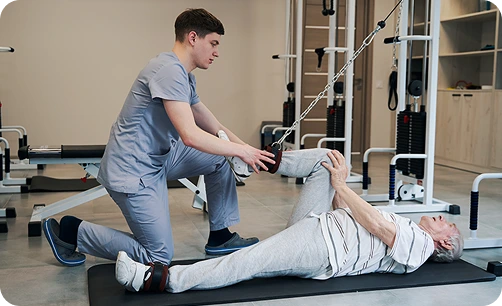
Recovery & Post-Care
Patients typically walk out of the clinic and resume light activity within 24 hours. Mild swelling or stiffness may last 1–2 days.
How It’s Diagnosed

Dr. Booth first conducts a targeted musculoskeletal evaluation to determine whether hybrid therapy is appropriate.
This may include:
-
Ultrasound or MRI imaging to visualize cartilage, meniscus, or tendon structures
-
Functional movement assessment to identify joint load imbalances
-
Review of prior therapies, including PRP or viscosupplementation outcomes
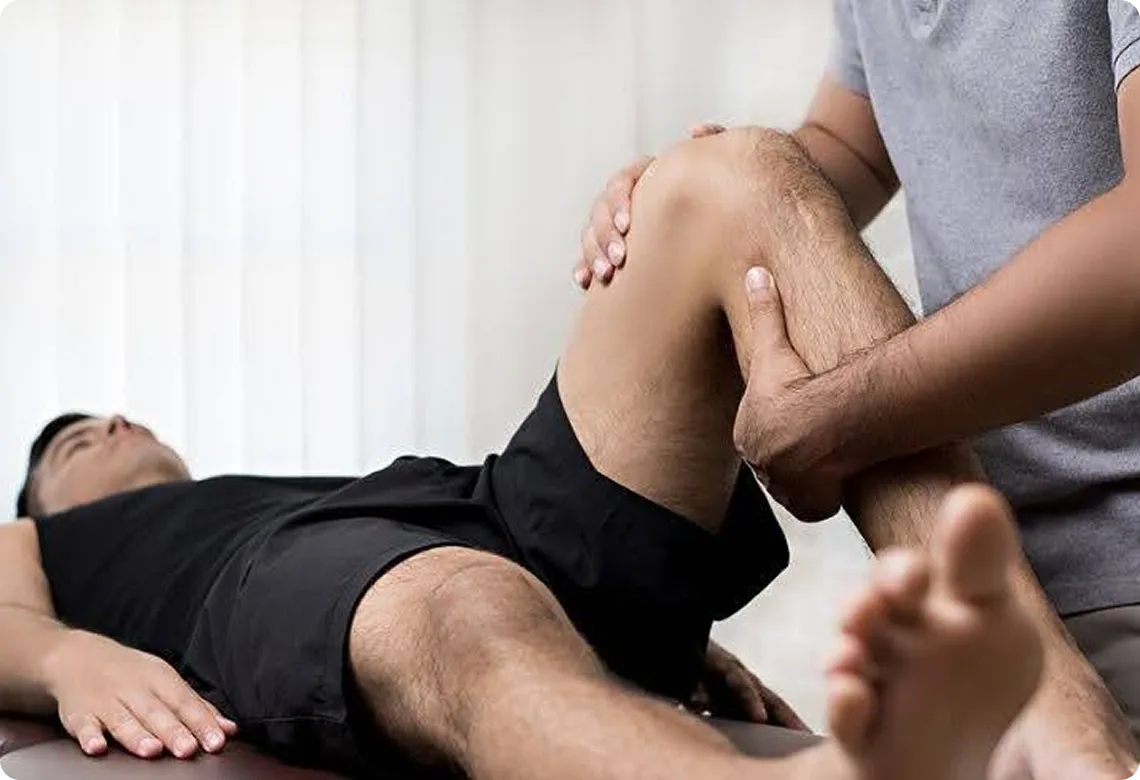
This diagnostic clarity allows him to tailor each biologic therapy to the right joint region and tissue depth, optimizing healing potential.
Learn more about knee diagnoses and knee symptoms.
Treatment Process and Recovery
Depending on severity, Dr. Booth may recommend a series of 1–3 hybrid injections spaced several weeks apart.

Aftercare Recommendations
-
Avoid strenuous activity and NSAIDs for 7–10 days post-injection.
-
Use gentle movement and stretching to maintain joint nutrition.
-
Resume low-impact exercise (walking, cycling, or swimming) after 3–5 days.
Improvement typically develops gradually over 2–6 weeks, with ongoing regeneration for several months.

Results Patients Often Experience
-
40–70% reduction in pain within 6 weeks
-
Increased mobility and flexibility
-
Reduced stiffness in the morning or after sitting
-
Extended duration of comfort vs. PRP or HA alone

When to Seek Care
Hybrid PRP + HA therapy may be appropriate if you:
-
Have mild-to-moderate knee osteoarthritis
-
Experience pain despite prior steroid or HA injections
-
Want to delay or avoid knee replacement surgery
-
Prefer a natural, biologically based treatment without chronic medication use
At Elite Pain & Health – Oklahoma, image-guided precision ensures safe, consistent, and optimal delivery for long-term benefit.
Take the Next Step
Hybrid PRP + HA therapy offers natural healing and smooth joint movement—without downtime or surgery.
Get urgent care for these
- The knee cannot bear any weight after an injury
- Obvious deformity, or the kneecap is out of place
- A hot, swollen, red knee with fever
- Sudden severe swelling within minutes of an injury
These need assessment now, not an appointment next week. Go to an emergency department or call 911.
Common questions about knee pain