
Knee treatment
Osteochondral and Cartilage Restoration Procedures for Knee Pain | Elite Pain & Health – Oklahoma
Osteochondral and Cartilage Restoration Procedures for Knee Pain

Cartilage damage in the knee can cause deep, persistent pain and gradual joint deterioration. While conservative care including physical therapy, injections, and regenerative treatments can help many patients, some cases require surgical cartilage restoration to preserve the joint and delay or prevent replacement.
At Elite Pain & Health, Dr. Keley John Booth, MD, emphasizes accurate diagnosis and conservative preparation before referring for or co-managing surgical cartilage restoration procedures. These surgeries such as microfracture, osteochondral autograft transfer (OATS), or autologous chondrocyte implantation (ACI) aim to regrow or replace damaged cartilage so patients can return to an active lifestyle without full joint replacement.
Why It’s Needed

Articular cartilage provides the smooth, frictionless surface that allows the knee joint to glide comfortably. Unfortunately, it has little natural ability to heal, since it lacks direct blood supply.
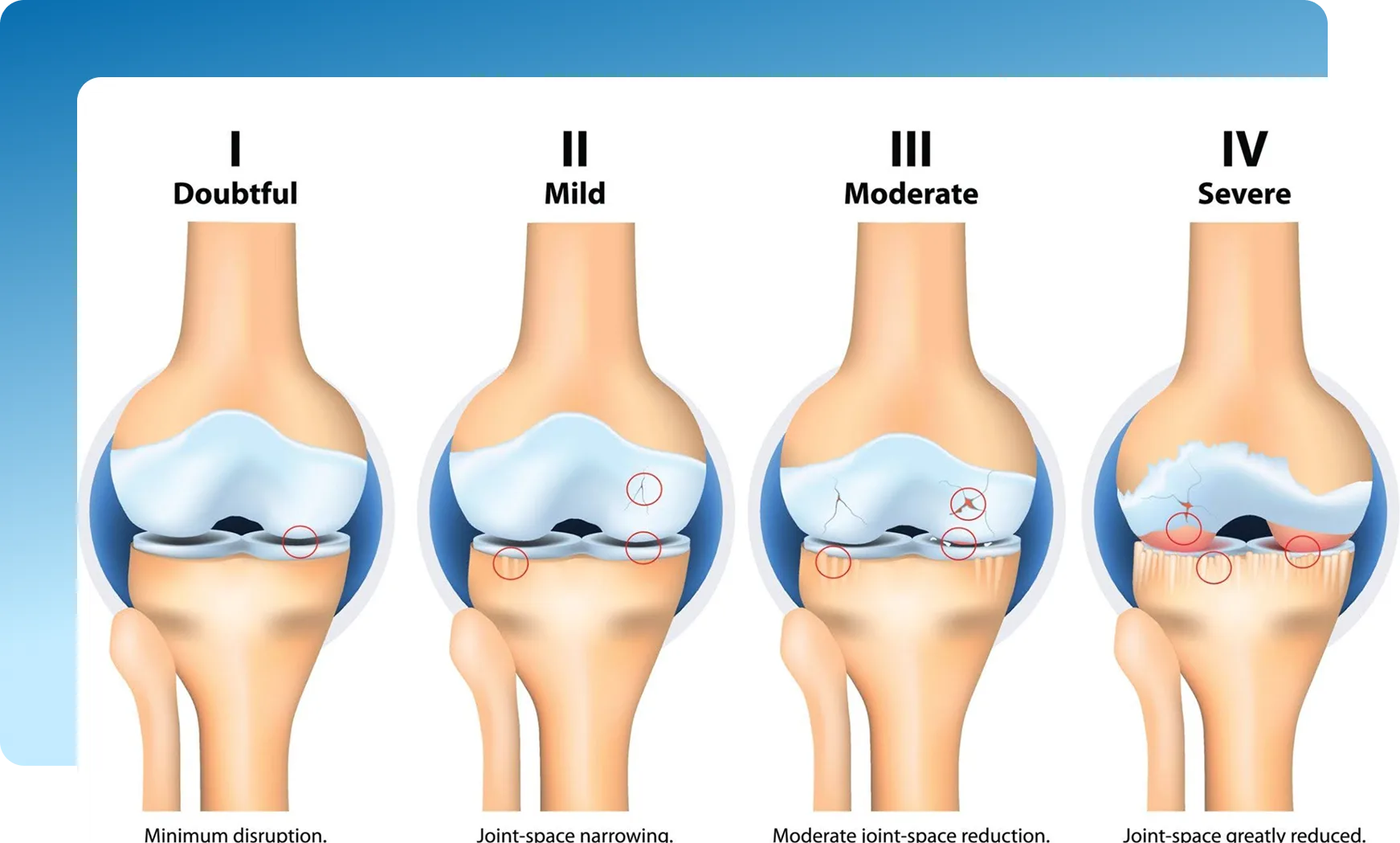
When cartilage is injured by trauma, repetitive stress, or early arthritis, patients often experience:
-
Localized pain and swelling
-
Catching, locking, or grinding
-
Loss of range of motion
-
Instability or reduced function
If untreated, these defects may expand and lead to osteoarthritis. Surgical restoration aims to repair or replace cartilage tissue to protect the underlying bone and restore joint mechanics.
Types of Cartilage Restoration Procedures

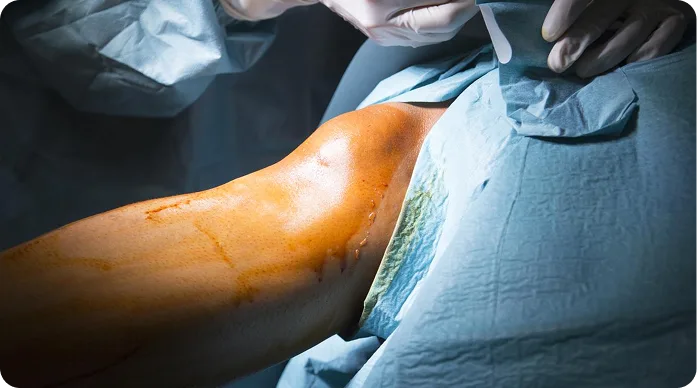
Microfracture
This arthroscopic procedure stimulates new cartilage growth by creating tiny holes (microfractures) in the bone beneath the damaged area.
-
Goal: Encourage bone marrow cells to form a protective fibrocartilage layer.
-
Best for: Small cartilage defects in younger, active patients.
-
Recovery: Early controlled motion; full recovery in 4–6 months.
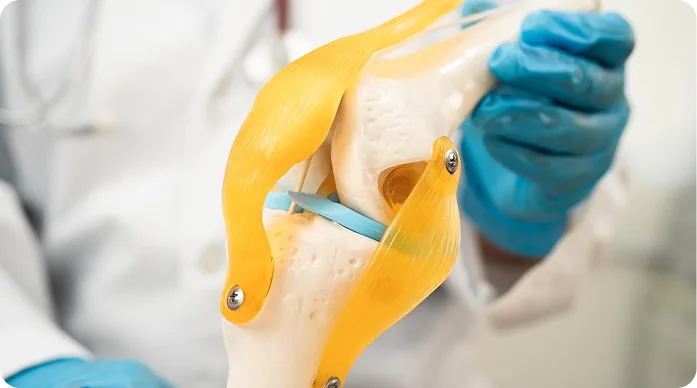
Osteochondral Autograft Transfer (OATS)
Healthy cartilage and bone plugs are taken from a non–weight-bearing area of the knee and transferred to the damaged region.
-
Goal: Replace worn cartilage with native, living tissue.
-
Best for: Moderate cartilage lesions (usually <2 cm²).
-
Recovery: 6–9 months with progressive rehab.
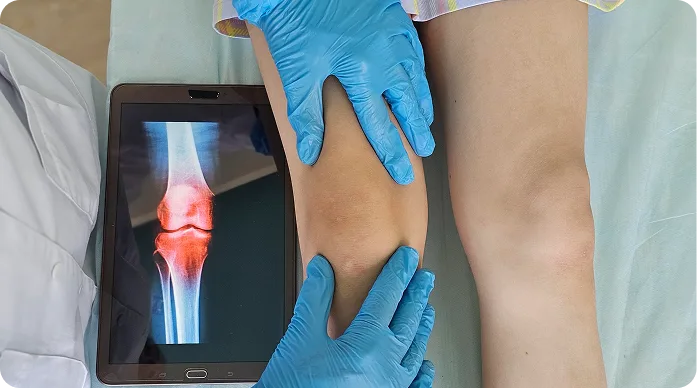
Autologous Chondrocyte Implantation (ACI)
A two-step procedure: first, cartilage cells are harvested arthroscopically and grown in a lab; second, the new cells are implanted into the defect under a biologic membrane.
-
Goal: Regrow durable, hyaline-like cartilage.
-
Best for: Larger or deeper cartilage defects in younger patients.
-
Recovery: 9–12 months, often followed by structured physical therapy.
Dr. Booth’s Approach: Stepwise Care
and Prehabilitation

Even when surgery becomes necessary, Dr. Booth’s philosophy remains conservative and precision-based. Every patient undergoes:
-
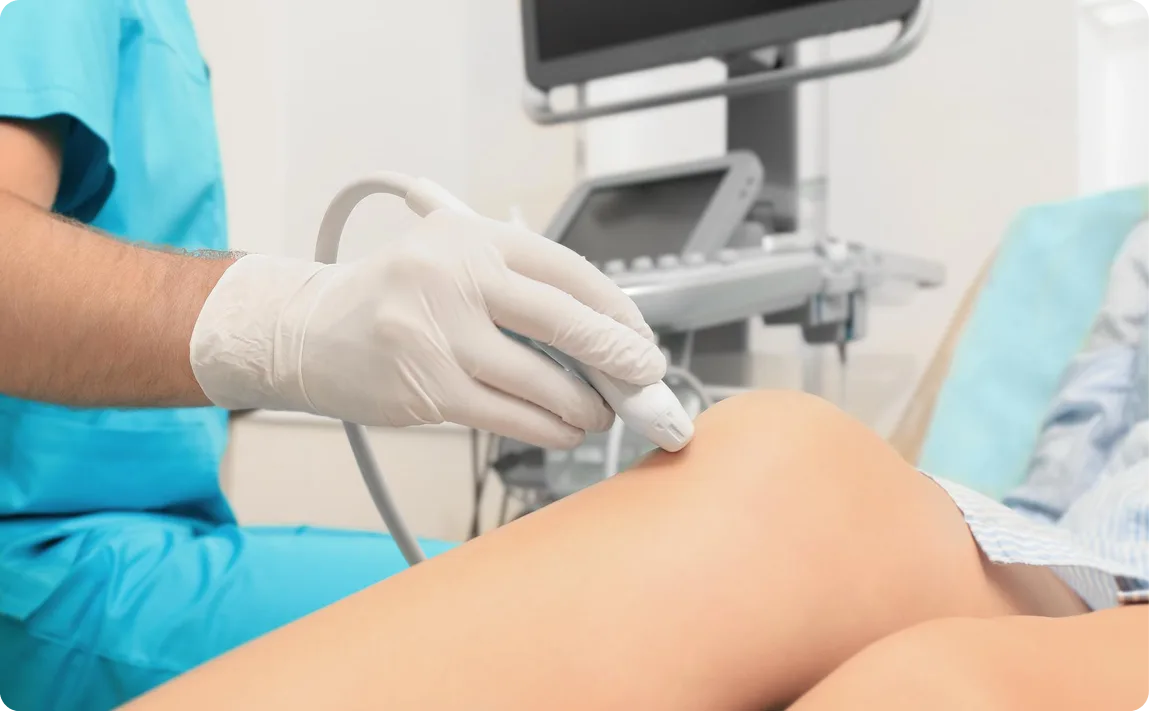
Image-guided diagnostic evaluation to confirm cartilage injury location and depth.
-
Comprehensive prehabilitation, including physical therapy to strengthen muscles and improve joint mechanics.
-
Optimization of inflammation and tissue health through guided injections or regenerative treatments before surgery.
This preparation not only improves surgical outcomes but also helps patients recover faster and maintain mobility during the postoperative phase.

What to Expect After Surgery
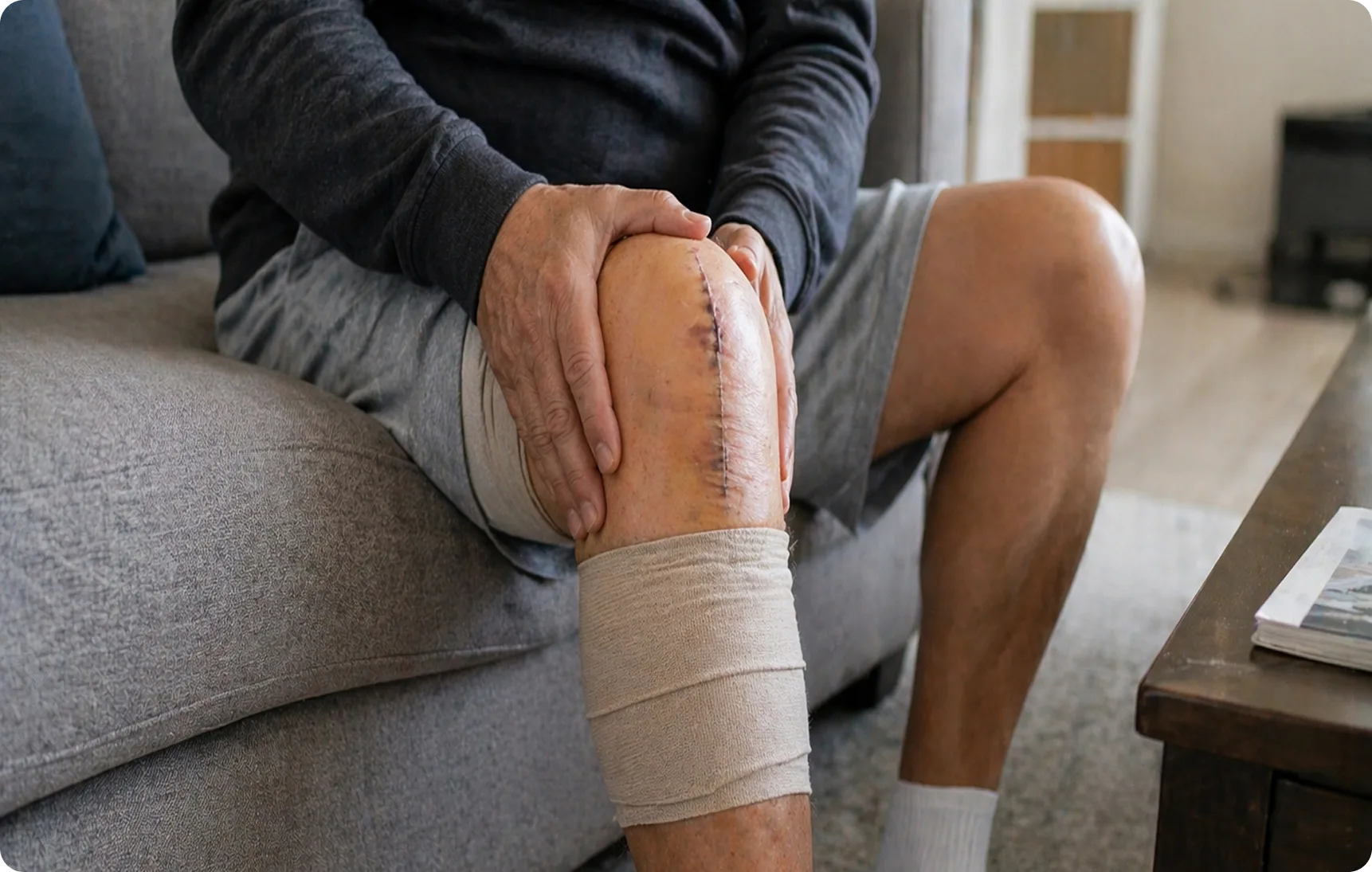
Recovery timelines vary based on the specific procedure, but all require:
-
Initial rest and protection with limited weight-bearing.
-
Gradual physical therapy to restore motion and strength.
-
Close follow-up to ensure cartilage healing and prevent stiffness.
Dr. Booth collaborates closely with surgical partners to guide safe progression back to normal activity, sports, or work.
Risks and Considerations
While generally safe and effective in properly selected patients, cartilage restoration procedures carry certain risks:
-
Incomplete healing or overgrowth of repair tissue
-
Stiffness or weakness during recovery
-
Need for revision surgery if defects reappear
These procedures are best suited for younger, active patients with localized cartilage loss, rather than widespread osteoarthritis. For more advanced degeneration, joint realignment (osteotomy) or partial replacement may be considered next.
When to Consider Cartilage Restoration

You may be a candidate if you:
-
Have persistent, localized knee pain not relieved by conservative care
-
Have imaging showing isolated cartilage defects
-
Want to delay or avoid joint replacement
-
Are physically active and otherwise healthy
Dr. Booth’s multidisciplinary approach ensures each patient receives a personalized treatment sequence*, beginning with non-surgical options and advancing to restoration only when truly needed.*
Take the Next Step
If knee pain limits your activity and imaging shows cartilage damage, surgical restoration may help preserve your joint and active lifestyle.
Get urgent care for these
- The knee cannot bear any weight after an injury
- Obvious deformity, or the kneecap is out of place
- A hot, swollen, red knee with fever
- Sudden severe swelling within minutes of an injury
These need assessment now, not an appointment next week. Go to an emergency department or call 911.
Common questions about knee pain