
Knee symptom
Warmth, Redness, or Tenderness in the Knee | Elite Pain & Health – Oklahoma
Warmth, Redness, or Tenderness in the Knee

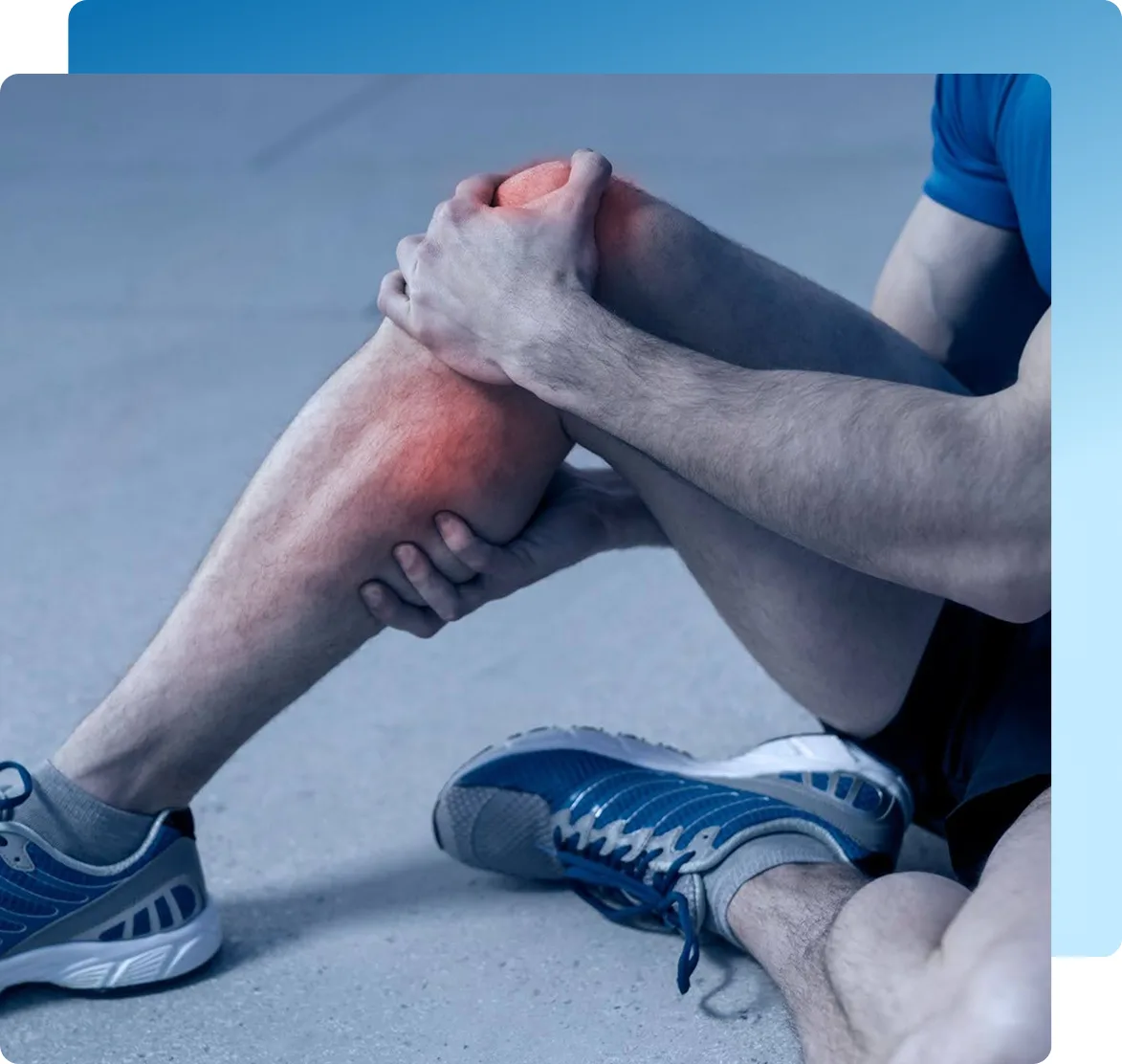
When your knee feels warm, red, or tender to the touch, it’s a clear sign that inflammation is occurring inside or around the joint. While mild irritation from overuse can cause temporary warmth, more serious causes like bursitis, arthritis, gout, or infection need professional attention.
At Elite Pain & Health – Oklahoma, Dr. Keley John Booth, MD, uses image-guided evaluation to pinpoint the exact cause of inflammation and delivers precise, non-surgical care designed to relieve pain, protect joint health, and prevent complications.
Why It Happens

Warmth and redness occur when the body increases blood flow and immune activity around the joint. This response helps heal injured tissues but can also produce pain, stiffness, and swelling
Common causes include:
-
Bursitis - inflammation of fluid-filled sacs that cushion the joint
-
Arthritis – including osteoarthritis, rheumatoid arthritis, or psoriatic arthritis
-
Gout or pseudogout – crystal buildup inside the joint causing intense inflammation
-
Infection (septic arthritis) – bacteria within the joint or surrounding tissue (requires urgent treatment)
-
Overuse or trauma – repetitive stress, impact, or strain leading to local irritation
-
Post-surgical inflammation – normal healing response that occasionally persists too long
Because these causes range from mild to potentially serious, accurate diagnosis is essential for safe and effective treatment.
What It Feels Like

Patients often report:
-
Warmth or heat radiating from the knee joint
-
Redness or flushing over the skin
-
Tenderness or soreness to touch or pressure
-
Swelling, stiffness, or aching pain
-
Possible fever or malaise if infection is present
If the knee becomes acutely hot, red, and painful, especially with fever or inability to bear weight, it may indicate an infection that requires urgent medical attention.

How It’s Diagnosed

Dr. Booth conducts a thorough clinical and imaging-based evaluation to distinguish between inflammation, infection, and other causes of warmth or tenderness.
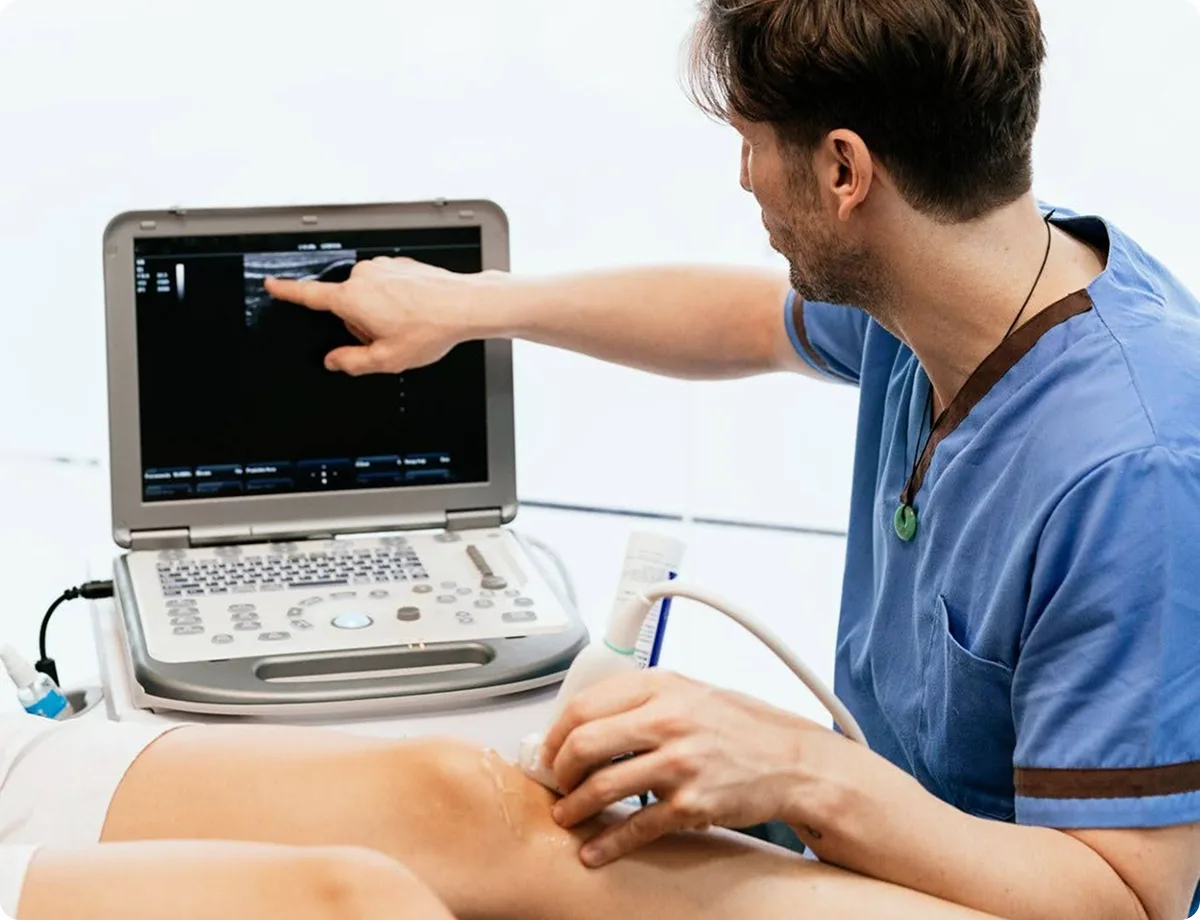
Diagnostic steps may include
-
Physical examination to assess swelling, temperature, and tenderness pattern
-
Ultrasound imaging to detect fluid buildup or inflamed bursae
-
X-rays to check for arthritis, bone changes, or soft tissue swelling
-
Joint aspiration (arthrocentesis) under image guidance to test for infection or crystals (gout/pseudogout)
-
Blood tests for inflammatory or infectious markers
This image-guided, evidence-based process allows Dr. Booth to confirm the cause accurately and safely before beginning treatment.
Conservative Treatment
Once the cause is confirmed, Dr. Booth develops a personalized, non-surgical care plan to control inflammation and restore knee health. Treatments may include:
-
Image-guided aspiration to relieve pressure and analyze fluid
-
Targeted corticosteroid or regenerative injections to reduce inflammation
-
Cold therapy, compression, and elevation for symptom relief
-
Physical therapy to maintain mobility and prevent stiffness
-
Anti-inflammatory or antibiotic medication, depending on the diagnosis
-
Lifestyle and diet adjustments for gout or inflammatory arthritis
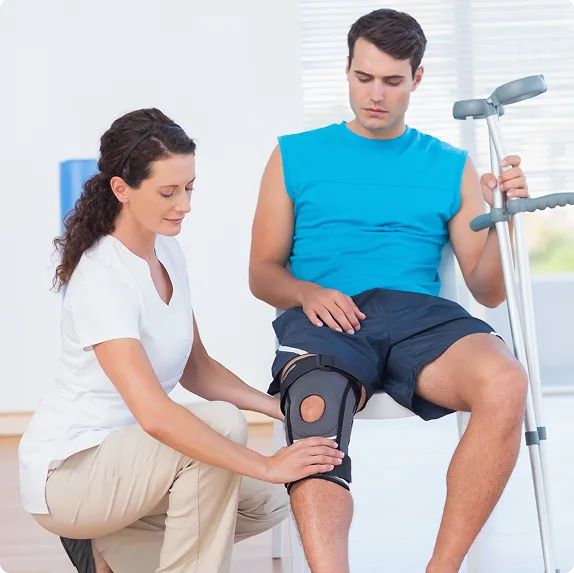
If infection is present, immediate antibiotic therapy or referral for drainage may be necessary Dr. Booth coordinates this care promptly to prevent joint damage.
When to Seek Care
You should seek professional evaluation immediately if:
-
The knee is hot, red, swollen, and painful
-
You experience fever, chills, or malaise
-
There is sudden, severe pain that doesn’t improve with rest
-
You notice recurrent inflammation despite home care
-
Your symptoms limit walking, bending, or daily activity
Timely treatment prevents complications like joint infection, chronic arthritis, or cartilage damage.
Take the Next Step
If your knee feels warm, red, or tender, don’t ignore it, these symptoms may indicate infection or inflammation that needs timely, expert care.
Get urgent care for these
- The knee cannot bear any weight after an injury
- Obvious deformity, or the kneecap is out of place
- A hot, swollen, red knee with fever
- Sudden severe swelling within minutes of an injury
These need assessment now, not an appointment next week. Go to an emergency department or call 911.
Common questions about knee pain