
Knee condition or diagnosis
Meniscus Tear | Elite Pain & Health – Oklahoma
Meniscus Tear

A meniscus tear is one of the most common causes of knee pain and mechanical symptoms like clicking, catching, or locking. The meniscus acts as a shock absorber between your thighbone and shinbone, distributing weight and stabilizing your knee during movement. When it tears whether from sports, squatting, or aging it can significantly affect comfort and function.
At Elite Pain & Health – Oklahoma, Dr. Keley John Booth, MD, uses advanced imaging and image-guided treatment techniques to identify the specific type and severity of a meniscus tear, allowing for precise, non-surgical healing and faster return to activity.
Why It Happens

The meniscus is a crescent-shaped cartilage structure inside the knee one on each side (medial and lateral). It cushions the joint and provides smooth movement. Tears occur when this tissue is twisted, pinched, or worn down.
Common causes include:

-
Sudden twisting or pivoting while the foot is planted
-
Deep squatting or heavy lifting
-
Sports injuries (football, basketball, skiing)
-
Age-related degeneration in older adults
-
Arthritic changes leading to weakened cartilage
Younger patients often experience acute traumatic tears, while middle-aged or older adults may develop degenerative meniscus tears from wear and tear.
What It Feels Like

Symptoms depend on the type and severity of the tear but may include:
-
Sharp or aching pain along the inner or outer side of the knee
-
Swelling that develops over hours or days
-
Catching, locking, or clicking during motion
-
Difficulty straightening or bending the knee fully
-
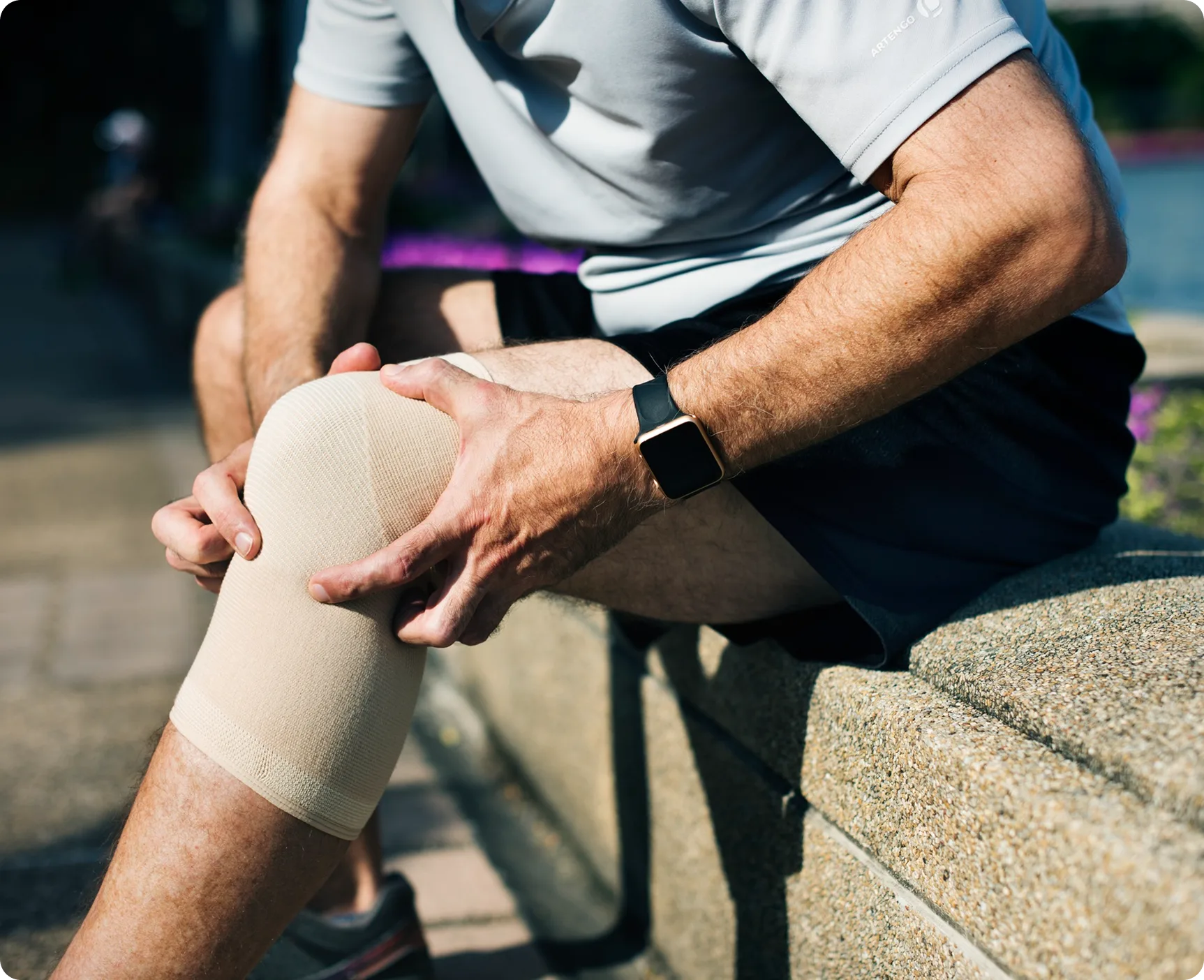
Feeling that the knee “gives out” or won’t support weight
In some cases, small tears cause only mild discomfort while larger, displaced tears can block knee motion entirely.
How It’s Diagnosed

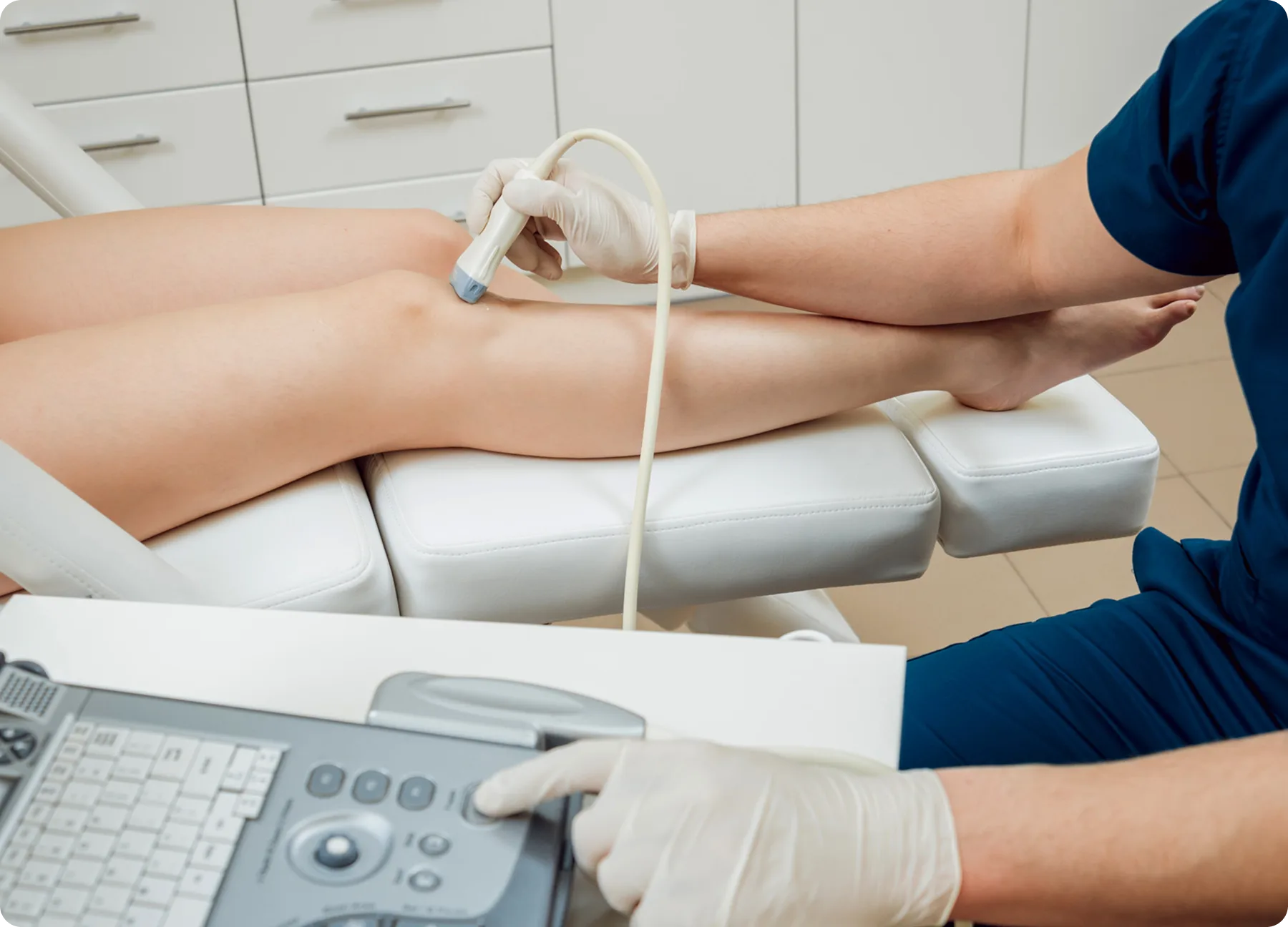
Dr. Booth combines a detailed exam with precise imaging to determine whether the meniscus tear is stable, repairable, or degenerative.
Evaluation may include:
-
Physical examination with joint line tenderness and motion testing
-
Ultrasound imaging to detect fluid, swelling, or meniscal displacement
-
MRI for confirmation of tear type (radial, flap, bucket-handle, etc.)
-
Fluoroscopic or ultrasound-guided diagnostic injections to isolate the pain source
This image-guided diagnostic accuracy ensures that treatment targets the real problem avoiding unnecessary surgery.
Conservative Treatment
Many meniscus tears especially smaller or degenerative ones can heal or become symptom-free without surgery when treated properly. Dr. Booth’s non-surgical, stepwise approach includes:
-
Activity modification and rest to prevent further injury
-
Physical therapy to strengthen supporting muscles and restore mobility
-
Image-guided corticosteroid or regenerative injections (PRP or prolotherapy) to promote healing and reduce inflammation
-
Bracing or taping to stabilize the knee during activity
-
Viscosupplementation to improve joint lubrication in arthritic knees
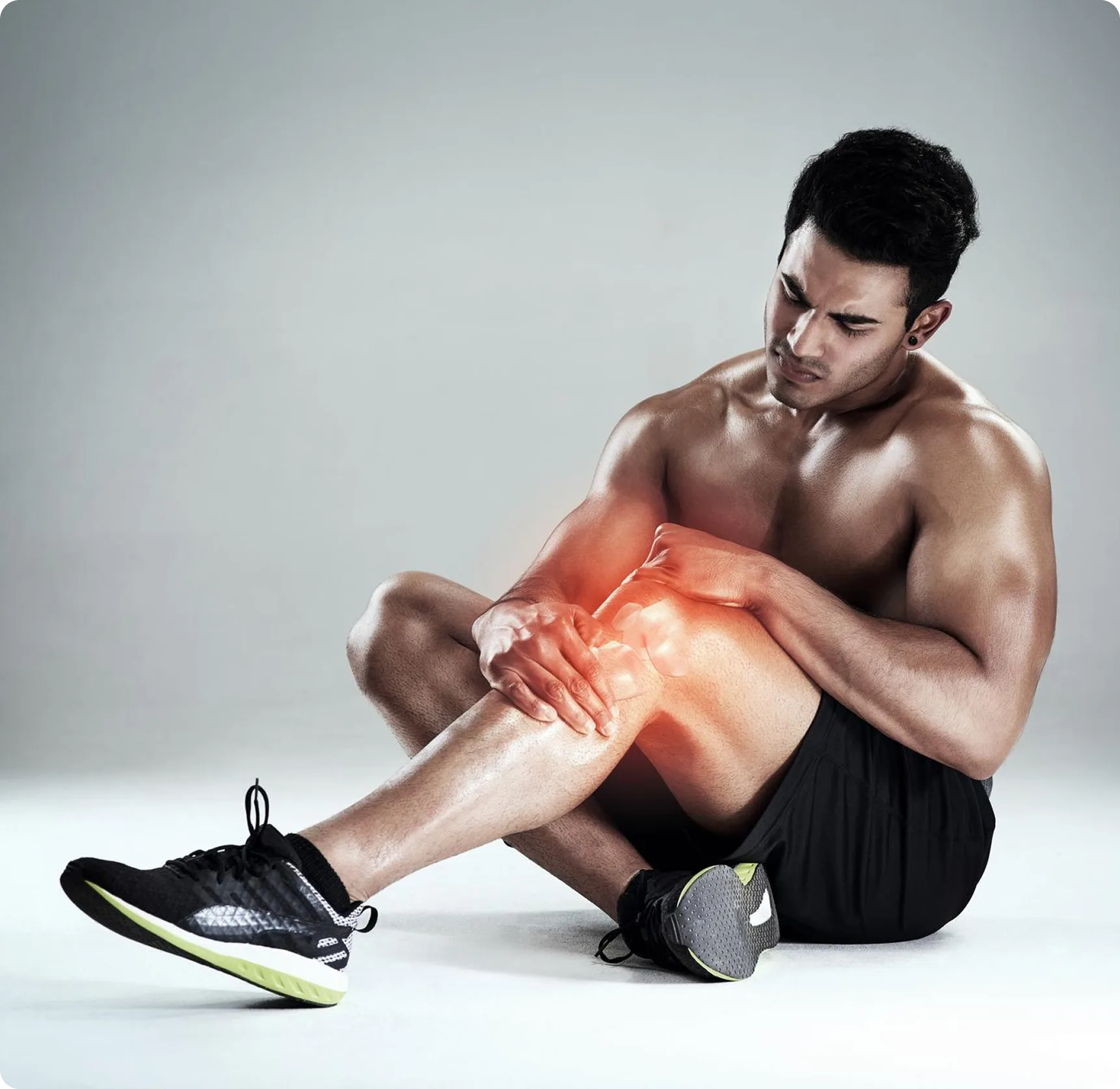
These treatments help restore comfort and function while protecting remaining cartilage.
When to Seek Care
You should seek medical evaluation if you experience:
-
Persistent pain, swelling, or locking
-
A knee that catches or clicks with movement
-
Instability or loss of strength after twisting or squatting
-
Recurrent swelling after activity
-
Difficulty fully straightening or bending the knee
Prompt evaluation helps prevent the tear from enlarging or causing early arthritis
Take the Next Step
If you’re dealing with knee pain, swelling, or clicking, a meniscus tear may be the cause. With Dr. Booth’s image-guided precision and conservative approach, you can often avoid surgery and recover faster.
Get urgent care for these
- The knee cannot bear any weight after an injury
- Obvious deformity, or the kneecap is out of place
- A hot, swollen, red knee with fever
- Sudden severe swelling within minutes of an injury
These need assessment now, not an appointment next week. Go to an emergency department or call 911.
Common questions about knee pain