
Knee condition or diagnosis
Osteoarthritis of the Knee | Elite Pain & Health – Oklahoma
Osteoarthritis of the Knee

Knee osteoarthritis (OA) is one of the most common causes of chronic knee pain and stiffness, especially as we age. It occurs when the smooth cartilage that cushions your knee joint gradually wears away, allowing bones to rub together. This friction leads to inflammation, swelling, and pain that can make walking or standing difficult.
At Elite Pain & Health – Oklahoma, Dr. Keley John Booth, MD, provides image-guided diagnosis and conservative, regenerative treatment options designed to relieve pain, preserve mobility, and delay or even avoid surgery.
Why It Happens

Knee osteoarthritis develops when the protective cartilage between the femur (thighbone) and tibia (shinbone) deteriorates. As cartilage thins, the joint loses its natural shock absorption and lubrication.
Common contributing factors include:

-
Aging and natural cartilage wear
-
Previous knee injury (such as meniscus or ligament damage)
-
Repetitive overuse or heavy physical work
-
Excess body weight increasing joint stress
-
Genetic predisposition
-
Joint malalignment or instability that alters load distribution
Over time, the body reacts by forming bone spurs and increasing inflammation, further limiting motion and comfort.
What It Feels Like

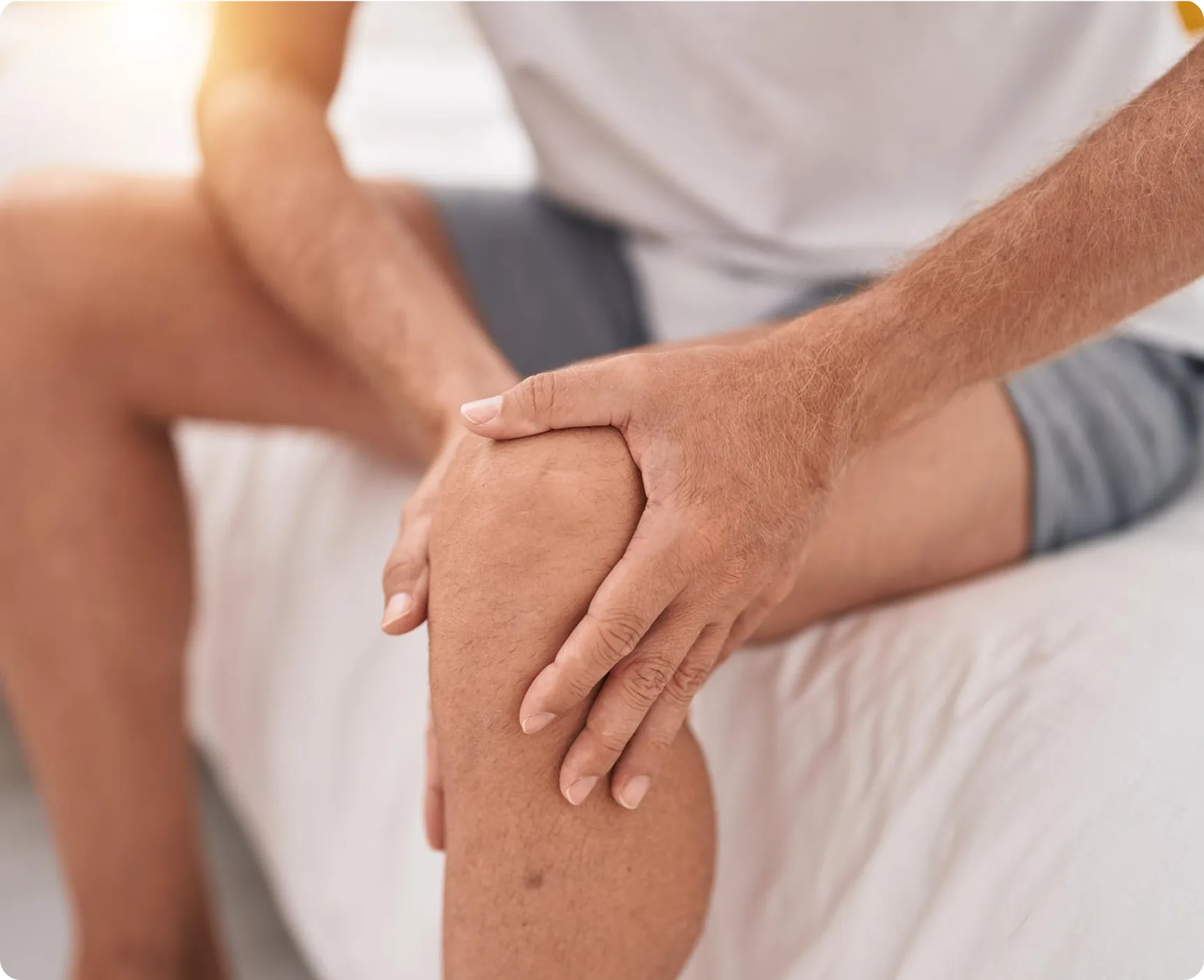
Knee osteoarthritis symptoms often begin gradually and worsen over time. Patients may experience:
-
Aching or deep joint pain, especially with standing or walking
-
Morning stiffness that eases after gentle movement
-
Grinding, popping, or cracking sounds
-
Swelling and tenderness around the joint
-
Limited motion or difficulty straightening the leg
-
Increased pain with weather changes
Symptoms may fluctuate, with flare-ups after activity or periods of rest.
How It’s Diagnosed

At Elite Pain & Health, Dr. Booth uses advanced, image-guided evaluation to identify both the degree of joint degeneration and any secondary pain sources (ligament, tendon, or nerve irritation).
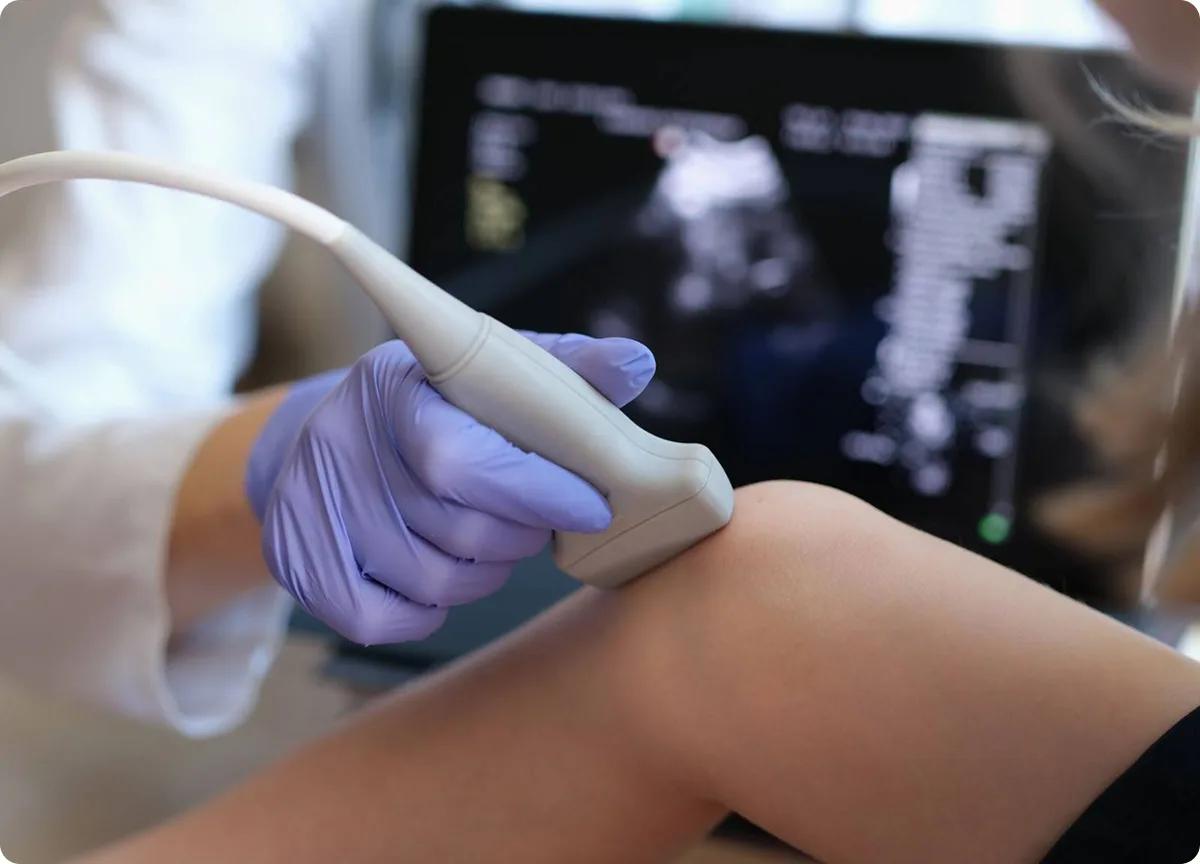
The diagnostic process may include:
-
Physical examination for alignment, motion, and stability
-
X-rays to visualize joint-space narrowing and bone spurs
-
Ultrasound imaging for inflammation, bursitis, or fluid buildup
-
Fluoroscopic-guided diagnostic injections to pinpoint the exact source of pain
-
MRI when soft tissue or cartilage integrity needs closer assessment
This comprehensive evaluation ensures that each patient receives a treatment plan tailored to their specific structural and functional needs.
Conservative Treatment
Dr. Booth emphasizes surgery avoidance whenever possible, offering multiple conservative and regenerative therapies to relieve pain and restore motion.
Treatment options include:
-
Image-guided corticosteroid injections to reduce inflammation during flare-ups
-
Viscosupplementation (“gel” injections) to improve joint lubrication and cushioning
-
Regenerative medicine such as platelet-rich plasma (PRP) or stem-cell–based therapies to support cartilage repair and reduce inflammation
-
Physical therapy to strengthen surrounding muscles and improve joint alignment
-
Bracing or offloading devices to reduce mechanical stress
-
Lifestyle optimization weight management, low-impact exercise, and joint protection strategies
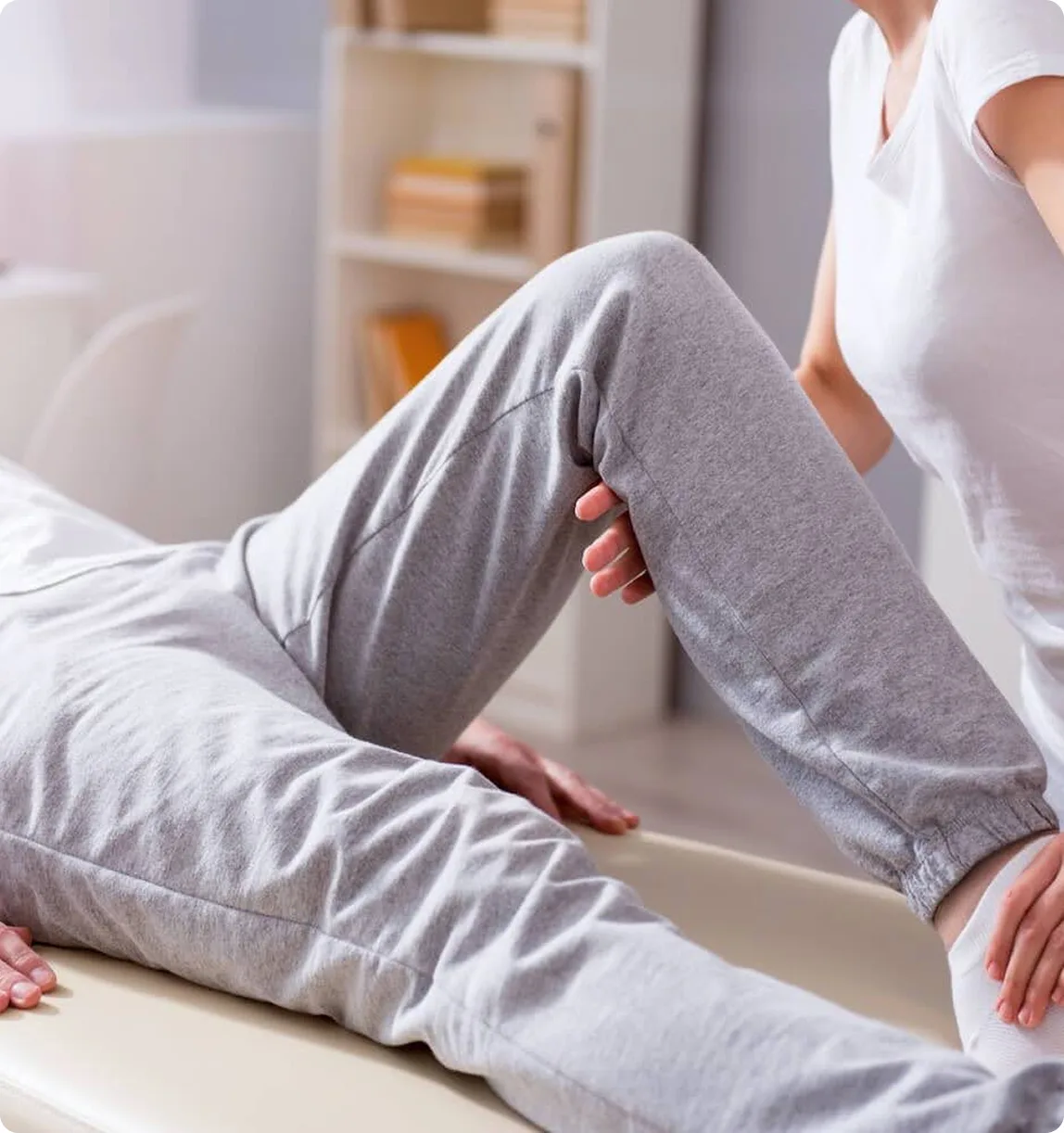
When performed under precise imaging, these interventions provide long-lasting relief and help patients stay active without surgical replacement.
When to Seek Care
You should schedule an evaluation if:
-
You have knee pain or stiffness lasting longer than 4–6 weeks
-
Pain worsens with walking, stairs, or prolonged standing
-
You feel grinding or locking sensations in the joint
-
Swelling recurs after activity
-
You’ve been told you have “arthritis” but want non-surgical solutions
Early, image-guided intervention helps preserve cartilage, slow progression, and delay surgery.
Take the Next Step
You don’t have to live with knee pain or stiffness. With image-guided regenerative treatments and expert conservative care, Dr. Booth can help you move with less pain and more freedom without surgery.
Get urgent care for these
- The knee cannot bear any weight after an injury
- Obvious deformity, or the kneecap is out of place
- A hot, swollen, red knee with fever
- Sudden severe swelling within minutes of an injury
These need assessment now, not an appointment next week. Go to an emergency department or call 911.
Common questions about knee pain