
Knee condition or diagnosis
Patellofemoral Pain Syndrome | Elite Pain & Health – Oklahoma
Patellofemoral Pain Syndrome

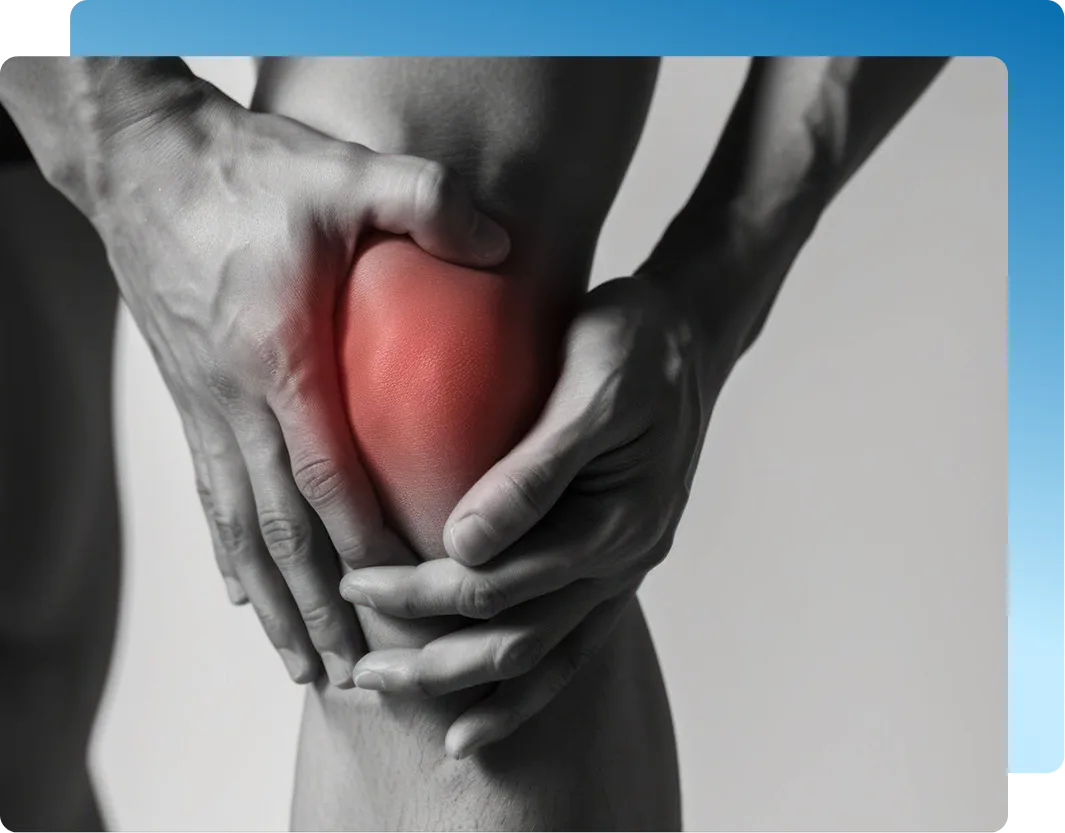
If you feel aching, burning, or pressure around the kneecap especially when climbing stairs, squatting, or sitting for long periods you may have Patellofemoral Pain Syndrome (PFPS), also known as “runner’s knee.”
At Elite Pain & Health – Oklahoma, Dr. Keley John Booth, MD, specializes in diagnosing and treating this common condition using image-guided evaluation and conservative therapy that restores balance, reduces inflammation, and helps you stay active without surgery.
Why It Happens

The patellofemoral joint connects the kneecap (patella) to the thighbone (femur). The patella glides up and down a groove as the knee bends and straightens. If it moves unevenly called patellar maltracking it can irritate cartilage and surrounding soft tissues.
Common causes include:
-
Muscle imbalance – Weakness in the quadriceps or hip muscles causing poor kneecap alignment
-
Overuse – Repetitive running, jumping, or squatting without proper conditioning
-
Biomechanical factors – Flat feet, knock-knees, or hip rotation abnormalities
-
Direct trauma – A fall or blow to the kneecap
-
Arthritic changes under the patella (chondromalacia patellae)
When maltracking persists, inflammation and friction develop, leading to pain and irritation in the front of the knee.
What It Feels Like

Typical symptoms of PFPS include:
-
Aching or burning pain around or behind the kneecap
-
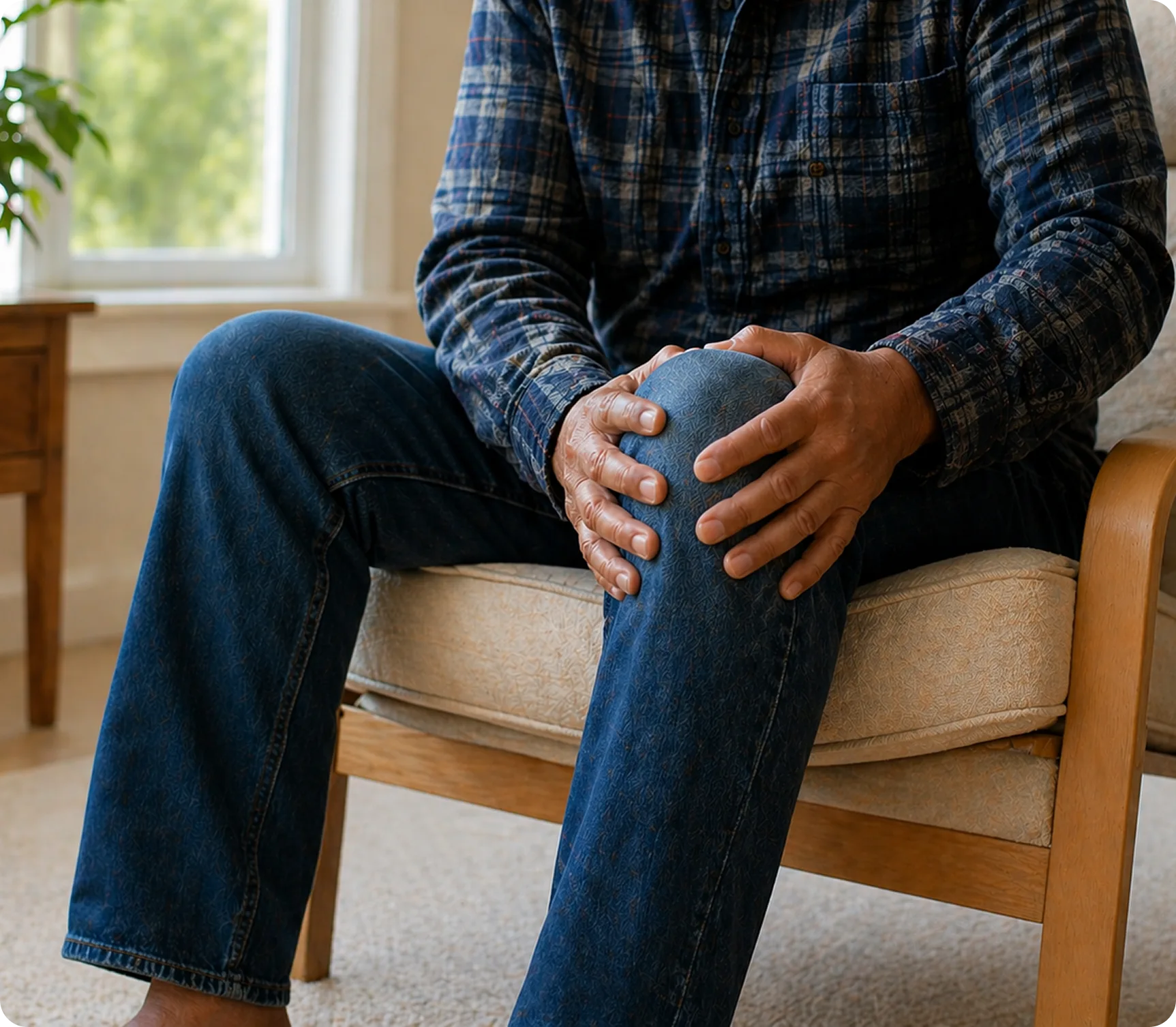
Pain when going up or down stairs, squatting, or sitting with bent knees (“theater sign”)
-
Grinding or popping sensations during knee motion
-
Tenderness along the edges of the kneecap
-
Occasional swelling or stiffness after activity
Symptoms may worsen with prolonged sitting, kneeling, or climbing hills.
How It’s Diagnosed

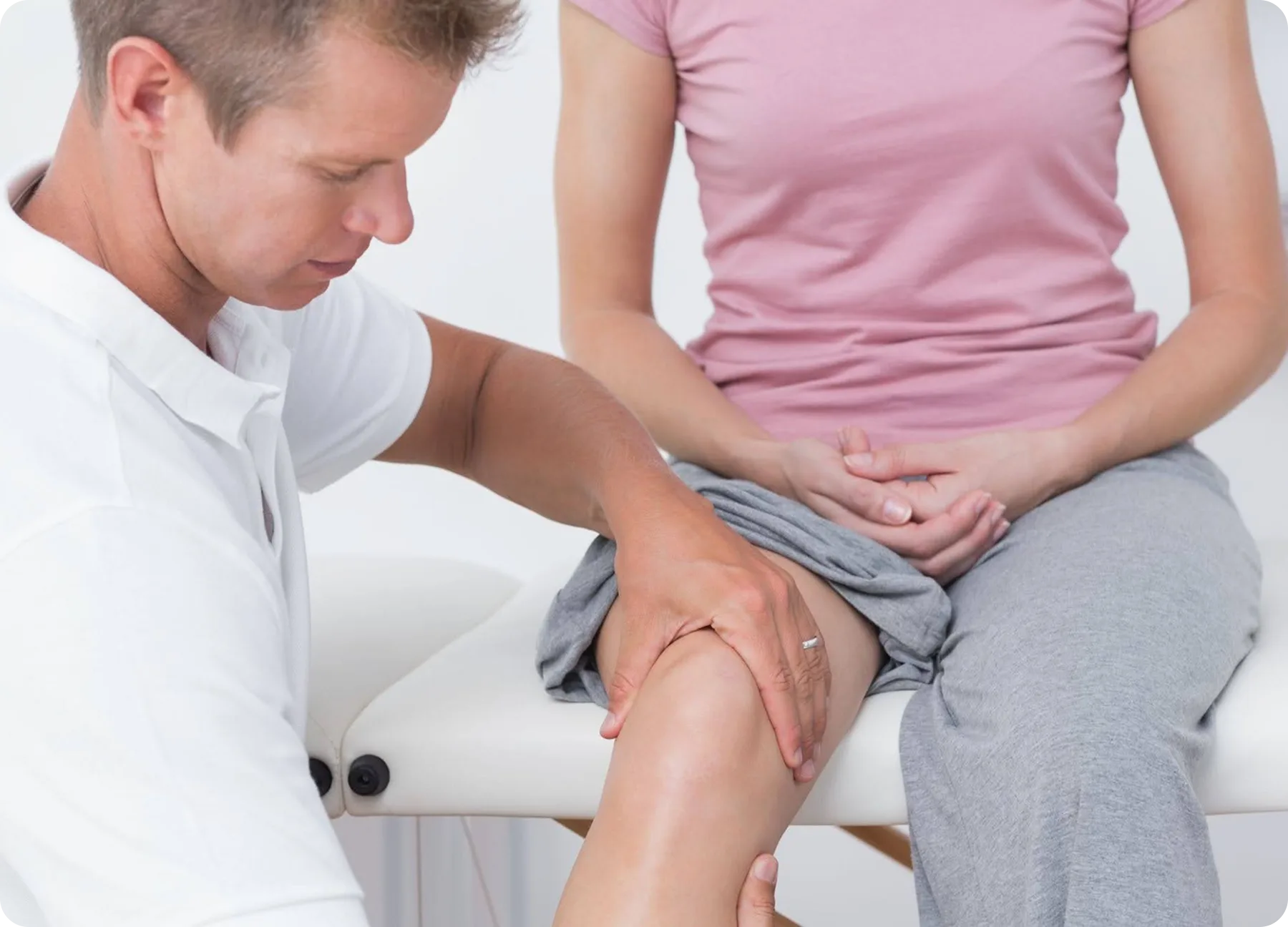
At Elite Pain & Health, Dr. Booth conducts a detailed biomechanical and image-guided evaluation to identify the exact reason for kneecap maltracking and associated pain.
Diagnostic steps may include:
-
Comprehensive physical exam to assess muscle balance, joint tracking, and flexibility
-
Ultrasound imaging to evaluate patellar tendon, bursa, and cartilage surfaces
-
X-rays for alignment, joint space, and bone irregularities
-
Fluoroscopic or ultrasound-guided diagnostic injection to confirm the pain source if multiple structures are involved
This precise assessment ensures treatment targets both the symptom and the underlying mechanical cause.
Conservative Treatment
Dr. Booth emphasizes non-surgical, movement-focused treatment to realign and protect the knee joint. Common approaches include:
-
Targeted physical therapy to strengthen the quadriceps and hip stabilizers
-
Patellar taping or bracing to correct kneecap tracking
-
Image-guided corticosteroid or regenerative injections to reduce inflammation and promote healing
-
Foot orthotics or shoe inserts for alignment correction
-
Activity modification – avoiding deep squats or repetitive knee strain during recovery
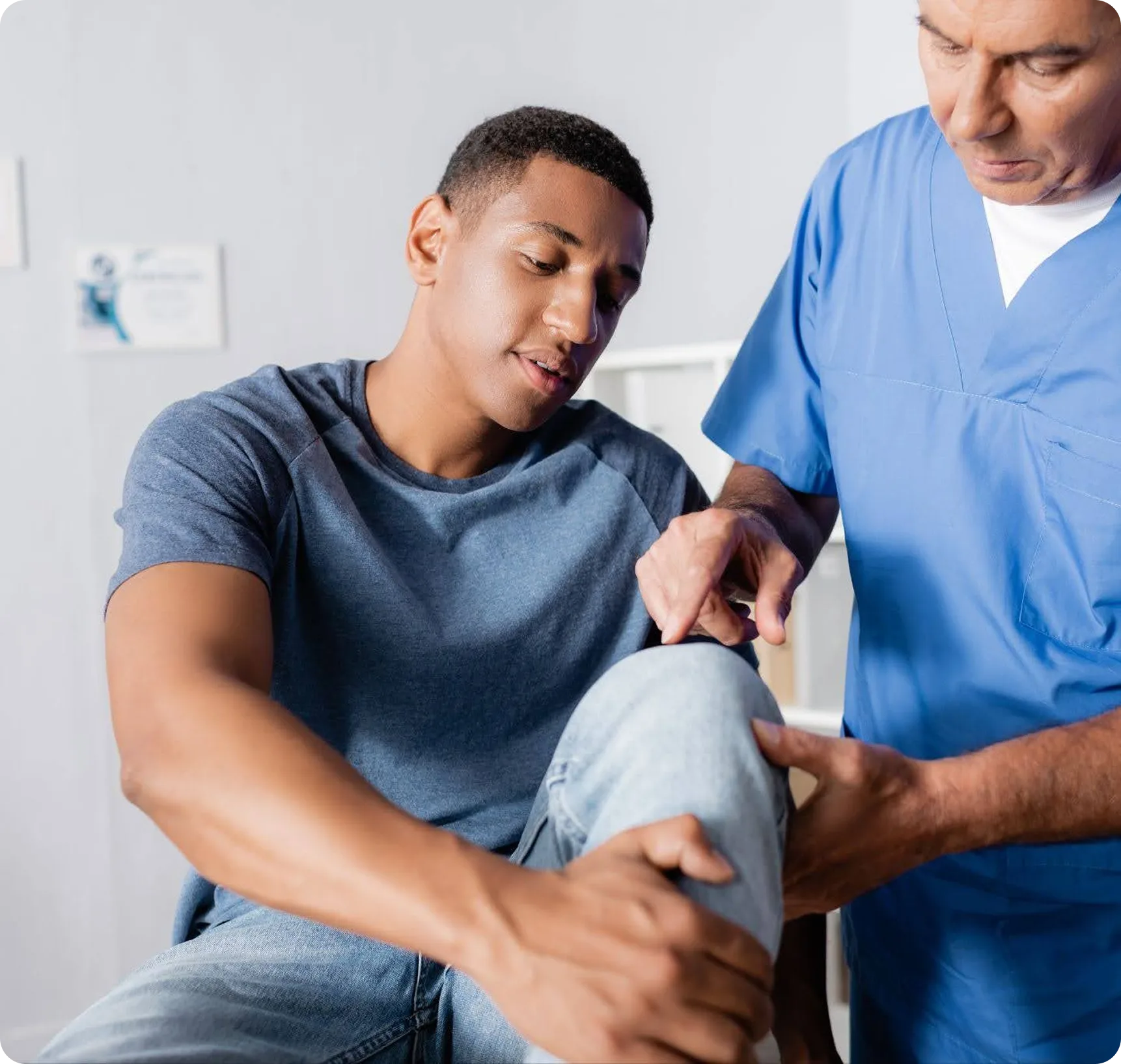
Most patients improve significantly within weeks once mechanical balance is restored.
When to Seek Care
You should see a knee specialist if:
-
Pain persists longer than two weeks despite rest
-
You feel grinding, popping, or swelling around the kneecap
-
Pain worsens with stairs, sitting, or squatting
-
Your knee feels unstable or misaligned
-
You’ve had repeated flare-ups that limit activity
Early diagnosis and targeted rehabilitation prevent chronic cartilage irritation or early arthritis.
Take the Next Step
If kneecap pain makes stairs, squats, or sitting uncomfortable, early diagnosis can help restore balance and confidence in movement without surgery.
Get urgent care for these
- The knee cannot bear any weight after an injury
- Obvious deformity, or the kneecap is out of place
- A hot, swollen, red knee with fever
- Sudden severe swelling within minutes of an injury
These need assessment now, not an appointment next week. Go to an emergency department or call 911.
Common questions about knee pain