
Knee symptom
Knee Swelling (Effusion) | Elite Pain & Health – Oklahoma
Knee Swelling (Effusion)

Swelling in the knee often called “knee effusion” or “water on the knee” is a common sign that the joint is inflamed or irritated. You may notice your knee looking puffy, tight, or full, and it might feel warm or stiff. This can happen after an injury, repetitive activity, or a flare-up of arthritis.
At Elite Pain & Health – Oklahoma, Dr. Keley John Booth, MD, carefully evaluates the cause of your swelling using image-guided diagnosis and personalized, conservative treatments that reduce inflammation and restore healthy joint function.
Why It Happens

Knee effusion occurs when excess fluid accumulates inside or around the knee joint. The underlying causes can include:

-
Acute injury – such as a torn ligament or meniscus, leading to internal bleeding or inflammation
-
Chronic overuse – repetitive stress that irritates joint lining or bursae
-
Arthritis – both osteoarthritis and inflammatory types like rheumatoid or gouty arthritis
-
Infection (septic arthritis) – bacterial infection causing heat, redness, and severe swelling
-
Post-surgical or post-injection response – temporary fluid buildup during healing
Swelling is the body’s way of protecting and healing the joint but prolonged or recurrent effusion can damage cartilage and worsen pain over time.
What It Feels Like

Common sensations and signs include:
-
Puffiness or fullness around the kneecap or sides of the joint
-
Tightness that limits bending or straightening
-
Warmth and tenderness when touched
-
Heaviness or stiffness, especially after sitting or standing
-
Pain when bearing weight or squatting
Some people describe a “balloon-like” pressure inside the knee. Severe cases can cause the knee to feel unstable or difficult to control during movement.

How It’s Diagnosed

At Elite Pain & Health, Dr. Booth performs a detailed exam to determine whether the swelling is from inflammation, bleeding, or infection.
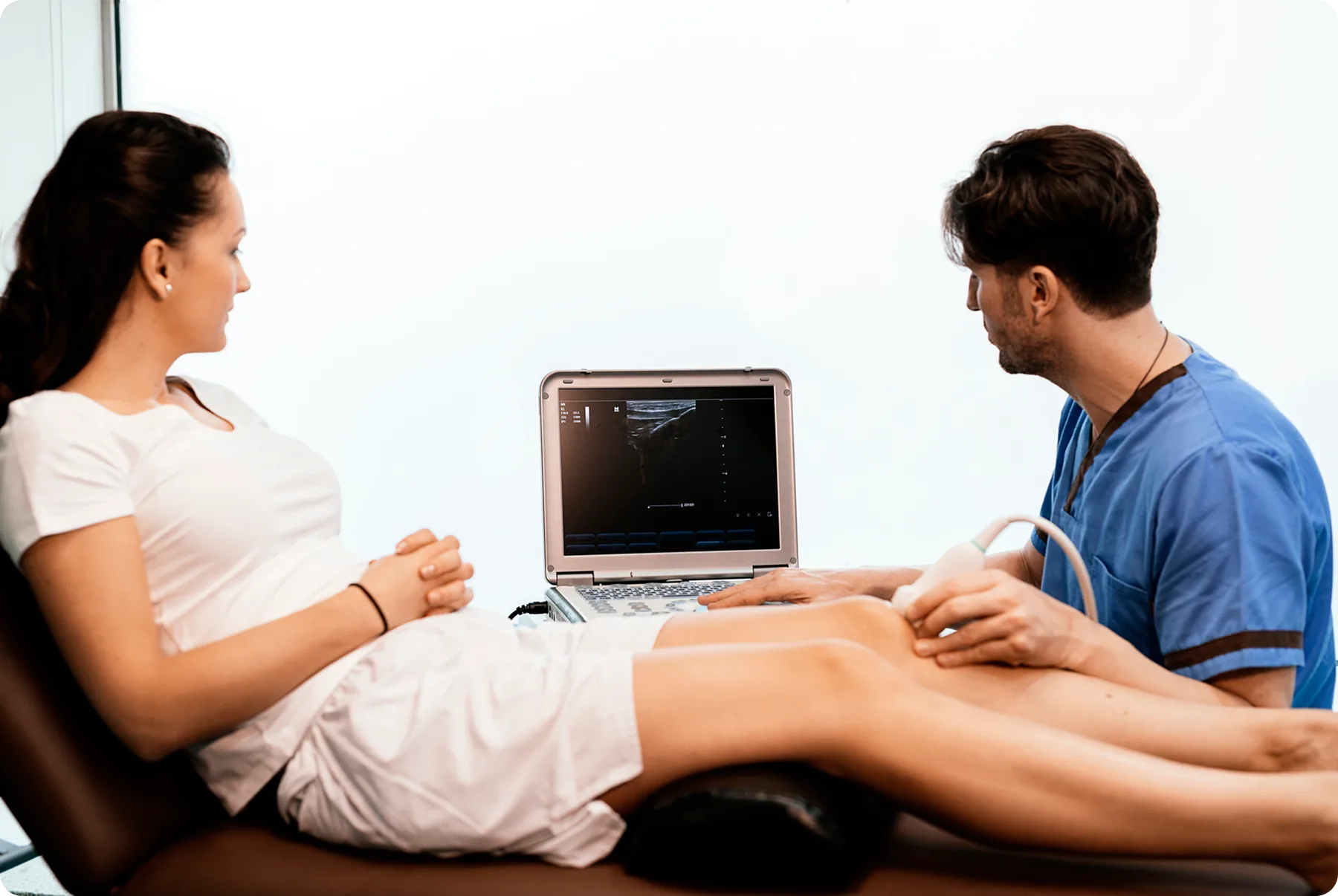
Diagnostic steps may include
-
Ultrasound imaging to visualize fluid pockets and soft tissue changes
-
X-rays to assess for arthritis, bone injury, or malalignment
-
MRI for internal structures such as cartilage, ligaments, or menisci
-
Diagnostic aspiration (fluid removal) for lab testing if infection or gout is suspected
Dr. Booth uses ultrasound guidance to safely and precisely evaluate the area helping ensure that treatment addresses the true cause, not just the symptom.
Conservative Treatment
The goal of treatment is to reduce inflammation, relieve pressure, and prevent recurrence. Dr. Booth’s stepwise, non-surgical approach may include:
-
Rest and activity modification to allow tissue recovery
-
Cold therapy and compression to decrease inflammation
-
Image-guided aspiration to remove excess joint fluid
-
Corticosteroid or regenerative injections (e.g., PRP) to calm inflammation and support healing
-
Physical therapy to strengthen muscles and improve joint mechanics
-
Weight management to reduce joint load
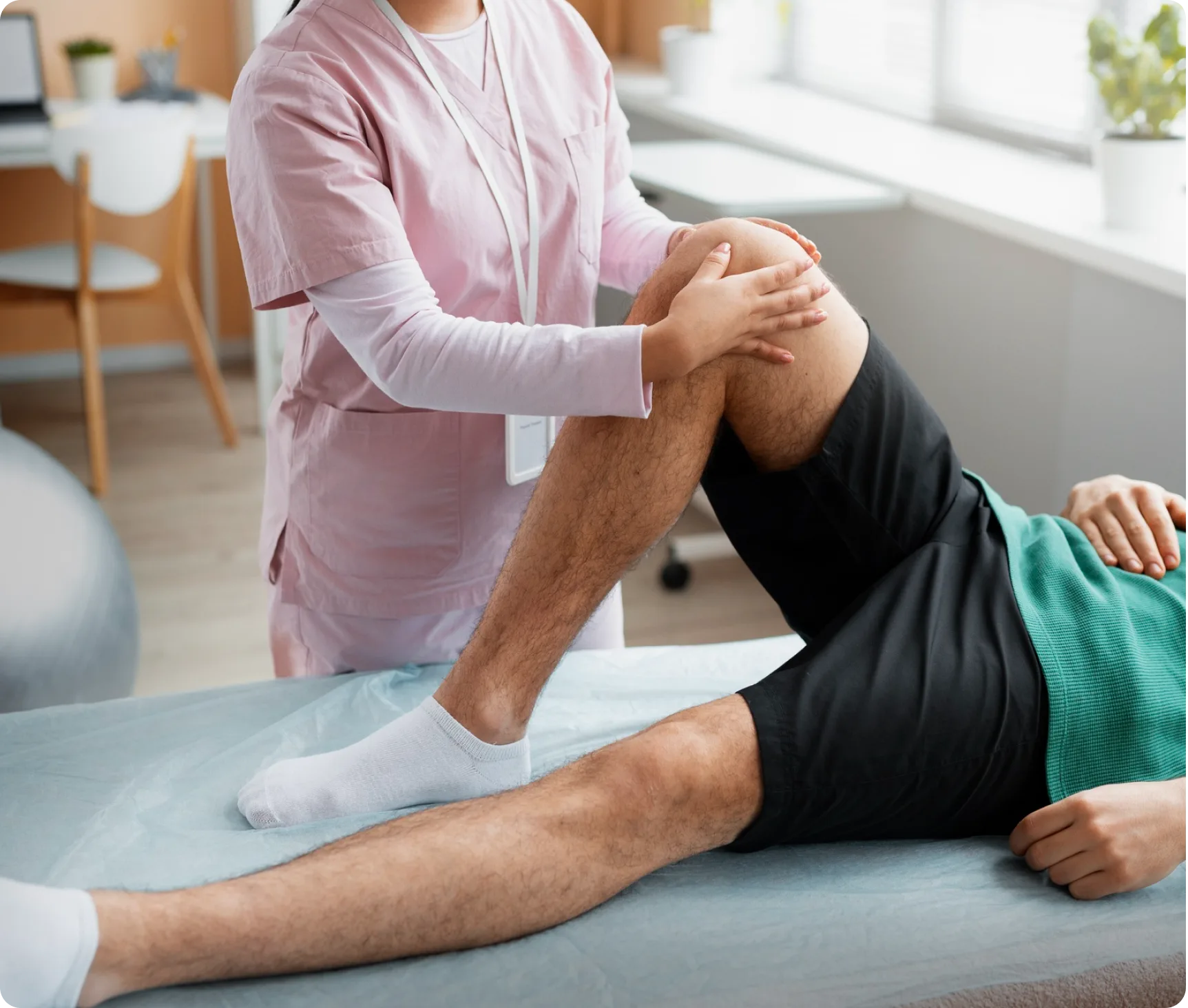
For chronic swelling caused by arthritis or biomechanical imbalance, Dr. Booth may recommend viscosupplementation or targeted joint rehabilitation to restore long-term function.
When to Seek Care
You should see a pain management or musculoskeletal specialist if:
-
Knee swelling persists beyond a few days or keeps coming back
-
The knee feels hot, red, or feverish (possible infection)
-
You cannot fully bend or straighten the joint
-
Pain prevents walking or bearing weight
-
You experience sudden swelling after an injury
Prompt evaluation helps prevent irreversible joint damage and identifies serious conditions early.
Take the Next Step
Don’t ignore persistent swelling it’s your knee’s way of asking for attention. With precise diagnosis and targeted, non-surgical care, you can get back to movement and comfort faster.
Get urgent care for these
- The knee cannot bear any weight after an injury
- Obvious deformity, or the kneecap is out of place
- A hot, swollen, red knee with fever
- Sudden severe swelling within minutes of an injury
These need assessment now, not an appointment next week. Go to an emergency department or call 911.
Common questions about knee pain