
Knee symptom
Popping, Clicking, or Locking Knee | Elite Pain & Health – Oklahoma
Popping, Clicking, or Locking Knee

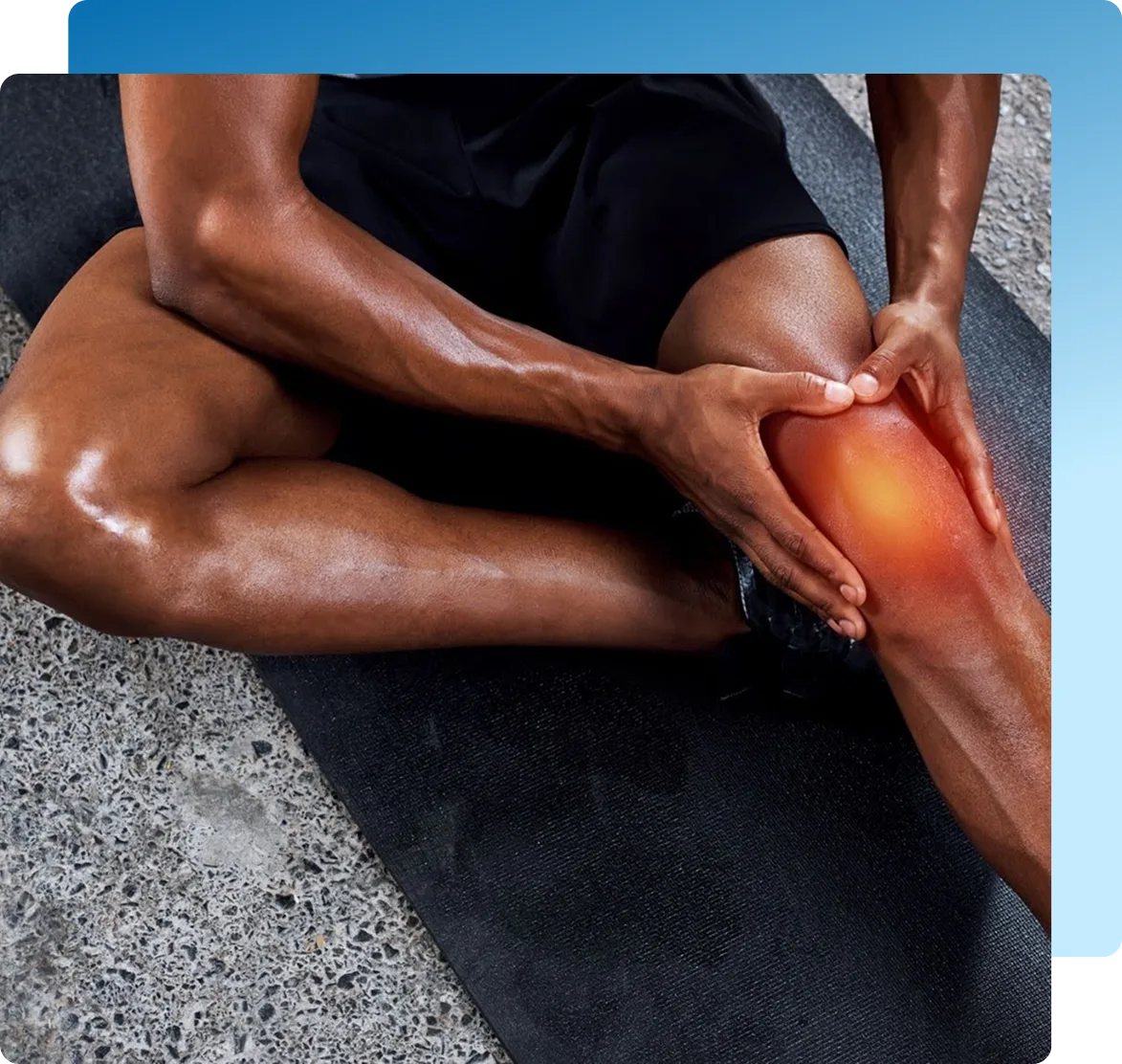
If your knee pops, clicks, or locks when you move, it can be unsettling especially if it’s accompanied by pain or stiffness. While occasional popping may be harmless, persistent or painful mechanical symptoms often indicate something more serious, like cartilage wear, a meniscus tear, or loose tissue inside the joint.
At Elite Pain & Health – Oklahoma, Dr. Keley John Booth, MD, specializes in identifying the precise structural cause of mechanical knee symptoms using image-guided diagnosis and advanced, non-surgical treatments that help restore smooth, pain-free motion.
Why It Happens

Your knee joint contains cartilage, ligaments, tendons, and a meniscus that all glide together with movement. If any of these structures are injured, uneven, or inflamed, they can cause catching or friction sounds.
Common causes include:
-
Meniscus tears – torn cartilage that catches or flips during motion
-
Loose bodies – small fragments of cartilage or bone floating in the joint
-
Chondromalacia (cartilage softening) – roughened surfaces creating grinding or clicking
-
Ligament or tendon snapping – tissues sliding abnormally over bone structures
-
Arthritis – irregular joint surfaces producing popping or crepitus
-
Patellar tracking disorder – the kneecap shifting out of its normal groove
Occasional painless popping can occur when small gas bubbles form and release within the joint fluid, this is normal and not a sign of damage. Persistent or painful popping, however, deserves medical evaluation.
What It Feels Like

Patients commonly describe:
-
Sharp or dull popping sounds during bending, squatting, or climbing stairs
-
Catching or grinding sensations with movement
-
A knee that locks temporarily and then releases suddenly
-
Pain, swelling, or stiffness after mechanical symptoms
-
Instability or loss of trust in the knee during activity
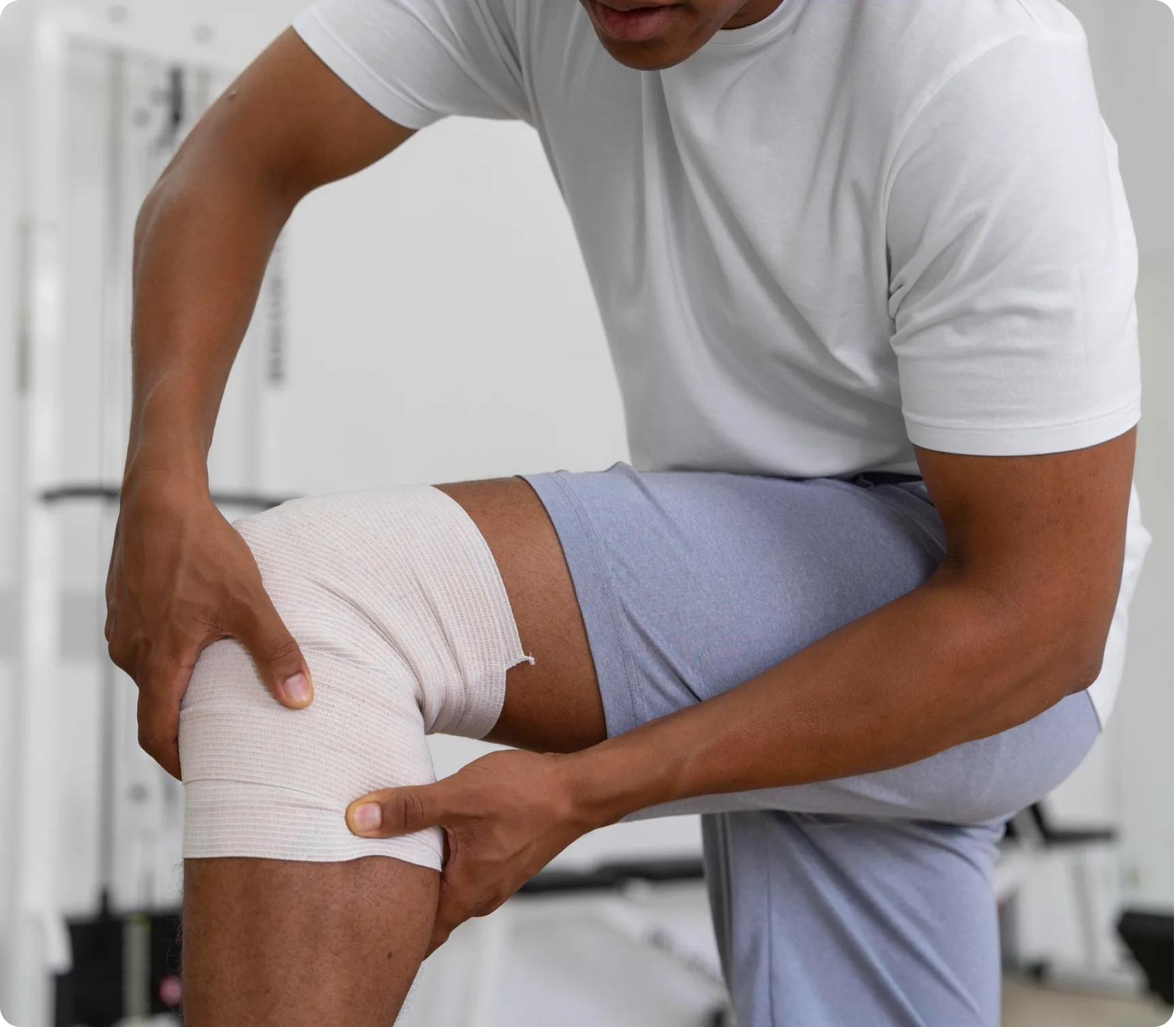
When a knee “locks” completely and won’t move, it may signal a displaced meniscus tear or loose fragment that physically blocks motion, an urgent condition requiring professional assessment.
How It’s Diagnosed

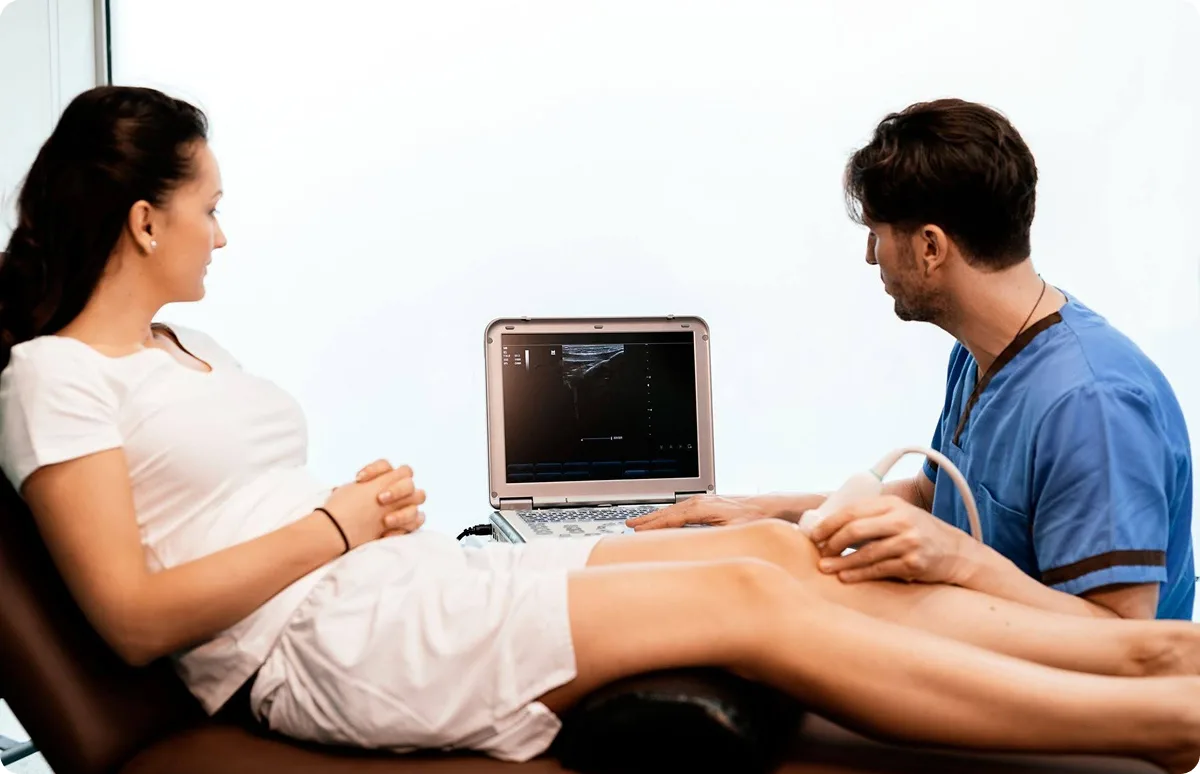
Dr. Booth begins with a detailed evaluation to determine whether the popping is harmless or due to structural damage. Diagnosis often includes:
-
Ultrasound to view tendons, ligaments, and dynamic movement
-
X-rays to detect bone alignment or arthritic changes
-
MRI to visualize cartilage, meniscus tears, or loose bodies
-
Fluoroscopic or ultrasound-guided diagnostic injections to confirm pain sources
By combining high-resolution imaging with targeted injections, Dr. Booth ensures the treatment plan addresses the exact cause of mechanical symptoms not just the noise itself.
Conservative Treatment
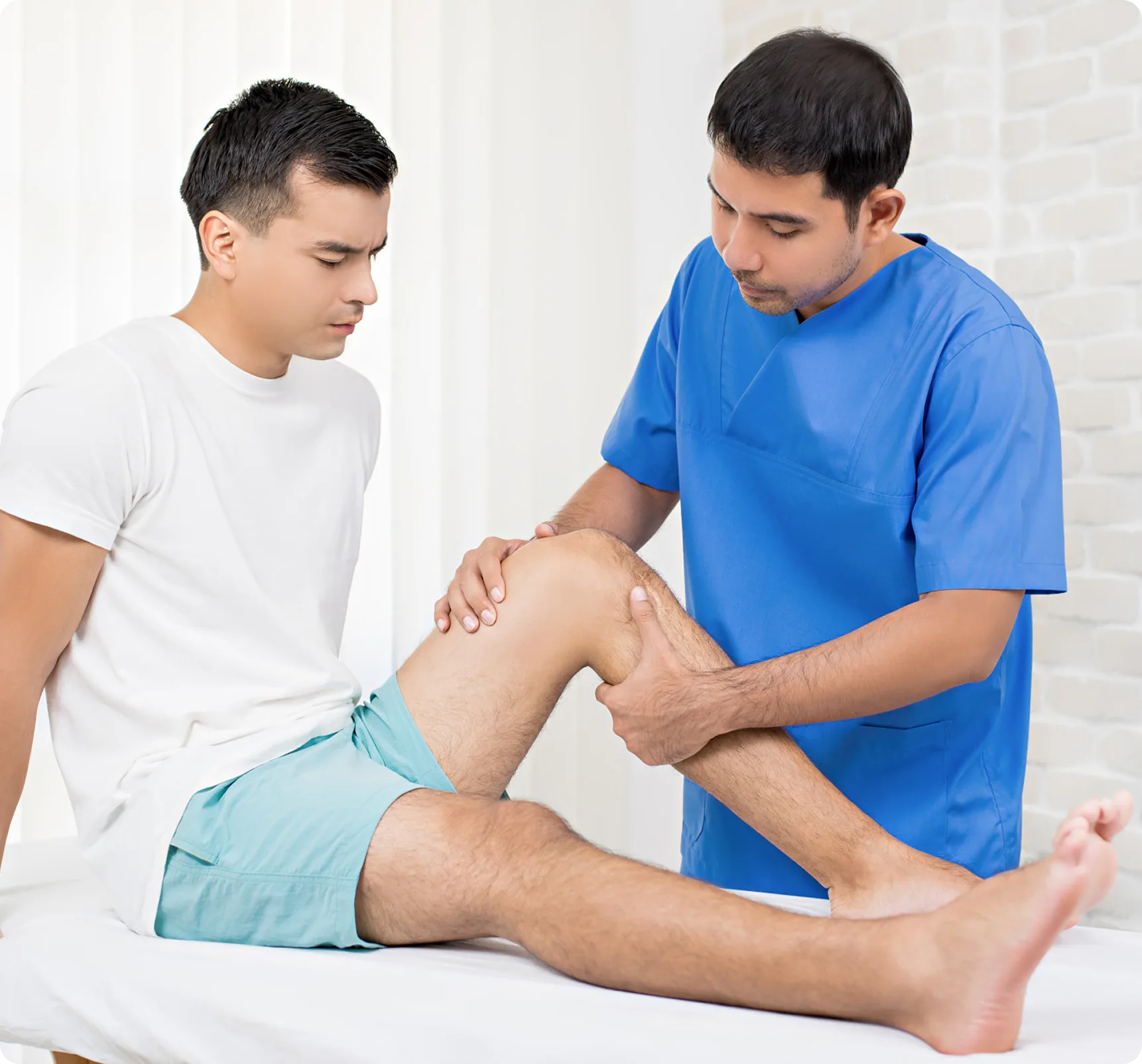
Most mechanical knee symptoms can be treated successfully without surgery using Dr. Booth’s image-guided, conservative approach:
-
Activity modification to avoid aggravating motions (deep squatting, twisting)
-
Physical therapy to strengthen stabilizing muscles and improve kneecap tracking
-
Anti-inflammatory or regenerative injections (e.g., PRP) to promote healing of cartilage and soft tissue
-
Viscosupplementation (joint lubrication) to reduce grinding from arthritis
-
Image-guided aspiration or injection if swelling or fluid buildup is present
If loose fragments or advanced cartilage damage are identified, minimally invasive options may be discussed, but Dr. Booth’s goal is always to achieve healing without surgery whenever possible.
f loose fragments or advanced cartilage damage are identified, minimally invasive options may be discussed, but Dr. Booth’s goal is always to achieve healing without surgery whenever possible.
When to Seek Care
You should schedule a consultation if:
-
The knee pops or clicks with pain, swelling, or instability
-
It locks or catches, preventing full motion
-
Symptoms worsen over time or follow an injury
-
You hear a “pop” at the moment of trauma (possible ligament or meniscus tear)
-
You experience recurrent swelling or stiffness
Early evaluation can prevent cartilage damage and chronic instability.
Take the Next Step
Don’t ignore persistent popping, clicking, or locking especially if it comes with pain or swelling. With expert image-guided diagnosis and non-surgical care, Dr. Booth can help restore smooth, comfortable knee motion.
Get urgent care for these
- The knee cannot bear any weight after an injury
- Obvious deformity, or the kneecap is out of place
- A hot, swollen, red knee with fever
- Sudden severe swelling within minutes of an injury
These need assessment now, not an appointment next week. Go to an emergency department or call 911.
Common questions about knee pain