
Knee treatment
Genicular Nerve Blocks & Hydrodissection for Knee Pain | Elite Pain & Health – Oklahoma
Genicular Nerve Blocks & Hydrodissection for Knee Pain

Elite Pain & Health – Oklahoma
When knee pain persists despite medication, therapy, or injections into the joint, the problem may not lie in the joint but in the nerves around it.
At Elite Pain & Health, Dr. Keley John Booth, MD, uses image-guided genicular nerve blocks and hydrodissection to precisely target small sensory nerves that carry pain signals from the knee.
These procedures can serve as both diagnostic and therapeutic tools: helping confirm the pain source, relieve discomfort, and guide next steps all without surgery.
Why It Helps

The genicular nerves are small branches that transmit pain from the knee joint capsule to the brain. When irritated by arthritis, inflammation, or post-surgical scarring, they can continue sending pain signals even when the joint itself has improved.
A genicular nerve block involves delivering a small amount of anesthetic and sometimes anti-inflammatory medication around these nerves to “turn off” pain signaling.
When combined with hydrodissection, fluid is gently injected to separate the nerve from surrounding scar tissue or inflamed fascia, restoring normal mobility and reducing irritation.
This technique:
-
Helps diagnose whether nerve irritation is causing pain
-
Provides short-term relief from chronic knee discomfort
-
Guides candidacy for longer-lasting treatments such as radiofrequency ablation (RFA)
How the Procedure Works


Diagnostic Planning
Dr. Booth reviews your imaging and performs a physical exam to identify likely nerve targets (typically three genicular branches: superior medial, superior lateral, and inferior medial).

Image-Guided Precision
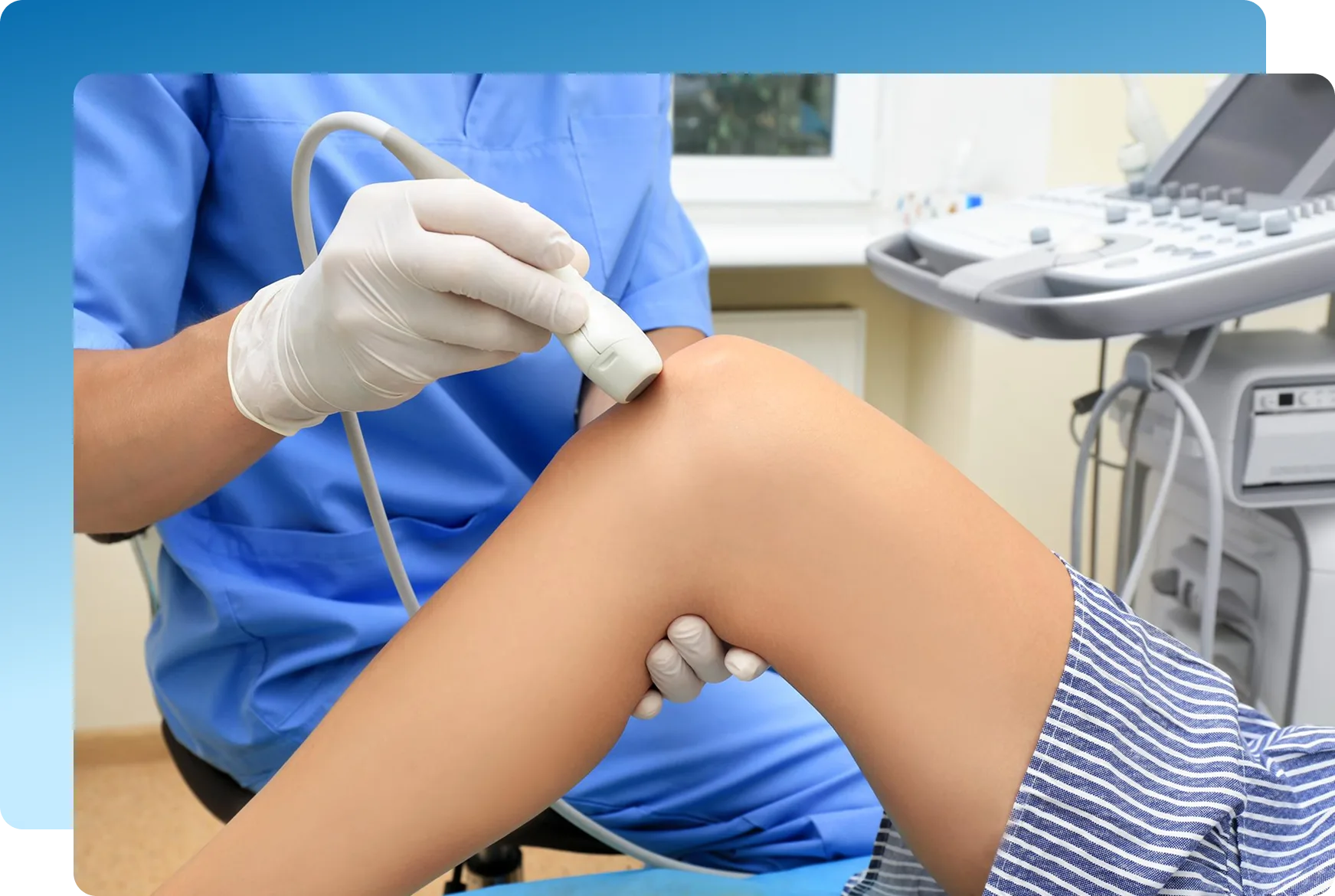
Under ultrasound or fluoroscopic guidance, a fine needle is advanced near each target nerve, just outside the joint capsule.
-
Local anesthetic provides immediate numbing.
-
Hydrodissection with sterile saline or dextrose gently frees the nerve from tight tissue planes.
-
Sometimes, a small amount of corticosteroid is added to calm inflammation.

Observation and Follow-Up
Pain relief within hours to days confirms that the targeted nerves are key pain contributors. Patients often experience marked improvement in walking and sleep within days.
Benefits of Genicular Nerve Blocks & Hydrodissection
Benefit
Description
Diagnostic Value
Helps confirm nerve-related pain origin
Pain Relief
Reduces chronic aching and burning sensations
Improved Function
Eases standing, walking, and stairs
Guides Next Steps
Determines if patient is a candidate for radiofrequency ablation
Non-Surgical
Minimally invasive with no incision or hardware
Conditions Treated

-
Chronic knee pain (arthritic or post-surgical)
-
Pain after total knee replacement where imaging shows no mechanical failure
-
Persistent pain after meniscus or ligament injury
-
Burning, aching, or radiating pain around the front or sides of the knee

How Long Relief Lasts
-
Diagnostic blocks may provide hours to days of relief confirming correct nerve targeting.
-
Therapeutic hydrodissection may extend relief for weeks or even months, depending on the degree of nerve entrapment and inflammation.
If successful, patients may be candidates for radiofrequency ablation (RFA) for longer-lasting results (6–12 months of relief).
Safety and Comfort
Dr. Booth performs all procedures under sterile, image-guided conditions to ensure precision and safety.
Possible side effects such as temporary numbness, mild bruising, or soreness are typically brief. Serious complications are rare.
Because hydrodissection uses physiologic fluids (such as saline or dextrose), it’s considered biologically gentle and regenerative rather than destructive.
When to Seek Care
Consider this procedure if you:
-
Have knee pain that persists after surgery or joint injections
-
Experience sharp, burning, or localized pain near the kneecap or joint lines
-
Need diagnostic clarity before radiofrequency ablation
-
Want to explore advanced, non-surgical options for chronic knee pain
Dr. Booth’s image-guided approach ensures the nerves are accurately located and treated an essential step for reliable results.

Take the Next Step
If chronic knee pain persists despite other treatments, targeting the nerves themselves may be the missing link.
Get urgent care for these
- The knee cannot bear any weight after an injury
- Obvious deformity, or the kneecap is out of place
- A hot, swollen, red knee with fever
- Sudden severe swelling within minutes of an injury
These need assessment now, not an appointment next week. Go to an emergency department or call 911.
Common questions about knee pain