
Knee treatment
Ice & Heat Therapy for Knee Pain | Elite Pain & Health – Oklahoma
Ice & Heat Therapy for Knee Pain

Knee pain can result from injury, inflammation, or chronic wear and tear conditions like osteoarthritis. Among the simplest yet most effective home-based treatments are ice and heat therapy.
At Elite Pain & Health – Oklahoma, Dr. Keley John Booth, MD, emphasizes strategic use of cold and warmth to calm inflammation, enhance circulation, and accelerate natural tissue healing without overreliance on medications or invasive procedures.
When used correctly, these therapies are safe, inexpensive, and can dramatically improve comfort and mobility.
Why It Happens

Pain and swelling occur when knee tissues such as tendons, cartilage, or joint lining become irritated. Cold therapy reduces blood flow to the area, easing swelling and numbing pain signals. Heat therapy, on the other hand, increases circulation, relaxes muscles, and improves joint flexibility.
Each has a role:
-
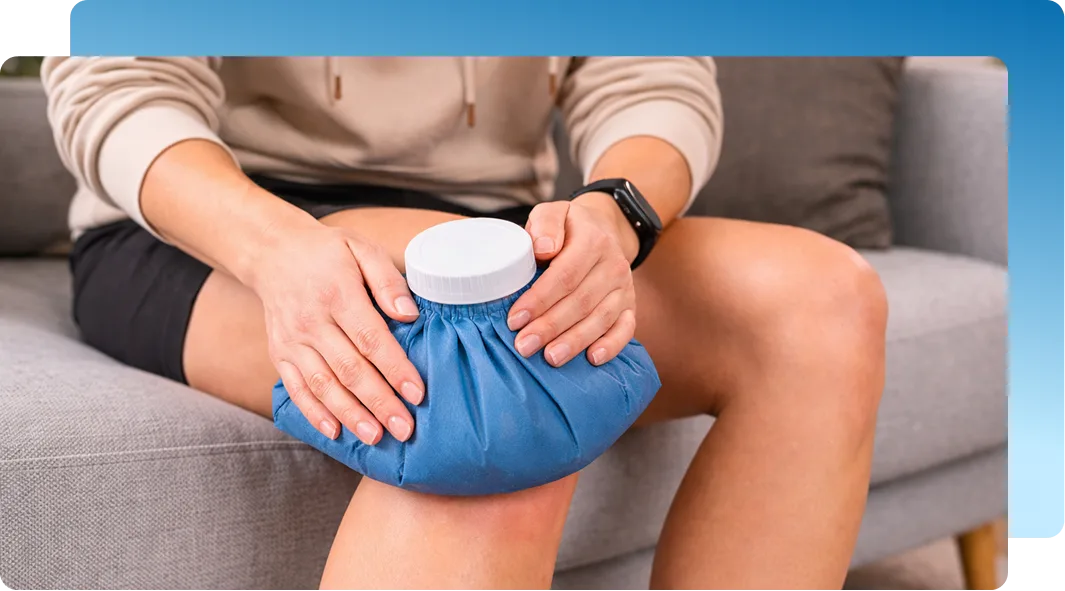
Ice (Cryotherapy): Best for acute injuries, inflammation, or swelling after activity.
-
Heat (Thermotherapy): Ideal for stiffness, chronic arthritis, or to warm up muscles before exercise.
Dr. Booth often recommends alternating the two during different recovery phases depending on the source and stage of the pain.
What It Feels Like

When applied properly:
-
Ice: Produces a cooling, numbing sensation that gradually reduces throbbing or burning pain.
-
Heat: Provides soothing warmth that loosens tight muscles and improves comfort in achy, stiff joints.
If the knee becomes overly red, pale, or painful during use, therapy should be stopped immediately these are signs of overexposure or incorrect temperature.
How It’s Diagnosed

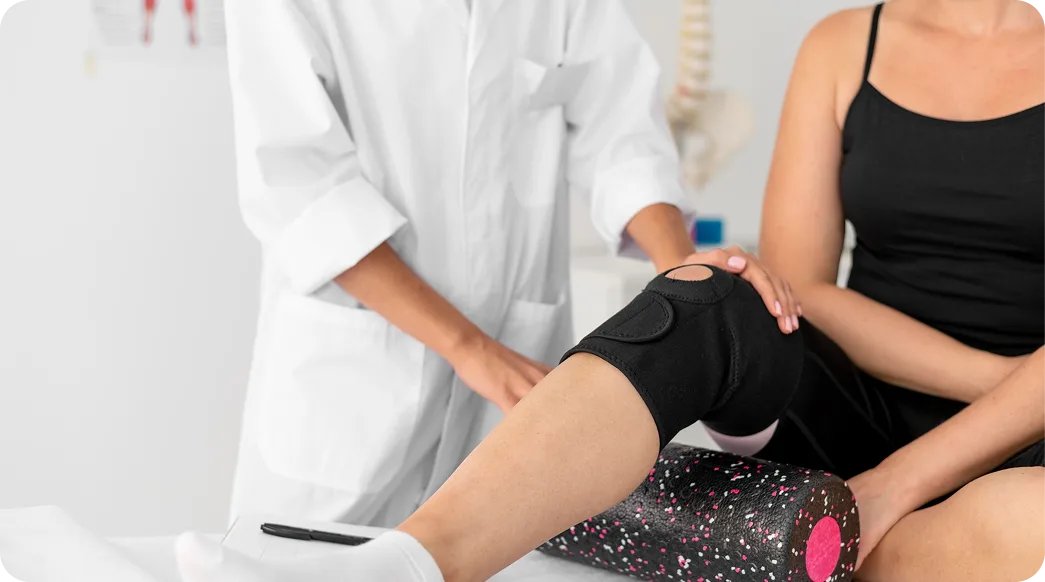
Before recommending specific home therapies, Dr. Booth conducts a comprehensive musculoskeletal evaluation that may include:
-
Physical exam to assess tenderness, swelling, and range of motion.
-
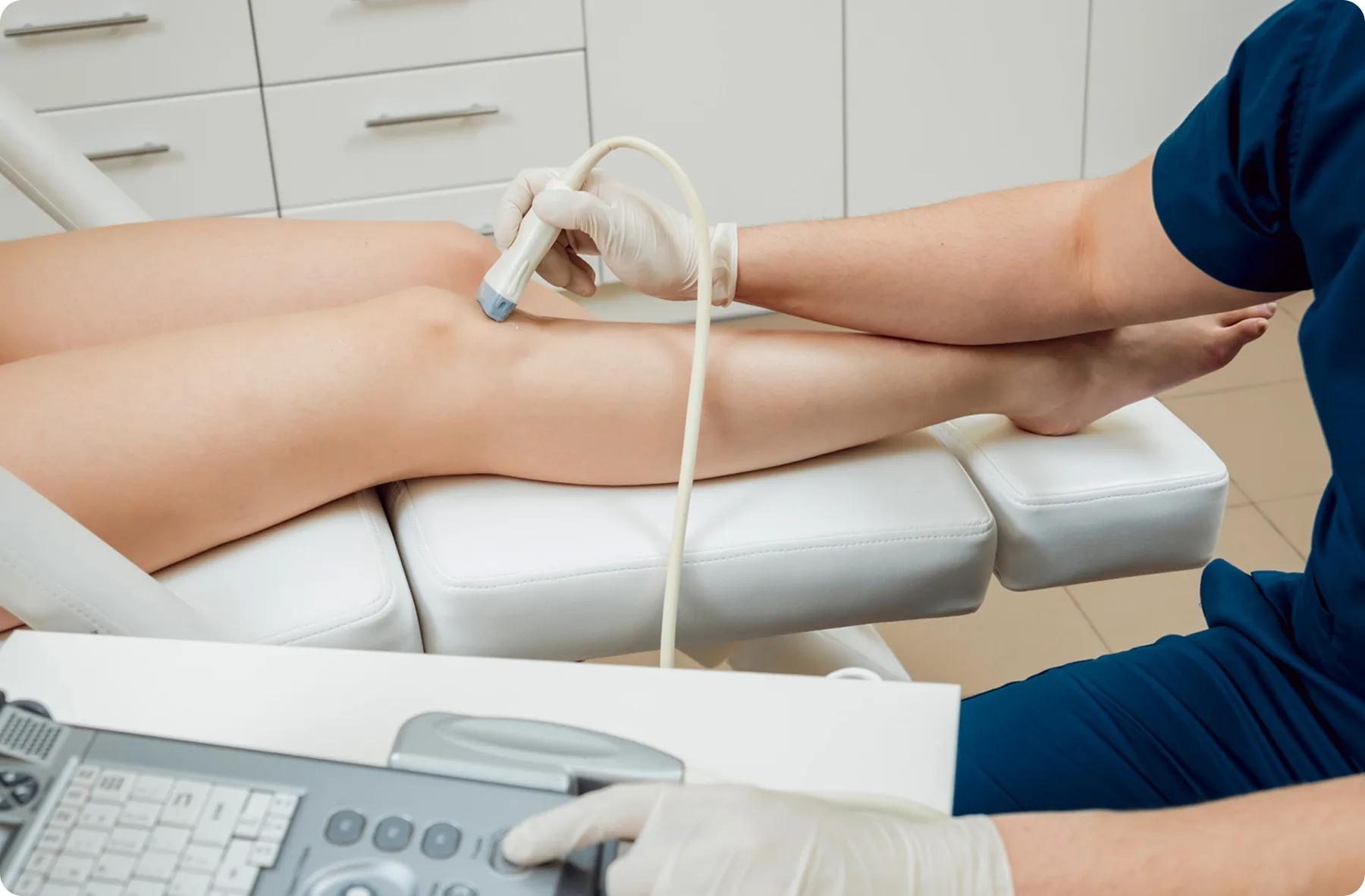
Diagnostic ultrasound or MRI for tissue-level insight.
-
Activity and posture assessment to identify aggravating movements.
A precise diagnosis ensures that cold or heat therapy is used appropriately and not masking an injury that requires medical attention.
Learn more about knee diagnoses and knee symptoms.
Conservative Treatment Approach
Dr. Booth’s conservative plan often includes a combination of ice and heat therapy as part of a broader regimen that may also involve activity modification, bracing and support, and oral or topical medications.
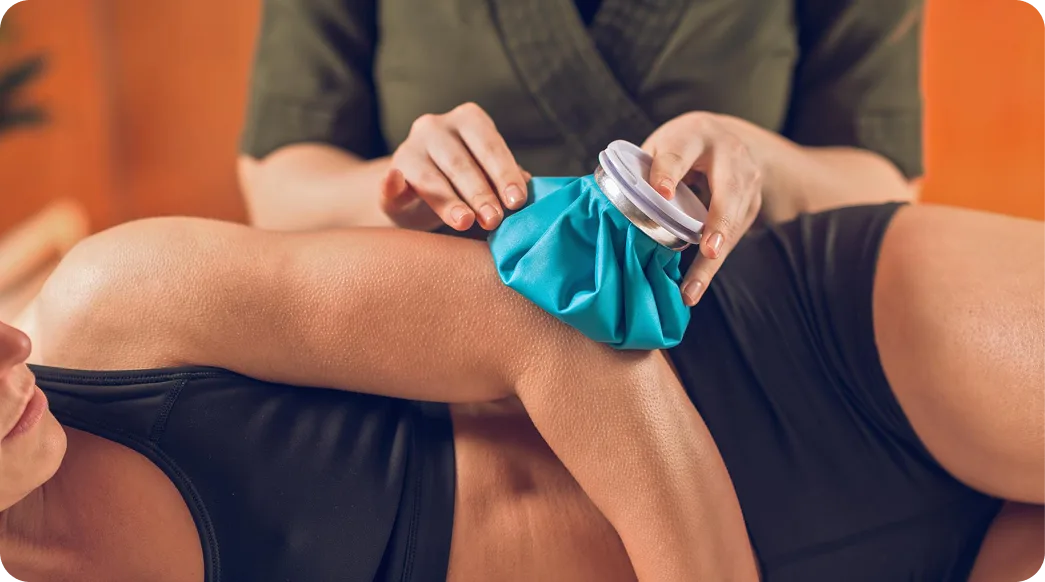
Ice Therapy Guidelines
-
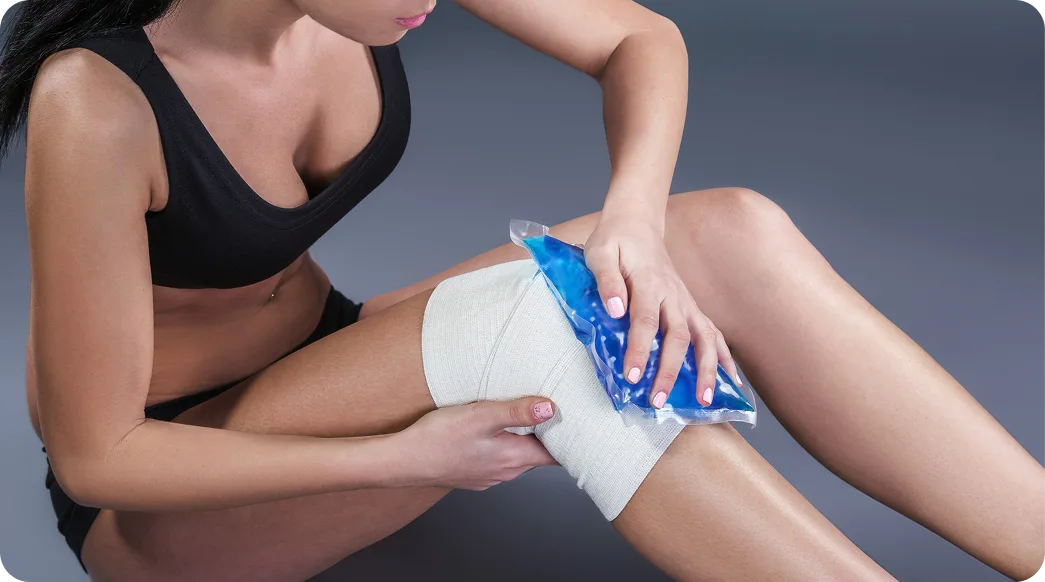
When: Within the first 48–72 hours after injury or when swelling persists.
-
How: Apply for 15–20 minutes at a time, several times per day.
-
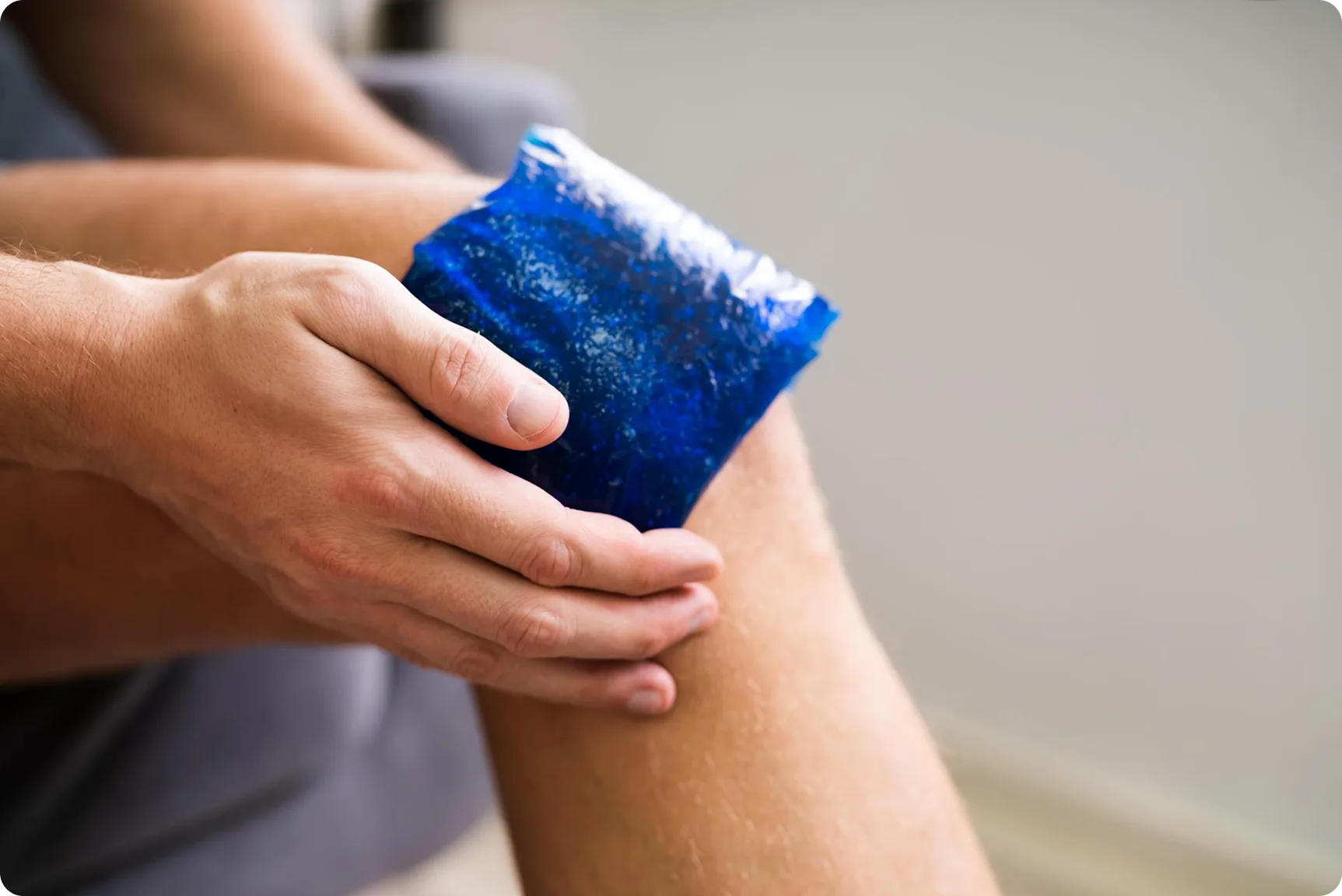
Tools: Reusable gel packs, crushed ice in a towel, or cold-compression sleeves.
-
Avoid: Direct contact of ice with skin to prevent frostbite.
Heat Therapy Guidelines
-
When: For chronic pain, stiffness, or muscle tightness.
-
How: Apply moist heat (heating pad, warm towel, warm bath) for 15–30 minutes.
-
Avoid: Using heat on acute injuries with visible swelling or bruising.
Contrast Therapy (Alternating Ice & Heat)
Used for chronic overuse pain or during late-stage recovery, this technique alternates cold and warm applications to stimulate circulation and decrease stiffness.
When to Seek Care
f knee pain persists beyond a few days, worsens with movement, or limits your ability to walk, a detailed evaluation is recommended. Persistent swelling, locking, or instability may indicate internal damage (such as meniscus tear or ligament injury) requiring image-guided care.
Early assessment at Elite Pain & Health – Oklahoma ensures safe, targeted treatment before joint changes become chronic.
Take the Next Step
Proper knee support can help you move confidently, stay active, and avoid surgery.
Get urgent care for these
- The knee cannot bear any weight after an injury
- Obvious deformity, or the kneecap is out of place
- A hot, swollen, red knee with fever
- Sudden severe swelling within minutes of an injury
These need assessment now, not an appointment next week. Go to an emergency department or call 911.
Common questions about knee pain