
Knee treatment
Partial or Total Knee Replacement (Arthroplasty) for Knee Pain | Elite Pain & Health – Oklahoma
Partial or Total Knee Replacement (Arthroplasty) for Knee Pain

For many patients, years of arthritis, injury, or cartilage wear can eventually lead to constant pain and loss of mobility. When conservative and joint-preserving treatments no longer provide relief, knee replacement surgery or arthroplasty may become the best option.
At Elite Pain & Health, Dr. Keley John Booth, MD, believes surgery should be the final step in a carefully sequenced, data-driven plan. His conservative-first approach focuses on optimizing the joint environment through image-guided diagnostics, physical conditioning, and inflammation control so patients enter surgery stronger and recover faster.
Why It Helps

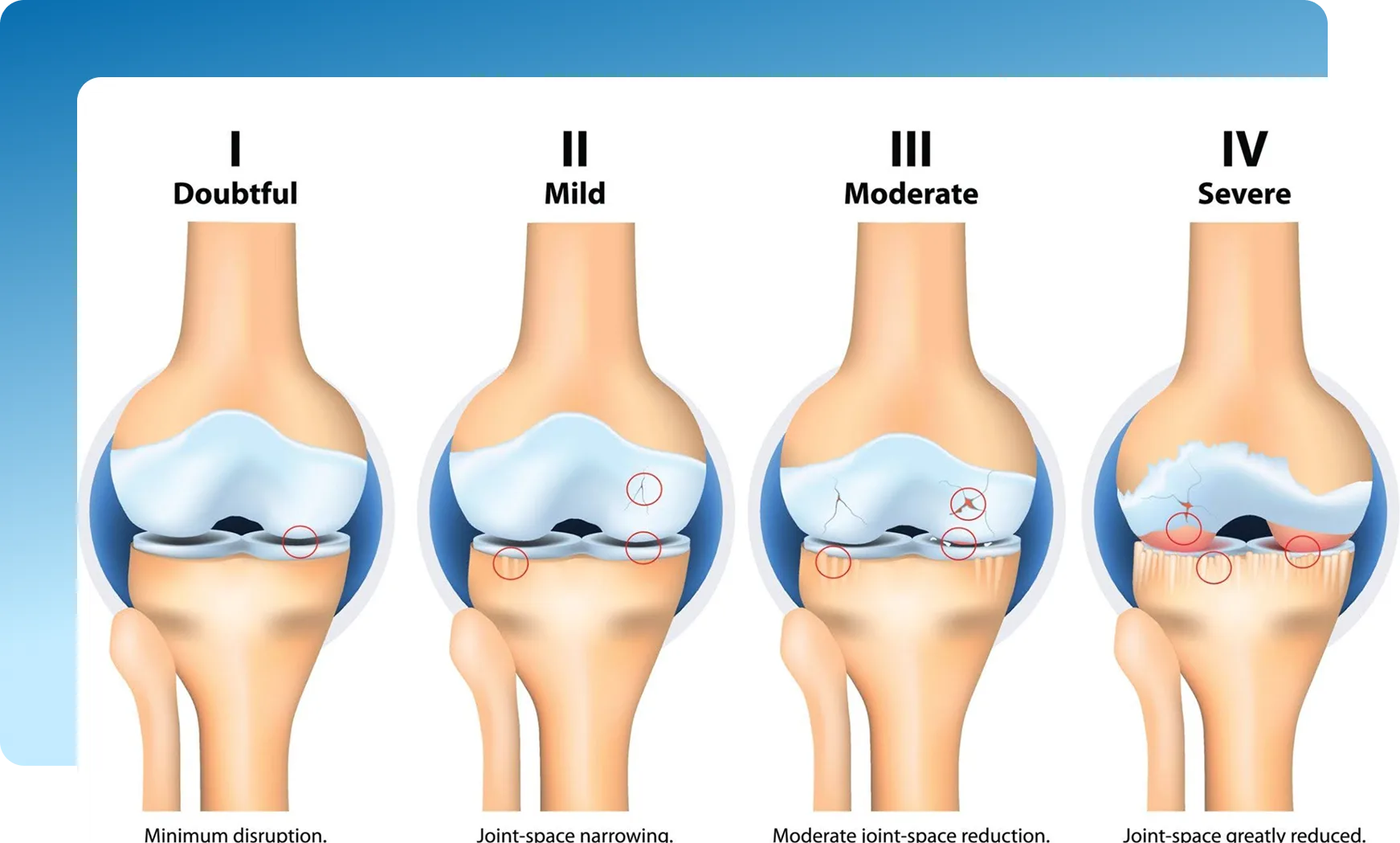
The knee joint depends on healthy cartilage and balanced mechanics to function smoothly. In advanced osteoarthritis, this cartilage breaks down, allowing bone to rub against bone causing:
-
Chronic pain and stiffness
-
Loss of motion
-
Swelling and instability
-
Difficulty walking or performing daily activities
Knee arthroplasty replaces the worn surfaces with precisely engineered implants*, restoring smooth movement and dramatically improving quality of life.*
Types of Knee Replacement Procedures

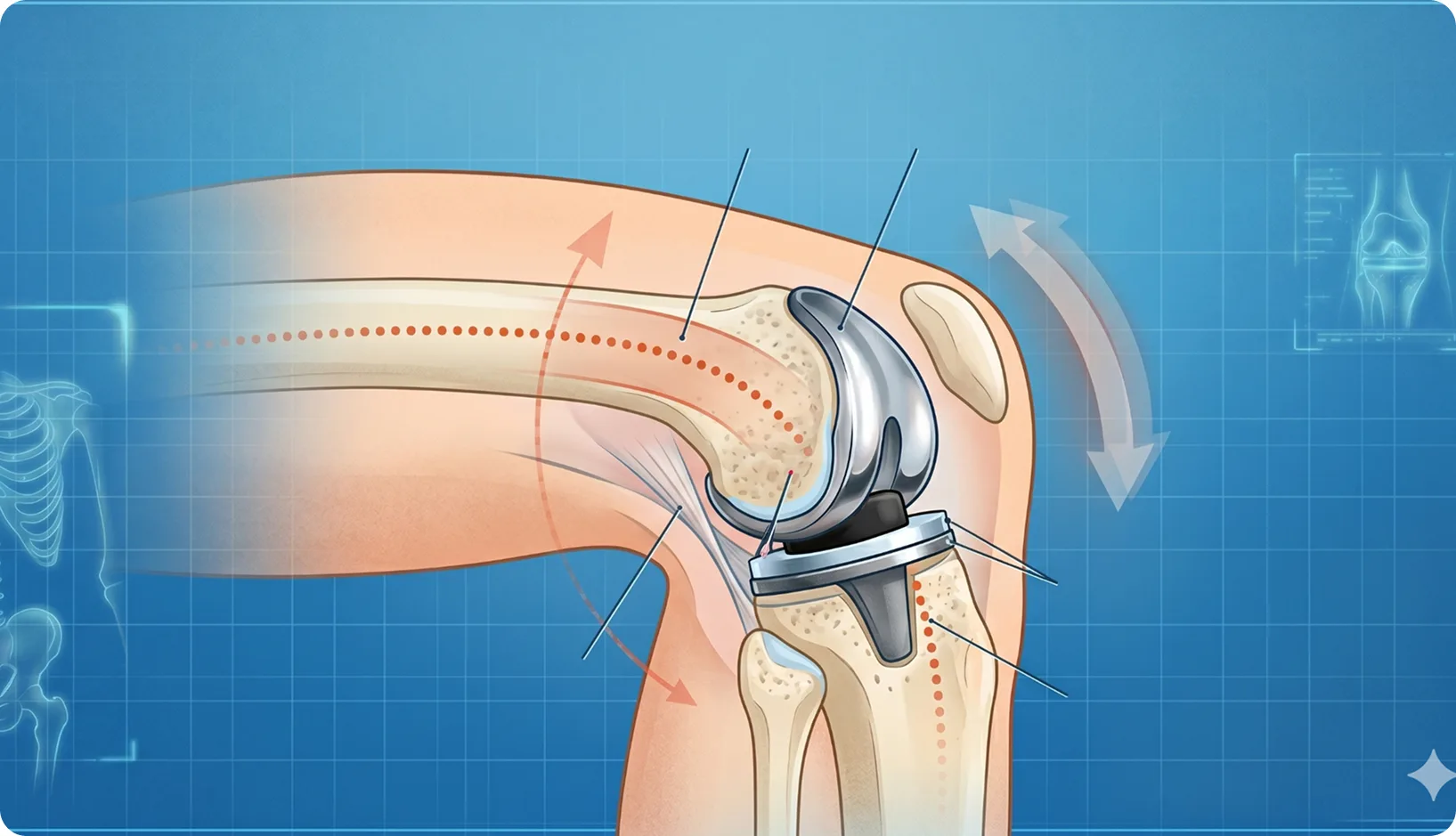
Partial Knee Replacement (Unicompartmental Arthroplasty)
This option replaces only the damaged portion of the knee usually the inner (medial), outer (lateral), or kneecap (patellofemoral) compartment.
-
Ideal for: Localized arthritis with healthy cartilage elsewhere
-
Advantages: Smaller incision, quicker recovery, and more natural knee motion
-
Recovery Time: Return to routine activities in 6–8 weeks
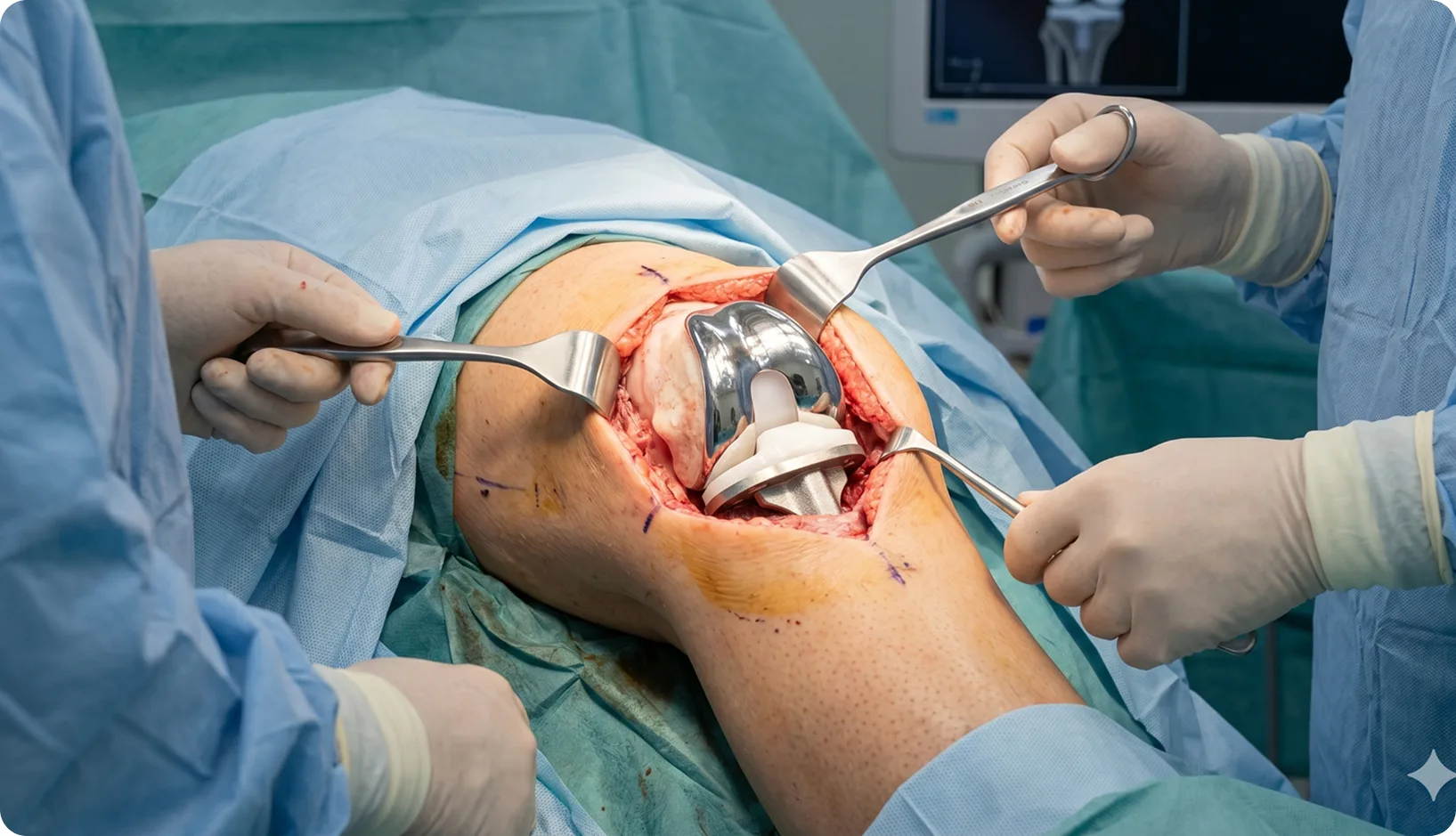
Total Knee Replacement (Total Arthroplasty)
Used when arthritis affects the entire joint. The damaged cartilage and bone are replaced with metal and medical-grade plastic components that recreate smooth joint movement.
-
Ideal for: Advanced, multi-compartmental arthritis
-
Recovery Time: 2–3 months for daily activities; 6–12 months for full rehabilitation
Both procedures can be performed with robotic or computer-assisted navigation to ensure precision alignment and long-term implant durability.
Dr. Booth’s Pre-Surgical Optimization Approach

Even when surgery becomes necessary, Dr. Booth’s team plays a crucial role in preoperative preparation and postoperative recovery.
His philosophy: A strong joint and informed patient lead to safer surgery and faster return to function.
Before Surgery
-
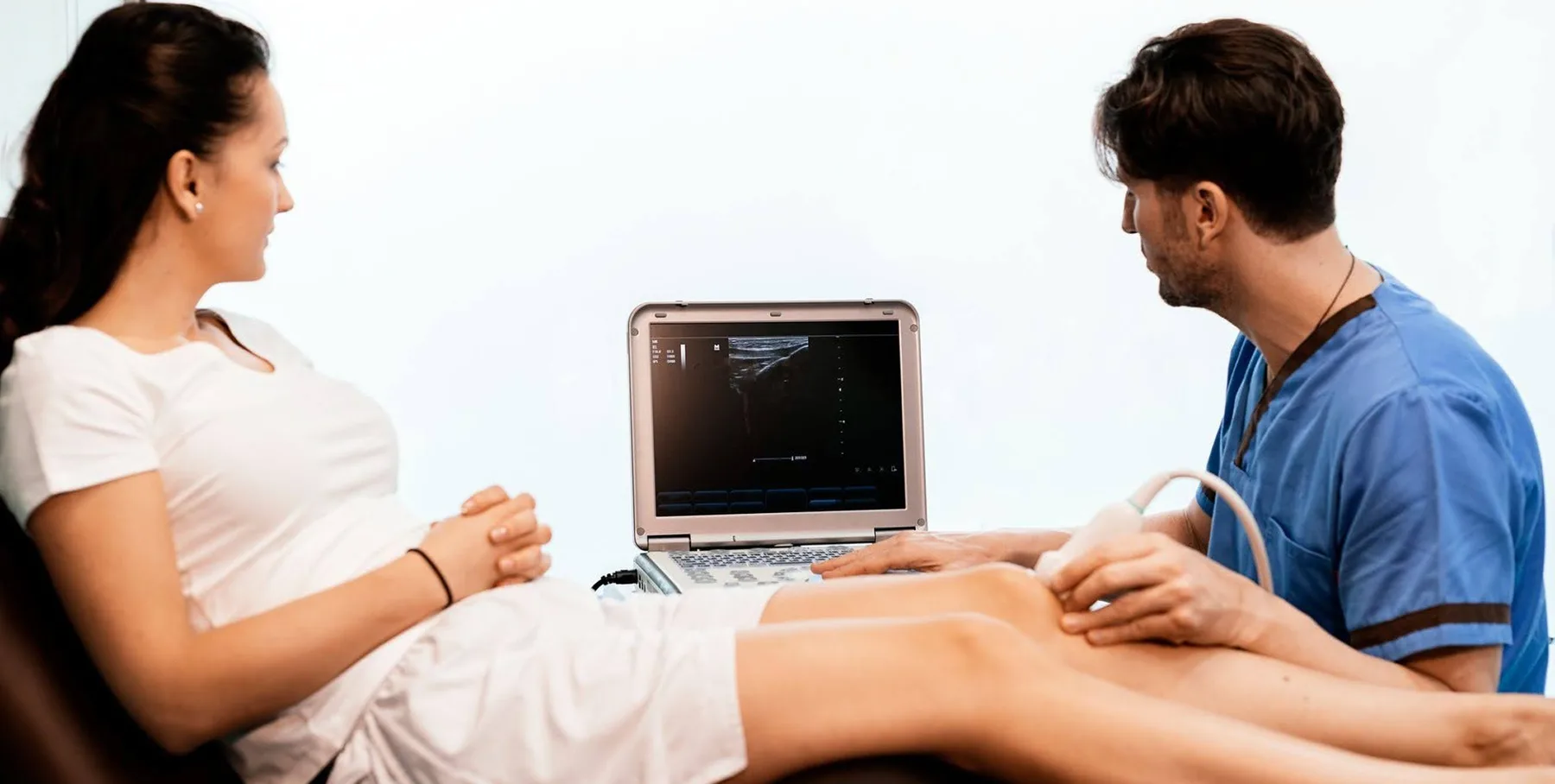
Image-guided diagnostic clarity to confirm joint degeneration
-
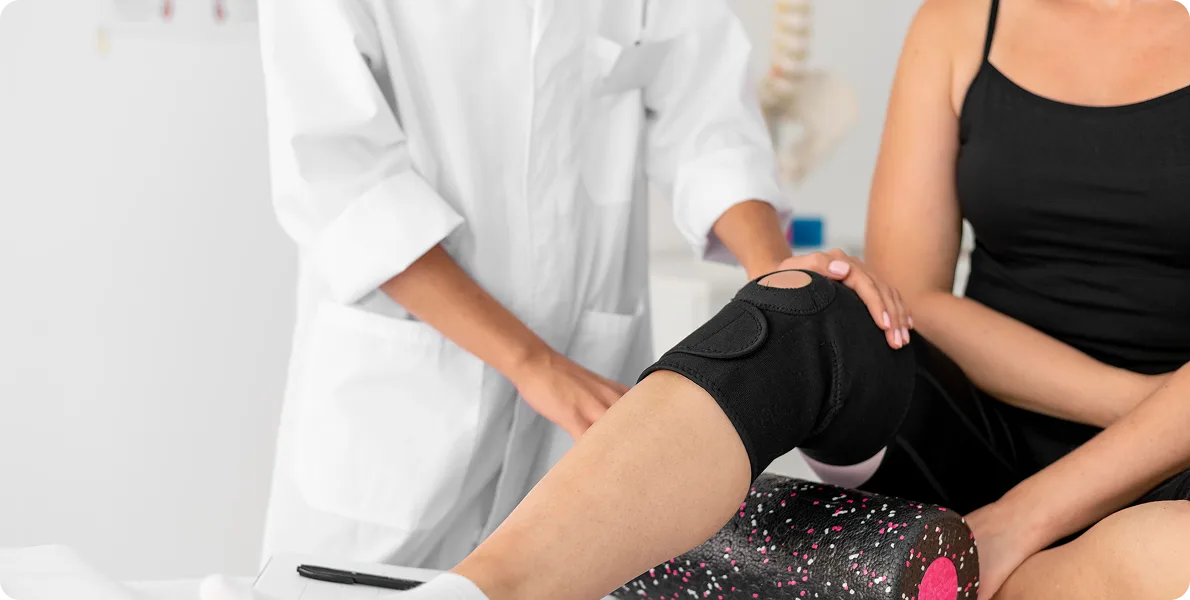
Physical therapy “prehabilitation” to strengthen muscles and improve flexibility
-
Inflammation control through guided injections or medications
-
Patient education on surgical expectations and recovery timelines
After Surgery
-
Pain management optimization, including multimodal non-opioid strategies
-
Rehabilitation guidance to prevent stiffness and enhance healing
-
Nerve health monitoring for persistent post-operative discomfort
This coordinated care ensures that surgical outcomes align with Dr. Booth’s goal: restoring pain-free movement while avoiding unnecessary procedures.
What to Expect During Recovery
While recovery varies by patient and procedure type, general milestones include:
Timeframe
Typical Progress
Days 1–7
Begin gentle motion and walking with assistance
Weeks 2–6
Physical therapy to restore strength and flexibility
Weeks 6–12
Resume most normal daily activities
3–6 Months
Full recovery for low-impact exercise and mobility
6–12 Months
Return to advanced activities (as approved by surgeon)
Dr. Booth’s continued care during this process ensures that pain is managed
appropriately and that long-term recovery goals are achieved safely.

Who Is a Candidate
You may be a candidate for partial or total knee replacement if:
-
Conservative treatments (therapy, injections, bracing) no longer control pain
-
Imaging shows advanced cartilage loss or bone-on-bone contact
-
You have difficulty walking, climbing stairs, or sleeping due to knee pain
-
You are medically fit for anesthesia and motivated to participate in rehabilitation
Benefits of Knee Arthroplasty
Benefit
Description
Long-Term Pain Relief
Eliminates arthritic pain by replacing damaged surfaces
Improved Mobility
Restores functional walking, climbing, and bending
Enhanced Stability
Reduces giving-way and stiffness
High Success Rates
90–95% of implants last 15–20 years
Better Quality of Life
Allows return to independence and daily activities
Risks and Considerations
Though knee replacement is one of the most successful orthopedic surgeries, risks may include:
-
Infection
-
Blood clots
-
Stiffness or scar formation
-
Implant loosening or wear over time
Prehabilitation, image-guided diagnosis, and Dr. Booth’s careful coordination
help minimize risks and optimize surgical outcomes.
When to Seek Care
If knee pain persists despite injections, therapy, or previous procedures and imaging confirms advanced degeneration replacement may be the safest and most effective option.
Dr. Booth ensures every patient understands why surgery is being recommended, what alternatives remain, and what the recovery path will look like before proceeding.
Take the Next Step
If chronic knee arthritis limits your comfort, activity, or independence and conservative treatments no longer help arthroplasty may restore your mobility and quality of life.
Get urgent care for these
- The knee cannot bear any weight after an injury
- Obvious deformity, or the kneecap is out of place
- A hot, swollen, red knee with fever
- Sudden severe swelling within minutes of an injury
These need assessment now, not an appointment next week. Go to an emergency department or call 911.
Common questions about knee pain