
Knee symptom
Knee Pain | Elite Pain & Health – Oklahoma
Knee Pain

Knee pain is one of the most common musculoskeletal complaints, affecting people of all ages and activity levels. Whether it’s a dull ache after a long day, a sharp jab when climbing stairs, or a persistent burning sensation, knee pain can disrupt your ability to walk, work, or enjoy daily activities.
At Elite Pain & Health – Oklahoma, Dr. Keley John Booth, MD, helps patients identify the true source of knee pain through advanced image-guided diagnosis and evidence-based, non-surgical treatment strategies designed to restore mobility and prevent recurrence.
Why It Happens

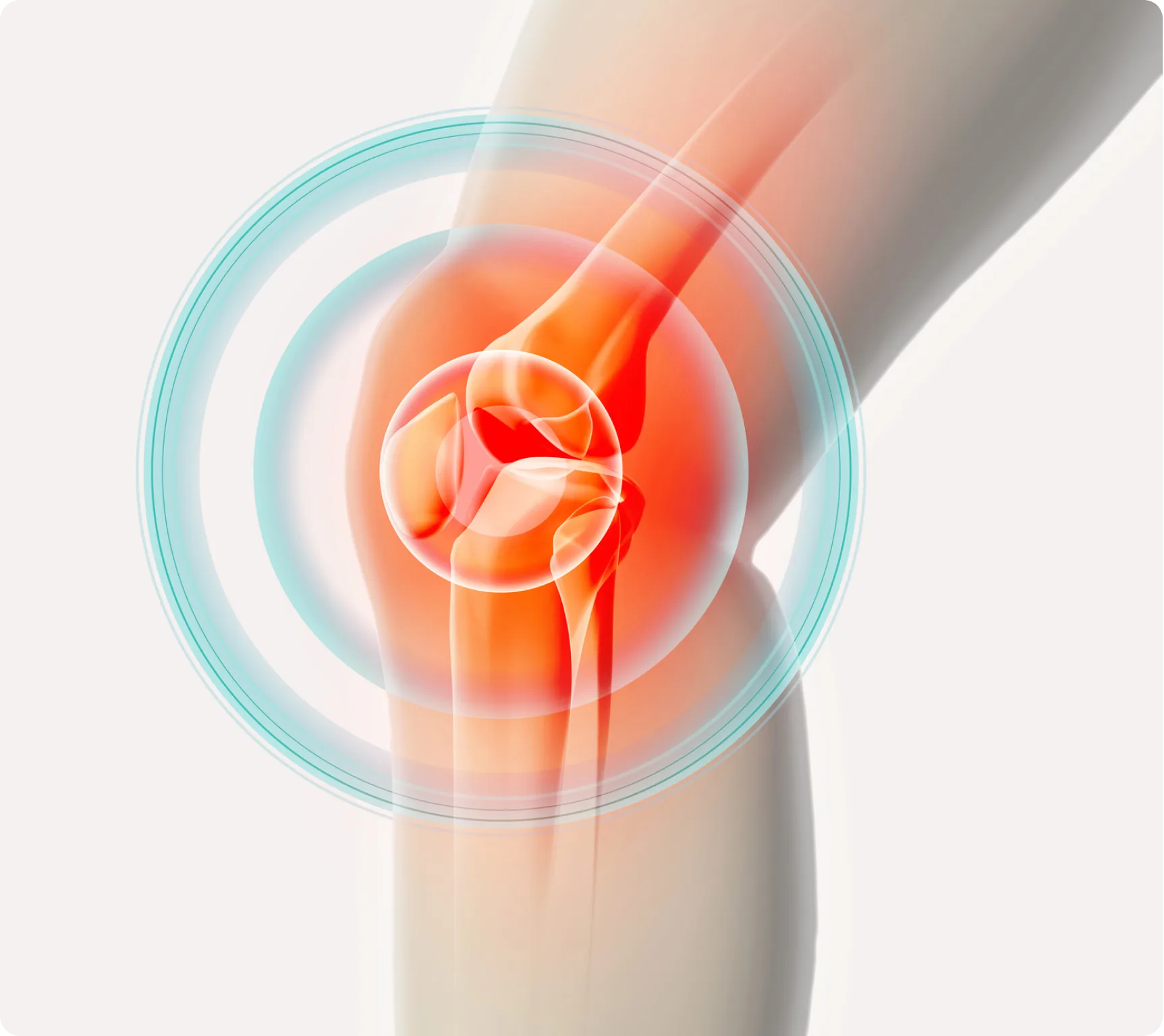
The knee is a complex hinge joint supported by bones, cartilage, ligaments, tendons, and bursae. Pain often arises when one or more of these structures becomes irritated, inflamed, or damaged.
Common causes include:
-
Overuse or repetitive stress injuries - such as tendinitis or bursitis
-
Ligament injuries – ACL, MCL, or LCL sprains or tears
-
Meniscus tears – cartilage damage from twisting or squatting
-
Arthritis – degenerative (osteoarthritis) or inflammatory (rheumatoid) joint wear
-
Patellofemoral pain syndrome – irritation under the kneecap from maltracking
-
Referred pain – originating from hip, spine, or nerve irritation
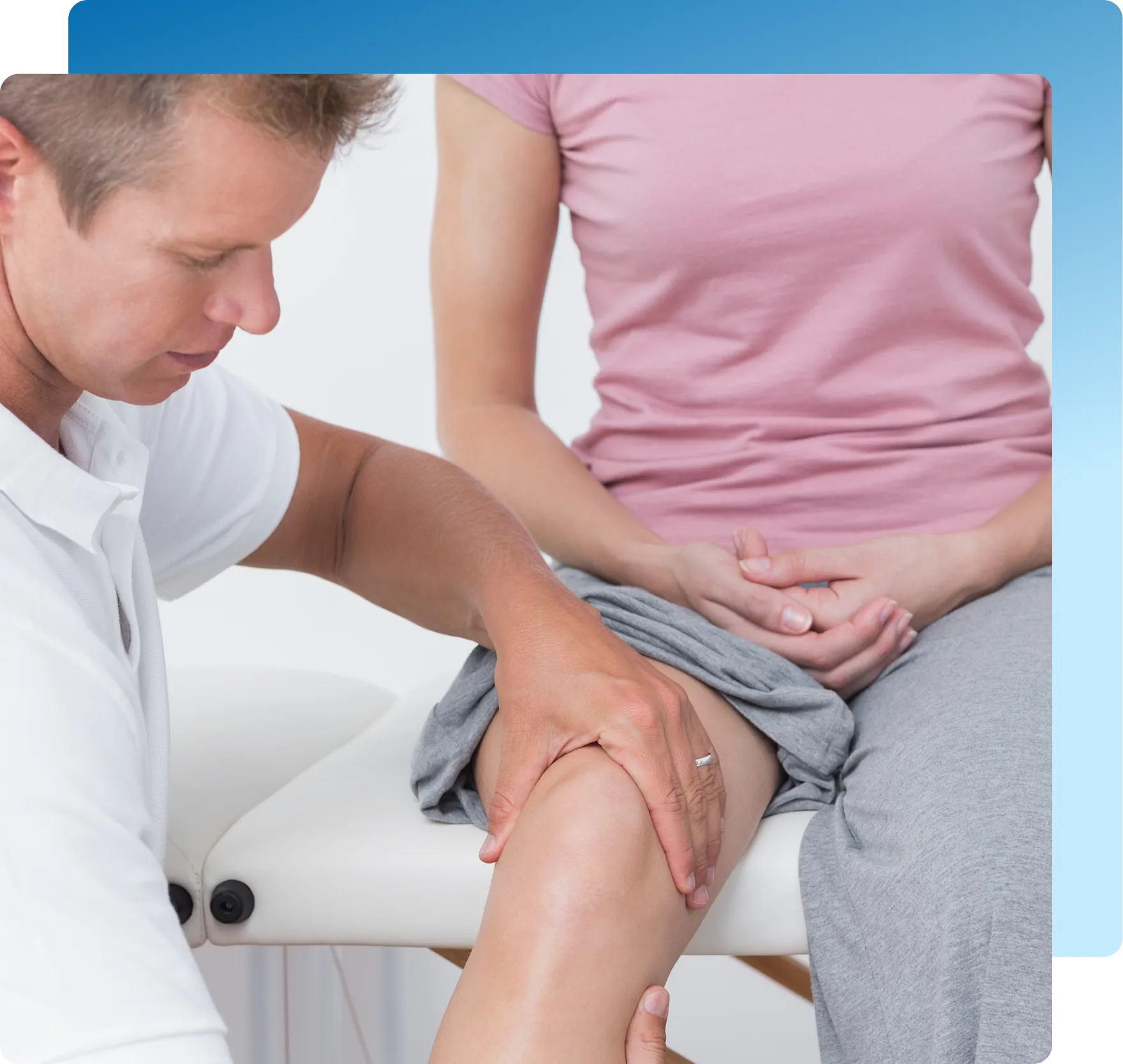
Dr. Booth emphasizes careful diagnosis because knee pain can stem from multiple overlapping conditions, each requiring a different management plan.
What It Feels Like

Knee pain symptoms vary depending on the structure involved:
-
Dull, aching discomfort with stiffness, especially after sitting or upon waking
-
Sharp or stabbing pain during pivoting, squatting, or climbing stairs
-
Burning or throbbing sensations that worsen with inflammation
-
Pain at rest or night pain may signal deeper joint inflammation or nerve irritation
Some patients also notice swelling, instability, or mechanical clicking, which may help pinpoint the underlying issue.
How It’s Diagnosed

Accurate diagnosis starts with a detailed medical history, physical examination, and precise imaging.
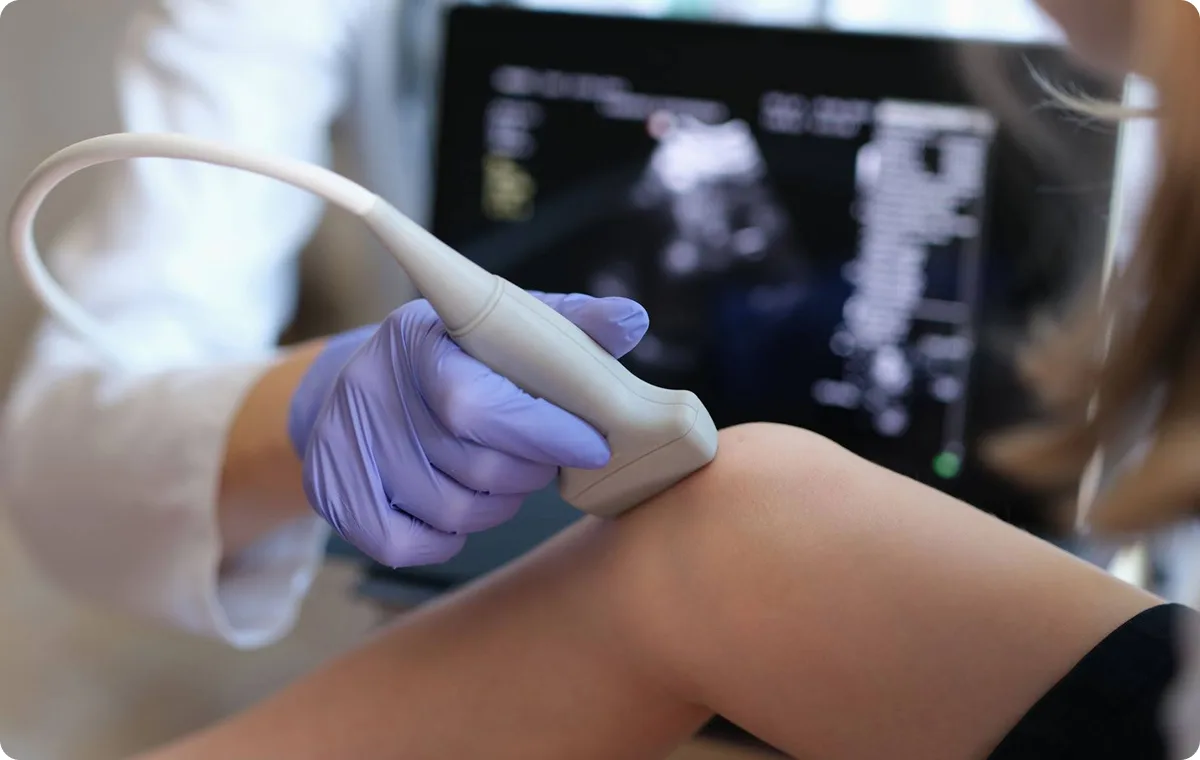
At Elite Pain & Health, Dr. Booth often uses
-
Diagnostic ultrasound for tendons, bursae, and soft tissue inflammation
-
X-rays to evaluate bone alignment and arthritis
-
MRI for cartilage, meniscus, and ligament injuries
-
Fluoroscopic or ultrasound-guided diagnostic injections to confirm pain sources
This image-guided approach ensures your treatment plan targets the true cause not just the symptoms.
Conservative Treatment
Dr. Booth’s philosophy centers on surgery avoidance whenever possible. Conservative management for knee pain may include:
-
Activity modification and biomechanical retraining
-
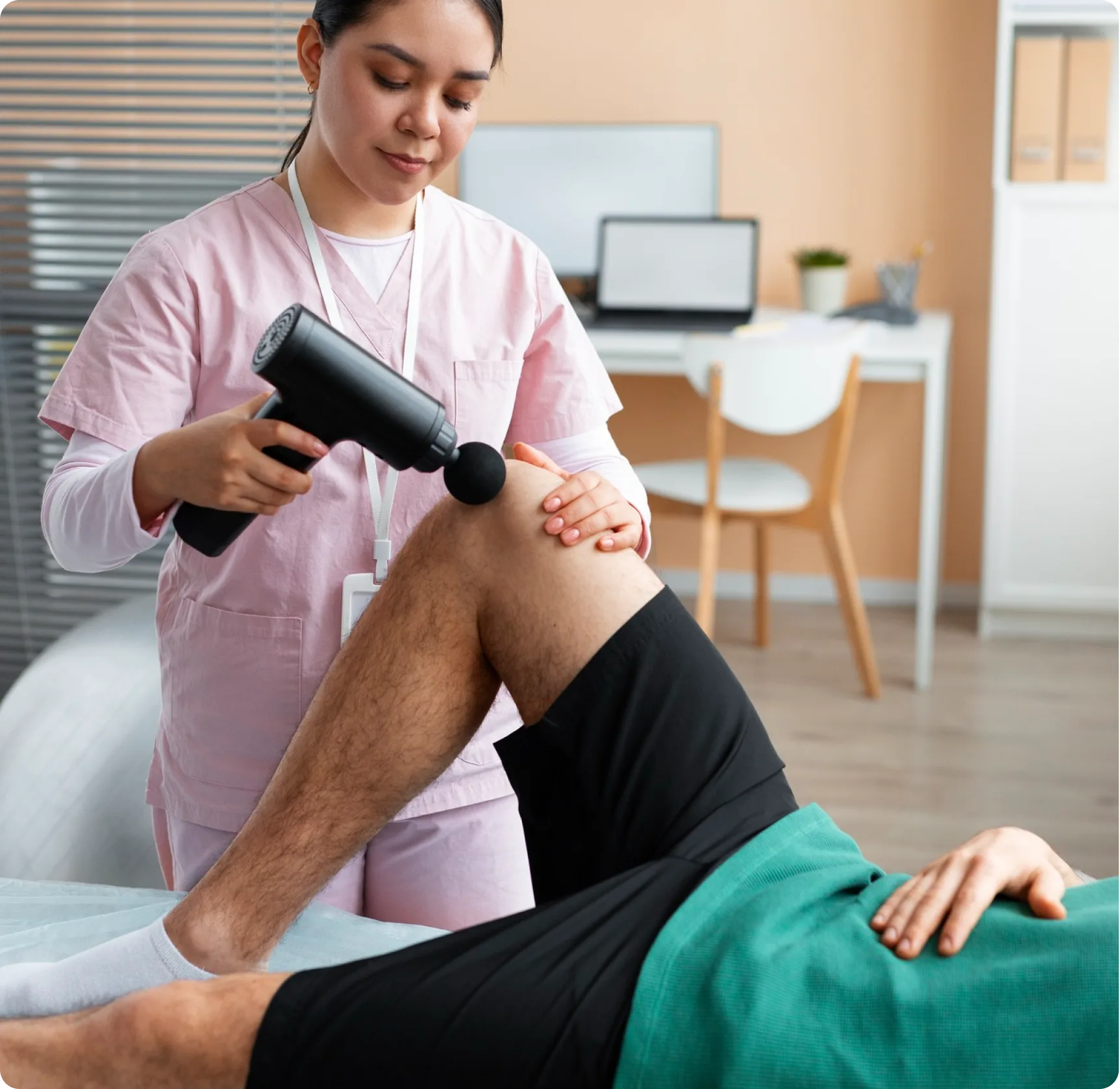
Physical therapy focused on strengthening and flexibility
-
Anti-inflammatory or regenerative injections, such as platelet-rich plasma (PRP) or visco-supplementation
-
Bracing or taping for joint support
-
Weight optimization and lifestyle changes to reduce joint stress
If pain persists, advanced image-guided procedures can offer targeted relief with minimal downtime and reduced risk compared to surgery.
When to Seek Care
You should seek professional evaluation if:
-
Pain lasts longer than a few weeks or keeps returning
-
You experience swelling, locking, or instability
-
Pain interferes with walking, climbing stairs, or sleep
-
You heard a “pop” at the time of injury
-
There’s visible deformity or inability to bear weight
Early diagnosis helps prevent worsening joint damage and shortens recovery time.
Take the Next Step
Persistent knee pain shouldn’t limit your life. Early diagnosis and image-guided treatment can restore comfort and confidence in movement.
Get urgent care for these
- The knee cannot bear any weight after an injury
- Obvious deformity, or the kneecap is out of place
- A hot, swollen, red knee with fever
- Sudden severe swelling within minutes of an injury
These need assessment now, not an appointment next week. Go to an emergency department or call 911.
Common questions about knee pain