
Knee condition or diagnosis
Baker’s Cyst | Elite Pain & Health – Oklahoma
Baker’s Cyst

A Baker’s cyst, also called a popliteal cyst, is a pocket of fluid that forms behind the knee when excess joint fluid pushes into a small bursa (fluid sac). It can cause visible swelling, tightness, and discomfort when bending the knee.
At Elite Pain & Health – Oklahoma, Dr. Keley John Booth, MD, uses ultrasound-guided diagnostics and treatment to identify the cause of the fluid buildup, relieve pressure, and address the underlying joint inflammation usually without surgery.
Why It Happens

A Baker’s cyst isn’t a disease by itself it’s a reaction to another knee problem that causes excess fluid production. That fluid collects in the back of the knee, forming a soft lump or bulge.
Common causes include:

-
Arthritis – osteoarthritis or rheumatoid arthritis stimulating joint fluid buildup
-
Meniscus tears – cartilage damage increasing intra-articular pressure
-
Inflammation or bursitis – irritation of the joint lining (synovium)
-
Ligament or tendon snapping – tissues sliding abnormally over bone structures
-
Post-injury swelling – from ligament or cartilage strain
-
Chronic joint effusion – fluid accumulation due to repetitive overuse
When pressure increases, the cyst can enlarge or even rupture, leaking fluid into the calf and causing sudden pain and swelling that can mimic a blood clot.
What It Feels Like

Common symptoms include:
-
Swelling or a lump behind the knee, often soft or squishy
-
Tightness or fullness when bending or straightening
-
Pain or stiffness behind the knee and into the calf
-
Worsening swelling after activity or prolonged standing
-
Occasional clicking or pressure when moving the joint
If a cyst ruptures, you may feel a sudden sharp pain with calf swelling or bruising a situation that should be promptly evaluated to rule out other causes.
How It’s Diagnosed

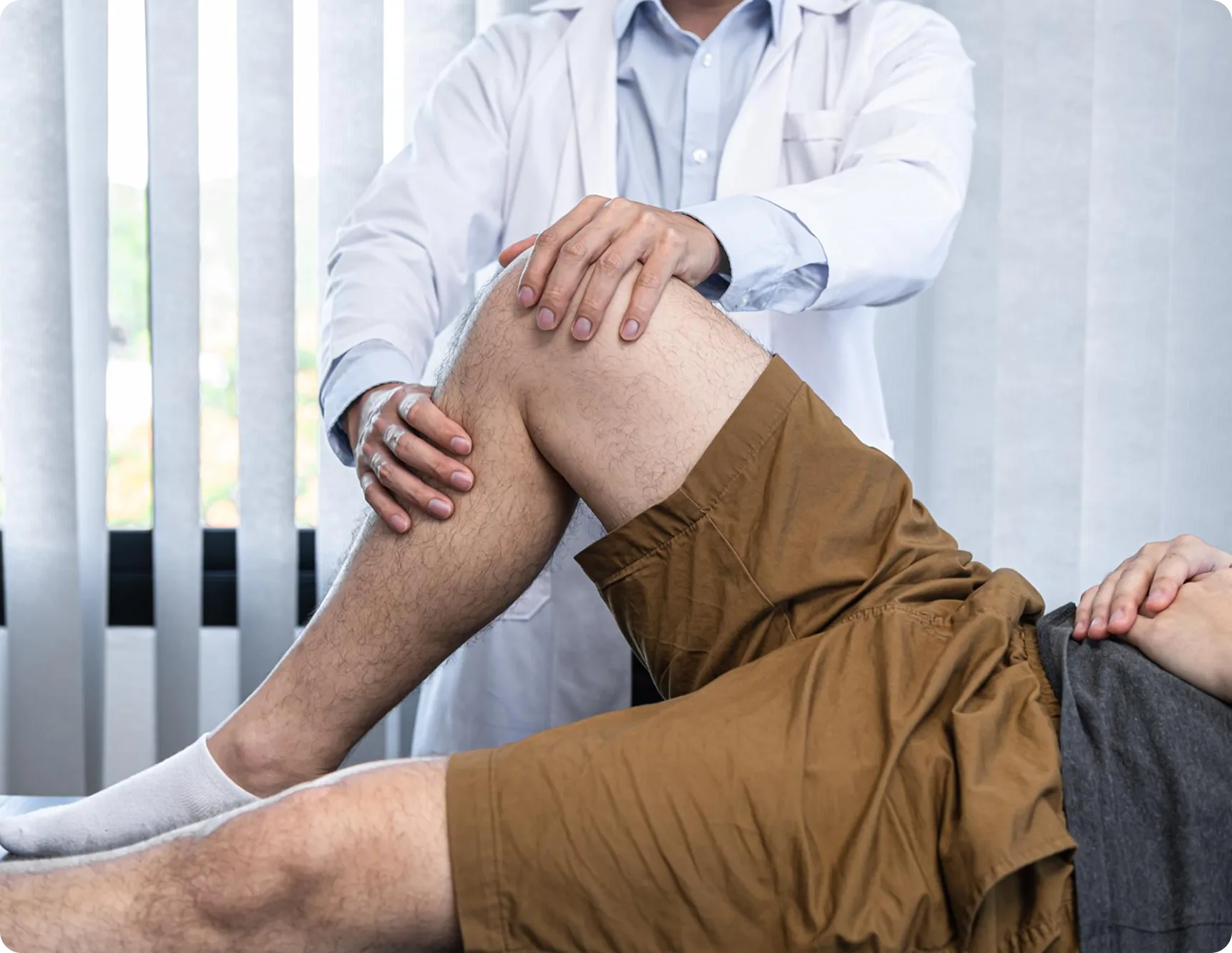
At Elite Pain & Health, Dr. Booth uses image-guided assessment to confirm that the swelling is a Baker’s cyst and not another problem such as a blood clot, tumor, or deep infection.
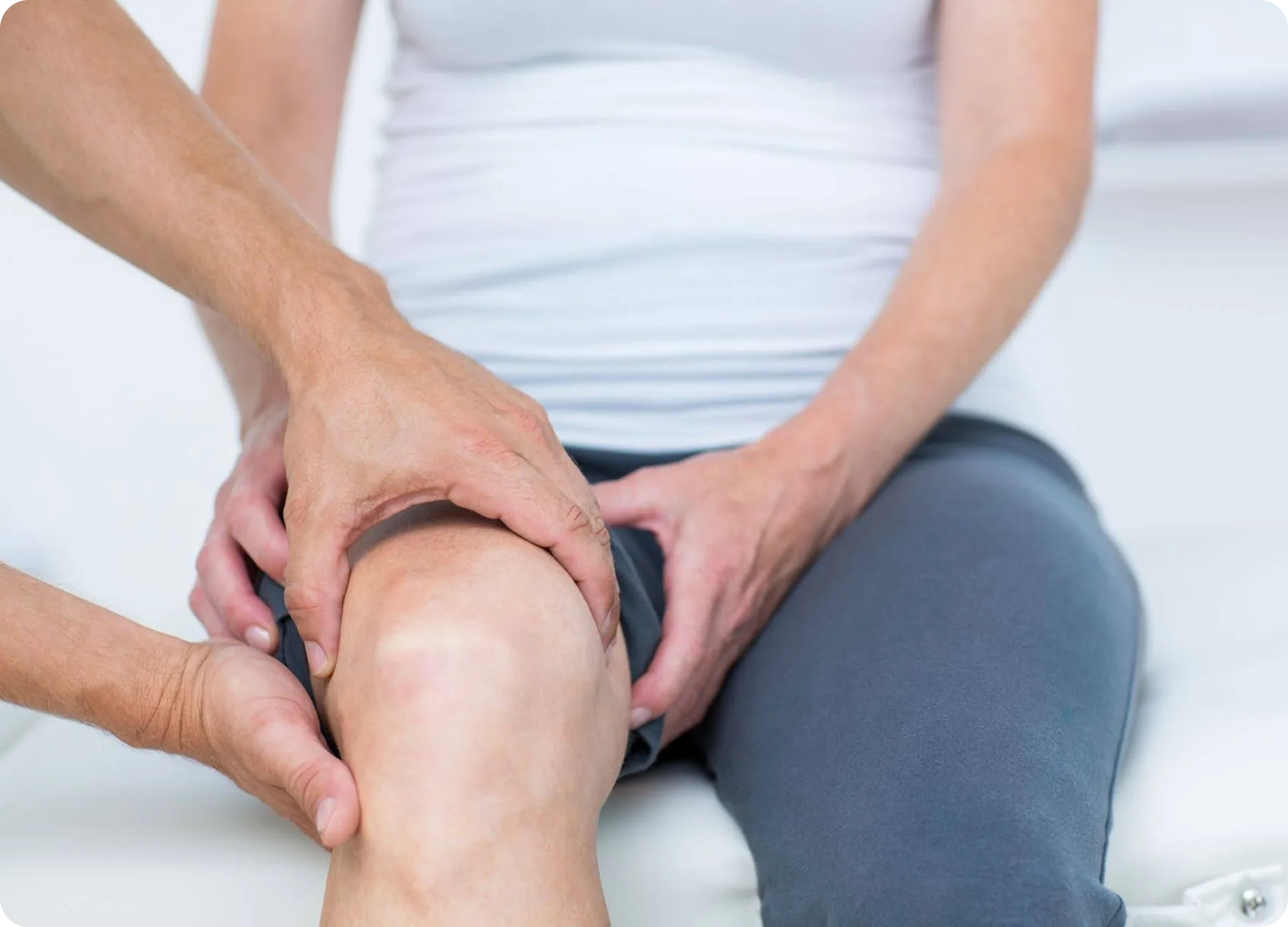
The diagnostic process includes
-
Physical examination for size, consistency, and tenderness
-
Ultrasound imaging to visualize fluid location, cyst wall, and possible rupture
-
X-rays to evaluate arthritis or bony changes
-
MRI when underlying meniscus or cartilage injury is suspected
-
Fluoroscopic or ultrasound-guided aspiration if analysis of the fluid is needed
Accurate imaging ensures treatment addresses both the cyst and its root cause.
Conservative Treatment
Dr. Booth’s non-surgical, image-guided approach focuses on relieving pressure, reducing inflammation, and preventing recurrence. Treatment options may include:
-
Ultrasound-guided aspiration to safely drain excess fluid and reduce swelling
-
Image-guided corticosteroid or regenerative injections to treat the underlying inflammation or arthritis
-
Compression and activity modification to minimize fluid buildup
-
Physical therapy to improve joint movement and reduce recurrent stress
-
Viscosupplementation or regenerative therapy (PRP) if arthritis is present

Most patients experience noticeable relief within days, and recurrence can often be prevented by managing the underlying cause.
When to Seek Care
You should see a knee specialist if:
-
There’s visible swelling or a lump behind your knee
-
Pain or tightness worsens with bending or activity
-
You experience sudden calf pain or swelling (possible cyst rupture)
-
You have arthritis-related swelling that doesn’t resolve with rest
-
The cyst keeps returning after home treatment
Early diagnosis helps prevent complications and ensures accurate treatment of the source not just the symptom.
Take the Next Step
If you notice swelling or tightness behind your knee, don’t ignore it. Early, image-guided care can relieve pain, confirm the diagnosis, and prevent recurrence.
Get urgent care for these
- The knee cannot bear any weight after an injury
- Obvious deformity, or the kneecap is out of place
- A hot, swollen, red knee with fever
- Sudden severe swelling within minutes of an injury
These need assessment now, not an appointment next week. Go to an emergency department or call 911.
Common questions about knee pain