
Knee symptom
Knee Stiffness or Limited Range of Motion | Elite Pain & Health – Oklahoma
Knee Stiffness or Limited Range of Motion

When your knee feels tight, stuck, or difficult to bend or straighten, even simple movements like standing up or walking can feel frustrating. Knee stiffness or limited range of motion is often the result of inflammation, tissue injury, or mechanical restriction within the joint.
At Elite Pain & Health – Oklahoma, Dr. Keley John Booth, MD, uses image-guided diagnostics to uncover what’s limiting your knee mobility and offers non-surgical, restorative treatment options designed to reduce stiffness, restore function, and help you move with confidence again.
Why It Happens

The knee is built to bend (flex) and straighten (extend) smoothly, guided by muscles, tendons, cartilage, and lubricating joint fluid. When any of these components are injured or inflamed, motion can become restricted.
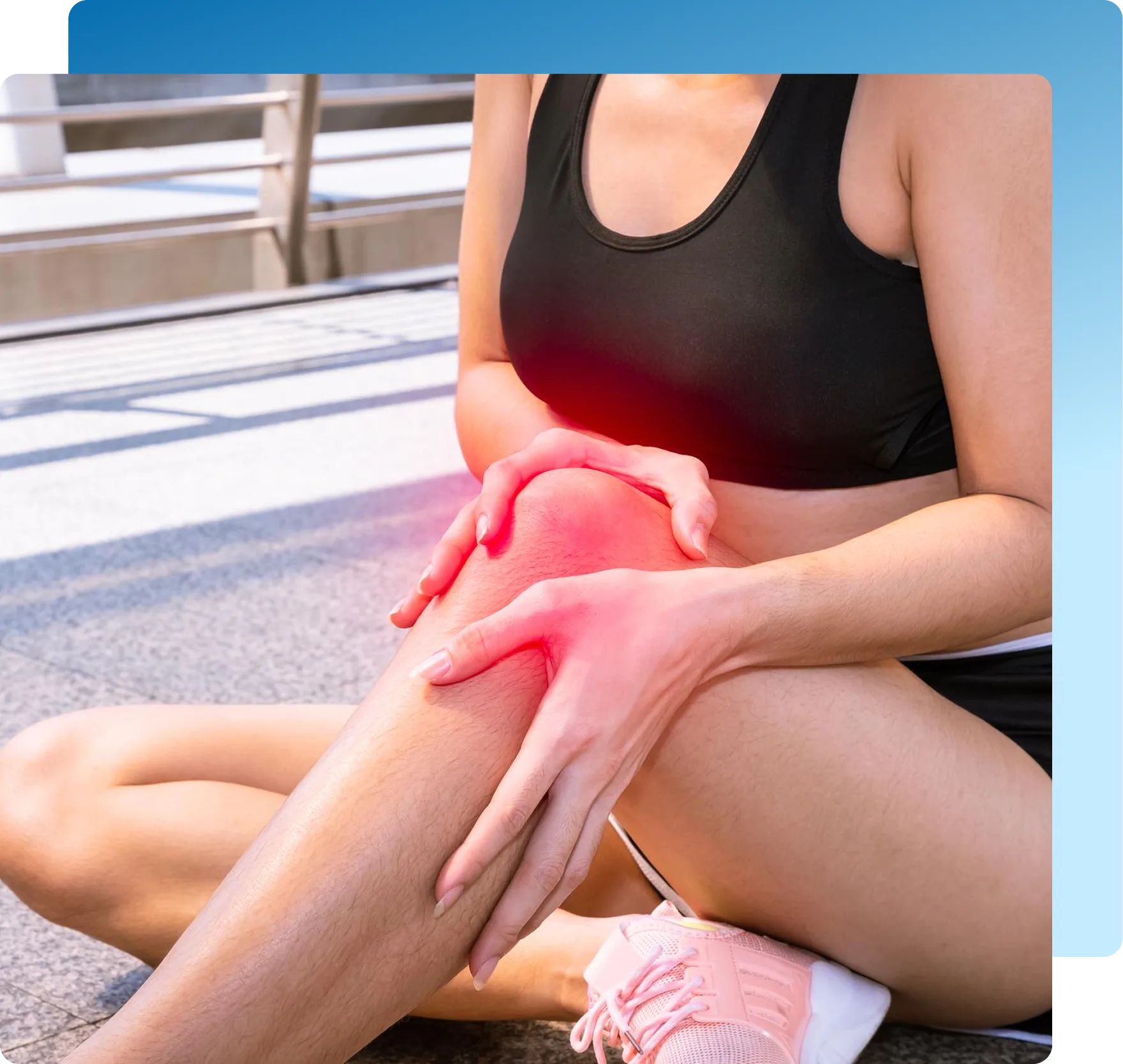
Common causes include:
-
Arthritis - inflammation or degeneration that thickens tissue and reduces space for movement
-
Meniscus or cartilage tears – mechanical “blocking” that prevents full motion
-
Joint swelling (effusion) – excess fluid that tightens the capsule and causes stiffness
-
Scar tissue (fibrosis) – forming after injury, surgery, or prolonged inflammation
-
Tendon or ligament injury – pain and guarding that reduce active range of motion
-
Muscle imbalance or weakness – especially in the quadriceps or hamstrings
Stiffness can develop suddenly after injury or gradually with age, overuse, or arthritis progression.
What It Feels Like

Patients often describe:
-
Difficulty fully straightening or bending the knee
-
A sensation of tightness, heaviness, or “sticking” inside the joint
-
Pain or pressure when attempting to move beyond a certain angle
-
Grinding or catching sensations
-
Worse stiffness after rest, sitting, or sleeping
When swelling or inflammation is present, the knee may feel warm, puffy, or resistant to movement.

How It’s Diagnosed

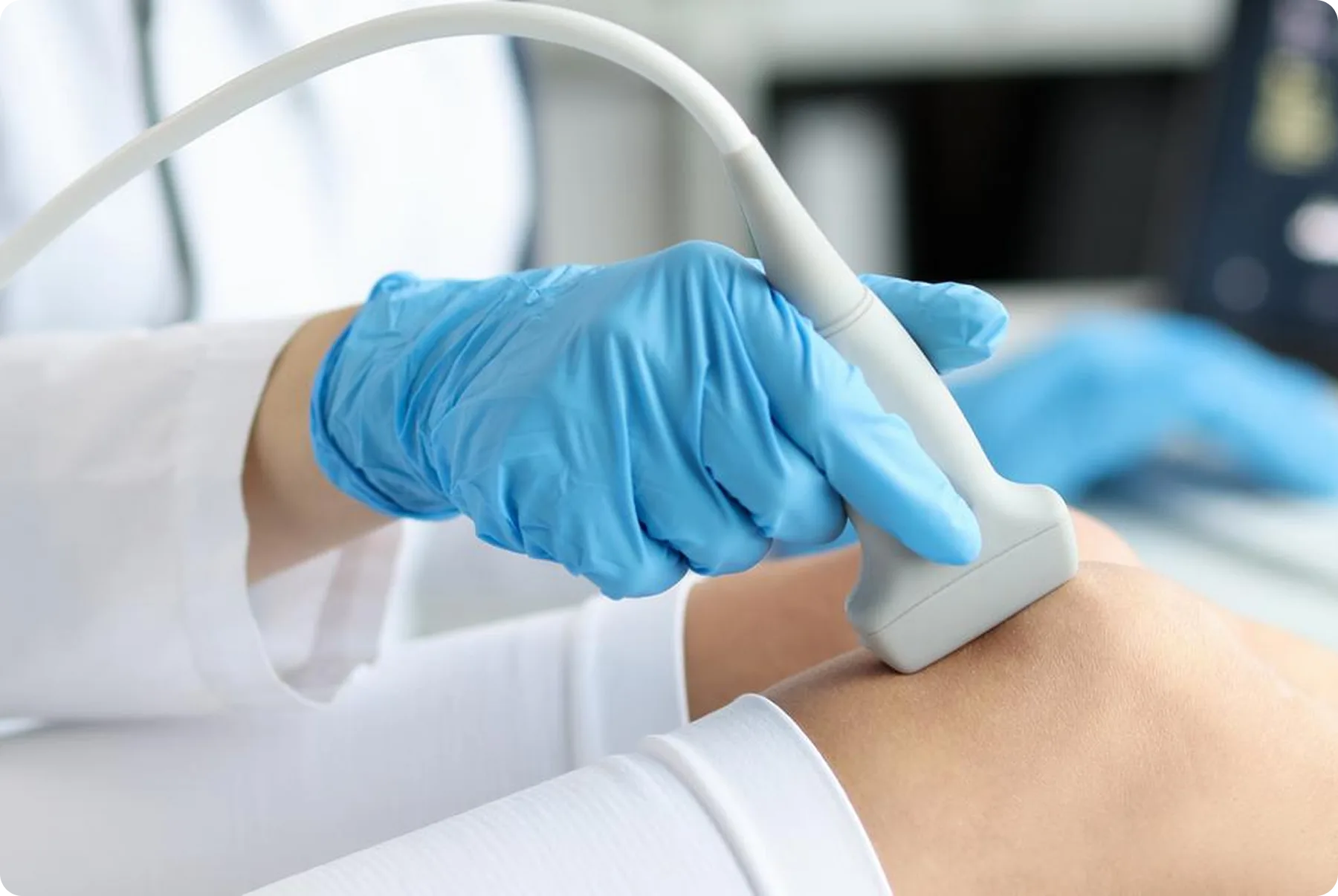
Dr. Booth begins with a careful medical history and physical examination, followed by advanced imaging to identify both structural and functional causes of stiffness.
Common diagnostic tools include
-
Ultrasound to assess soft tissues, tendons, and joint fluid
-
X-rays to evaluate bone alignment and joint space narrowing
-
MRI to detect cartilage injury, meniscus tears, or scar tissue
-
Fluoroscopic or ultrasound-guided diagnostic injections to confirm whether inflammation is restricting motion
This image-guided precision ensures the treatment plan targets the true mechanical or inflammatory cause of stiffness.
Conservative Treatment
Dr. Booth emphasizes a stepwise, non-surgical approach to restoring range of motion and comfort:
-
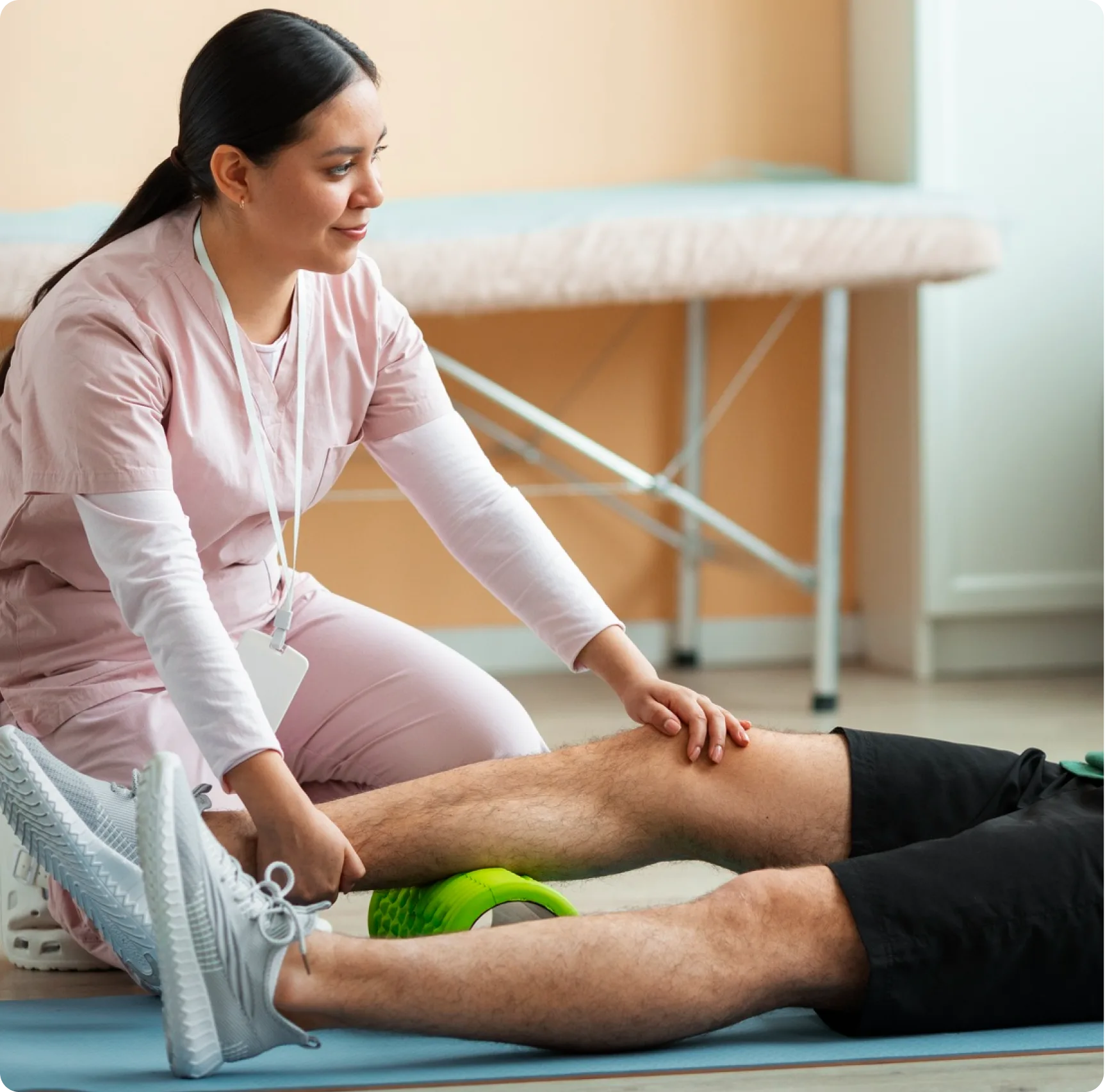
Guided physical therapy to stretch, strengthen, and retrain movement safely
-
Image-guided aspiration or injections to reduce inflammation and joint pressure
-
Regenerative therapies (such as PRP or stem-cell–based options) to promote healing of damaged tissues
-
Manual therapy or joint mobilization techniques under medical supervision
-
Home-based motion programs to maintain flexibility between sessions
For post-surgical stiffness or adhesive scar tissue, Dr. Booth may recommend ultrasound-guided hydrodissection or regenerative interventions to break down restrictions and improve function.
When to Seek Care
You should seek professional evaluation if:
-
You can’t fully straighten or bend your knee
-
Stiffness worsens despite rest, stretching, or ice
-
The knee feels locked or “stuck” during motion
-
You experience pain, swelling, or warmth with stiffness
-
Symptoms persist longer than two weeks or interfere with daily activities
Addressing limited motion early helps prevent long-term stiffness, weakness, and cartilage wear.
Take the Next Step
If your knee feels tight, locked, or difficult to move, don’t wait for it to worsen. Early diagnosis and targeted, image-guided therapy can help restore smooth, pain-free motion.
Get urgent care for these
- The knee cannot bear any weight after an injury
- Obvious deformity, or the kneecap is out of place
- A hot, swollen, red knee with fever
- Sudden severe swelling within minutes of an injury
These need assessment now, not an appointment next week. Go to an emergency department or call 911.
Common questions about knee pain