
Neck treatment
Cervical Radiofrequency Ablation (RFA) | Elite Pain & Health – Oklahoma
Cervical Radiofrequency Ablation (RFA)

If you’ve experienced short-term relief from a Cervical Medial Branch Block, you’ve already taken the most important step toward lasting improvement. The next step is Cervical Radiofrequency Ablation (RFA) a precise, image-guided treatment that safely deactivates tiny pain nerves around the facet joints to provide long-term neck pain relief.
At Elite Pain & Health – Oklahoma, Dr. Keley John Booth performs RFA using advanced fluoroscopic technology to ensure accuracy, safety, and optimal outcomes. This procedure allows patients to regain mobility, reduce medication use, and avoid unnecessary neck surgery all through a quick, outpatient experience.
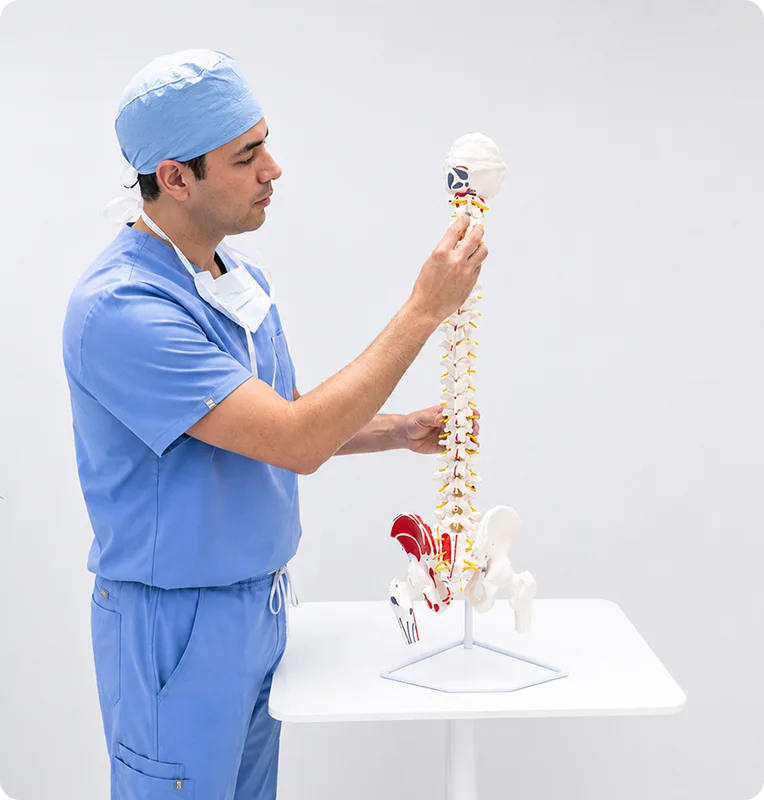
Why It Happens

Chronic neck pain often originates from the facet joints small stabilizing joints along the back of the cervical spine. These joints contain nerve endings (the medial branch nerves) that transmit pain signals to the brain.
After arthritis, whiplash, or repetitive strain, these joints may become inflamed and hyperactive, sending constant pain signals even when the damage is minimal.
While medications and physical therapy can help, many patients experience persistent pain. Radiofrequency ablation directly addresses the source by interrupting those pain signals not by damaging the joint, but by “quieting” the irritated nerves that transmit pain from it.
What It Feels Like


Facet-related neck pain typically presents as:
-
Deep aching pain along the neck and shoulders
-
Limited rotation or extension (turning your head, looking up)
-
Headaches radiating from the upper neck
-
Pain that worsens with activity or certain sleeping positions
-
Temporary relief from previous medial branch blocks
If you had significant but short-lived relief after a medial branch block, that’s the best predictor that RFA will help you long-term.
How It Works
Cervical Radiofrequency Ablation uses controlled heat energy to stop targeted pain signals from the medial branch nerves.
Here’s how Dr. Booth performs the procedure:
-
Patient Preparation: You’ll lie face down in a comfortable position. The skin is cleaned and numbed with local anesthetic.
-
Imaging Guidance: Using live fluoroscopy (X-ray), Dr. Booth guides specialized RFA needles to the precise nerve locations adjacent to the facet joints.
-
Nerve Testing: Small electrical impulses are used to confirm correct placement (you may feel mild muscle twitching or tingling).
-
Lesioning: Once verified, controlled heat (approximately 80°C for 60–90 seconds) is applied to each targeted medial branch nerve, creating a small thermal lesion that interrupts pain transmission.
-
Completion: A mild numbing medication may be injected afterward to minimize soreness.

The procedure usually takes 30–45 minutes and is performed under local anesthesia, often with mild relaxation medication if desired.
Why It’s Effective

Unlike temporary numbing from a medial branch block, RFA provides long-term relief by disabling the nerve’s ability to send pain signals for months.
Key advantages:

-
Precision: Targets only pain-transmitting nerves, leaving motor function intact.
-
Longevity: Pain relief typically lasts 6–12 months, and nerves may take that long to regenerate.
-
Non-surgical: No incisions, no hardware, minimal recovery.
-
Repeatable: Can be safely repeated if pain recurs after nerve regrowth.
Dr. Booth’s image-guided approach ensures each ablation is performed with pinpoint accuracy to maximize safety and success.
Recovery and Results
After RFA:
-
Mild soreness or temporary numbness at the injection site is normal for a few days.
-
Pain relief often begins within 1–3 weeks as the treated nerves fully stop transmitting pain.
-
Most patients resume light activity within 24 hours and return to full activity within a few days.
-
Physical therapy is often recommended afterward to maintain improved neck mobility and strength.
Typical outcomes:
-
70–80% of patients experience significant pain reduction
-
Reduced medication use and improved sleep
-
Better posture and range of motion
When to Seek Care

You may be a candidate for Cervical RFA if:
-
You’ve had temporary relief from a medial branch block
-
You suffer from facet joint arthritis or chronic post-whiplash neck pain
-
You want to avoid surgery but need lasting relief
-
Your pain interferes with driving, work, or sleep
Restore Your Neck Mobility Today
If chronic neck pain has become part of your daily life, it’s time for a long-term solution.
At Elite Pain & Health – Oklahoma, Dr. Keley John Booth performs Cervical Radiofrequency Ablation with the precision, safety, and experience that come from thousands of image-guided procedures.
Get urgent care for these
- New weakness or clumsiness in the hands, or dropping objects
- Unsteady walking or a change in balance
- Loss of bladder or bowel control
- Neck pain with fever, or after a fall or collision
These need assessment now, not an appointment next week. Go to an emergency department or call 911.
Common questions about neck pain