
Neck condition or diagnosis
Cervical Facet Joint Syndrome | Elite Pain & Health – Oklahoma

If your neck pain worsens when you turn your head or look up, the cause may be deeper than muscle strain. Cervical Facet Joint Syndrome also called facet arthropathy or facet-mediated pain is one of the most frequent sources of chronic neck pain Dr. Keley John Booth treats at Elite Pain & Health.
These small joints at the back of your cervical spine guide motion and stability, but injury or arthritis can inflame them, causing pain that radiates into the shoulders, upper back, or even the head. The good news: Most patients recover function and relief without surgery through image-guided precision diagnosis and targeted regenerative or interventional therapies.
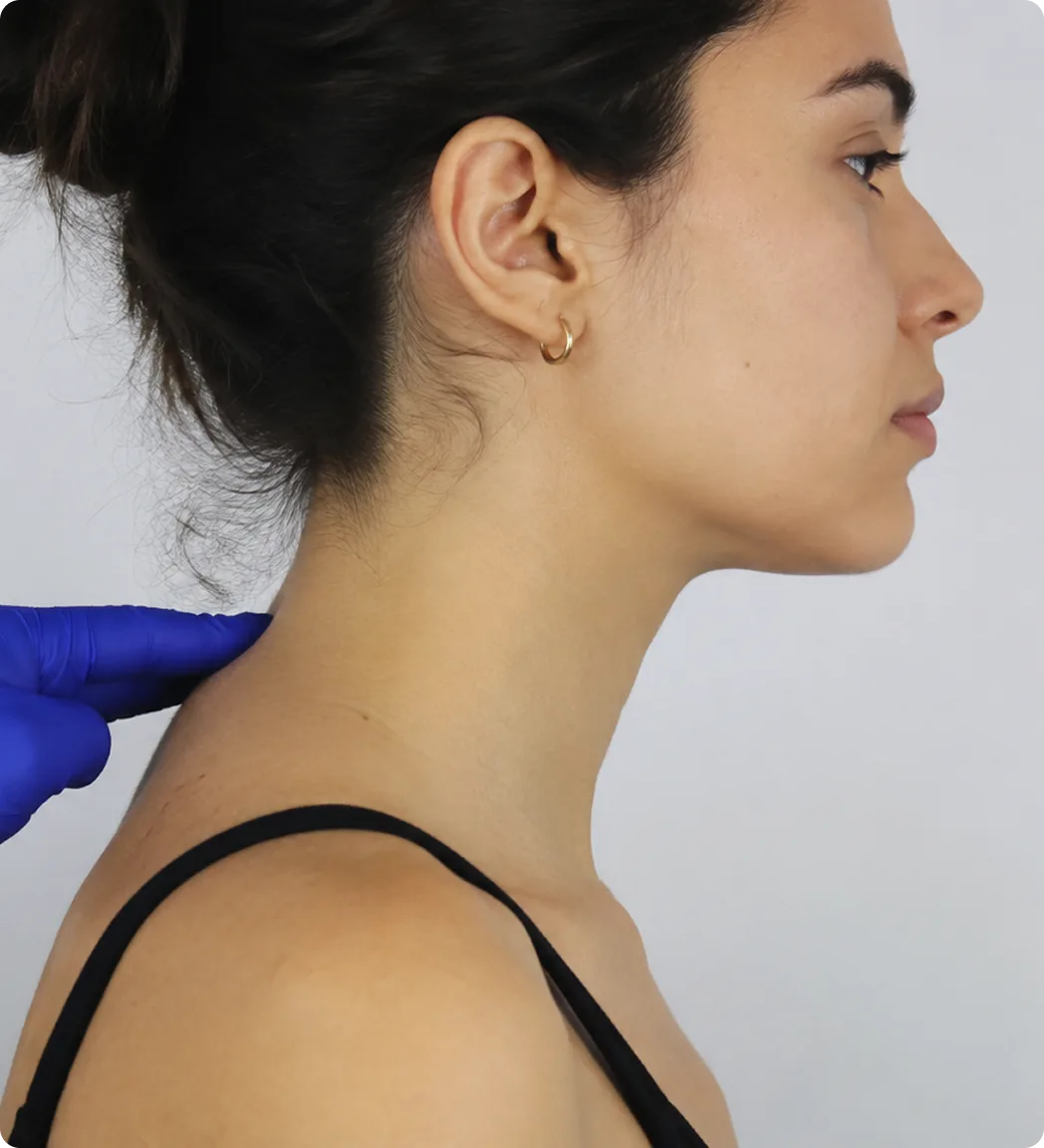
Why It Happens

Each level of your cervical spine contains two facet joints that allow the neck to bend, rotate, and extend smoothly. Over time or following trauma such as a car accident these joints can become irritated or degenerate.
Common causes include:
-
Post-whiplash inflammation after sudden impact
-
Degenerative arthritis (spondylosis) from age or wear-and-tear
-
Disc height loss increasing stress on the facet joints
-
Posture-related overload (looking down at screens, poor ergonomics)
-
Repetitive microtrauma from sports or work activities
When the protective cartilage thins and the joint capsule swells, the small sensory nerves around each
facet (medial branch nerves) send persistent pain signals that can mimic muscle or disc pain.
What It Feels Like

Cervical facet pain typically causes:
-
Localized neck pain on one or both sides
-
Stiffness when turning the head or looking up
-
Pain radiating to the shoulders or upper back
-
Occipital headaches (pain rising to the back of the skull)
-
Muscle spasms and “locking up” sensation
-
Worsening with extension or rotation
Patients often describe it as a deep, dull ache that doesn’t shoot down the arm (unlike nerve root pain). It may fluctuate daily, often worse in the morning or after sitting or driving for long periods.
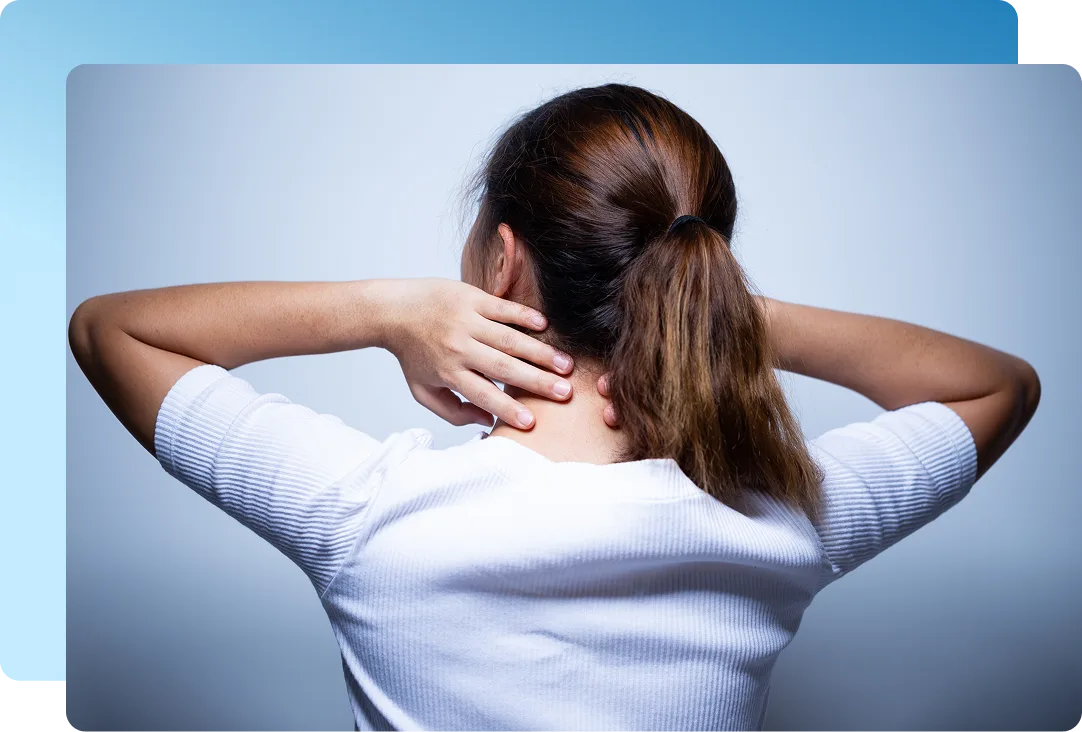
How It’s Diagnosed
Accurate diagnosis is crucial because facet pain is easily mistaken for disc or muscle injury. Dr. Booth uses a combination of advanced imaging and targeted testing to pinpoint the problem joint:
-
Comprehensive physical exam assessing motion restriction, tenderness, and joint loading
-
MRI or CT scan to visualize degenerative changes or joint inflammation
-
Digital Motion X-ray (DMX) to assess instability from prior trauma
-
Diagnostic medial branch blocks – tiny numbing injections under X-ray to confirm which facet joints are causing pain
Conservative Treatment
Dr. Booth’s non-surgical, stepwise approach focuses on restoring movement and
joint health rather than rushing to surgery:


-
Physical therapy & posture training – gentle mobility, strengthening, and ergonomic correction
-
Medication management – short-term anti-inflammatories or muscle relaxants
-
Interventional procedures Medial branch nerve blocks to calm inflammation
Radiofrequency ablation (RFA) to safely “deactivate” the painful nerves for 6–12 months
Facet joint injections for targeted anti-inflammatory delivery
-
Regenerative medicine – biologic therapies such as PRP (platelet-rich plasma) or orthobiologic cell therapy to heal and stabilize the joint capsule naturally
-
Lifestyle and ergonomic adjustments – monitor workstation setup, avoid prolonged forward head posture, and keep neck-supportive strength
Dr. Booth’s philosophy emphasizes motion preservation, safety, and long-term restoration of normal joint function not simply masking pain.
When to Seek Care
You should be evaluated if:
-
Neck pain has persisted more than 6 weeks
-
You have difficulty turning your head while driving or sleeping
-
Over-the-counter pain relief no longer helps
-
Headaches or shoulder pain stem from the neck
-
Pain interferes with sleep, focus, or work
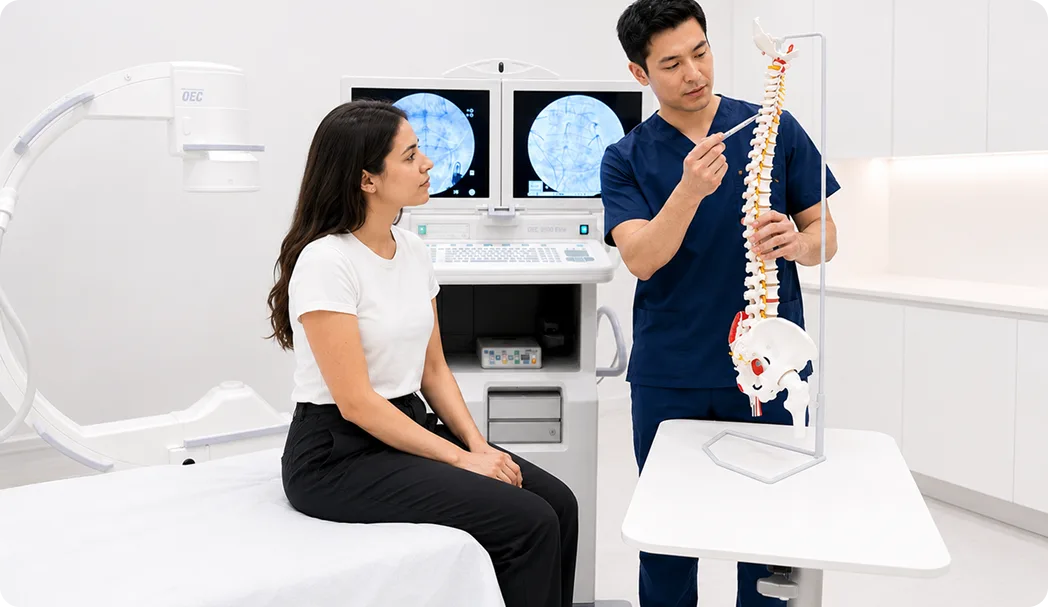
Delaying treatment can cause joint hypertrophy (bony overgrowth) and chronic nerve irritation.
Take the Next Step
Don’t live with chronic neck stiffness or recurring headaches. Dr. Booth and the team at Elite Pain & Health can pinpoint your pain and restore movement—without surgery or long-term medications.
Get urgent care for these
- New weakness or clumsiness in the hands, or dropping objects
- Unsteady walking or a change in balance
- Loss of bladder or bowel control
- Neck pain with fever, or after a fall or collision
These need assessment now, not an appointment next week. Go to an emergency department or call 911.
Common questions about neck pain