
Neck condition or diagnosis
Cervical Radiculopathy | Elite Pain & Health – Oklahoma
Cervical Radiculopathy

When pain, tingling, or weakness radiates from your neck into your arm or hand, the problem may not be in your shoulder at all. Cervical radiculopathy often called a “pinched nerve” occurs when one of the spinal nerve roots in your neck becomes compressed or irritated.
At Elite Pain & Health, Dr. Keley John Booth uses advanced imaging, diagnostic blocks, and targeted non-surgical treatments to identify and calm the exact source of nerve irritation so you can regain strength, motion, and comfort without spinal fusion surgery.

Why It Happens

Each nerve root in your cervical spine exits through small openings (foramina) between the vertebrae, sending sensation and motor control to your shoulders, arms, and hands. When these openings narrow or the nerve is inflamed, it results in radiculopathy.

Common causes include:
-
Disc herniation or bulge pressing on the nerve root (C5–C6 and C6–C7 most common)
-
Arthritic bone spurs (osteophytes) encroaching on the foramen
-
Facet joint hypertrophy or thickened ligaments narrowing the canal
-
Post-whiplash swelling or inflammatory irritation of the nerve sheath
-
Prior cervical fusion or degenerative disc disease creating extra stress at adjacent levels
Motor vehicle accidents are a frequent trigger, but many patients also develop symptoms gradually from age-related cervical spondylosis.
What It Feels Like

Radiculopathy produces distinct symptoms based on which nerve root is involved. Dr. Booth’s patients commonly describe:

-
Sharp, burning, or shooting pain radiating from the neck down the arm
-
Numbness or tingling in the shoulder, forearm, or specific fingers
-
Weak grip strength or loss of fine motor control
-
Neck stiffness and muscle spasms
-
Pain that worsens with neck extension or rotation

Common level patterns:
-
C5 root: shoulder and upper arm pain, deltoid weakness
-
C6 root: pain into the biceps, thumb, and index finger
-
C7 root: triceps weakness, pain into the middle finger
-
C8 root: numbness in the ring and little fingers
How It’s Diagnosed
Dr. Booth’s evaluation focuses on pinpointing the exact nerve under pressure because the right diagnosis determines the right therapy.
The process often includes:

-
Detailed history and neurologic exam (reflexes, sensation, and motor testing)
-
MRI or CT of the cervical spine to visualize disc and foraminal narrowing
-
Digital Motion X-ray (DMX) to assess instability or ligament laxity
-
Diagnostic selective nerve root blocks precise X-ray guided injections that temporarily numb the suspected nerve root
-
Electrodiagnostic testing (EMG/NCS) when muscle weakness or nerve damage is suspected
By confirming the nerve level involved, Dr. Booth can tailor a targeted, non-surgical treatment plan that restores normal function and mobility.
Conservative Treatment
Most patients improve with Dr. Booth’s stepwise, image-guided, non-surgical plan:
-
Physical therapy and posture correction – to decompress nerves naturally and strengthen cervical stabilizers
-
Medication management – short-term use of anti-inflammatories, muscle relaxants, or nerve-calming agents (e.g., gabapentin)
-
**Image-guided injections **○ Selective nerve root blocks – reduce inflammation and confirm diagnosis
○ Cervical epidural steroid injections – calm nerve root swelling and reduce pain
○ Facet or medial branch blocks – if joint arthritis is also contributing
-
Regenerative orthobiologic therapy – platelet-rich plasma (PRP) or cell-based injections to heal inflamed nerve tissue and restore joint stability
-
Ergonomic & lifestyle modifications – workstation height, monitor position, and screen posture play major roles in recurrence
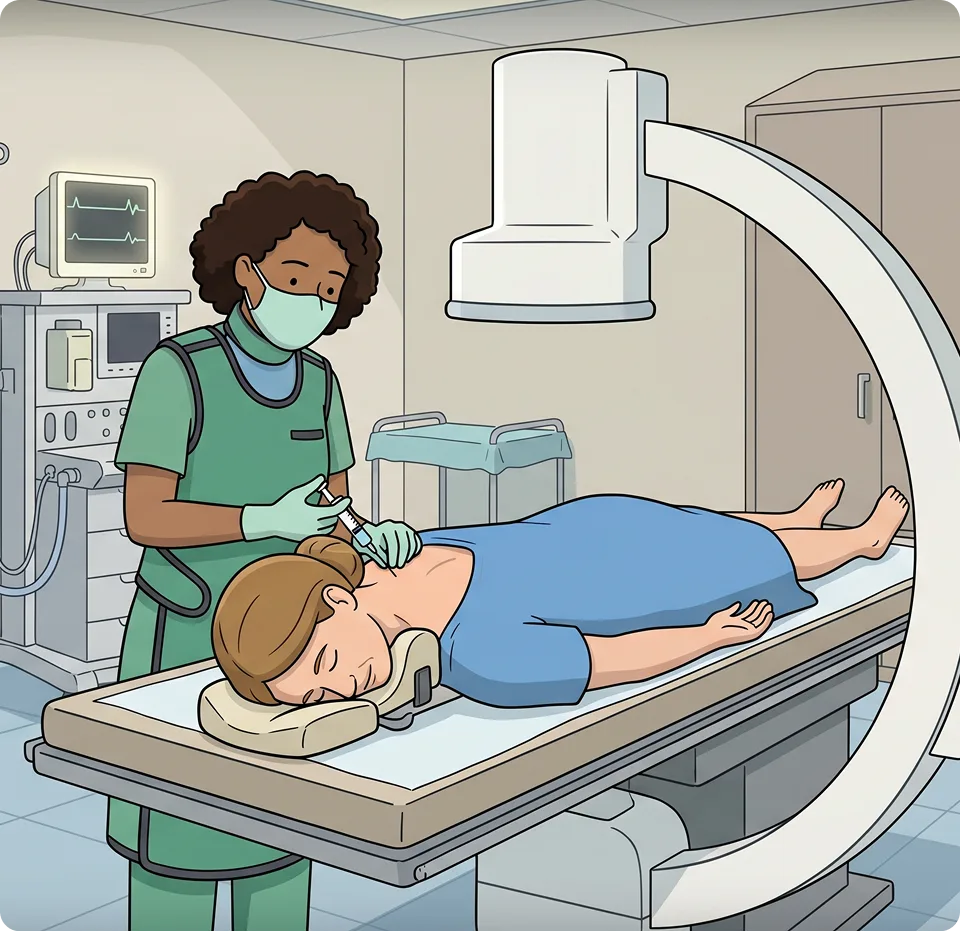
Dr. Booth’s goal is to relieve nerve compression without surgery, focusing instead on biologic healing and precise interventional care.
When to Seek Care
You should seek medical evaluation promptly if you experience:
-
Numbness, weakness, or clumsiness in your hands or arms
-
Neck pain radiating below the shoulder or into the fingers
-
Difficulty gripping or frequent object-dropping
-
Worsening pain despite rest or medication
-
Any signs of spinal cord compression (unsteady walking, balance issues, loss of coordination)
Early diagnosis and image-guided treatment can prevent long-term nerve damage and restore function before surgery becomes necessary.
Take the Next Step
If you have persistent arm pain, tingling, or weakness that starts in your neck, you may have a treatable pinched nerve. Dr. Booth and the team at Elite Pain & Health can help you recover safely and avoid unnecessary surgery.
Get urgent care for these
- New weakness or clumsiness in the hands, or dropping objects
- Unsteady walking or a change in balance
- Loss of bladder or bowel control
- Neck pain with fever, or after a fall or collision
These need assessment now, not an appointment next week. Go to an emergency department or call 911.
Common questions about neck pain