
Neck condition or diagnosis
Occipital Neuralgia (Cervicogenic Headache)
Occipital Neuralgia

Not all headaches start in the head. If your pain begins at the base of the skull and radiates upward, you may be suffering from occipital neuralgia a nerve-based pain syndrome that originates in the upper neck and mimics migraines.
Dr. Keley John Booth, interventional spine and joint specialist at Elite Pain & Health – Oklahoma, frequently sees this pattern in patients after car accidents, prolonged screen time, or years of neck arthritis. The good news? Most cases respond beautifully to targeted, image-guided therapy without the need for surgery.

Why It Happens

Your occipital nerves (greater and lesser) emerge from the upper cervical spine (C2–C3 region) and travel through muscles at the back of the head to supply sensation to the scalp.

When these nerves become compressed or inflamed, they can cause lightning-like pain and deep aching along the skull and behind the eyes.
Common causes include:
-
Post-whiplash inflammation of the C2–C3 facet or ligament
-
Arthritis or joint hypertrophy near the upper cervical facets
-
Muscle tension (trapezius or suboccipital spasms)
-
Postural strain from long hours at computers or phones
-
Nerve entrapment or scarring from prior injury or surgery
-
Overuse or trauma in athletes or manual laborers
Occipital neuralgia is often misdiagnosed as migraine or tension headache, leading to years of ineffective treatment before the true cervical cause is identified.
What It Feels Like

Patients often describe occipital neuralgia as a “nerve lightning bolt” or burning pain radiating from the upper neck into the scalp.
Typical symptoms include:
-
Sharp, shooting, or stabbing pain starting at the skull base
-
Radiation to the top or side of the head, sometimes behind one eye
-
Tenderness over the upper neck or back of the head
-
Scalp sensitivity or tingling
-
Pain triggered by neck movement, brushing hair, or pressure on the skull
-
Light or sound sensitivity (in severe cases)

These headaches can last from minutes to hours and may alternate with dull, throbbing ache between episodes.
How It’s Diagnosed
Because occipital neuralgia can mimic migraines, accurate diagnosis requires a careful combination of history, physical examination, and targeted diagnostic blocks.
Dr. Booth’s diagnostic process typically includes:
-
Detailed neurologic and musculoskeletal exam – checking for trigger points, joint tenderness, and nerve distribution
-
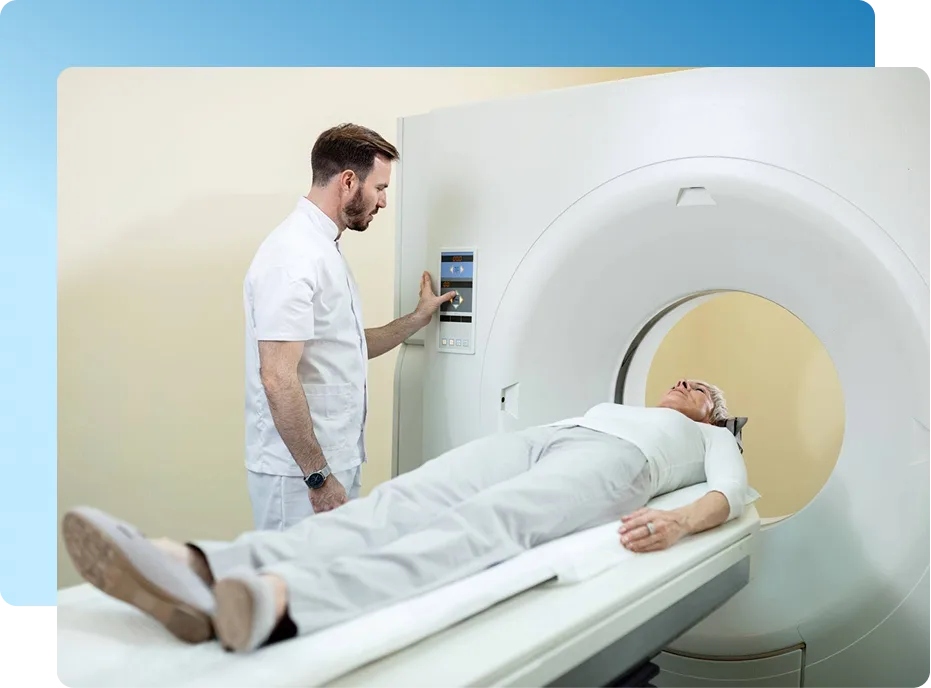
Imaging (MRI or Digital Motion X-ray) – to identify upper cervical arthritis, joint hypertrophy, or post-whiplash instability
-
Diagnostic occipital nerve block – a small, image-guided numbing injection that temporarily relieves pain, confirming the diagnosis
-
Assessment of posture and muscle tone – to identify contributing muscular strain
If your pain dramatically improves after a diagnostic nerve block, it confirms occipital neuralgia as the root cause allowing Dr. Booth to plan definitive, minimally invasive treatment.
Conservative Treatment
The majority of occipital neuralgia cases resolve with targeted, non-surgical care.
Dr. Booth’s stepwise approach includes:
-
Physical therapy and posture correction: ○ Gentle stretching of neck and suboccipital muscles
○ Ergonomic and alignment training for desk or device posture
-
Medication management: ○ Short-term anti-inflammatories or neuropathic agents (gabapentin, duloxetine)
○ Occasional muscle relaxants for spasm control
-
Image-guided occipital nerve blocks: ○ Provides rapid pain relief and diagnostic confirmation
○ May include a mild steroid or regenerative platelet solution
-
Radiofrequency ablation (RFA) of the occipital nerves: ○ Facet joint or medial branch blocks to calm secondary pain
○ Radiofrequency ablation (RFA) for chronic nerve irritation contributing to spasm
-
Lifestyle and Activity Modification ○ Avoid excessive neck manipulation or heavy lifting during recovery
○ Focus on controlled mobility rather than immobilization
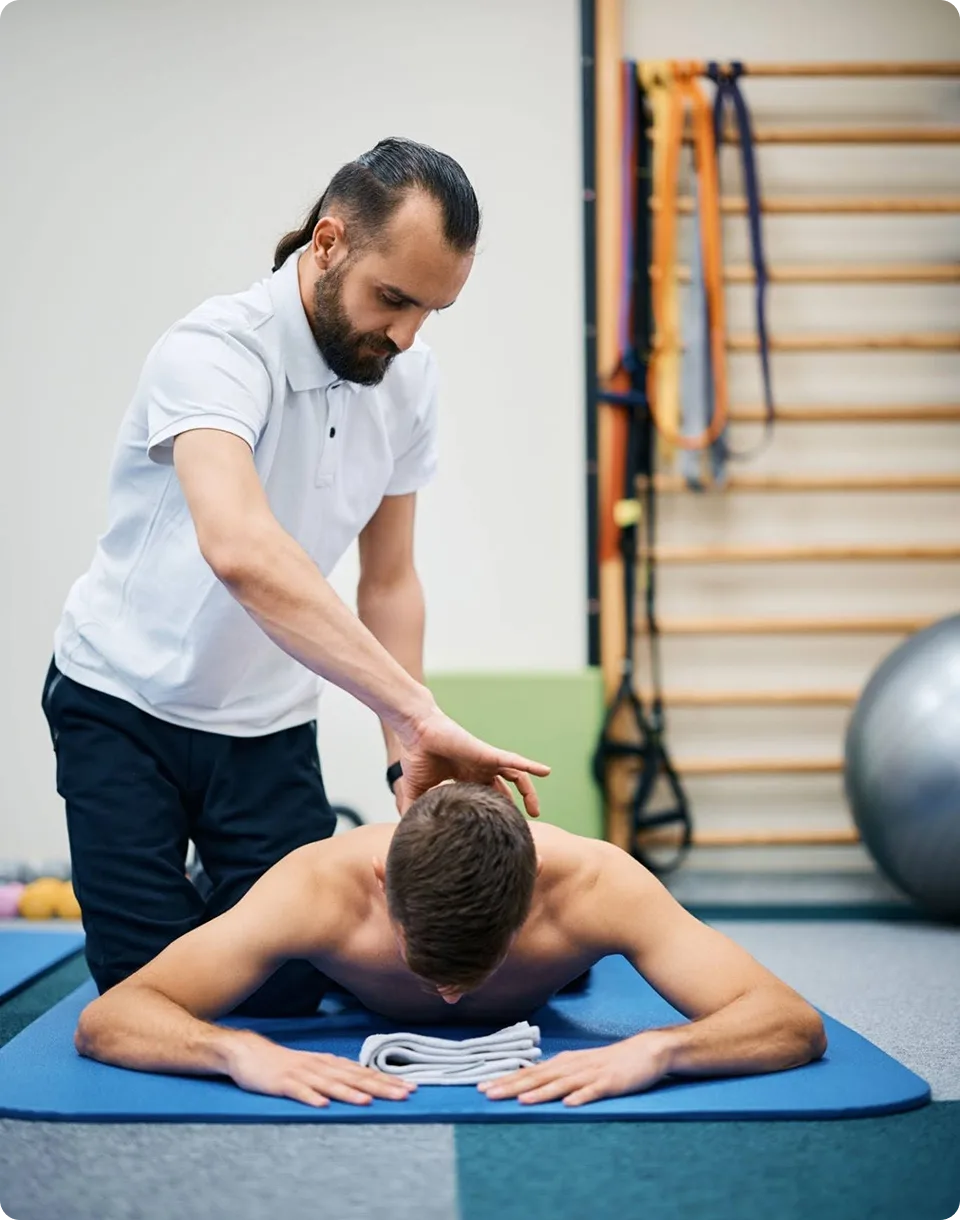
Dr. Booth’s overarching goal: restore normal nerve function, improve neck mechanics, and help patients regain control of their daily lives without narcotics or surgery.
When to Seek Care
You should be evaluated for cervical instability if you experience:
-
Neck pain that worsens with movement or fatigue
-
Popping or grinding sensations with head rotation
-
Dizziness, visual changes, or “brain fog” after whiplash
-
Headaches starting from the upper neck
-
Persistent pain despite normal MRI results
Early diagnosis prevents chronic nerve irritation, postural imbalance, and degenerative progression.
Take the Next Step
If your neck feels unstable, clicks with movement, or causes dizziness after injury, you may have cervical ligamentous instability.
At Elite Pain & Health Oklahoma, Dr. Booth specializes in advanced, non-surgical diagnostics and regenerative stabilization therapies that repair ligaments, restore confidence, and help patients reclaim active lives safely.
Get urgent care for these
- New weakness or clumsiness in the hands, or dropping objects
- Unsteady walking or a change in balance
- Loss of bladder or bowel control
- Neck pain with fever, or after a fall or collision
These need assessment now, not an appointment next week. Go to an emergency department or call 911.
Common questions about neck pain