
Shoulder treatment
Suprascapular Nerve Block and Peripheral Nerve Stimulation
Evidence: Suprascapular nerve block is a conditional option for selected shoulder pain. Peripheral nerve stimulation, or PNS, is emerging for most musculoskeletal shoulder conditions.
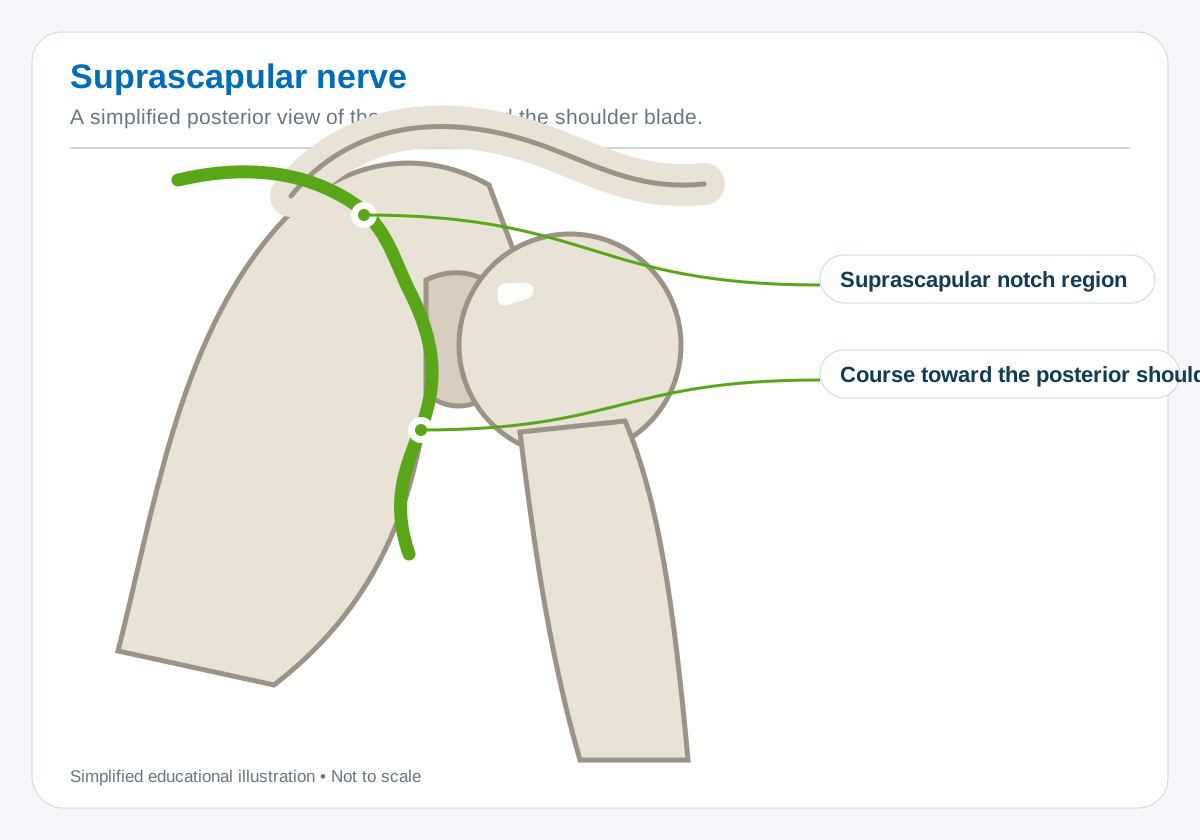
Why target the suprascapular nerve
The suprascapular nerve carries sensation from important parts of the shoulder and also supplies certain rotator cuff muscles. A block places medication near the nerve to temporarily reduce pain signaling. It may be considered for conditions such as arthritis, frozen shoulder, or chronic shoulder pain when a nerve-targeted approach fits the clinical picture.
A block may be therapeutic, diagnostic, or both. A temporary response does not mean every future nerve procedure will provide the same amount or duration of relief.
Suprascapular nerve blocks use ultrasound or fluoroscopy, selected according to the case.
What peripheral nerve stimulation does
PNS uses a small lead placed near a peripheral nerve to deliver electrical stimulation. The purpose is to change pain signaling and improve function. It does not repair joint cartilage or reconnect a torn tendon.
PNS may be considered when chronic pain remains limiting despite reasonable conservative care and a clinician believes the nerve target is appropriate. Suprascapular PNS lead placement uses ultrasound and fluoroscopy together.
A diagnostic block is not required in every PNS case. Candidacy and insurance requirements are reviewed individually. The type and duration of PNS are selected according to the patient’s condition, treatment plan, and available system. Public information remains product-neutral. Device-specific preparation, restrictions, follow-up, activity limits, and removal instructions are provided separately before treatment.
What the evidence shows
Studies and reviews support that suprascapular nerve block can reduce pain in some shoulder conditions, but techniques and comparison treatments vary. Published PNS evidence for shoulder pain has historically been strongest in post-stroke shoulder pain. Research for rotator cuff disease and other musculoskeletal causes remains preliminary, with small studies and a need for larger trials.
Risks and tradeoffs
Block risks include temporary soreness, bleeding, infection, allergic reaction, numbness or weakness, local anesthetic complications, and injury to nearby structures. Pneumothorax is uncommon but has been reported; careful image-guided technique and approach selection matter.
PNS adds risks such as lead movement or breakage, skin irritation, infection, uncomfortable stimulation, device malfunction, and need for removal. Benefits are not guaranteed.
Questions to ask
- What diagnosis and function are we targeting?
- Is the block diagnostic, therapeutic, or both?
- Does my clinical plan or insurer require a block before PNS?
- Where will I receive the device-specific restrictions and follow-up instructions?
- What are the alternatives if it does not help?
Sources
- Systematic Review and Meta-analysis: Suprascapular Nerve Block
- Systematic Review: Harms From Suprascapular Nerve Block
- Review: Peripheral Nerve Stimulation for Shoulder Pain
- 2025 Review: PNS for Rotator Cuff Pathology
Nerve blocks and PNS require individual risk assessment and procedure-specific consent. Device instructions are provided separately.
Clinically reviewed by Keley John Booth, MD
Get urgent care for these
- The shoulder looks deformed or a bone may be broken after an injury
- The arm is cold, pale, blue or severely swollen
- New major weakness or loss of feeling
- Fever with a hot, red, swollen shoulder
- Shoulder pain with chest pressure, shortness of breath, sweating, or pain spreading to the jaw or arm
These need assessment now, not an appointment next week. Go to an emergency department or call 911.