
Shoulder condition or diagnosis
Frozen Shoulder (Adhesive Capsulitis)
Frozen Shoulder (Adhesive Capsulitis)
In plain language: Frozen shoulder is more than pain with reaching. The joint capsule becomes tight, so the shoulder is difficult to move both by yourself and with assistance.
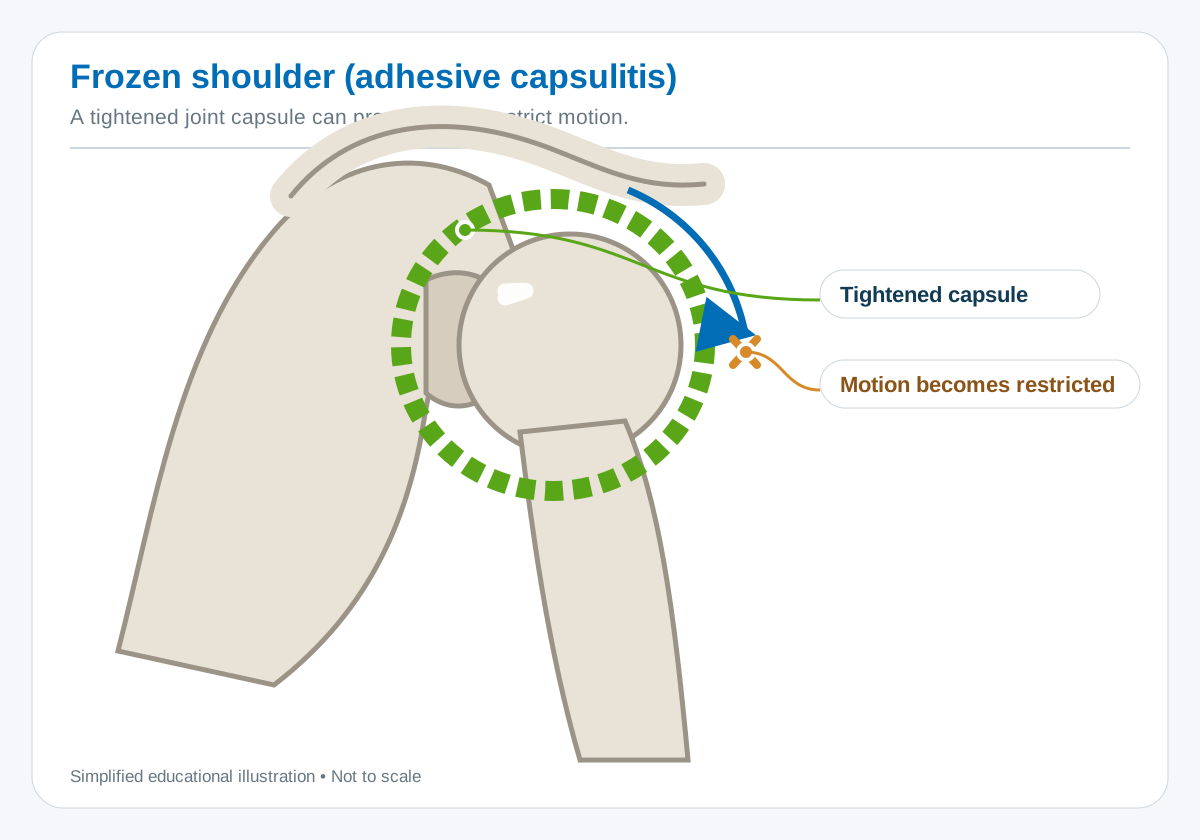
What happens
The capsule around the glenohumeral joint thickens and stiffens. Symptoms often move through a painful “freezing” stage, a stiff “frozen” stage, and a gradual “thawing” stage. The timeline varies and recovery can be slow.
Frozen shoulder is more common between ages 40 and 60 and in people with diabetes or thyroid disease. It may follow surgery, fracture, or a period of limited movement, but sometimes there is no clear trigger.
Symptoms and diagnosis
Pain may be severe early and often interrupts sleep. Reaching behind the back or rotating the arm outward becomes difficult. The defining examination finding is restriction of both active and passive motion, usually in a recognizable pattern.
X-rays may be used to look for arthritis or another bone problem. MRI is not required for every classic case, but it can help when another soft-tissue problem is suspected.
Treatment options
Physical therapy is a core treatment, but intensity should match the stage and irritability of the shoulder. A highly painful shoulder may respond better to gentle motion than aggressive stretching. A home program helps maintain progress between visits.
A glenohumeral corticosteroid injection can reduce pain and improve function in selected patients, especially when paired with rehabilitation. Hydrodistension, also called hydrodilatation, expands the joint capsule with injected fluid. Studies show mixed results: some find temporary motion or disability improvement, while others find no meaningful advantage over steroid injection alone.
When substantial pain and stiffness continue despite a reasonable nonsurgical plan, orthopedic consultation may include discussion of manipulation under anesthesia or arthroscopic capsular release.
When to seek prompt care
Fever, redness, marked warmth, or rapid swelling is not typical of uncomplicated frozen shoulder. Seek prompt evaluation after major trauma or for new neurologic weakness or numbness.
Sources
- AAOS OrthoInfo: Frozen Shoulder
- Systematic Review: Hydrodilatation for Frozen Shoulder
- Randomized Trial: Corticosteroid With or Without Hydrodilatation
This page provides general education. Treatment timing and intensity should be individualized.
Clinically reviewed by Keley John Booth, MD
Get urgent care for these
- The shoulder looks deformed or a bone may be broken after an injury
- The arm is cold, pale, blue or severely swollen
- New major weakness or loss of feeling
- Fever with a hot, red, swollen shoulder
- Shoulder pain with chest pressure, shortness of breath, sweating, or pain spreading to the jaw or arm
These need assessment now, not an appointment next week. Go to an emergency department or call 911.