
Shoulder treatment
Glenohumeral Hydrodistension or Hydrodilatation for Frozen Shoulder
Glenohumeral Hydrodistension or Hydrodilatation for Frozen Shoulder
Evidence: Conditional option with mixed evidence. Hydrodistension—also called hydrodilatation—may improve motion or disability for some patients with frozen shoulder. Trials do not consistently show that it works better than an intra-articular corticosteroid injection alone.
What the procedure is
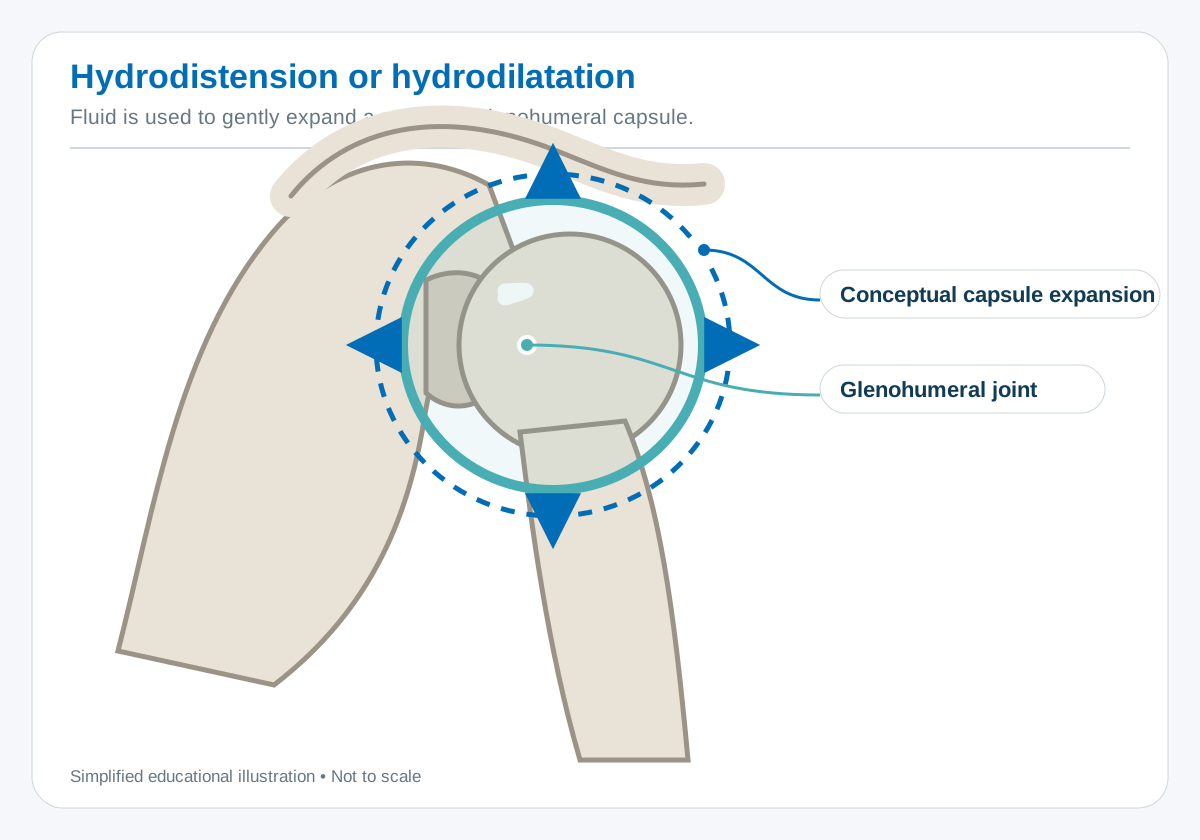
Frozen shoulder tightens the capsule around the glenohumeral joint. During hydrodistension, fluid is placed into the joint to expand that capsule. Ultrasound and fluoroscopy are used together for image guidance. The injectate and volume are individualized and are explained in the procedure-specific instructions and consent.
The goal is to reduce pain and make motion easier. It is not a procedure for every stiff shoulder; arthritis, infection, fracture, and other causes of restricted motion must be considered first.
Why physical therapy still matters
Any temporary increase in comfort or motion should be connected to a rehabilitation plan. Therapy and home movement help patients use the available range and rebuild function. Physical therapy or guided movement is coordinated according to patient tolerance and the individualized rehabilitation plan. It is not automatically required the same day or the next day.
What research shows
Systematic reviews suggest hydrodilatation may provide temporary improvement in disability and external rotation compared with a steroid injection alone, but study methods and results vary. A 2025 randomized trial found improvement in both groups and no significant difference at eight weeks; the hydrodilatation group reported more procedural pain. Another randomized study found steroid injection alone performed better at some follow-up points.
The practical conclusion is not that the procedure never works. It is that the expected added benefit is uncertain and should be weighed against discomfort, cost, and simpler options.
Risks and preparation
Risks can include procedural pain, temporary flare, bleeding, infection, allergic reaction, blood-sugar elevation if steroid is used, and injury to nearby structures. Tell the care team about blood thinners, diabetes, allergies, infection, pregnancy, and prior reactions. Follow the clinic’s specific preparation and recovery instructions.
Who may consider it
Glenohumeral hydrodistension, also called hydrodilatation, may be considered for clinically diagnosed adhesive capsulitis that continues to cause meaningful pain or stiffness despite an appropriate initial treatment plan. Other important causes of shoulder stiffness and procedure-specific contraindications must be considered first. The decision also considers the current stage, prior injection response, therapy tolerance, and personal goals.
Sources
- Systematic Review: Hydrodilatation for Frozen Shoulder
- Randomized Trial: Corticosteroid With or Without Hydrodilatation
- Randomized Trial: Hydrodilatation With Corticosteroid Versus Corticosteroid Alone
- AAOS OrthoInfo: Frozen Shoulder
The injectate, volume, and rehabilitation timing are individualized. Patient-specific details are provided in the procedure instructions and consent.
Clinically reviewed by Keley John Booth, MD
Get urgent care for these
- The shoulder looks deformed or a bone may be broken after an injury
- The arm is cold, pale, blue or severely swollen
- New major weakness or loss of feeling
- Fever with a hot, red, swollen shoulder
- Shoulder pain with chest pressure, shortness of breath, sweating, or pain spreading to the jaw or arm
These need assessment now, not an appointment next week. Go to an emergency department or call 911.