
Shoulder condition or diagnosis
Shoulder Labral Tear
Shoulder Labral Tear
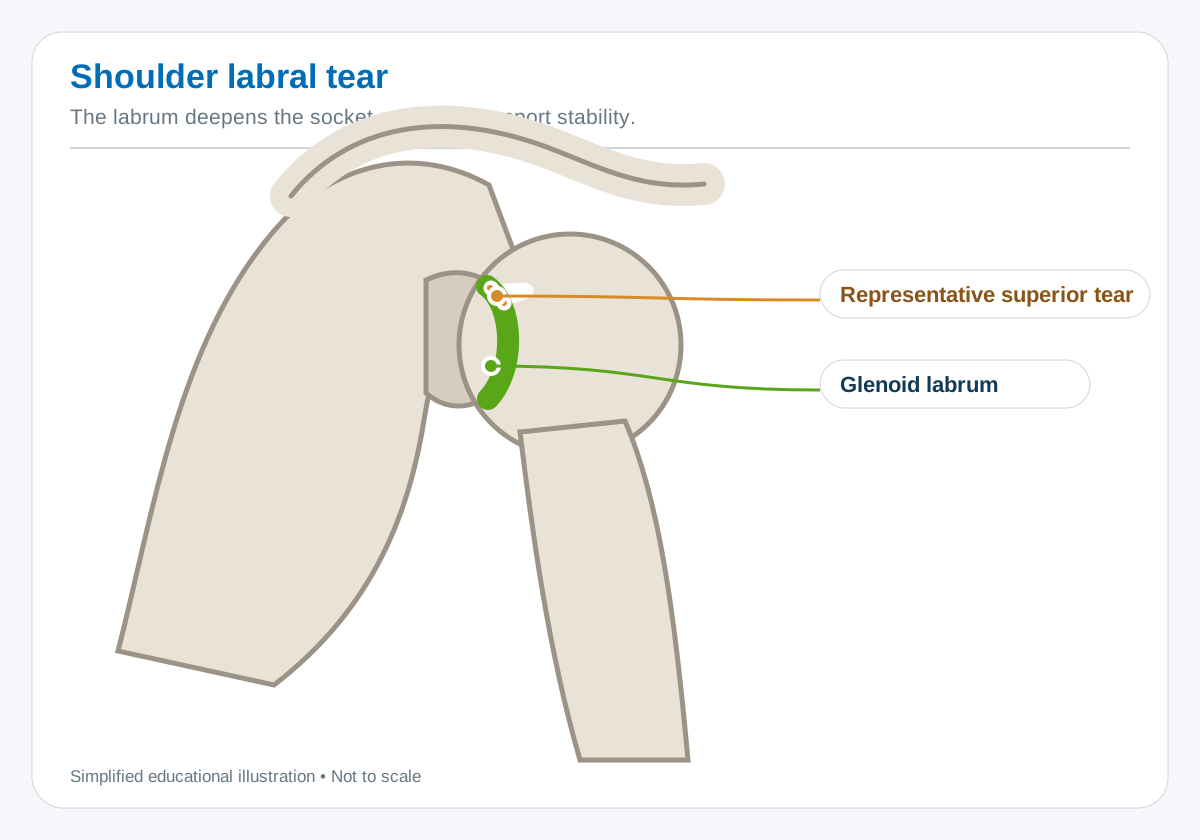
In plain language: The labrum is a rim of firm tissue that deepens the shoulder socket and helps with stability. A tear may follow injury or develop as part of aging, and it is not always the cause of pain.
Types and causes
A SLAP tear involves the upper labrum near the attachment of the long head of the biceps. Other labral tears can occur toward the front or back of the socket and may be associated with dislocation or repeated instability.
Falls, forceful pulling, dislocation, and repeated overhead activity can injure the labrum. Fraying also becomes more common with age. That is why an MRI label must be interpreted in context.
Symptoms
Symptoms may include deep shoulder pain, catching, popping, reduced strength, or a sense that the shoulder will slip. Overhead athletes may notice loss of speed or control. These symptoms overlap with biceps, rotator cuff, and instability problems.
Diagnosis
The examination looks for a consistent pattern rather than relying on one provocative test. X-rays evaluate bone and alignment. When radiographs are normal or unclear and a labral problem is suspected, MRI or an MR arthrogram is often appropriate.
A diagnostic glenohumeral injection may help determine whether pain is coming from inside the joint. It cannot identify the exact labral tear by itself.
Treatment options
Initial care is often nonsurgical. Physical therapy restores motion, rotator cuff and shoulder-blade capacity, and control in the positions needed for work or sport. Medication may help manage a painful flare.
PRP or BMAC injection around a labral target is offered selectively, but direct evidence for nonsurgical labral healing is limited. It should be presented as conditional or emerging, with uncertainty discussed plainly. Persistent mechanical symptoms, recurrent instability, a traumatic tear, or failure of rehabilitation may justify orthopedic consultation.
When to seek prompt care
A shoulder that is currently dislocated, visibly deformed, or associated with a cold, numb, or discolored arm needs urgent care. New major weakness after injury also deserves prompt assessment.
Sources
- AAOS OrthoInfo: SLAP Tears
- American College of Radiology: Chronic Shoulder Pain
- American College of Radiology: Acute Shoulder Pain
This page is educational. Imaging findings should be correlated with symptoms and examination.
Clinically reviewed by Keley John Booth, MD
Get urgent care for these
- The shoulder looks deformed or a bone may be broken after an injury
- The arm is cold, pale, blue or severely swollen
- New major weakness or loss of feeling
- Fever with a hot, red, swollen shoulder
- Shoulder pain with chest pressure, shortness of breath, sweating, or pain spreading to the jaw or arm
These need assessment now, not an appointment next week. Go to an emergency department or call 911.