
Shoulder condition or diagnosis
Biceps Tendinopathy and Proximal Biceps Tear
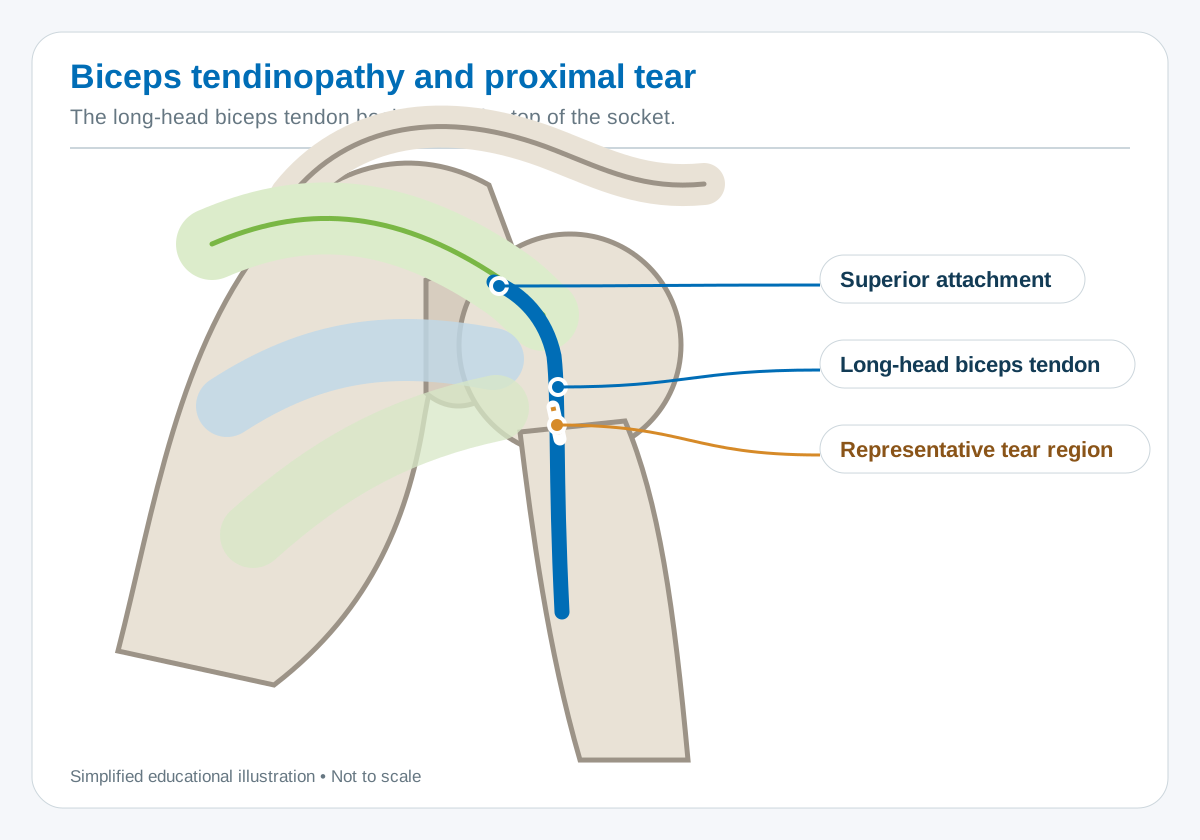
In plain language: The long head of the biceps tendon begins inside the shoulder and passes through the front of the joint. It can become painful gradually or tear suddenly.
Symptoms
Biceps tendinopathy often causes front shoulder pain with lifting, pulling, carrying, or overhead activity. Pain can overlap with rotator cuff and labral symptoms because these structures work closely together.
A proximal biceps tear may cause a pop, bruising, short-term pain, cramping, or a bulge lower in the upper arm sometimes called a “Popeye” shape. Some people retain useful function because the biceps has another attachment at the shoulder.
Diagnosis
The history and examination check tenderness along the tendon, pain with resisted movements, rotator cuff function, and labral or instability signs. Ultrasound can assess the tendon in its groove. MRI may be used when associated rotator cuff, subscapularis, or labral injury is suspected.
Not every tendon change on a scan needs treatment. The finding should match your familiar symptoms and functional loss.
Treatment options
Tendinopathy often begins with load modification and progressive rehabilitation. Therapy addresses shoulder and elbow strength, cuff capacity, and movement patterns that repeatedly overload the tendon. Medication may help with a painful flare when medically appropriate.
Injection decisions require care because the goal and target matter. A clinician may use an injection to evaluate a nearby joint or bursa, but injecting directly into a tendon can carry risk. Large traumatic tears, persistent cramping, associated cuff injury, or high functional demands may justify orthopedic consultation.
When to seek prompt care
Seek prompt evaluation for a sudden pop with marked weakness, extensive bruising, deformity, or inability to use the arm. A cold, pale, numb, or severely swollen arm requires urgent care.
Sources
- AAOS OrthoInfo: SLAP Tears
- AAOS 2025 Clinical Practice Guideline: Rotator Cuff Injuries
- American College of Radiology: Chronic Shoulder Pain
This page provides general education and does not determine whether surgery is appropriate.
Clinically reviewed by Keley John Booth, MD
Get urgent care for these
- The shoulder looks deformed or a bone may be broken after an injury
- The arm is cold, pale, blue or severely swollen
- New major weakness or loss of feeling
- Fever with a hot, red, swollen shoulder
- Shoulder pain with chest pressure, shortness of breath, sweating, or pain spreading to the jaw or arm
These need assessment now, not an appointment next week. Go to an emergency department or call 911.